Spade shape with cobalt blue background

Performance Newsletter

Archives
Calibre Monitoring
Free Speed Tools
Log in
Subscribe
5 July 2023

⚡ 130: Why frontend must build better

͏ ͏ ͏ ͏ ͏ ͏ ͏ ͏ ͏ ͏ ͏ ͏ ͏ ͏ ͏ ͏ ͏ ͏ ͏ ͏ ͏ ͏ ͏ ͏ ͏ ͏ ͏ ͏ ͏ ͏ ͏ ͏ ͏ ͏ ͏ ͏ ͏ ͏ ͏ ͏ ͏ ͏ ͏ ͏ ͏ ͏ ͏ ͏ ͏ ͏ ͏ ͏ ͏ ͏ ͏ ͏ ͏ ͏ ͏ ͏ ͏ ͏ ͏ ͏ ͏ ͏ ͏ ͏ ͏ ͏ ͏ ͏ ͏ ͏ ͏ ͏ ͏ ͏ ͏ ͏ ͏ ͏ ͏ ͏ ͏ ͏ ͏ ͏ ͏ ͏ ͏ ͏ ͏ ͏ ͏ ͏ ͏ ͏ ͏ ͏ ͏ ͏ ͏ ͏ ͏ ͏ ͏ ͏ ͏ ͏ ͏ ͏ ͏ ͏ ͏ ͏ ͏ ͏ ͏ ͏
 
Performance Newsletter
[issue 130]()
 
#### Editor’s note
 
I recently went on a long-overdue trip to Europe to see my family. I’ve been living in Australia for over eight years, and with each trip back I notice a range of differences between the two. One of the prominent ones is the choice of devices. In Melbourne, the latest iPhones ([iOS has ~60% of the market share](https://gs.statcounter.com/os-market-share/mobile/australia/#monthly-202206-202306)), AirPods, and MacBooks are commonplace. In Kraków, while you see those too, they’re far from mainstream ([Android is ~83% of market share](https://gs.statcounter.com/os-market-share/mobile/poland/#monthly-202206-202306)).

It’s easy to make assumptions: everyone has a new(ish) device. All of these devices are powerful enough to promptly render sites and apps because they are “modern”. Nothing further from the truth, which is one of the subjects of this issues’ article from Alex Russel. We must build better.
 
Karolina


#### What’s Performance newsletter?
 

Performance Newsletter is a fortnightly mailing by [Calibre](https://calibreapp.com), featuring web performance tools, talks and resources.

Don’t worry—we don’t spam. If you’d like to leave, [unsubscribe]() at any time. Suggest content [here. ](mailto:[email protected])


# Articles  
 
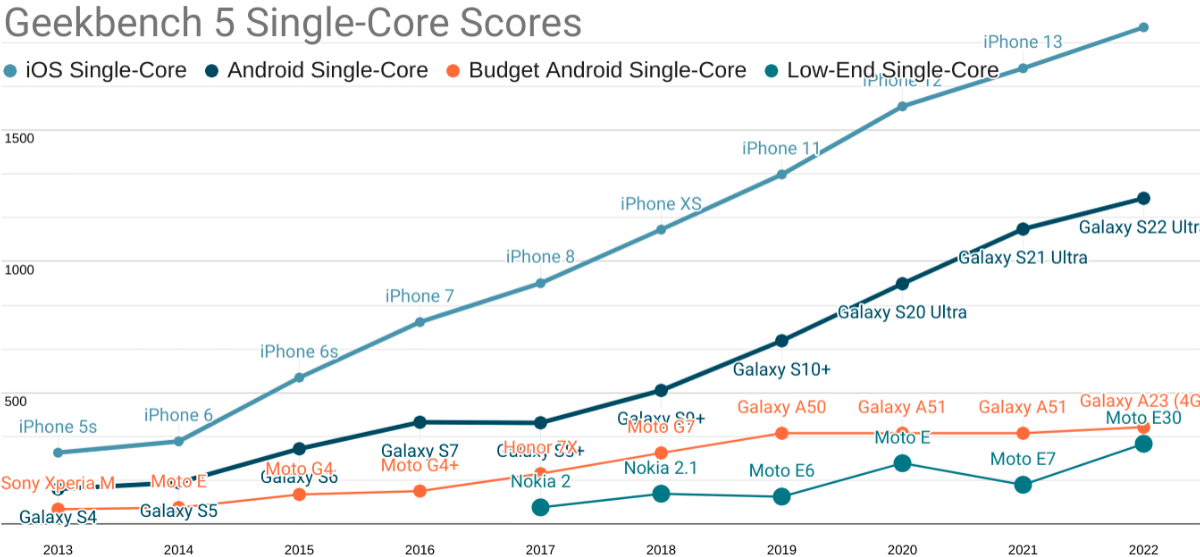
Geekbench 5 Single-Core Scores for different devices
 
### [Too much JavaScript? Why the frontend needs to build better](https://thenewstack.io/too-much-javascript-why-the-frontend-needs-to-build-better/)
 
[Alex Russell](https://infrequently.org/) & [Loraine Lawson](https://thenewstack.io/author/loraine-lawson/)
Smartphones are the primary device for internet access, but not the high-end iPhone or Galaxy Ultra. Here’s why we should be testing and building for low to mid-range devices, how bias comes into play and what it can cost a business to build for expensive devices only.
 
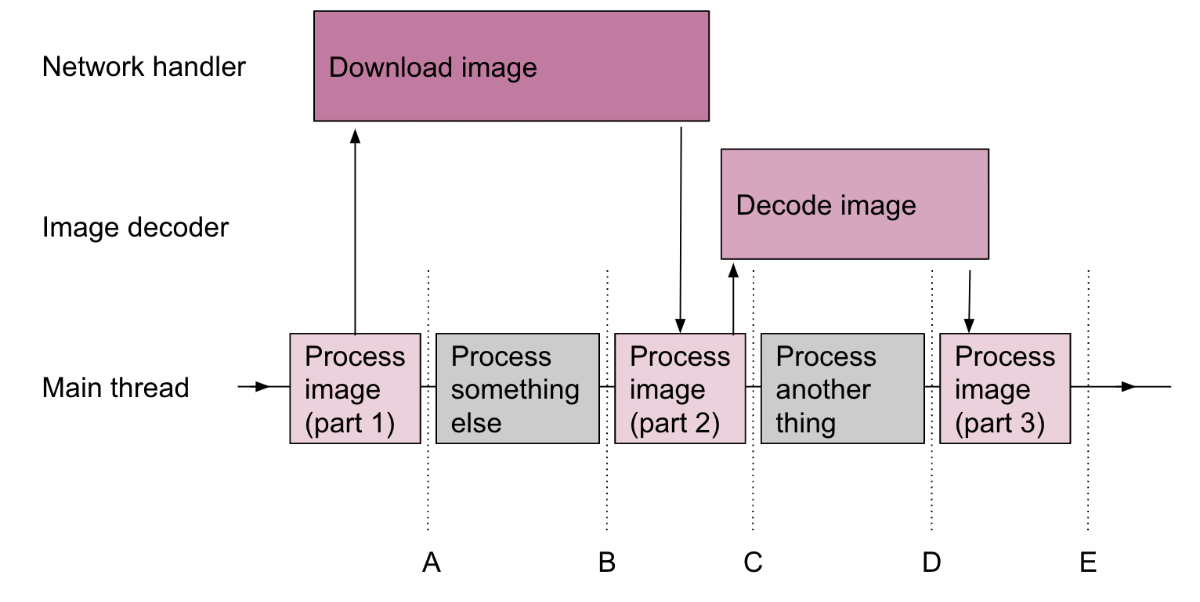
Diagram showing image processing moves off the main thread for downloading and decoding.
 
### [What does the image decoding attribute actually do?](https://www.tunetheweb.com/blog/what-does-the-image-decoding-attribute-actually-do/)
 
[Barry Pollard](https://www.tunetheweb.com/)

Find out what the decoding attribute does: can it improve web performance? Does it block the main thread? Is it worth using as a strategy for improving image rendering?


### [First-person scrollers](https://meyerweb.com/eric/thoughts/2023/06/20/first-person-scrollers/)
 
[Eric Meyer](https://meyerweb.com/)
To make our experience of the web smooth, browser engines must render websites at 60 frames per second, while maintaining re-renders as anything changes. This is why we should be as focused on render and paint optimisations as much as asset size.


# Tools  
 
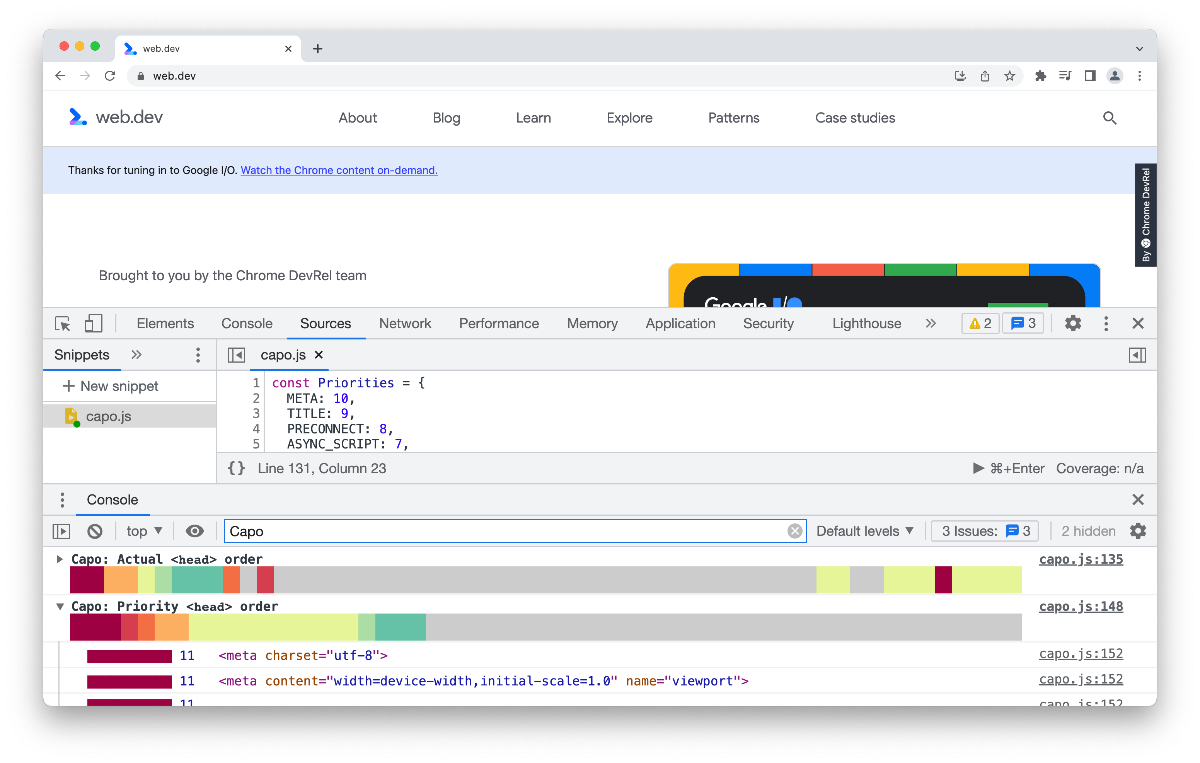
Console log in the browser for capo.js showing actual <head> order and priority order compared
 
### [capo.js: check how element order and priority affect performance](https://rviscomi.github.io/capo.js/)
 
[Rick Viscomi](https://rviscomi.dev/)

The order of elements in the <head> element affects their priority, and then, perceived performance. Check if your resources are fetched and loaded in the most efficient way with capo.js!


# Courses, Talks & Podcasts  
 
Side-by-side eo of Kashyap and Tanner
 
### [Catching up on web performance: Kashyap Kondamudi](https://catchingup.dev/podcasts/kashyap-kondamudi/)
 
[Kashyap Kondamudi](https://kgrz.io/) & [Tanner Hodges](https://tannerhodges.com/)

In this episode, Kashyap talks about getting into open source, working on Flipkart’s progressive web app, and diving into real user metrics.


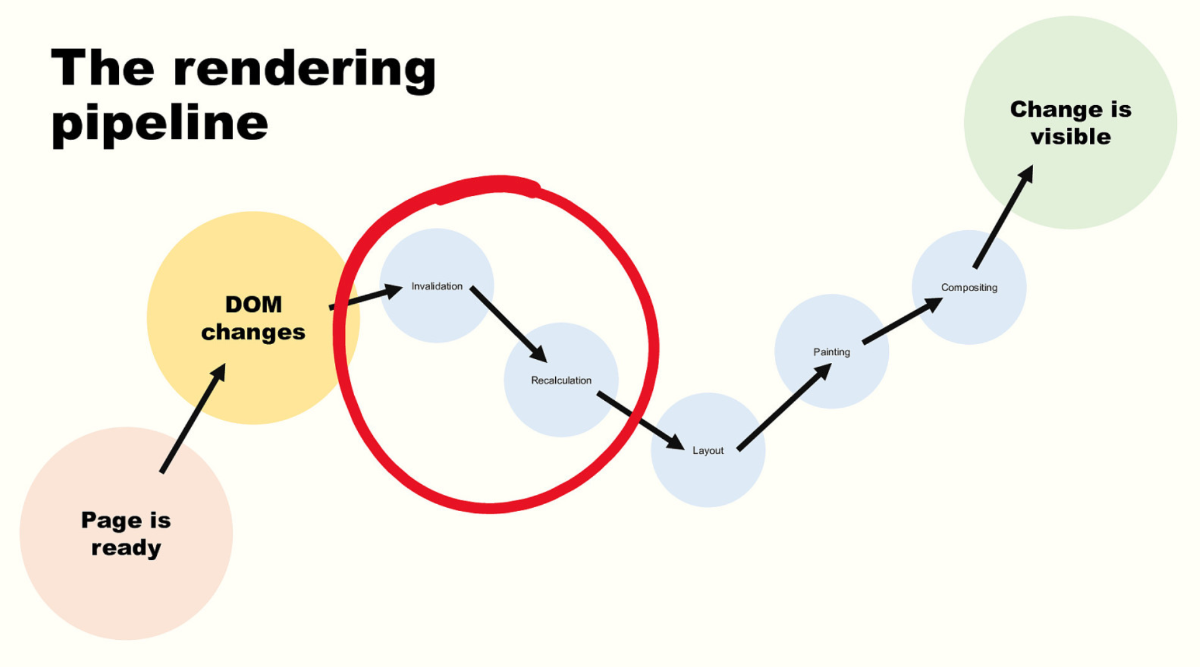
The rendering pipeline
 
### [Style recalculation secrets they don’t want you to know](https://www.youtube.com/watch?v=WRiOWJZoKlw&ab_channel=WebConferencesAmsterdam)
 
[Patrick Brosset](https://patrickbrosset.com/)
How do browsers recalculate styles when a page changes? Can the way you write CSS impact the speed of the recalculation process? Learn how browser engines react to DOM changes, apply styles to the page, and how to ensure there are no bottlenecks
 
 
Calibre
 
This email is brought to you by the team at [Calibre](https://calibreapp.com). We automate web performance testing, reporting and alerting, so you don’t have to.


Performance Newsletter is sent from the traditional lands of the Wurundjeri people of the Kulin nation. We acknowledge that sovereignty was never ceded and pay respects to the Elders past and present.

Send your suggestions, links and feedback to [[email protected]](mailto:[email protected]).

[View or share this email →]()
[Quickly unsubscribe →]()
[Browse older issues →]()

**Sent by**
Calibre Analytics

V119 / 425 Smith Street
Ngár-go
Fitzroy VIC 3065
Australia

 
Don't miss what's next. Subscribe to Performance Newsletter:
← Newer ⚡ 131: Breaking up with SVG-in-JS Older → ⚡ 129: How CDNs influence performance
perf.email
Bluesky
LinkedIn