͏ ͏ ͏ ͏ ͏ ͏ ͏ ͏ ͏ ͏ ͏ ͏ ͏ ͏ ͏ ͏ ͏ ͏ ͏ ͏ ͏ ͏ ͏ ͏ ͏ ͏ ͏ ͏ ͏ ͏ ͏ ͏ ͏ ͏ ͏ ͏ ͏ ͏ ͏ ͏ ͏ ͏ ͏ ͏ ͏ ͏ ͏ ͏ ͏ ͏ ͏ ͏ ͏ ͏ ͏ ͏ ͏ ͏ ͏ ͏ ͏ ͏ ͏ ͏ ͏ ͏ ͏ ͏ ͏ ͏ ͏ ͏ ͏ ͏ ͏ ͏ ͏ ͏ ͏ ͏ ͏ ͏ ͏ ͏ ͏ ͏ ͏ ͏ ͏ ͏ ͏ ͏ ͏ ͏ ͏ ͏ ͏ ͏ ͏ ͏ ͏ ͏ ͏ ͏ ͏ ͏ ͏ ͏ ͏ ͏ ͏ ͏ ͏ ͏ ͏ ͏ ͏ ͏ ͏ ͏
|
#### Editor’s note
|
| |
|
Performance can be exclusionary in a multitude of ways. Suppose all advice for improving speed is explained in jargon and expecting developer experience and knowledge. In that case, people who care about user experience can feel left out of conversations and unable to contribute for no good reason.
Poor performance locks people out of critical services, access to knowledge, career opportunities and much more. The lack of access to fast networking, devices and unlimited data exaggerates this. People who are marginalised remain unable to move upwards.
We must ensure our web performance work is inclusive of whoever wants to contribute and be mindful of the recipients of its benefits.
|
| |
|
|
Karolina
|
| |
| |
|
|
|
|
#### What’s Performance newsletter?
|
| |
|
Performance Newsletter is a fortnightly mailing by [Calibre](https://calibreapp.com), featuring web performance tools, talks and resources.
Don’t worry—we don’t spam. If you’d like to leave, [unsubscribe]() at any time. Suggest content [here](mailto:[email protected]).
|
|
|
| |
|
| |
|
|
|
| |
|
# Articles
|
|

|
|
| |
 |
| |
|
### [5 beginner website speed optimisations and how to do them right](https://calibreapp.com/blog/beginner-speed-optimisations)
|
| |
|
[Ben Schwarz](https://germanforblack.com/)
|
|
Anyone can positively contribute to improving web performance, even if you’re not sure where to start (or know someone who doesn’t). Here are a few beginner-friendly strategies to keep websites fast.
|
|
|
| |
|
 |
| |
|
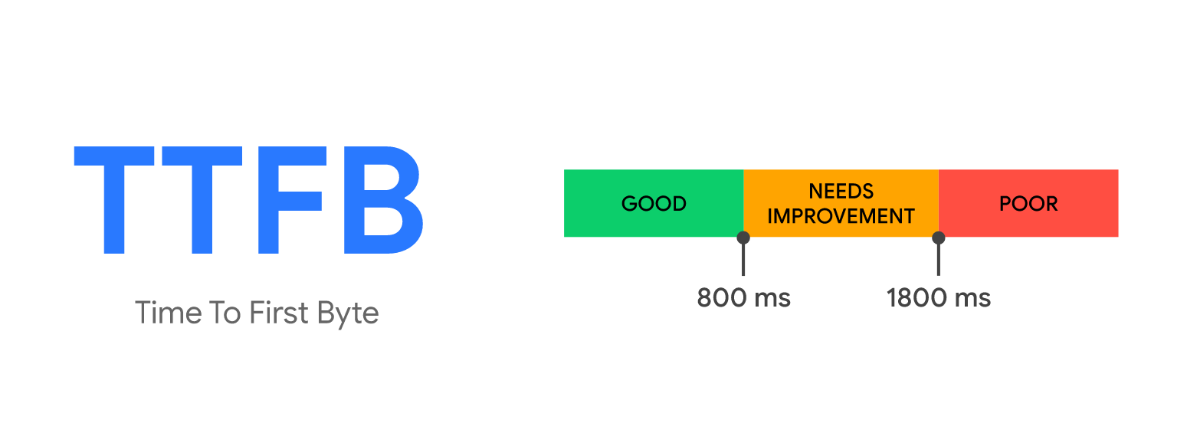
### [Optimize Time to First Byte](https://web.dev/optimize-ttfb/)
|
| |
|
[Jeremy Wagner](https://jlwagner.net/)
|
|
While TTFB isn’t a Core Web Vital, it’s a critical signal for web performance. High TTFB negatively affects the whole rendering process, so we should keep it in check—here’s how!
|
|
|
| |
|
 |
| |
|
### [Modern Health, frameworks, performance, and harm](https://ericwbailey.website/published/modern-health-frameworks-performance-and-harm/)
|
| |
|
[Eric Bailey](https://ericwbailey.website/)
|
|
What happens when a critical service fails to load (or is too slow) in a time of need? Technology choices have ethical ramifications.
|
|
|
| |
|
|
### [Speed for who?](https://andy-bell.co.uk/speed-for-who/)
|
| |
|
[Andy Bell](https://andy-bell.co.uk/)
|
|
There are a lot of ”lightning-fast” things out there now. But who exactly is experiencing those amazing speeds?
|
|
|
| |
|
|
|
|
|
| |
|
# Tools
|
|

|
|
| |
 |
| |
|
### [What’s new in Lighthouse 10](https://developer.chrome.com/blog/lighthouse-10-0/)
|
| |
|
[Brendan Kenny](https://github.com/brendankenny)
|
|
Lighthouse 10 is out. Check out what’s new, including the deprecation of the Time to Interactive metric and its removal from Performance Score calculations.
|
|
|
| |
|
 |
| |
|
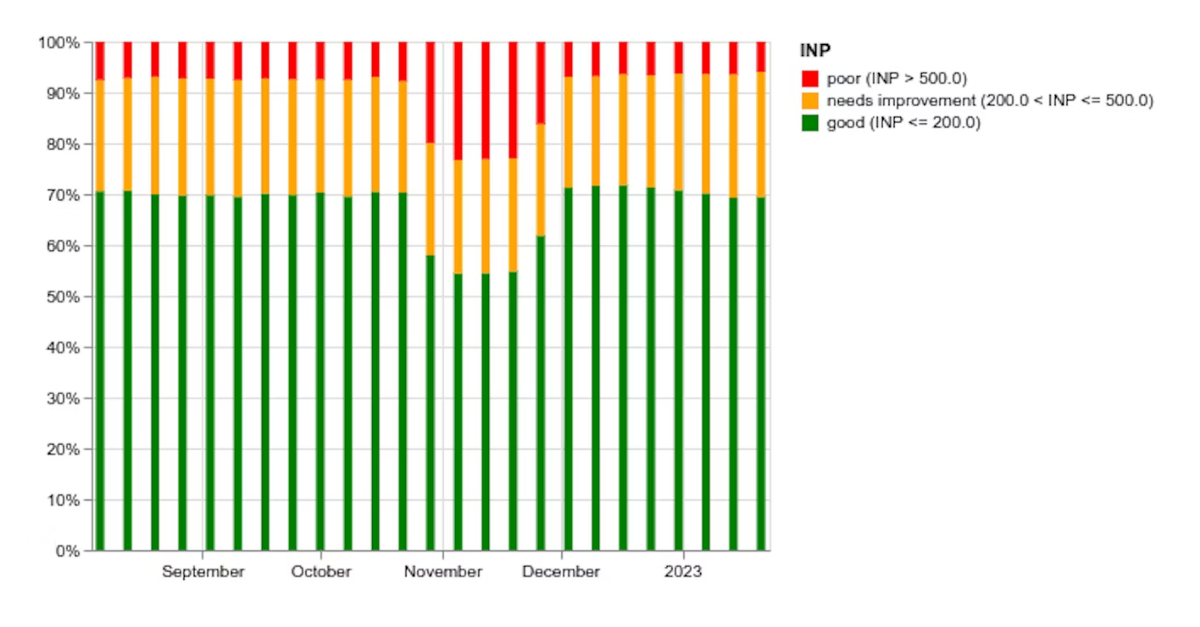
### [Introducing historical web performance data via the CrUX History API](https://developer.chrome.com/blog/chrome-ux-report-history-api/)
|
| |
|
[Johannes Henkel](https://mastodon.social/@powdercloud), [Jasmine Yan](https://github.com/jazyan) & [Barry Pollard](https://webperf.social/@tunetheweb)
|
|
The Chrome User Experience Report is a good resource of web performance data, now with up to 6 months of metric history available! Learn how to use the new History API.
|
|
|
| |
|
|
|