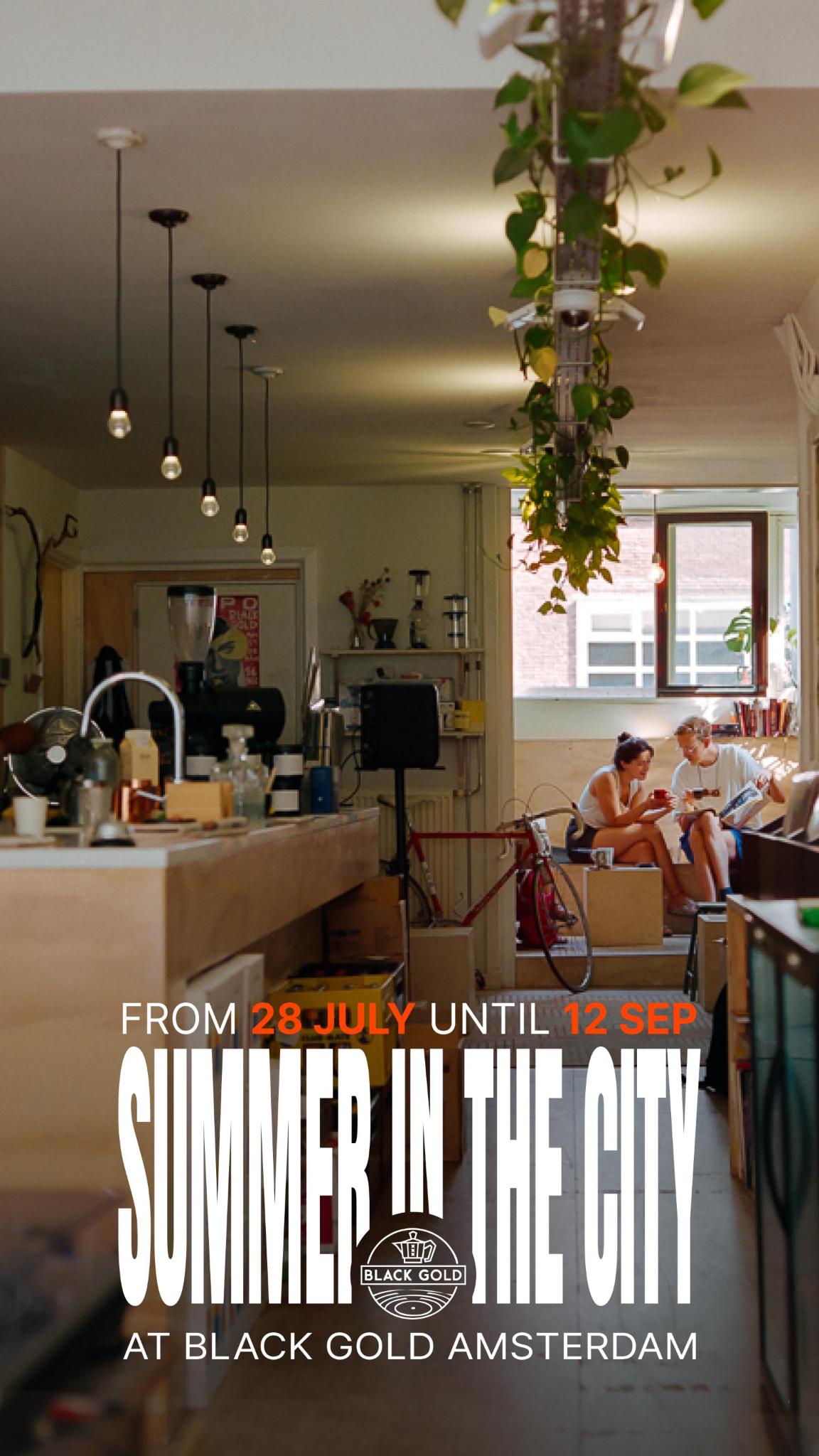
Summer in the City Zine reaches its 3rd edition and an exhibition has been setup at Black Gold Amsterdam.
The success of the zine has made us quite happy, so much so that we splurge on this 3rd edition. If this is your first edition of this newsletter, Summer in the City is a co-creation of me and Boris.
This edition has 4 more pages and was printed in larger quantities, both for the demand and to have it in a few special places around Amsterdam.
Athenaeum - The first batch here sold out very well, and they were very welcoming in hosting more copies of the zine.
HOTHEAD - A new kid in block. This shop’s vibe and energy got our attention pretty early on. The small amount of the 2nd edition made it so that we didn’t visit it until we had another batch of zines on our hands. I found a really nice interview on the internet that describes the store and its story very well . I welcome you to read it. I am very happy to see spaces like this still emerge in the ever cosmopolitan Amsterdam. REALLY HAPPY!
Terry Bleu - Not only the Rizo printing shop for us, but also a little creative nook of all things paper that they do. Hugo, the master printer behind our zine, always wants to keep a few copies of SITC for their shop. He was the one that incentivized us to reach to Athenaeum. A breath of support at the source of manufacturing. Thanks Hugo!
Black Gold - Accompanying the exhibition, a few copies of the zine will also be available here.
We will share more details about the exhibition on social media, and since it will be there for a while, you can likely find out more about it in the next edition this newsletter. But the gist of it is, we are really happy that we found some walls to display the work for an extended period of time that will give people the opportunity to come and visit, and that we managed to do so over the Summer period ☀
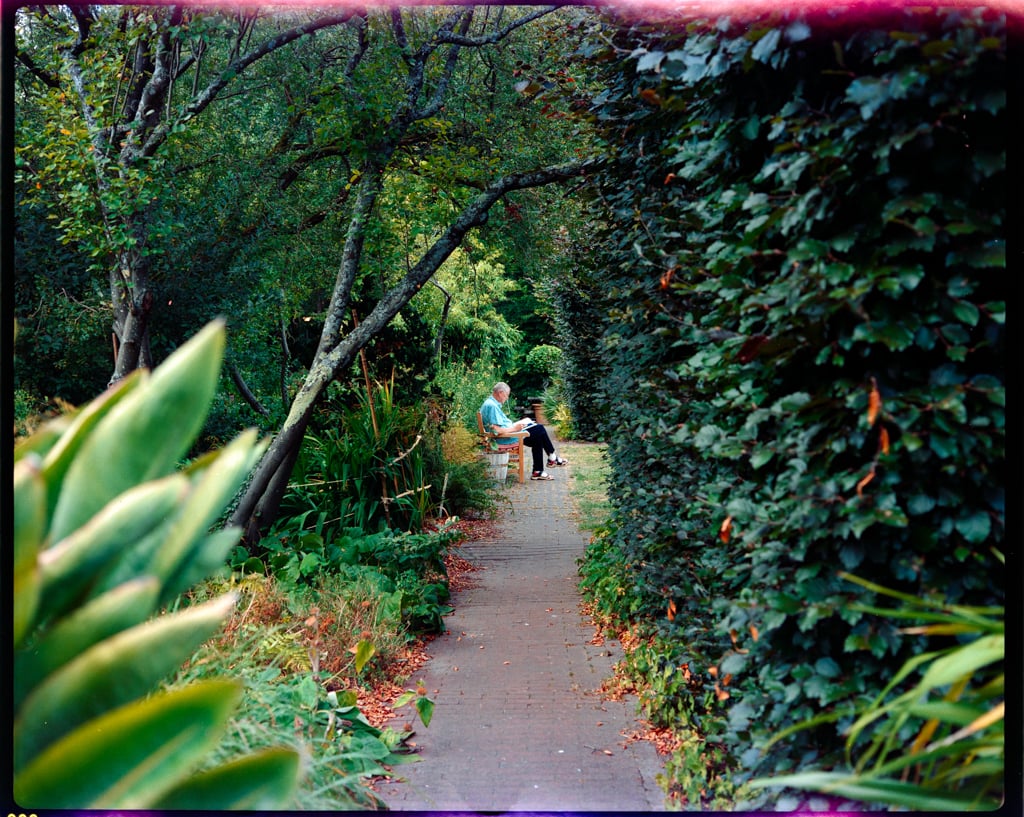
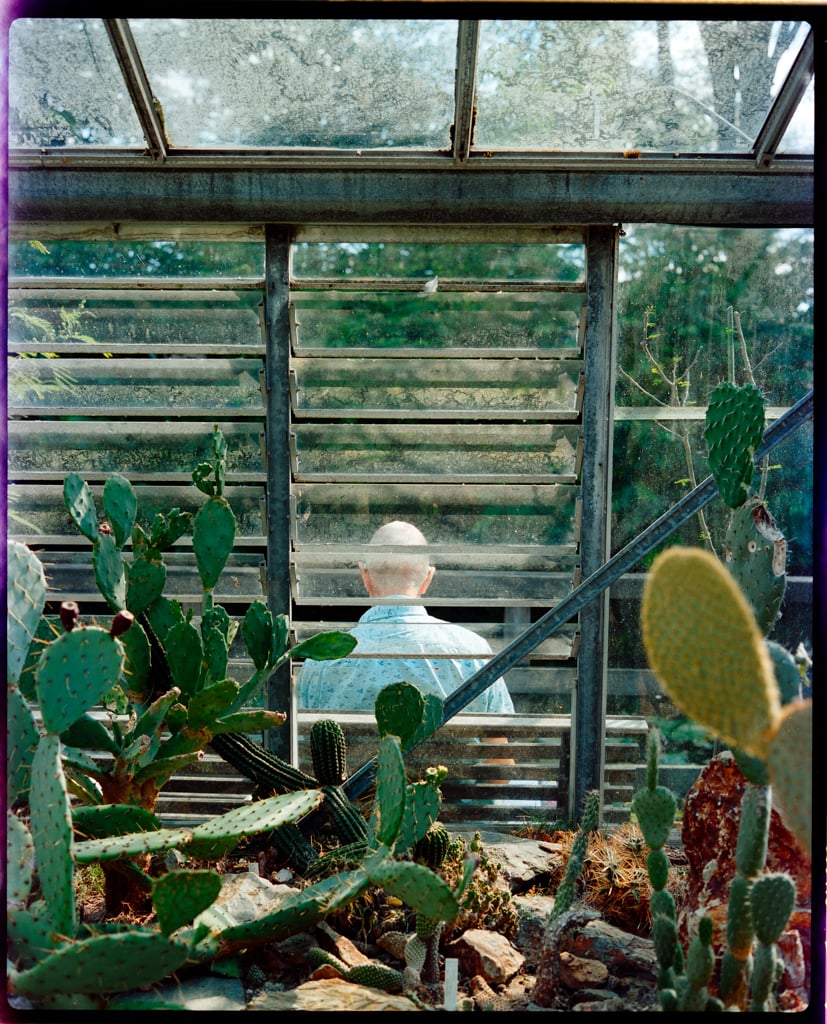
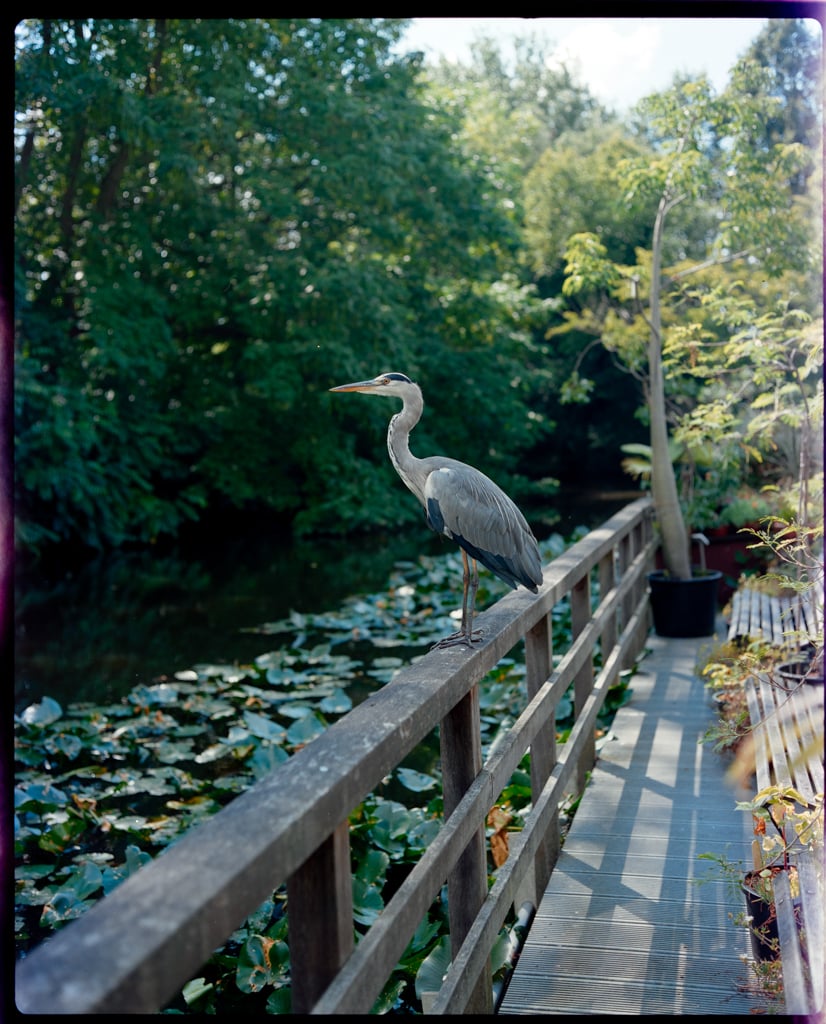
Scanning - This month it was hard to get the energy to sit down at the desk after 8h of work and digitize, but I did manage to get some progress in and I will share some images with you. I decided to start doing these shares here, since here is where my crowd is, and as you will read bellow, I closed my patron platforms.
The thing about getting film scanned super late is that the organization and perhaps occasional necessary follow-up become harder to do.
On the archiving front I am keeping all the rolls in a ‘in between status’. Since film always comes with a little code sticker from the lab, I am temporarily using that to keep the scanned rolls mapped between folders and the physical film itself. After I managed to scan all the rolls and sorted them chronologically, will I then sort them according to my system. Yay for how my brain works!
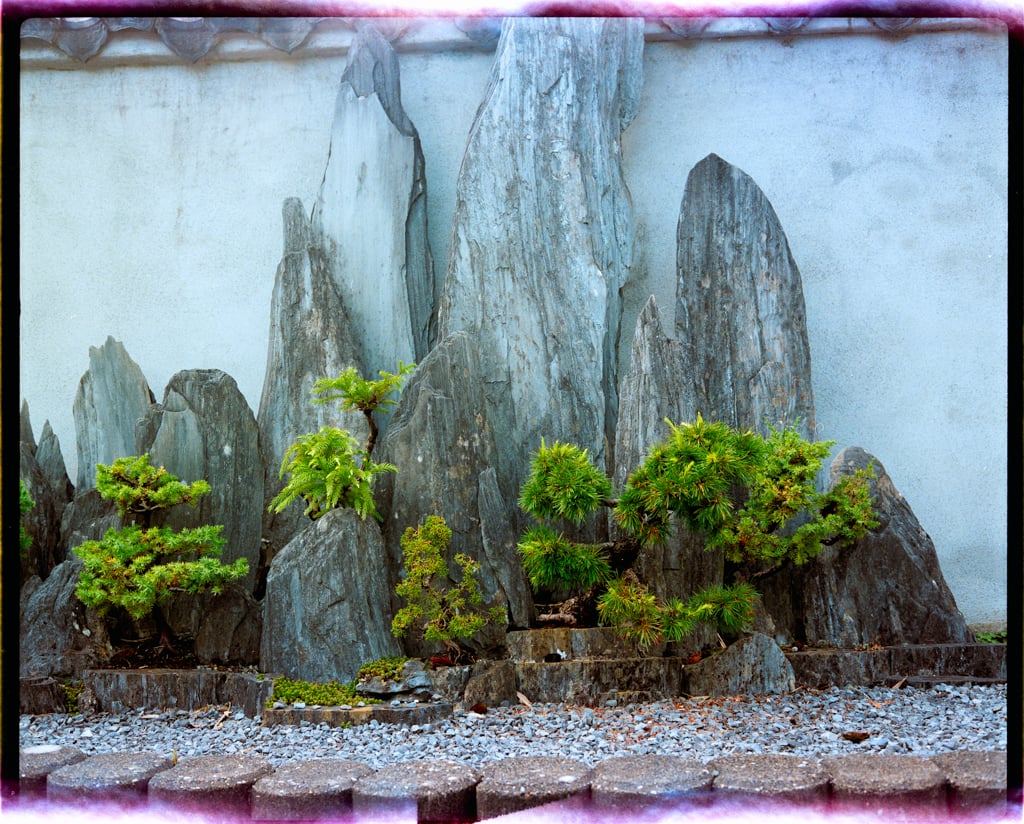
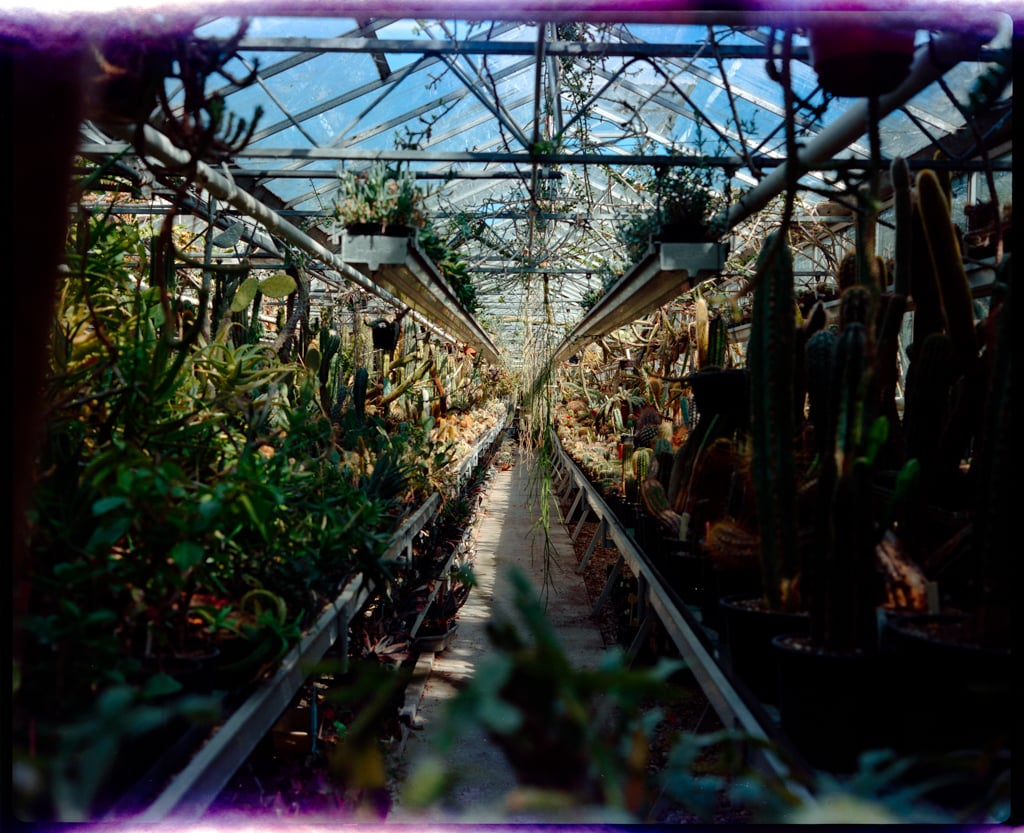
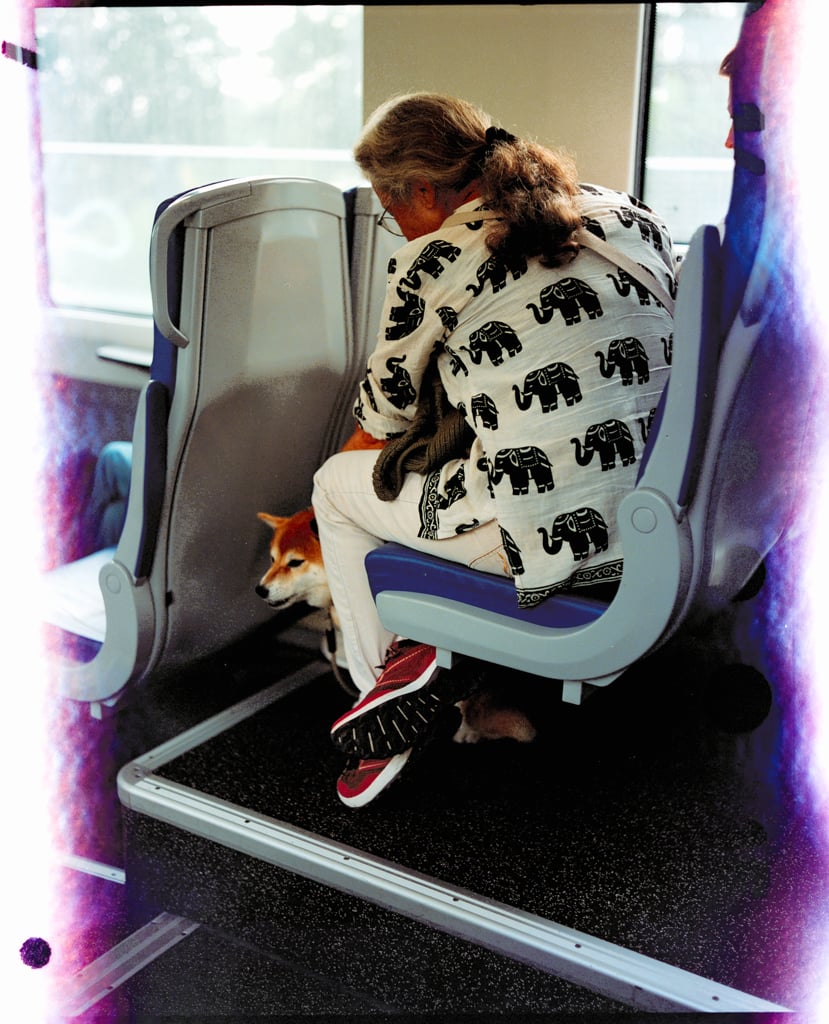
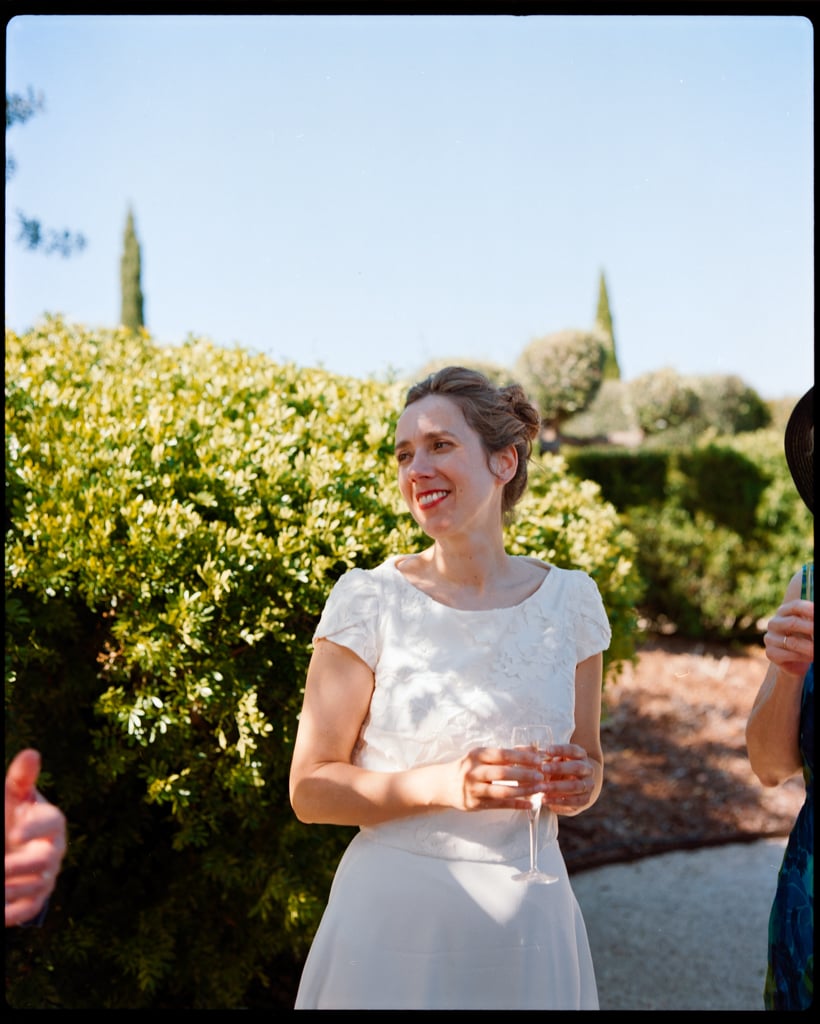
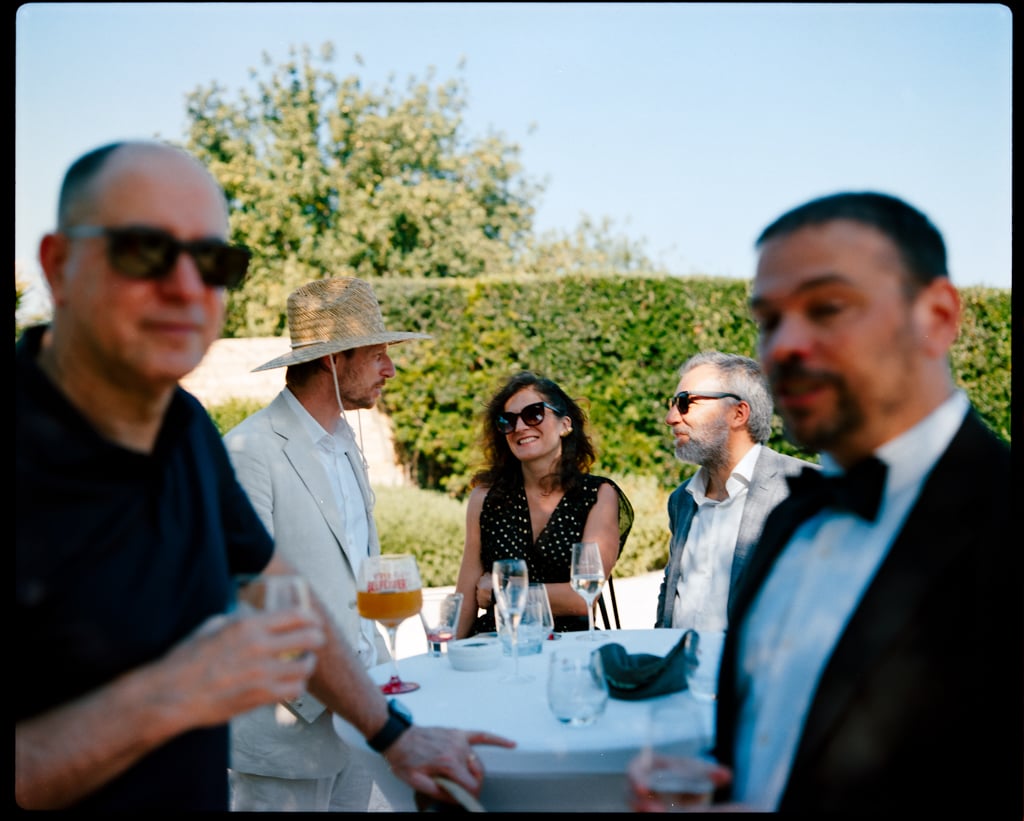
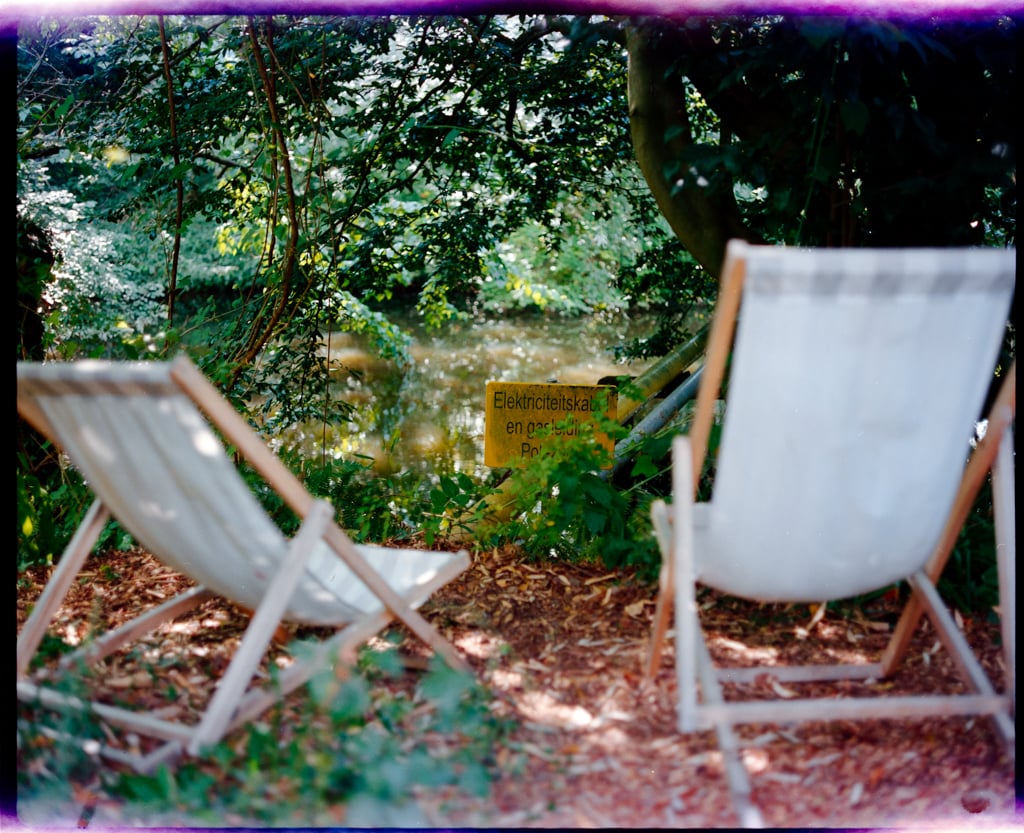
There’s also something else that fails in this scenario. Follow ups, and in this case, now it feels to late to do so. I can clearly see that the Lomography Color 800 has yet again come back with issues. It has shit loads of light leaks. I know it’s the film because others rolls that go to the same camera and lab come out perfectly. Like the wedding shots above. While in general light leaks are a cool effect in 1 or 2 frames, in a lot of them it bothers me. Even whole sections of one roll were completely lost. With film prices on the high, this thing becomes unacceptable and will prompt me to solidify on a few particular films to use hence forward. I am done with my film experimentation phase quite a while ago, and now I would just like to get my frames as I intended please! Let this be a word of caution to you all with Lomo Color 800 stock from the last years.
Book corner
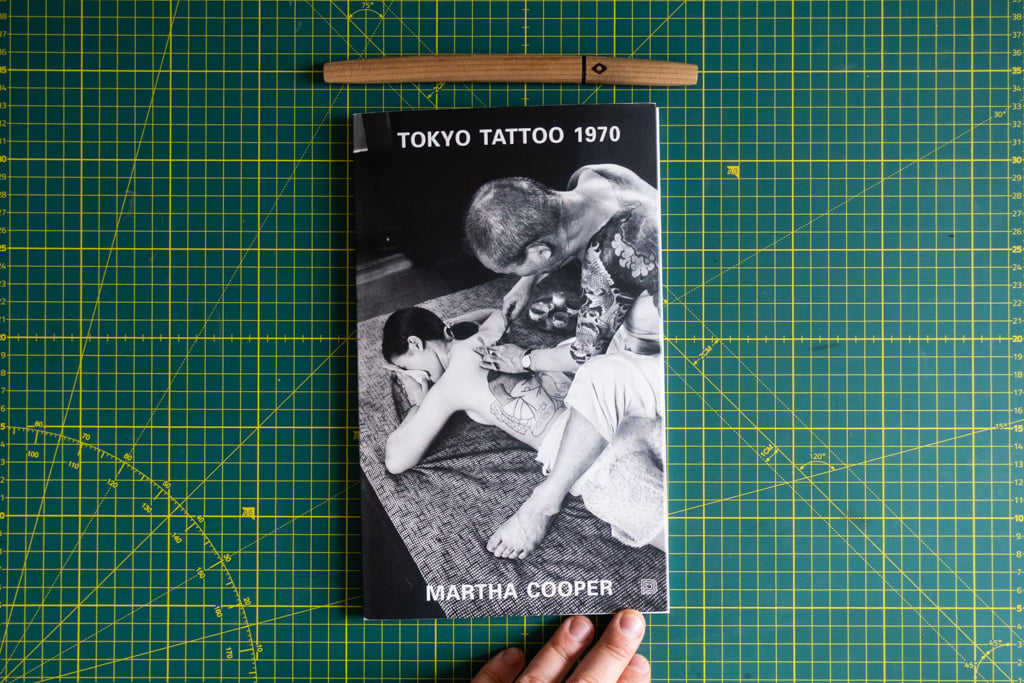
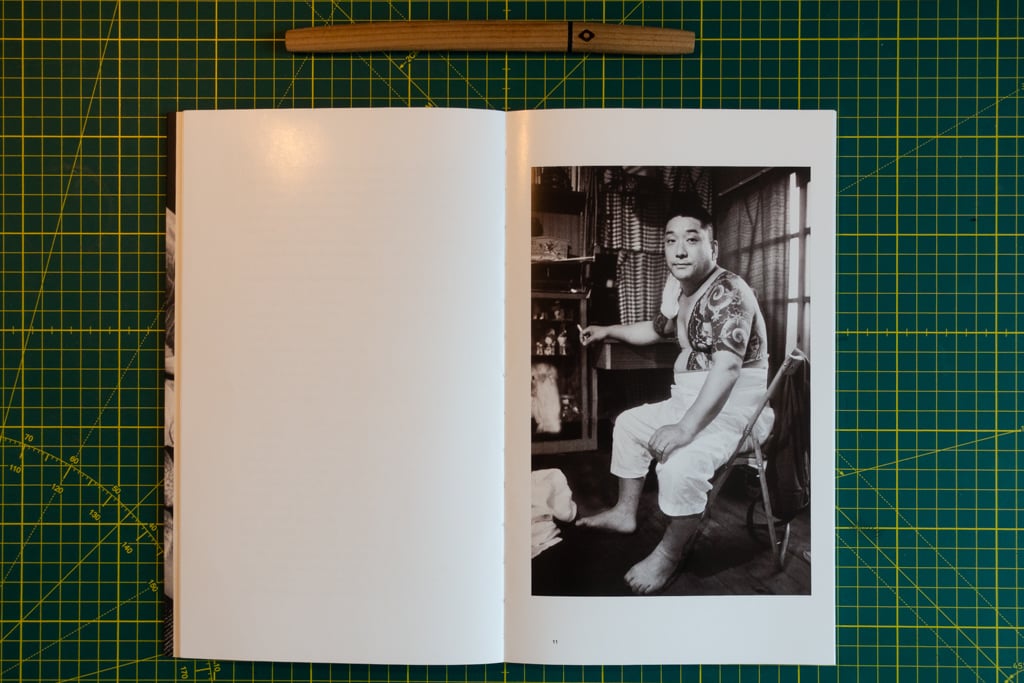
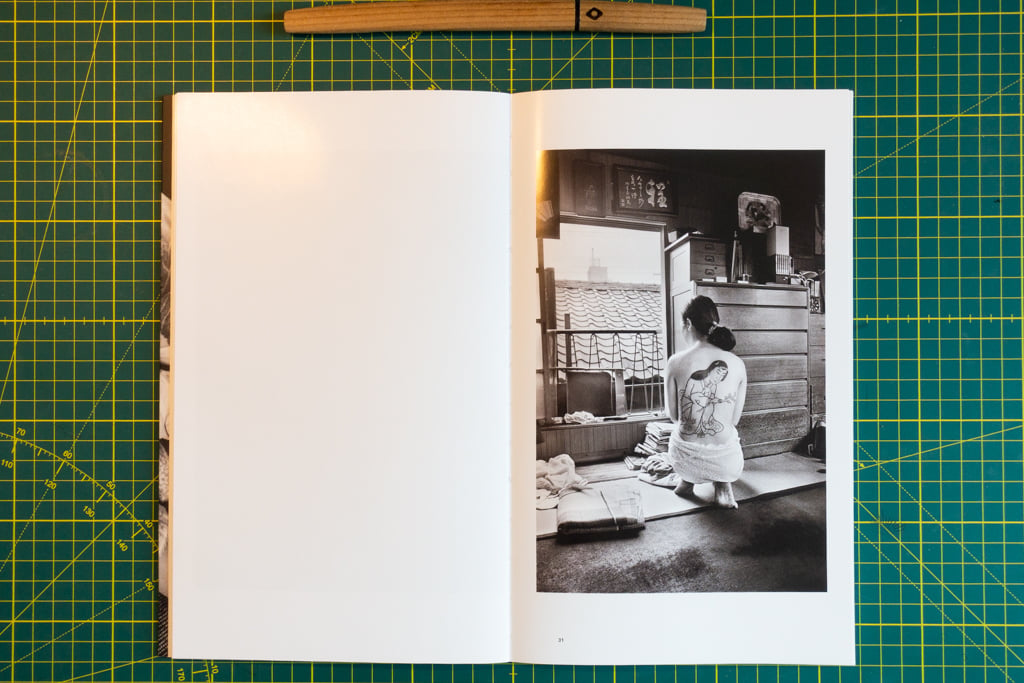
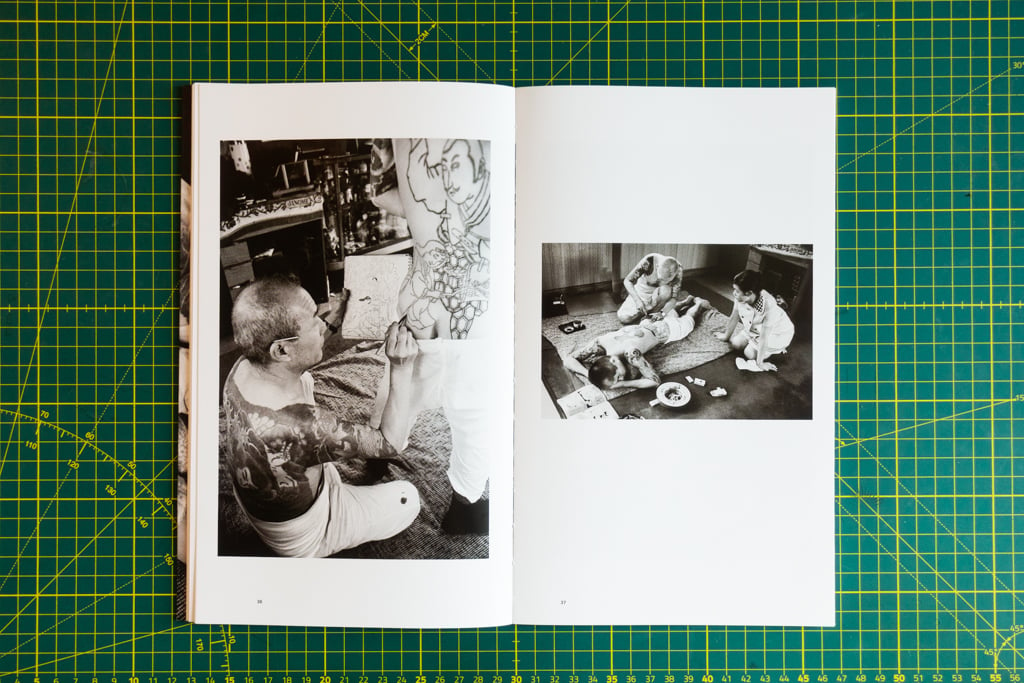
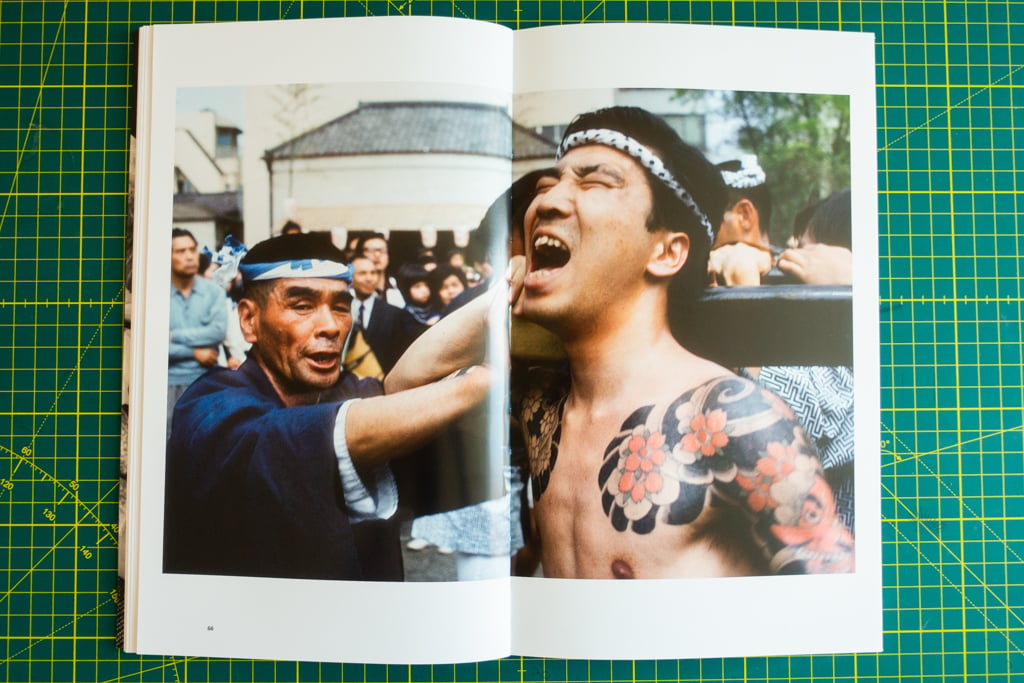
In a somewhat recent interview I saw Martha Cooper wholeheartedly expressing her feelings that she’s not just the Graffiti photographer. If, like me, you watched the Everybody Street documentary, you’ll understand exactly what she means. What truly surprised me, however, was learning about her work within the Japanese tattooing subculture.
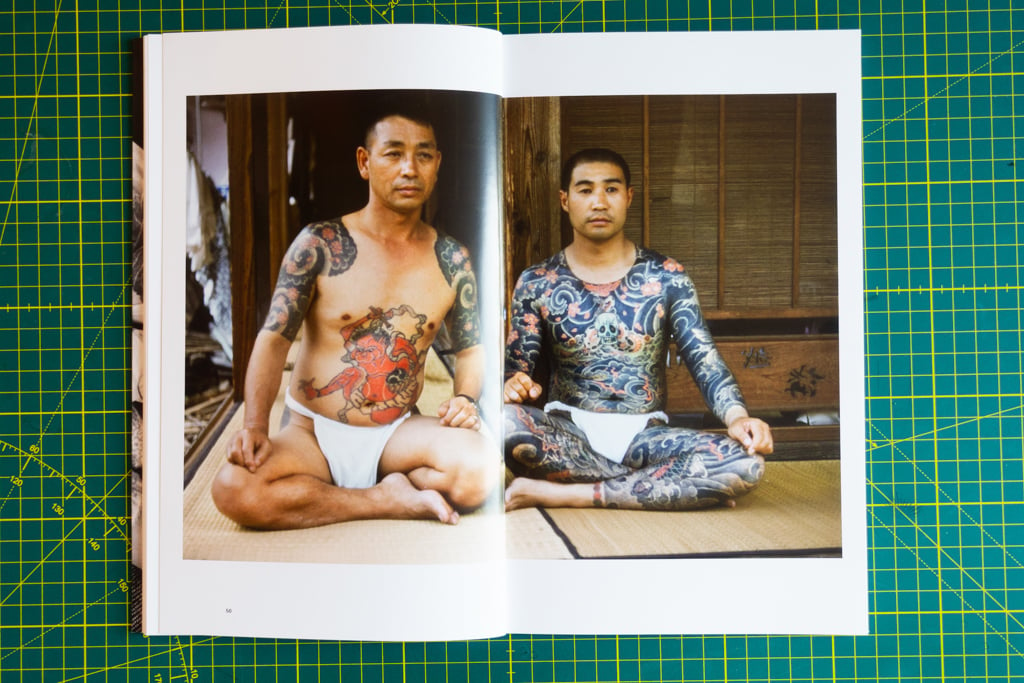
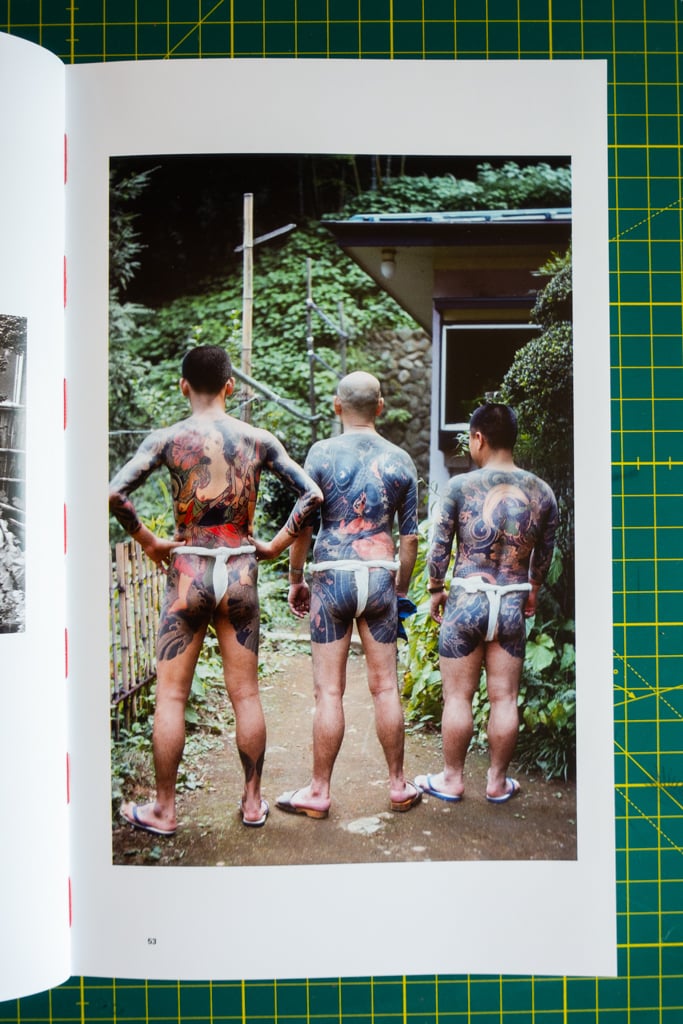
Like many of us on this side of the world, I had always romanticized Japanese tattoos as something edgy and gangster-like. But this book taught me otherwise, and for that reason alone, I’m glad I purchased it.
The book has an unusual ratio, evoking a sense of Japanese design. Unfortunately the connections end there. It lacks the meticulous craftsmanship that we’ve come to associate with publications from the Far East.
I approached this book with high expectations, given Marta Cooper’s renowned work, but unfortunately, the execution fell short of what I had hoped for. At €25, I wasn’t expecting perfection, but I had hoped for a more thoughtful execution.
The cover features an intriguing foreign element compared to the catalog photo. That thing alone already feels so distracting and out of place, that I thought I had a fake copy. This is also motivated by the price, because original copies would definitely not be sold for 25 euros. At the time, I thought I landed a steal! The element turns out to be the logo of Document Press, the publisher responsible for this reprint.
Flipping to the back cover reveals text that appears somewhat haphazardly placed. A pattern that persists throughout the whole book. The exterior paper feels cheap and rough, though I must admit I find a certain tactile appeal to that.
My copy, like at least one other from Amazon, had the spine glue come undone, separating the cover from the pages and exposing the spine.
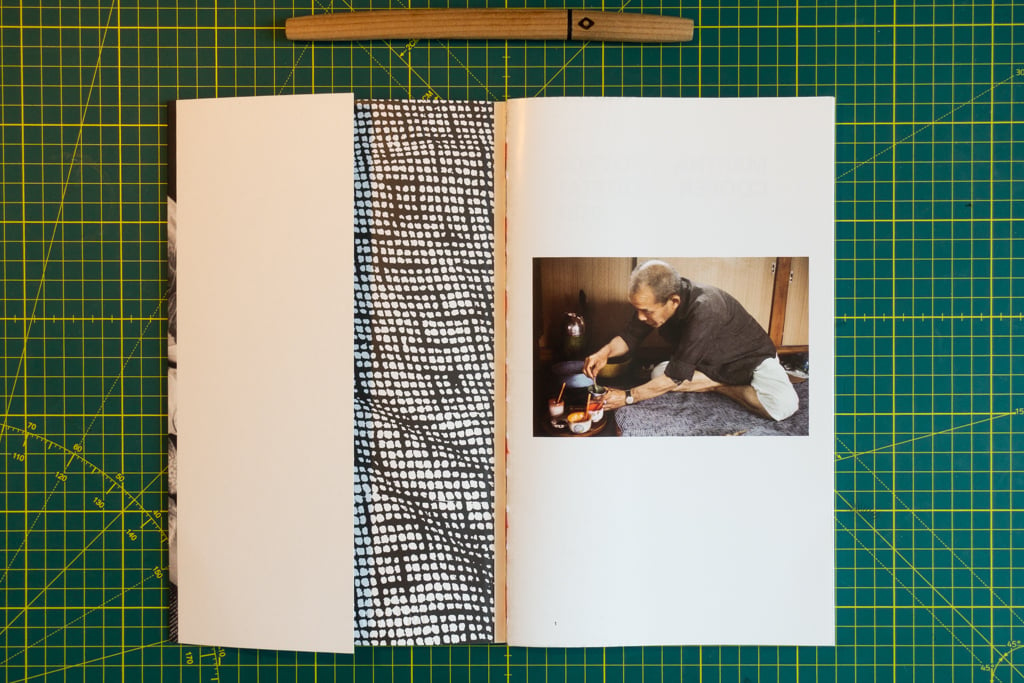
Another gripe is the the photo paper being very shiny and thin, and it even seems to have picked up some of the cover's noise pattern. Materials and design are not the forté of this book, and unfortunately there’s more to point out.
As you dive into the foreword, it becomes apparent that little thought was given to the presentation of the text. Margins are inconsistent, densely packed on one page and appropriately spaced on the next. Some pages are slightly better, but the inconsistency is a big trigger for someone that appreciates design and well presented text. (I will spare you with images of such text)
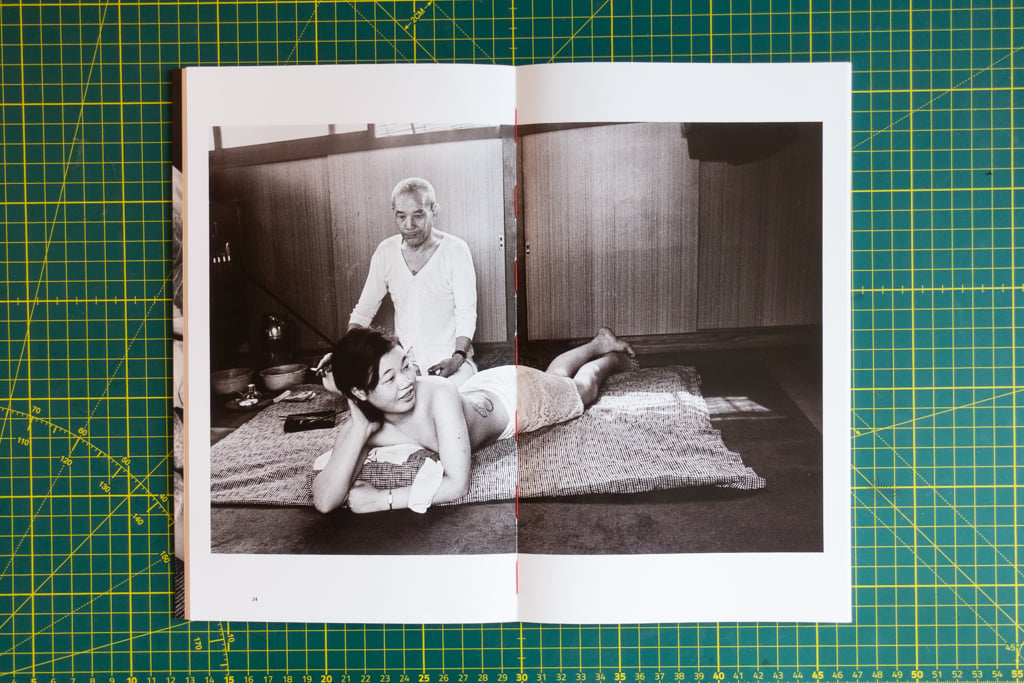
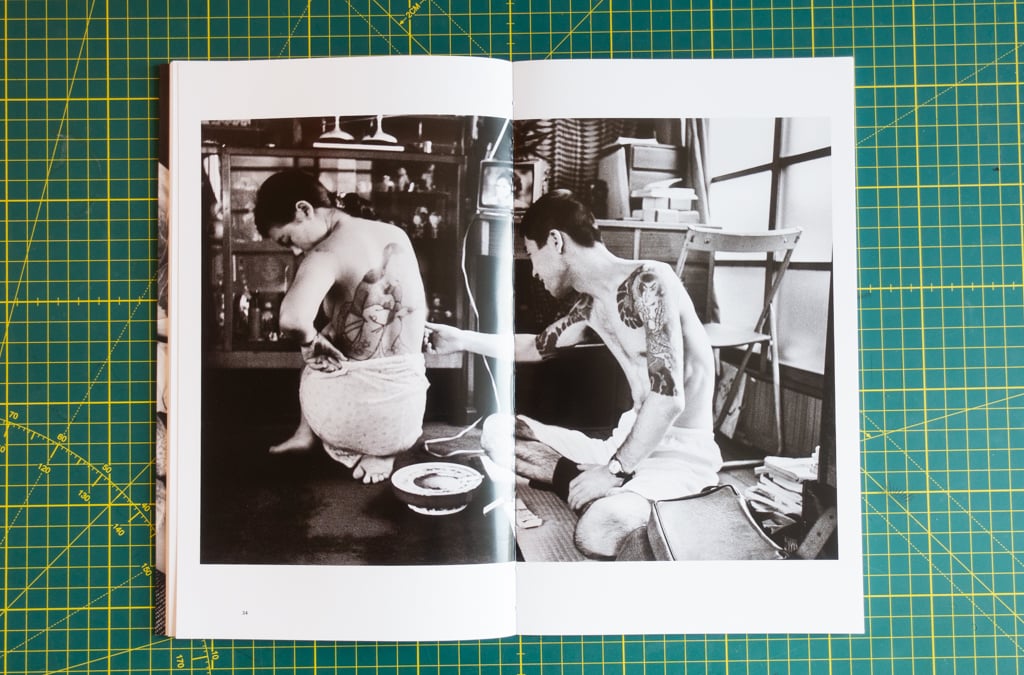
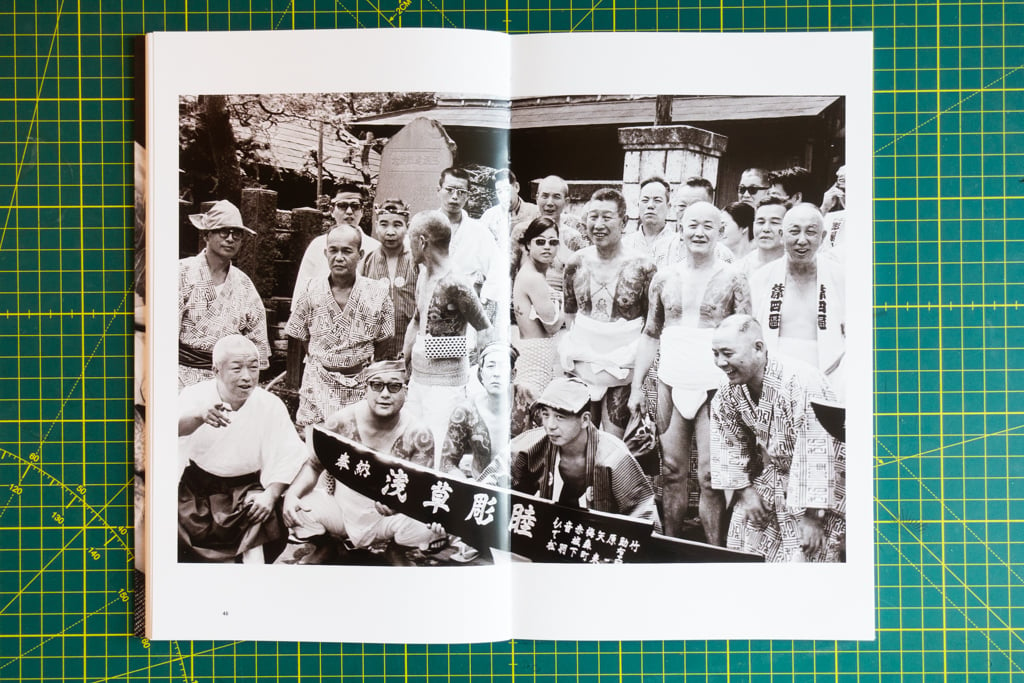
The photographs by Marta Cooper themselves are strong, no question there. But the book's physical production doesn't do them justice. Another mistake often seen is the poor folding revealing in the current page part of an adjacent image along the gutter, and some photos are noticeably misaligned. In one case, the red stitching cuts through a full-spread black and white photo, an unfortunate design choice that breaks the image in a distracting way.
In the end, it's a shame. The content deserves better. This book feels like a missed opportunity, a strong body of work let down by careless production.
When you abstract yourself from the presentation and focus solely on the story and the images, the autobiographical texts and accompanying photos create a compelling visual narrative. They vividly depict the journey of this curious American woman who suddenly finds herself immersed in a peculiar underground aspects of Japanese culture.
After all that negativity, it’s time to dive into a few passages from the book itself that shed a new light into what this tattoo culture is actually about.
“Mr Watanabe assured me of this when I first met him. Tattooing in Japan, he told me, has always been a working class art.
The laborers who used to work clad only in loin cloths had ample opportunity to display their upper bodies so they began the practice of ornamenting their own bodies during a time when they were, by law, forbidden as a class to earn valuable objects of art.”
“Tattooing properly is a difficult skill, and therefore to get tattooed has always been expensive. And bad tattoo artist could kill you by pricking your skin too deeply with poisonous inks. A laborer who has a full upper body tattoo has had to earn a lot of money to pay for it.
Thus, the most beautiful and extensive tattoos are symbols of wealth and Prestige. “Of course.” Mr Watanabe added with a smile, “the workers had to work so hard to earn the money to be tattooed that they developed big muscles on which the tattoos could be perfectly displayed. It was a good incentive to work hard.”
Despite the book's engaging autobiographical language, the text unfortunately repeats itself in different chapters and you start to ask yourself - Why am I reading about this again?
There was certainly potential for a more polished presentation.
As we learn in the book, Martha’s work on this subject had to be cut short, yet another unfortunate aspect that leaves us needing for more. Nevertheless, the book remains a beautiful and humble record, reflecting the down-to-earth nature evident in Martha’s descriptions of her journeys to find the people who ultimately led her to the inked bodies of the workers, but as she admits too, a possible gangster or two.
This work is a perfect example of Susan Meiselas’s quote - “Photography is an excuse to be where you don’t belong”.
Following the forward the book begins the tale of Martha's catching a glimpse of a fully tattooed man during a festival, and that fleeting moment sparked her curiosity. Driven by this intrigue, she embarked on an adventure to uncover and slowly find the access to this hidden subculture.
Her time in Tokyo was cut short, as was the project, but she managed to revisit the same festival. After a spell of rain, she captured the image of a tattooed man carrying a large shrine, just as she had seen the year before. It is with this suffering photograph that the book fittingly ends.
Inspiration
I heard this quote in a reel that resonated deep within me, like I would be on mushrooms.
“Normalize not monetizing your hobbies.”
Social media age has definitely made us all a brand and this newsletter was a step away from that. Even the choice of platform for was a conscious decision to stay away from the monetizing newsletter platform substack. But I didn’t start this journey without some capital sins.
Like many other creators, I started with a Ko-fi and even a Patreon, hoping to build momentum and secure a larger artistic budget for my practice. However, neither platform gained traction, nor did they feel like a natural part of my creative flow. I always felt a bit out of place using them for various reasons. Ultimately, I realized that my audience isn’t there. The people who appreciate my work are here. Primarily as friends and not as patrons. I have always come to appreciate the people that reach out organically for a print or a job/commission and I am sure they will keep coming in.
With that in mind I am going to stop trying to monetize this hobby on mind and keep focus on the fun and creative realization of it.
The 90% of photography
This month a post in the graphic design reddit board made it to r/popular board and I found it hilarious for the simple ironic truth it held for me.
As I’ve often mentioned in this newsletter or to my friends (thanks for listening friends!!!), I struggle with finding the time to edit my work. This month, I came across the concept that every hobby has a "90% rule." The post begins with the fact that:
woodworking is actually 90% sanding.
It follows with other examples include sewing (90% ironing), baking (90% measuring), and fermentation (90% waiting). For me, that 90% feels like editing. While it’s also the secret sauce of any accomplished photographer, carefully curating what you share, the demands of a 9-to-5 job and living alone make this a constant challenge for me. I wish I had a solution for it, but I can't escape this funny fatalism that for me photography is 90% editing.
The post continues with hilarious comments of other practices, so I would be curious to hear. What’s your 90%?!
Truth of my chest for the Outro
I was already familiar with the old tale of an artist's struggle to survive, but after visiting several shops to ask if they would sell our zine, I understood it even better. Everyone wants a piece of the pie, and you quickly realize you have to account for every small detail and every little demand. Because, ultimately, everyone is looking for a profit. This makes it incredibly challenging to maintain a small-scale project with a humble presence in the city that it belongs to. In this particular case, I am talking about Summer in the City.
This is my first time having my work in shops. I thought Etsy took a "fair” cut, but physical shops take it to another level, and as far as I have heard, galleries are even worse.
While we left our zine in few shops, the final straw was a gentleman who had the audacity to ask for 50% of the sale value. It's astonishing to think that someone sitting in a chair in a shop would claim half of the final value of an object that required so much effort to create. On top of it being a very very messy shop. While that's actually part of it's charm, it's also a high risk of never having our work sold, and we only see the money if it gets sold. So on this one we gave a pass, not to raise the street value of our zine and not to compromise ourselves and our value.
For us and other fellow artists, if you want something, reach out to us directly! ✌️
That’s it for this month.
If would like to support me and my work, you can do so via paypal, or by purchasing a print from my Etsy store.
Copyright (C) 2025 Nuno Cruz. All rights reserved.


Add a comment: