PMing with Claude Code: Chapter 4 - Second Brain
Claude Code could reach everything but remembered nothing. Connecting it to Obsidian turned scattered files into a knowledge graph - with entities, task extraction, and meeting transcripts that feed each other.
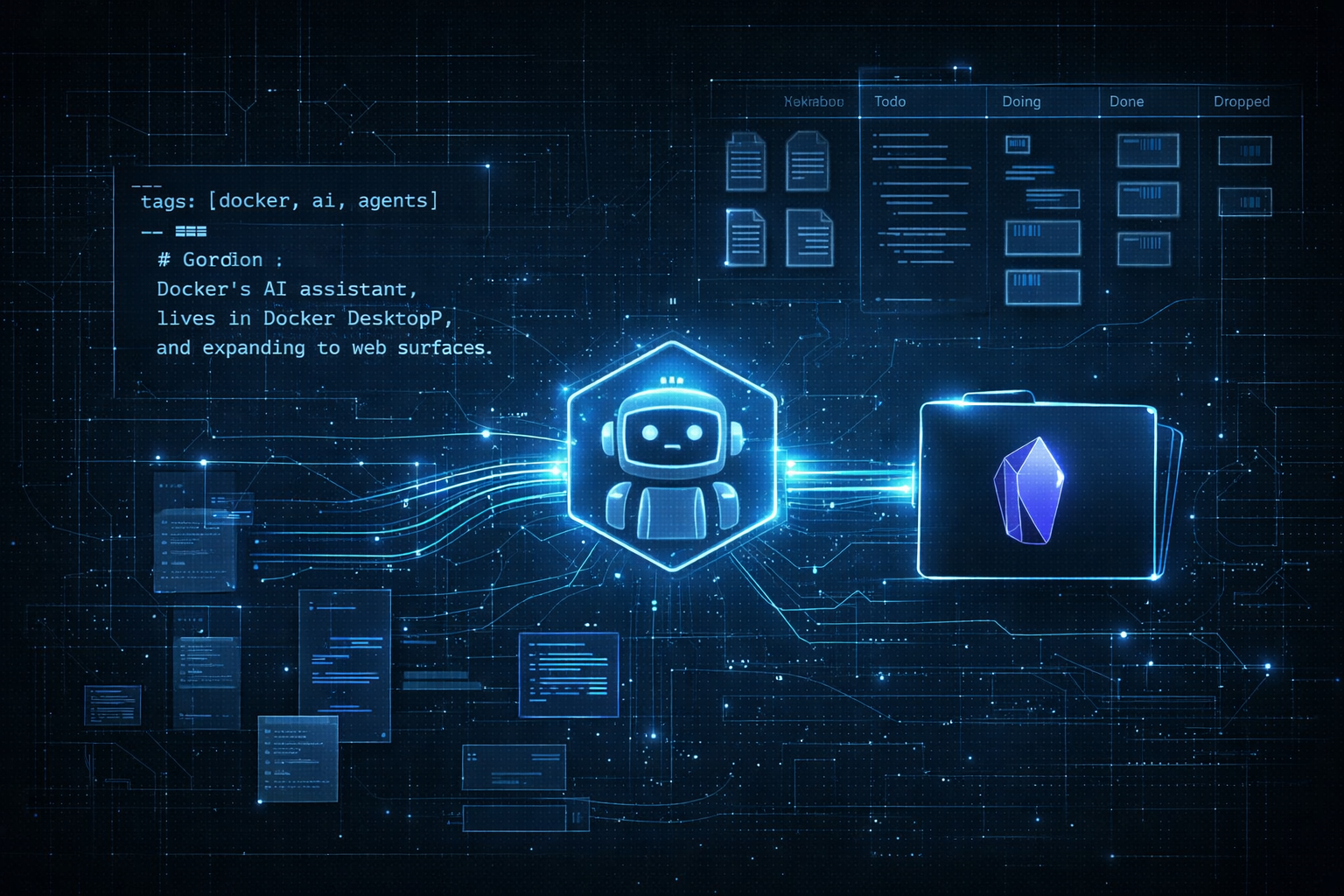
At the end of chapter three, I called the setup "god mode." Claude Code could reach into GitHub, Notion, Snowflake, Google Workspace, and Slack - all from one terminal. Five integrations, five data sources, answers in seconds instead of hours. Access to everything. But every conversation started from zero. The insights Claude surfaced in one session didn't carry into the next. The connections it made between a Slack thread and a pricing doc vanished when the conversation ended. I could ask Claude to find anything, but it couldn't remember what it had already found. The gap wasn't more tools. It was making knowledge accumulate - building a layer where every new piece of information connects to everything that came before it. That's what this chapter is about. Not another integration. A second brain. Why Obsidian Obsidian is a note-taking app built on plain markdown files. No proprietary format, no cloud database, no vendor lock-in. Your vault is just a folder on disk - open it in any text editor and everything is right there. What makes it interesting for this use case is the combination of features that sit on top of those files. Wikilinks ([[like this]]) let you connect any note to any other note with zero friction. A graph view visualizes those connections. YAML frontmatter gives you structured metadata on every note. A plugin ecosystem adds everything from kanban boards to database views. And with iCloud sync, the whole vault is available on your phone. Critically: there's no API to configure. No OAuth dance, no MCP server, no auth tokens. It's a folder of markdown files on your local filesystem. Claude Code already has filesystem access. That's the whole integration.


Add a comment: