

méiyǒu shēngyīn (没有声音) - No voice
sǐjìng (死静) - Dead silence
wúguāng zhī dì (无光之地) - A land without light
quánmiàn shānchú (全面删除) - Total deletion [of ideas]
chīrén de guójiā (吃人的国家) - A nation that devours its people
—
It may seem extreme. Not according to the people of China.
We reviewed Chinese propaganda, policies and decades of interviews with Chinese residents of all ages. From this wealth of information, we carved out a five-word description of China that best represents what some people on the inside truly feel.
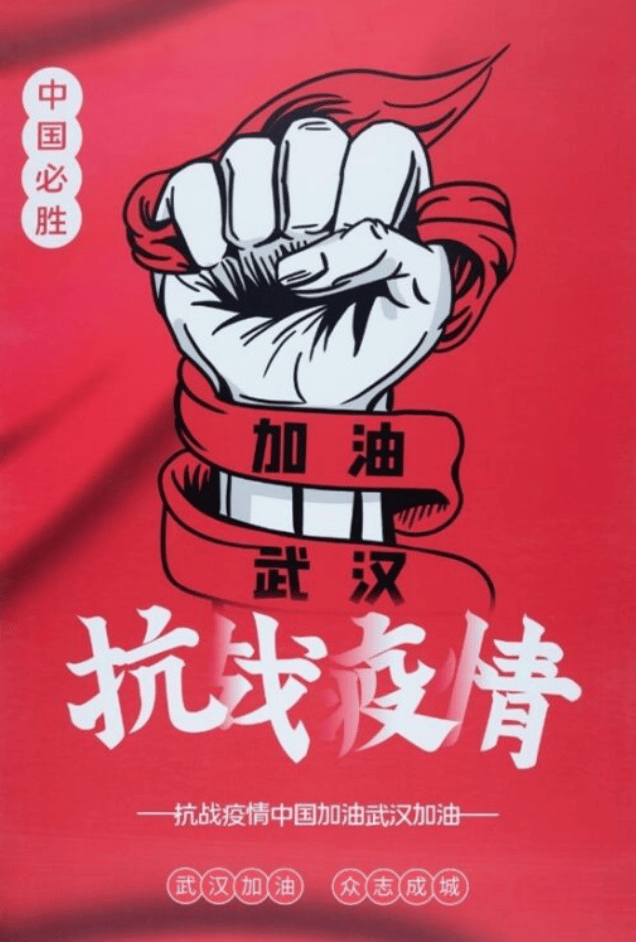
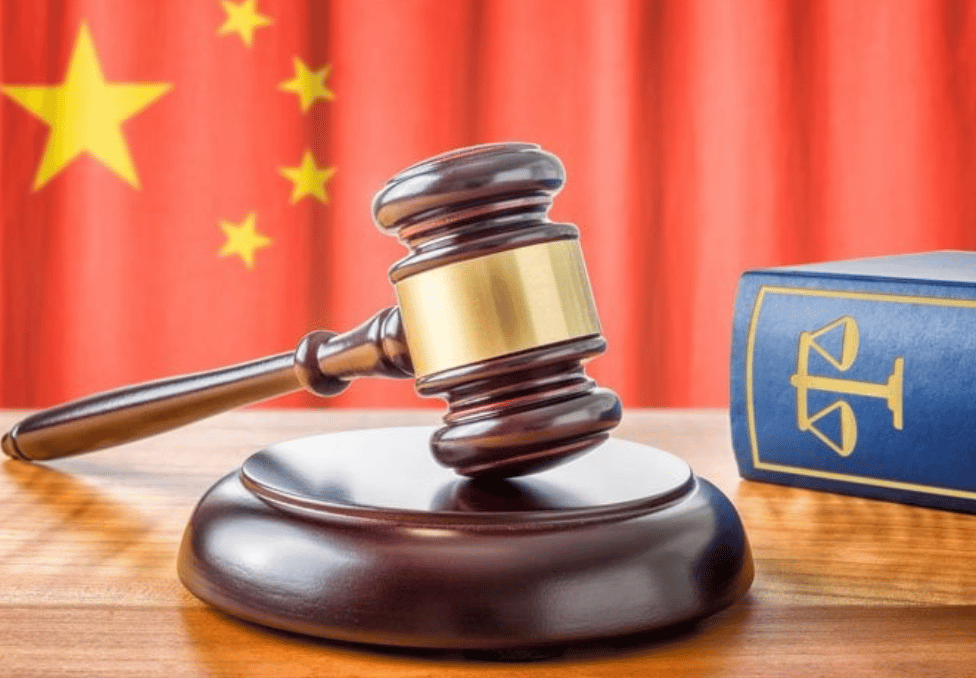
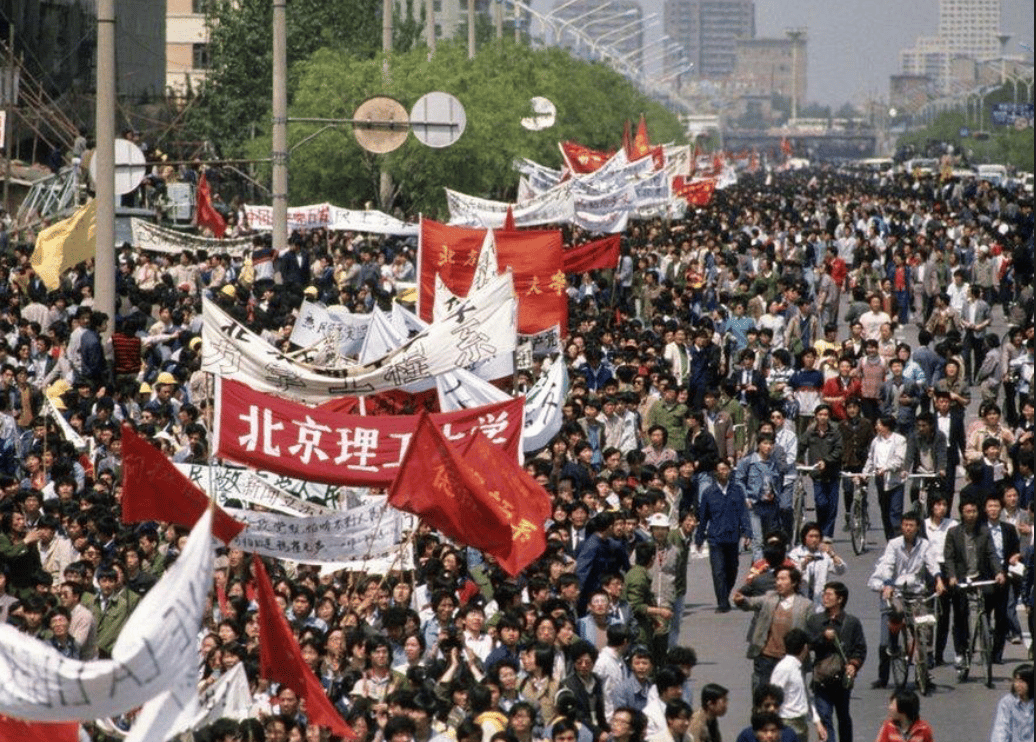
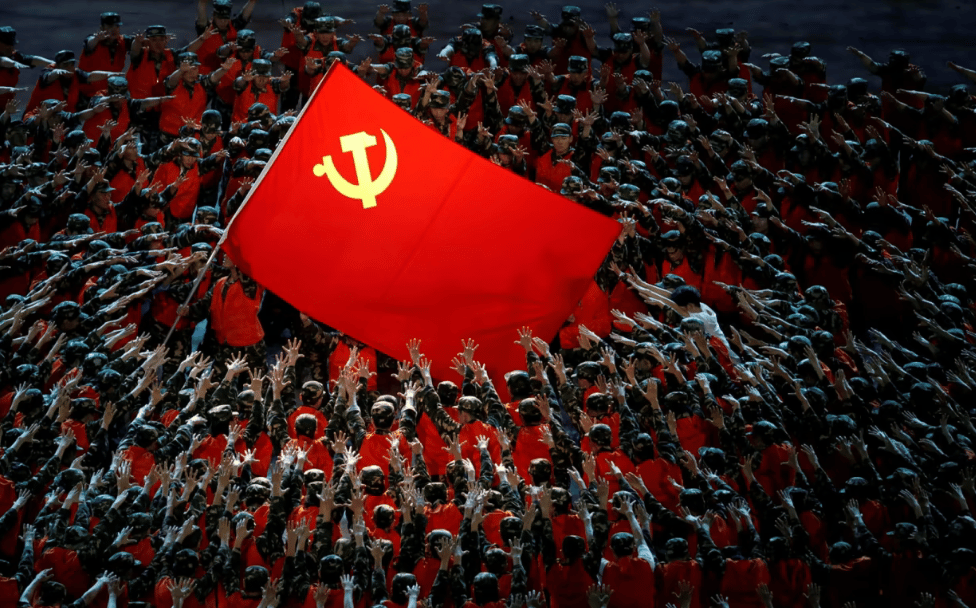
DYSTOPIA /disˈtōpēə/ an imagined state or society in which there is great suffering or injustice, typically one that is totalitarian or post-apocalyptic.
This article will extend on these phrases - reinforcing them, opposing them and revealing the truth behind wúguāng zhī dì (无光之地) - a land without light.
Welcome to xǐnǎo - Dystopia, In Mandarin.
PART I: The Social Credit Score
社会信用评分 Shèhuì xìnyòng píngfēn
6 AM It’s morning in Beijing. A billion faces glide beneath cameras that never blink. A digital score quietly adjusts—based not on achievement or morality, but on obedience.
8 AM In Chongqing, a man records his meal, careful to avoid political implications - food is safe, ideas are not.
3 PM In the eerie silence of a diner in Guangzhou, three Chinese men converse - each aware that one thoughtless word could ruin their social score.
6 PM On a crowded bus in Chengdu, passengers browse news outlets - knowing that half the content is missing.
12 AM At a traffic light in Xi’an, pedestrians stand still - not from caution, but because they know the cameras will catch even the stealthiest jaywalk
The common ground for all of these real-life experiences? Every single one is tracked, managed, restricted and controlled by the Chinese Communist Party’s (CCP) most prized creation - the Social Credit System.
The Social Credit System is a government-designed framework designed to identify and evaluate the trustworthiness, reliability and social behaviour for select citizens and institutions. Using local camera systems, AI-powered facial recognition tools and blacklisting/redlisting, the system punishes disobedience and rewards compliance.
Jaywalk and get caught? Your Social Credit Score (SCS) shoots down.

Spread anti-CCP rumours? Your SCS will suffer.
Share non-CCP approved ideas online? Your SCS could literally go into minus numbers.

HOWEVER, it’s important to note that the Social Credit System is, by no means, a one-sided debate. Furthermore, unlike the claims many Western news outlets have made, this system does not automatically apply to everybody in the entire nation of China.
Instead, you will either be - in some provinces - automatically enrolled into the system (like in Rongcheng, Suzhou, and Shanghai) OR you’ll have to be blacklisted into it. If somebody fails to comply with legal orders / repay debt / has committed a felony, they will likely be added to the system as a part of a court’s ruling. Repeated infractions like jaywalking, traffic violations and other minor civil offences can also result in addition to the system.
Another common misconception about the SCS is that it is a purely negative way of inflicting fear into its members. Whilst for the most part this is true, there are some things that can even reward you for good deeds. For example, volunteering, donating blood, assisting in emergency disasters and supporting the local economy can help increase your score. Rewards for these actions include a public commendation, priority for loans, and even small tax breaks.

Backers of the CCP’s system argue that it promotes civic engagement that would otherwise not exist, reduces corruption nationwide, improves law enforcement, reduces crime and streamlines public trust, showing who is worthy of receiving loans and who needs to be punished.
Does the Social Credit Score single-handedly make China a dystopian society? Personally, I believe so (tracking everything is, in my opinion, worthy of being labelled a dystopian practice) - and if you think otherwise, perhaps PART II will change your mind.
PART II: The Great Firewall
伟大的防火墙 Wěidà de fánghuǒqiáng

ENTER: The Great Firewall
The censorship masterpiece that was carefully refined and perfected over decades by the Chinese Communist Party. Arguably the most extreme and complex censorship system in the world, the Firewall will censor anything even related to anti-CCP concepts or ideas.
Facebook? Nope.
Twitter? No way.
Instagram? Get lost.
Youtube? Absolutely not.
Google? No way. Ever ever ever.
That is over 1 billion people, each subject to this horrifically evil internet censorship every single day. There are an estimated ≈50,000 Internet Police Officers, each tasked with monitoring and enforcing online censorship within China. An entire wealth of rich opinions, ideas and interesting content, blocked and deleted.
OVER 1 BILLION PEOPLE, each subject to this horrifically evil internet censorship every single day.
Unfortunately, a very real statistic - you can thank the Great Firewall for this.
We had to truly scrutinise the internet for anybody defending the system, and finally we found a few weak points. Backers of the Firewall initiative argue that it’s not a censorship device, but rather a protective component in China’s security to ensure citizens aren’t exposed to harmful content.
The Chinese Communist Party has weaponized the Great Firewall not only to suppress dissent but to reap strategic benefits. Officials declare its “success,” pointing to increased domestic revenues, enhanced surveillance capabilities, and more sophisticated DNS poisoning techniques—tools that now block access to banned sites with chilling precision.
The Great Firewall does more than block content—it reshapes the digital landscape, editing not just access, but perception itself. Each restricted site becomes another brick in a carefully written narrative, where the echoes that remain are measured and refined. Behind these barriers, the internet speaks with one voice—a voice calibrated for control.
And finally, we have:
PART III: Even The Kids Aren’t Safe
甚至孩子们也不安全 Shènzhì háizǐmen yě bù ānquán
They came to study, but found themselves studied. For thousands of Chinese students abroad, the promise of academic freedom is shadowed by a quiet war of surveillance. Their every word, post, and protest may be tracked—not just by algorithms, but by a government that reaches across borders to silence dissent.
“Our research revealed a never-ending list of evil ways the CCP government exploits, coerces and effectively blackmails its almost 50 million students studying nationally.”
- Ahrin Jain from NTS NEWS
Founder, CEO & Head Journalist
Our research revealed a never-ending list of evil ways the CCP government exploits, coerces and effectively blackmails its almost 50 million students studying nationally. So instead of condensing these manipulation and silencing techniques into one paragraph, we created a list to show these tactics in the purest, rawest form.
1. Using Spyware is The LAW.
At a growing number of schools across China, students are barred by law from using any communication apps except state-approved platforms like WeChat. These apps, widely reported to contain surveillance mechanisms, monitor so-called “private” messages in real time—leaving students with only one heavily regulated channel to reach their families.
2. Fear of Their Own PEERS.
In the shadow of surveillance at all times, many Chinese students learn from an early age that silence is safer than sincerity. Under this silent yet backbreaking weight of authoritative scrutiny, I see thousands of Chinese students behave not unlike shadows - present, but unseen. Whilst students obviously have friends, almost none of them can afford to be completely open with their ideas and opinions under the threat of being reported to Chinese authorities.
3. Research? Only if the CCP BENEFITS.
Faced with the looming threat of arrest, detention, or financial penalties for “Academic Insubordination” - a term often weaponized against those who critique the Chinese Communist Party—students in China have learned to silence themselves. Each month, tens of thousands of thoughtful, well-researched papers are quietly deleted, never to see the light of day. The intellectual cost is staggering—a quiet erasure of curiosity, dissent, and the very spirit of scholarship.
4. The Hardest Exam to EVER EXIST.
Almost 100% of people find getting into top-tier Ivy League American Universities, like Harvard, Yale and Stanford an incredibly difficult, bordering impossible task.
I wish I could tell each and every one of those people - however right they may be - about the system in China called the “Gaokao.”
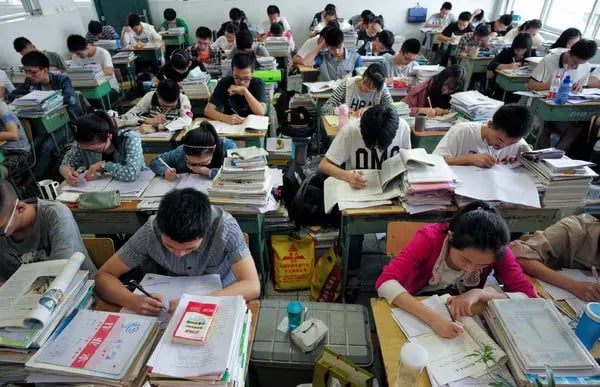
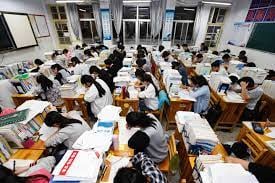
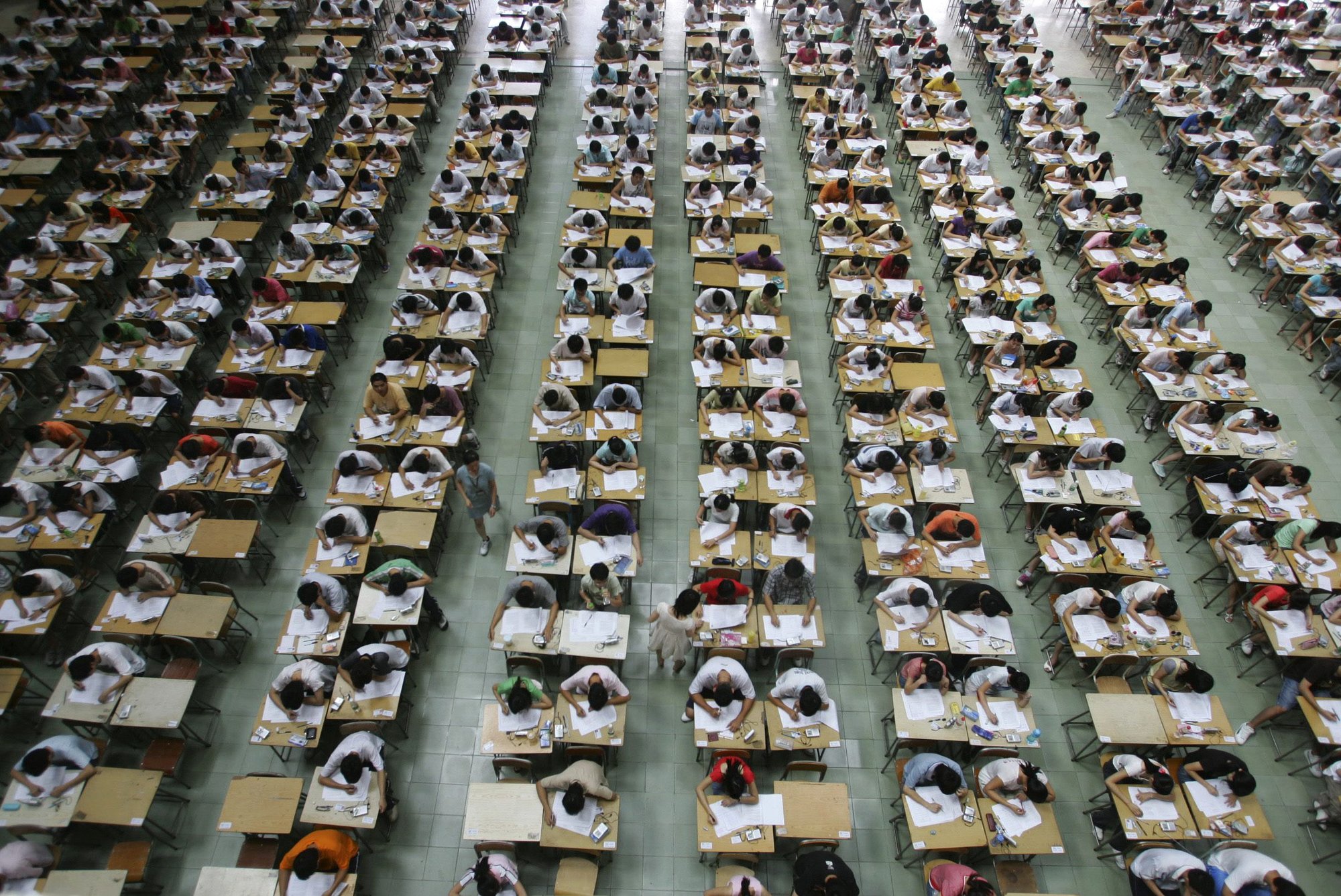
Every June, a 2-3 day exam called the Gaokao has millions (an astounding 13.47 million registered in 2024) of students trembling with fear and anxiety. More than half, if not three quarters, of these students have been quietly preparing for this gruelling exam for the entirety of their lives. This singular exam, where anything could go wrong and you’d get nothing, is the singular gateway to higher education.

The Gaokao contributes significantly to the atmosphere of control and conformity often associated with modern China. As students’ only ticket to a prestigious Chinese university, it demands years of preparation, beginning from a young age and intensifying during high school. Students often sacrifice sleep (some even describe 14-hour study days, back-to-back), leisure, and personal interests, focusing solely on academic achievement. During exam season, entire cities adjust—construction halts, traffic quiets, and air travel is rerouted—all to preserve silence for test-takers, further emphasising the exam’s national importance. Families relocate to improve scoring prospects, and schools prioritise test readiness above creativity or individual growth. This intense focus on standardised performance, with little room for deviation, fosters a climate that echoes dystopian themes: where success is narrowly defined, individuality is suppressed, and one’s future hinges on a rigid and unforgiving system.
Is China building the future—or burying it beneath silence and control?
I have my opinion already laid out…now it’s time to make yours.
Thank you for reading - make sure to comment and UPGRADE TO PAID if you haven’t already. Thank you for supporting a small, employee-owned journalism business - with your help and support, you have made access to our writing continue to be available.
IMAGE SOURCES: NTS NEWS Studios Inc, Shutterstock, Getty Images, Global Edit, The New York Times, The New Yorker, The Tutor
RESEARCH SOURCES: Business Insider, BBC, ABC News, NBC News, Global Asia, The Tutor, Global Edit, The Ohio State University, Le Monde, Taylor & Francis Online, The Human Rights Watch, The Atlantic, Quartz Journalism, NYT Opinion, Columbia State University Seminars, CNN, Newsweek, U.S Department of State, Wikipedia, South China Morning Post, United States Trade Representative, Foreign Affairs &
You just read issue #174 of NTS NEWS. You can also browse the full archives of this newsletter.

Add a comment: