This month’s dispatch brings you three major public-record investigations alongside the features, recipes, and seasonal guides from our latest monthly print issue.
🗞️ In the Archive: Public Records & Local Governance
A tri-county breakdown of how town boards and county committees are navigating route expansions, ordinance enforcement, and local infrastructure impacts.
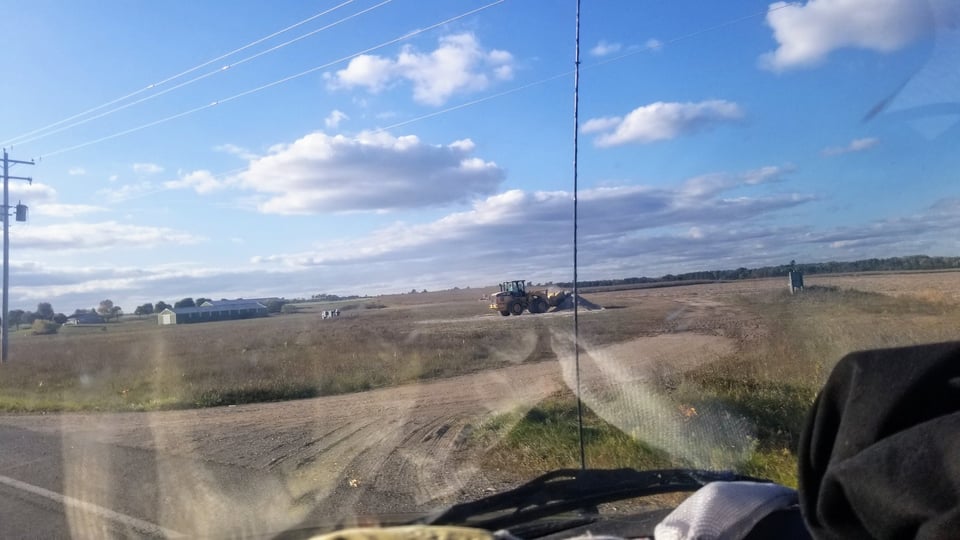
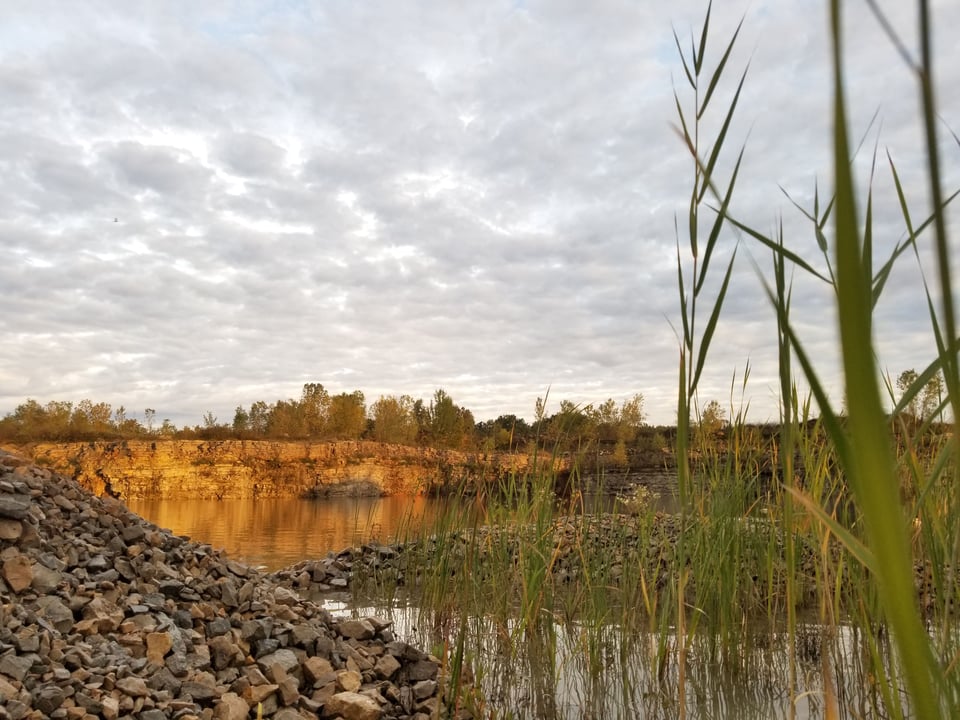
An inside look at the Skanawan gravel pit dispute, detailing how Wisconsin’s Act 67 constrains conditional use permit authority and restricts town-level control.
When state lawmakers passed 2023 Wisconsin Act 12 banning local advisory referendums, they stripped Northern Wisconsin of a tool for gauging community consensus on off-road vehicle routes. Previously, local boards relied on non-binding ballot votes to guide major road decisions, such as when Manitowish Waters voters rejected opening town roads by a 369 to 176 vote in 2020.
Opening paved public roads to off-road vehicles brings tourism dollars and connected trail networks, but it also introduces noise, safety concerns, and neighborhood friction.
Vilas, Oneida, and Lincoln counties have chosen three different ways to manage the use of off road vehicles.
When the Lincoln County Land Services Committee approved Conditional Use Permit CUP-96-1075 in mid-2023, they gave Milestone Materials the green light to operate an 80-acre sand and gravel pit off County Road S. That vote triggered a multi-year legal fight in the Town of Skanawan.
The decision gave the 36-square-mile rural township its third active heavy extraction site. More importantly, it exposed the legal reality small towns face across Oneida, Vilas, and Lincoln counties under Wisconsin's modern zoning laws.
What started as an advisory vote against the pit by the Skanawan Town Board escalated quickly. It moved from administrative appeals to a circuit court lawsuit (Case No. 23CV146), culminating in a court-ordered hearing before the Lincoln County Board of Adjustment in December 2024.
On June 30, 2026, Wisconsin's biggest conservation fund expired. This fund, called the Warren Knowles-Gaylord Nelson Stewardship Program, provided matching money for local trail, park, and land projects in Oneida, Vilas, and Lincoln counties.
In November 2025, lawmakers were looking at a compromise bill to keep the stewardship program running for ten more years. The bill had rules to increase control over state land purchases. It also set aside money for public trail systems and county park maintenance.
During a committee review of the bill, local Northwoods Representatives Rob Swearingen and Calvin Callahan both voted 'no.' This caused a 6-to-6 tie. This tie vote was a critical blow. Because the committee deadlocked, the bill lost its momentum and moved to the full Assembly without the committee's support or recommendation to pass it.
July brings the peak of the summer season to the Northwoods. While residents and property owners enjoy the lakes, town and county boards continue to make critical policy and financial decisions.
Below is our latest reporting on the events shaping our communities.
Presque Isle's $377,000 Tax Error and the Vilas County EMS Crisis: A detailed breakdown of the math behind a major tax calculation error, and how the resulting funding gap is placing immediate pressure on local emergency medical services. [Read the Full Article]
Tourism Taxes: How State Law Starves Northwoods Infrastructure: An analysis of how Wisconsin's shared revenue limits and tax allocation structures leave local property owners footing the bill for heavy seasonal traffic on municipal roads. [Read the Full Analysis]
Oneida County Zoning Changes: Ordinance 13-2025 and the Lark Road Impact: A close look at proposed zoning adjustments on Lark Road and what they reveal about changing shoreline development standards in our area. [Read the Zoning Breakdown]
Northwoods Tick Management: Best Practices and Data: A review of current tick data and evidence-based prevention strategies to protect your family this summer. [Access the full article]
As shrinking volunteer pools force communities to hire full-time paramedics, rigid state tax laws make paying for them, a legal mine field. The town of Presque Isle stepped on one of those mines.
The Legal Ceiling
Wisconsin caps municipal budgets using a strict rule under Wis. Stat. § 66.0602. The state blocks towns from freely raising property taxes, tying any budget increase directly to physical growth. A town can only raise its total tax collection by the exact percentage of new buildings constructed within its borders that year.
Northern Wisconsin relies on its tourism industry. Seasonal visitors and second-home owners bring in millions of dollars. This money supports local businesses and creates jobs. Yet, this influx of people comes at a cost to infrastructure. This article traces the history of Wisconsin Room taxes and how they apply to our communities.
The Oneida County Planning and Development Committee finalized draft language for Ordinance Amendment 13-2025 on April 29, 2026. The measure permanently extends standard county zoning permits from 24 to 36 months. It also arms the county with aggressive new enforcement tools. The policy shift stems directly from a contentious residential development at 8168 Lark Road in Lake Tomahawk.
The full Board of Supervisors have not yet cast a final vote. The next scheduled meeting is June 16, 2026, marking the earliest opportunity for a final vote. This gives residents a critical window to submit public comments before the rules become law.
The Lark Road Catalyst
Michael and Nicole Gerdin purchased a closed shoreline resort to build a massive residential lodge. Adjacent landowners objected immediately. Bruce Forsberg warned the town board that the proposed footprint would double county impervious surface limits and cause severe runoff. The proposed peak height reached 49 feet and six inches, exceeding the 35-foot county limit.
Ticks are a permanent hazard in Oneida, Vilas, and Lincoln counties. The Wisconsin Department of Health Services reports over 6,400 Lyme disease cases statewide annually. This three-county area consistently records incidence rates exceeding 300 cases per 100,000 people.
We believe that informed voters are the only defense against fiscal mismanagement and the erosion of local resources. If you are a paid subscriber, thank you for making this work possible.
Dear Reader,
June has officially arrived, bringing the true peak of warm days, long twilights that stretch past 9 p.m., and that unmistakable, vibrant energy across Oneida, Vilas, and Lincoln Counties. As our year-round population shifts and local infrastructure gears up for the busy summer swell, we’ve been hard at work capturing the stories, traditions, and accountability reporting that define our home.
The June Print Edition of The Northwoods Ledger is officially ready. Here is a look at what you’ll find inside the print pages, along with a digest of the major investigative and seasonal reporting available right now on our website.
We believe that informed voters are the only defense against fiscal mismanagement and the erosion of local resources. If you are a paid subscriber, thank you for making this work possible.
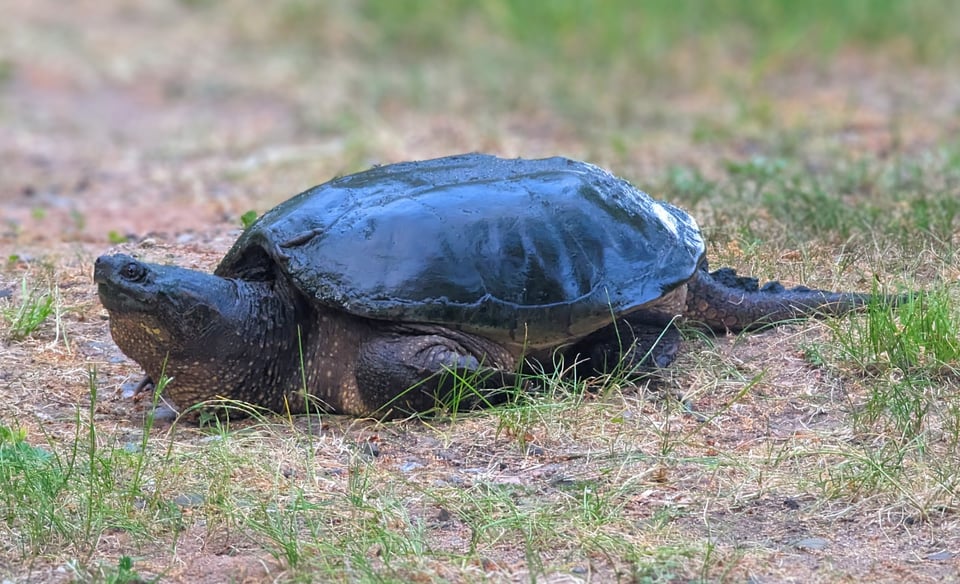
Along the gravel shoulders of our county highways and the sandy edges of properties across Oneida, Vilas, and Lincoln Counties, a perilous annual movement begins. The Northwoods turtles are marching inland.
Drivers navigating the back routes near regional wetlands this week will encounter them. Female Painted, Snapping, and Blanding's turtles leave the safety of the water. Their biological imperative demands they find the perfect upland soil to bury the next generation.
We believe that informed voters are the only defense against fiscal mismanagement and the erosion of local resources. If you are a paid subscriber, thank you for making this work possible.
We believe that informed voters are the only defense against fiscal mismanagement and the erosion of local resources. If you are a paid subscriber, thank you for making this work possible.
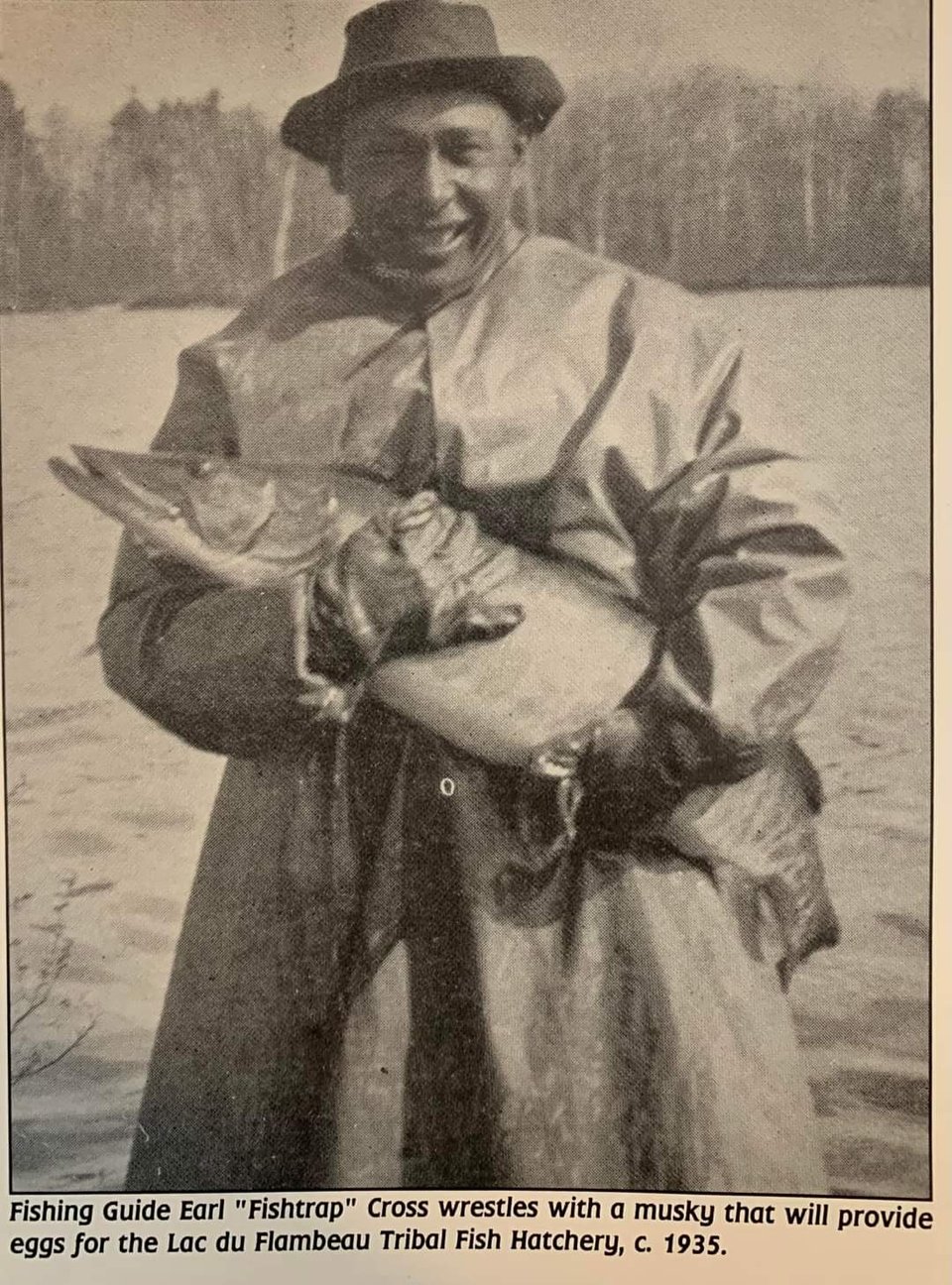
A massive deficit threatens the state fish and wildlife account. This shortfall has forced the DNR to propose a 70 percent cut to musky stocking and the closure of local hatcheries. While the agency announced these cuts, the power to prevent them rests in the hands of two men: Senator Howard Marklein and Representative Mark Born. As Co Chairs of the Joint Committee on Finance (JCF), they currently block the funds required to keep the biological supply chain of the Northwoods fishery alive.
Sportsmen instinctively blame the DNR. This reaction is the intended outcome of a strategy deployed by the MacIver Institute and JCF leadership. By transforming the agency into a villain, these gatekeepers ensure the structural forces actually starving the account remain invisible.
We believe that informed voters are the only defense against fiscal mismanagement and the erosion of local resources. If you are a paid subscriber, thank you for making this work possible.
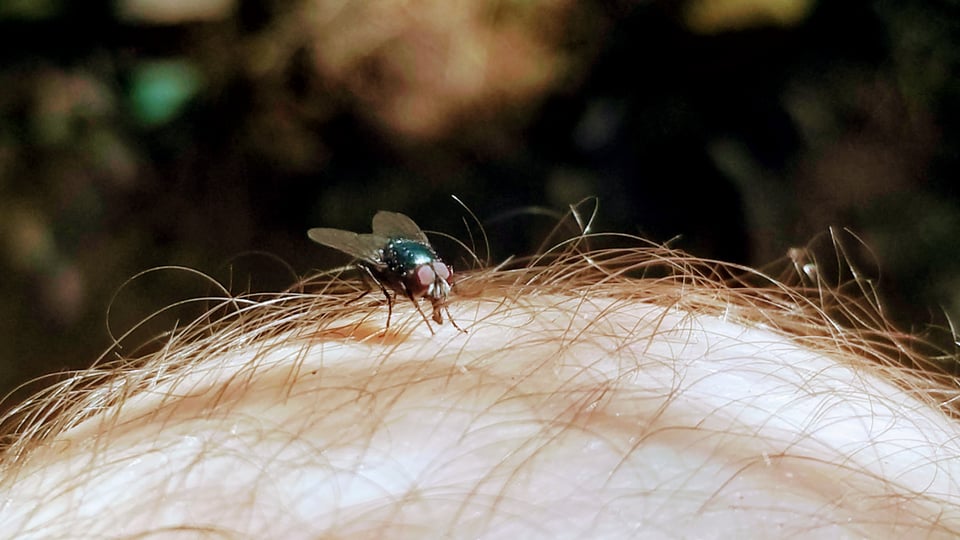
The transition from April to May in the Northwoods carries a distinct sound. The quiet woods suddenly hum with a high-pitched drone. This noise marks the arrival of the black fly. Residents often view these insects as a seasonal plague. However, their presence provides undeniable proof of a healthy watershed. Mosquitoes thrive in stagnant puddles and warm ditches. Black flies demand the exact opposite. They require cold, fast-moving, and highly oxygenated water to survive. If a swarm surrounds you, the nearby creek is thriving.
We believe that informed voters are the only defense against fiscal mismanagement and the erosion of local resources. If you are a paid subscriber, thank you for making this work possible.
May returns sound to the Northwoods. Songbirds fill the new leaves. Spring peepers claim the wetlands. This edition of the Ledger tracks the traditions that mark the end of the deep frost.
We believe that informed voters are the only defense against fiscal mismanagement and the erosion of local resources. If you are a paid subscriber, thank you for making this work possible.
The Town of Lynne faces a $4.2 million repair bill for a road supporting 80,000-pound logging trucks. Minocqua faces similar costs along the same 30-mile corridor (Willow Road, Squirrel Lake Road, and Pine Lake Road). Both municipalities formally petitioned Oneida County to take jurisdiction over the route. They argue the road primarily serves county-level economic interests and handles heavy industrial traffic.
The county highway committee rejected the transfer to avoid the massive structural liability. They cited strict budget caps and an existing project backlog. This standoff exposes a core flaw in Wisconsin forestry statutes. The state revenue formula allows the county to retain the bulk of timber profits while leaving host towns to fund the resulting road repairs.
We believe that informed voters are the only defense against fiscal mismanagement and the erosion of local resources. If you are a paid subscriber, thank you for making this work possible.
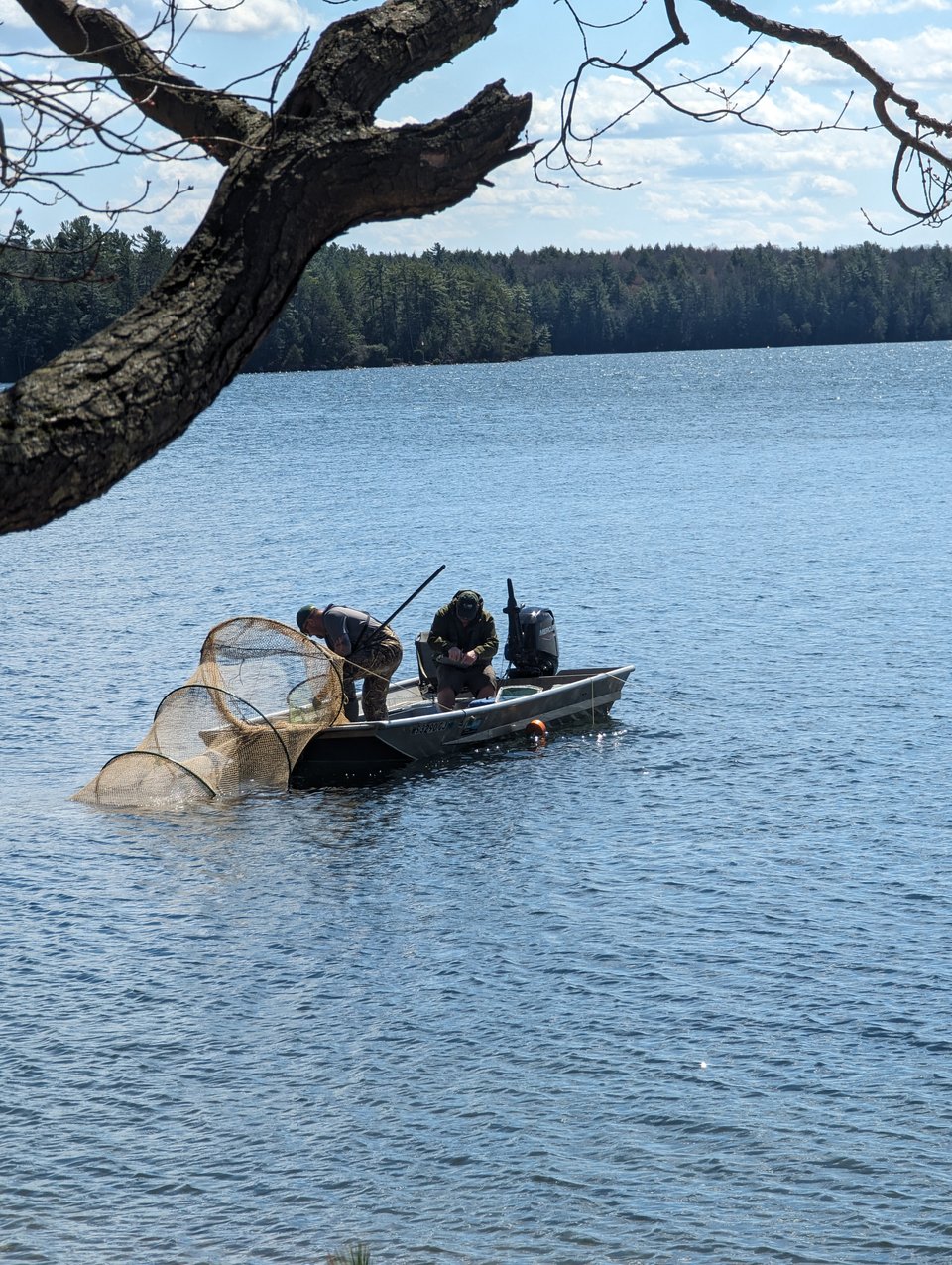
Wisconsin anglers hit the water for the inland fishing season on May 2. Behind the scenes, a $16 million budget shortfall is forcing the Department of Natural Resources to slash musky stocking by 70 percent and walleye stocking by 45 percent.
The drastic cuts feel like a disaster for communities that rely on public stocking. However, decades of data prove that dumping millions of fish into lakes fails to build sustainable fisheries. With hatchery funds exhausted, the state is shifting focus to rebuilding physical shorelines and protecting wild genetics.
We believe that informed voters are the only defense against fiscal mismanagement and the erosion of local resources. If you are a paid subscriber, thank you for making this work possible.
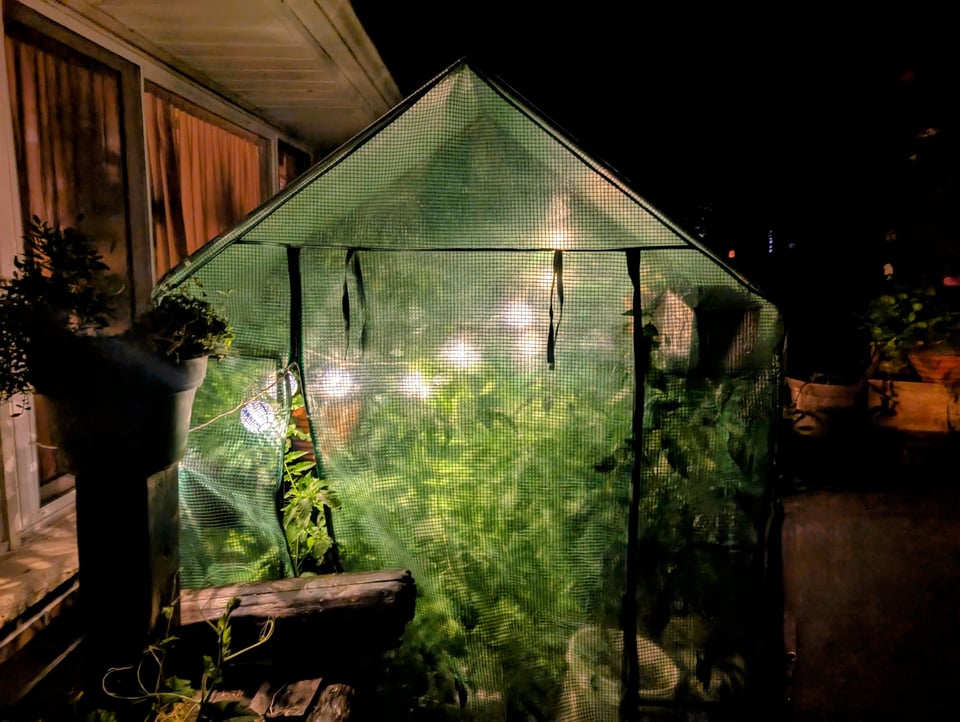
Spring gardening depends on temperature control. Between the final snowmelt and the June 1 frost date, you must keep your plants between 45°F and 75°F. If the dirt is colder than 45°F, the plant stops growing. If the air inside a container hits 80°F, you will cook the roots. Forget the calendar. Watch the thermometer.
We believe that informed voters are the only defense against fiscal mismanagement and the erosion of local resources. If you are a paid subscriber, thank you for making this investigative work possible.
(Technical Update: Our previous draft stated the owners needed a re-zoning to sell the land for retail use. In fact, the property was already zoned for Community Business, which permits retail. The actual dispute involved a request to upgrade the designation to All-Purpose Commercial, which would have allowed for more intensive industrial uses and increased the property's market value.)
The clearing of timber at the intersection of Highway 51 and Snyder Road has sparked a high-stakes conflict between R&N Real Estate Holdings and Vilas County officials. What began as a local zoning dispute has evolved into a formal law enforcement complaint filed with Sheriff Gerard Ritter. The investigation by The Lakeland Times into missing public records now sits at the center of a looming defamation lawsuit involving a rumored industrial gravel pit.
By scrapping regional zones and moving the Northern Zone opener to May 2, the state has prioritized a simpler rulebook over a decades-old biological buffer. This change forces a new question for Northwoods anglers: is the fishery stable enough to survive the new rules?
The Math Behind the Opener
Historically, northern Wisconsin stayed closed to musky fishing until Memorial Day weekend. This gave the fish a head start to finish spawning. The 2026 rules replace this delay with a single statewide opener on the first Saturday in May.