
NJW&C 36: Too Stupid to Quit

Hey, Kids! It’s Nice Jewish Words & Comics!, the latest installment from Neil Kleid's monthly newsletter with updates and info about his latest projects!
It’s the most Thanksgiving time…of the yeeeeaarrr…
…yeah, we’re a few days away from my favorite holiday, during which I immerse myself in a welcome stew of food, family, and football (maybe not in that order.)
Yeah, look, Thanksgiving is probably my favorite non-religious holiday—as a Detroit Lions fan, I’ve been watching football on Thanksgiving (for better or worse) with my family every year since I was in high school, snacking on hot wings, potato puffs, and chili-flavored brussel sprouts, sipping cold beer (root beer for the kids), and cheering the blue-and-silver before digging into turkey, stuffing, pie, and well, more pie. If my family isn’t in Detroit for the holiday, attending the game (which we often do), I get up nice and early to watch the Macy’s parade with a hot cup of cider with cinnamon, basting the turkey, enjoying the quiet and prepping our snacks for the game, thankful for the joy, people, and successes I’m privileged enough to have in my life. Whether you celebrate or not, I am thankful for you, as well. Thank you for being here and reading what I have to say, supporting my work.
Now, the reason we’re starting off with this for our latest newsletter installment, is…
…well, sometimes—especially as an independent comic book creator—it’s easier to count losses than wins; the things you either regret or obstacles that have put themselves in your way versus anything that you are thankful for in a career that, well, can often be thankless.
A BIT OF A LONG PIECE ABOUT THE STATE OF MAKING CREATOR-OWNED COMIC BOOKS AS A CREATOR IN THE COMICS INDUSTRY RIGHT NOW WITHOUT A LOT OF IMAGES TO BREAK UP THE PIECE, SO PLEASE BEAR WITH ME
Last week was a hard one for comics. A well-known independent comics publisher laid off some of their workforce and it was announced that a decent amount of their expected slate had been slashed, resulting in many creator-owned comics and graphic novels without a home —some of which had been near completion or already solicited. The revelation led to a frank and open discussion across social media and on comics news sites about the realities of pitching, making, and publishing small press or creator-owned comics—and that for the most part, the reward was hardly worth the effort or risk.
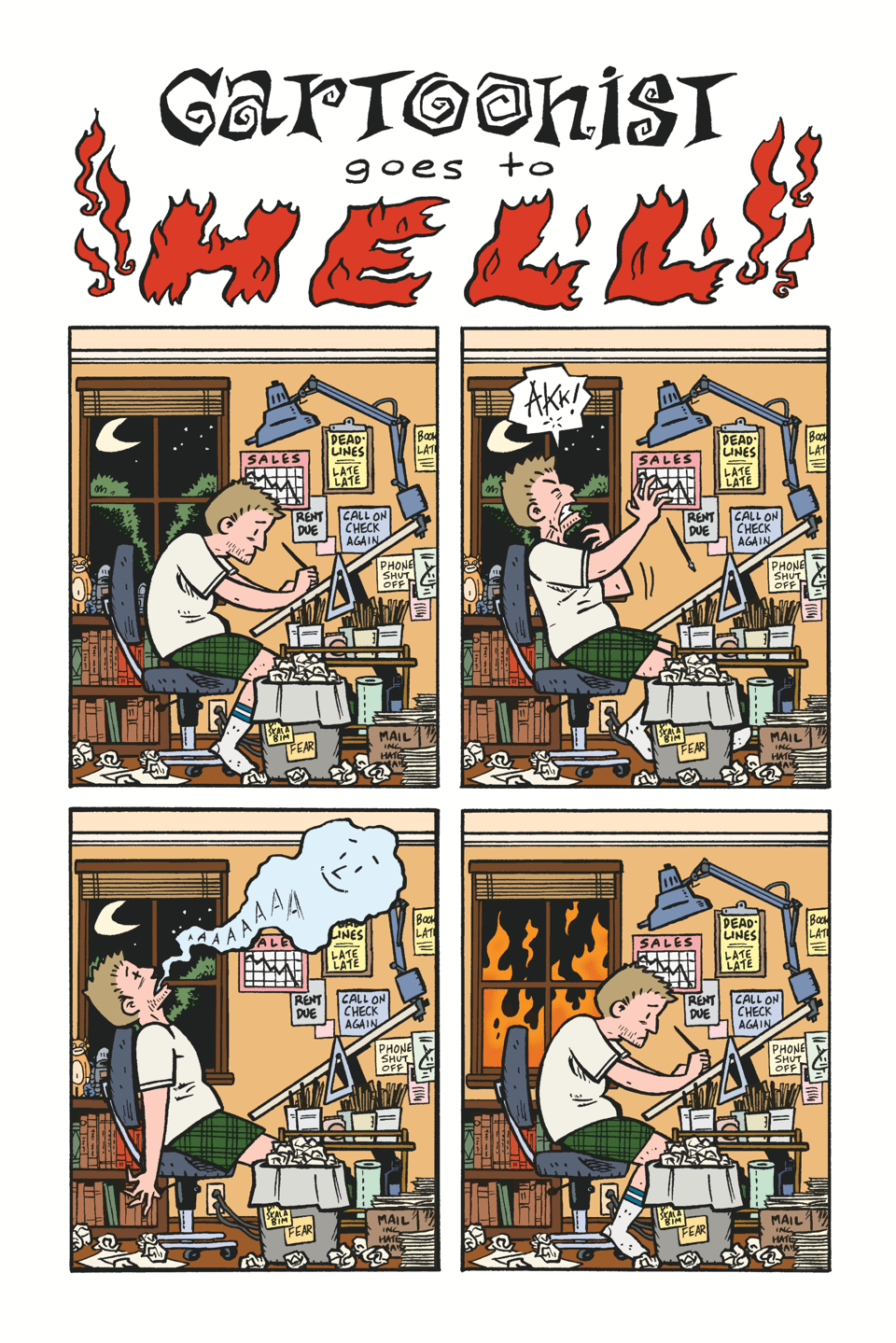
Before we dive in, let me say how much my heart goes out to the editors and creators who have lost their source of income and financial stability because of this—especially at the start of the holiday season. I have been there, so I know what it means when a rug is pulled out from under you like this—I could probably fill a comic of my own with all the stories of projects or jobs lost because of restructuring or a downturn in the economy or automation. I know how hard this is, and I wish everyone who lost a job the very best of luck landing their next adventure—maybe even outside comics; this too, shall pass—and anyone whose project got canceled luck in either finding it a new home or getting it out into the world on their own. I love you all, my extended comics family. We are in this together.
Because, let’s be honest: working in the comic book industry at any level is not easy—whether it be on staff at a publisher, as a creator, or as a retailer or distributor. There is no guarantee that you will find financial success making or selling comic books—especially creator-owned, independent or small-press comic books—and by and large, yes, the financial risk is far, far greater than the financial reward. (Everyone knows the old joke: Want to make a small fortune in comic books? Start with a large one.)
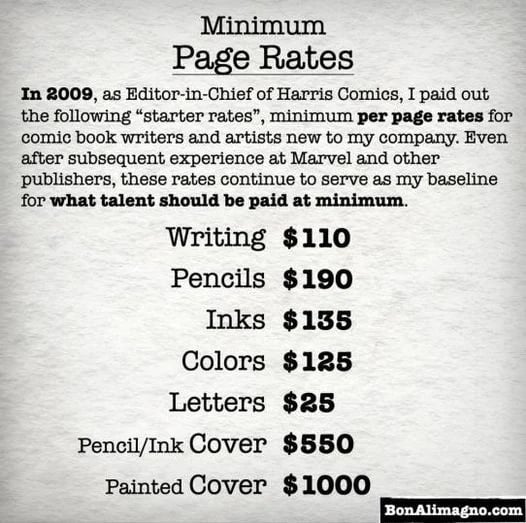
Many of my colleagues have been out there writing, drawing, or publishing comic books way longer than I have—and are absolutely struggling to make ends meet or even find their next project. You hear stories every year about some creators who invented some of your favorite superheroes having trouble paying medical bills, ignored by the corporations for whom they made these characters popular and—more importantly—marketable. And so, the natural reaction to the latter is “hey, go make your own characters and stories, and then you’ll reap the reward, yeah?”
Not quite.
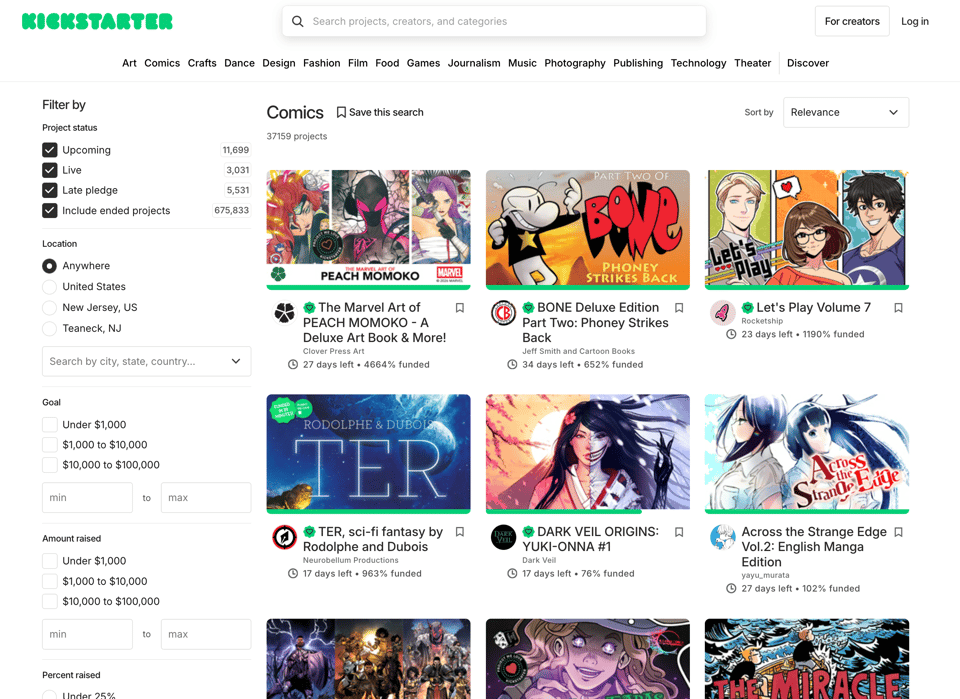
For every Hellboy there is a failed five-issue mini-series that went unnoticed on the stands and barely made enough to pay its creative team. For every ninja turtle merchandising juggernaut there is a graphic novel languishing in unopened and undistributed boxes in some warehouse, costing more to store than it was to publish. But how about crowdfunding your book, so that you don’t spend all that money until you know the money is coming in from pledges? Well, have you been to Kickstarter lately…? There are hundreds of comic book campaigns out there jockeying for position, trying to get your notice, and I can’t say with a certainty that every single one of them meets its goal. Nothing in comics is certain, I tell folks, until there’s a check or completed book in your hand—and even then, nothing is one hundred percent.
And I think folks who want to make comic books should know that going in.
Let’s talk specifics: I’ve made three digital comic books with a specific company over the last few years (you all know who I’m referring to, I’m sure) and I’ll just start out saying this: they have treated both me and my co-authors / collaborators incredibly well. I have told this to folks at conventions, but working with this company has been —so far — the best experience I’ve had making comic books, and with some of the best people. once my projects had interest there, they basically said “what do you need to make this happen” and once I told them, they made it happen. I was able to pay my co-authors and editors their requested rate/s—and I paid myself the rate I wanted—and all three of the books came out digitally and came out on time. Not everyone in comics can say that.
But here’s the reality behind all of the above:
First, only one of those books has been collected in print as of yet, and the other two are still looking for publishers willing to physically place them on shelves. While we remain optimistic that will happen one day…it also may not. I have to be a realist about that.
So, what? At least we got paid to do those books, and can do some more with the company, right? Not so fast. Right now, that company is not (as far as I know) acquiring new work—and while we have spoken in the past about sequels to at least one, if not two, of those books… I have yet to received a green light for said sequel, nor have I had a chance to pitch them anything new. From what I understand that will happen soon—maybe even as soon as the start of next year—but I’m in a bit of a holding pattern there until that happens.
Well, so let’s wait around for a bit until they’re ready, right? Not so fast. This company has already gone through at last two restructurings over the last few years (that I know of), and maybe even more, already shedding lots of employees. I do know there is now new blood in place set up to manage it, and I do have high hopes that we’ll be able to reconnect and get something going…but you know, maybe we won’t?
And that’s all right—at least I have those three books out with them, right? And as they’re all creator-owned, me and my co-authors must be getting royalties? Well, eventually, maybe. See, remember—we got an advance to actually make the book, so we could afford to live while doing so. So first the books have to make back that amount of money for the company before we see any sort of royalties, which is the way lots of publishing deals work. The printed book that’s out there helped make a small dent, sure—but it’s hard to make healthy money back on a digital book, and that will take time and effort (by me, for the most part, promoting it whenever and wherever I can.) So if we don’t ever collect the other two books in print, it may be slow going. So, for now…no royalties. Yet. But at last we got paid in the first plate, and it happened on time and for our requested rate, which is a lot more than most people can say.
But hey: as the books are creator-owned, maybe once the terms of the agreement with the company run out, we can go crowdfund a physical collection ourselves? Sure, we can do that one day—I mean, it’ll take a while, but we could wait out the terms and have a finished book to drop on Kickstarter or some other crowdfunding venture…but, here’s the thing: I really don’t want to self-publish or crowdfund anything at all. I just want to make comics and promote them—I don’t want to actually deal with printing and distributing them, or storing them, because there are costs and effort there that, well, I just have no interest in doing, and no time to do it. I’ve crowdfunded one book with a distribution partner, Kings and Canvas, and helping co-run that campaign filled me with daily dread and anxiety—will we meet our goal? Why aren’t we meeting our goal? What can I do within my limited reach and capacity to help us meet our goal? What will people and peers say when and if I don’t meet our goal? No, thanks. Crowdfunding isn’t for me.
That’s just one example. We could sit here and talk about all the folks who have been screwed by Aftershock Comics or some other predatory publisher—who don’t even have the option to get the rights back to their comic books or characters or printed comics, and in some cases have been asked to pay money out of their own pockets to buy them back. We could talk about the publishers who take a huge cut out of your film and television rights and offer you very little in return so you have the privilege of allowing them to print and distribute your story, this thing into which you’ve poured all of your time, effort, blood, sweat and tears. We could talk about the many, many folks who have said “fuck that” and gone the crowdfunding or webcomics or self-publishing route (because, truth be told, there are people out there succeeding at it and making a proper go of traveling this route) and spent every single waking moment pouring their time, effort, blood, sweat, tears—and money—into it, and have either given up, gone broke, or even physically or mentally suffered in some other way because of it. We could talk about how comics, as a whole, is an unforgiving master, requiring you to keep working at it, keeping throwing shit against a wall and seeing what sticks, knowing that only the very, very few actually make a living off making comics, and rarely the kind of stable, consistent, financially secure living that allows you to only make comics.
Bleak, huh? Happy Thanksgiving.
So, okay, seriously. Then why the fuck do it in the first place? Aren’t we all just set up to fail? If the risk is far greater than the reward, why not step away and do something, anything else?
Well, many do. We’ll start there.
The stories of those who have been broken by this industry and gone off to other careers, other lives, other forms of art or commerce, are myriad. For every lifer in comics trying to figure it out, there are two more who have walked away—like a reverse version of Marvel Comics’ HYDRA. It’s pretty common. It’s understandable. This industry, this medium, can chew you up and and spit you up if you don’t go in with your eyes and ears open, if you walk into it thinking you’re going to be the exception to the rule.
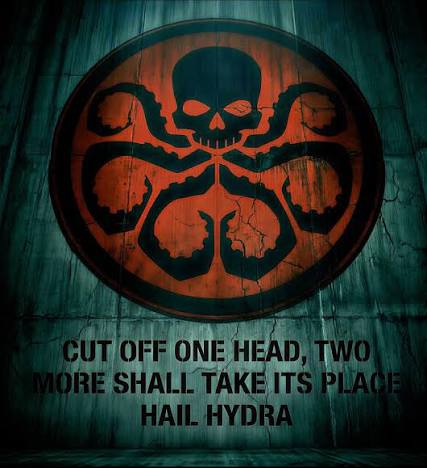
Now, for those who do stay and take the blows…who understand what this industry can do to you and are still out there, beating their heads and hearts against it…look, I can’t speak for everyone—only for myself. Why am I still here, knowing that it is harder to stay in comics than it is to break in? Why keep pouring my time and energy into something that gives little back—money, security, peace of mind—and not go do something, anything else?
You’ll roll your eyes if I start with “I’m passionate about the medium” and laugh out loud if I follow up with “one day I just know I’ll get my break.”
So, I’ll start with something Slave Labor Publishing’s Dan Vado says: I’m too stupid to quit, and too mean to die.
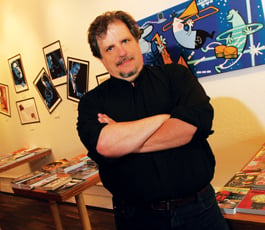
Look, I can’t stop making comics. The way my brain works, the stories and ideas just won’t stop coming. Sure—I could take the ideas and go write prose novels for the rest of my life instead (and as many of you know, I have started doing that, and I can tell you that’s not what I would necessarily call an “easier” road) but I’ve been reading comics since I was very small, and I love comic book stories of all genres and types. I am fascinated about what you can do with comics—both in terms of the telling of those stories and with any sort of innovation behind both the mechanics and craft of breathing them to life. I love collaborating with co-authors and editors; I love the community of creators, supporting one another, inspiring and influencing the next story, the next series, the next book or strip or saga.
But yeah, I’ve also made my peace with the business trade-offs, and found a balance. And, to be fair, I have been luckier than most.
There was a time in my life where I did believe I might make a stable, dependable living only working in the comic book industry. But I knew enough folks, and heard enough stories, to understand the realities of what it meant to do such a thing. Sure, I foolishly believed every single series would take off like gangbusters, be big financial windfall I was waiting for …and when it wasn’t or went completely unnoticed (or worse, noticed and panned) I fell into a dark, deep hole. Over the last twenty-odd years making comic books, I have faced the realities, learned my lessons, and found a balance for myself that allows me to keep banging my head against an industry that sometimes feel like its designed to keep me out at best, or is too broken to even noticed I’m here, at worst. That balance was hard-won, to be fair—I’ve dealt with my share of predatory publishers, terrible editors, undependable co-authors, and just a hefty dose of terrible timing and luck. Nothing I have ever written has truly set the comics world on fire, and for the most part, this industry does not know that I exist—which is why when someone does recognize me, my name, or my books at a convention or event, I am always surprised. But I’m still here—I’m still making comic books—and here’s how:
I know that comic books will never be my primary source of income.
I will always have a day job, that allows me and my family to have health care and medicine, a roof over our head, and food on our table. My wife has a day job, too. Both of those things allow me the time and energy to make comics, if not finance them. I know that not everyone out there is as lucky as I am, and has all of that on their side—nor am I suggesting that everyone out there must go out and get a day job, or get married, or find a partner with health care, or even give up the dream of making comics full time—this is what lets me do it as I can, and also ensures my kids don’t go naked and hungry, and can see a dentist. But what I will say is that if you don’t take care of yourself—health, home, food, medicine—I can guarantee for certain that this industry, which only looks out for itself, will not. The number of horror stories I have seen about creators who invented characters that are now regularly appearing in film and television, and yet can’t afford health care…those stories are both horrifying and all-too common.
Because of the above, I am careful about the amount of writing work I take on or choose to assume in a given year, so that I can balance writing against said day job.
I understand that every single comic book finished and published is a goddamn miracle.
When I do get the opportunity to make a comic for someone else (licensed, work for hire, etc) I give it my all…but am also up front about scheduling, clearly communicate about deadlines or delays, listen more than I speak, understand that it takes a village of collaborators, editors and licensors to make something good.
When I do get the opportunity to make a creator-owned comic with a co-author, I understand that person is my partner and not my employee, and that we are in this together not only from a storytelling perspective, but in terms of both the risk and the reward. Also understand that when my co-author is an artist, that they will have better ideas than I will when it comes to the art—and that they will be doing a lot more work than I will, so treat them equally and fairly when it comes to said reward.
I know that every single comic book I make might be my last, so give it my all. I’m only as good as my last one, so it better be give one hundred percent.
I know that making comic books is equal parts talent, timing, luck, hard work and effort, research, time management, being polite, professional, and able to persevere.
I know that the comics industry is like that kid brother you love who keeps kicking you in the shins. You love the kids, but goddamn it, stop kicking me, kid. And because of that, I need to bring shin guards—or develop a thicker skin.
I know that no one will advocate for me in this industry, or market me and my comics, as well as I will…so I better learn how to stand up for myself in any room, opportunity, crowd, or business deal.
I know that it can all go away tomorrow, and often does, especially as I get older and the next new talent, the hot new thing comes along.
Coming into it all with this in mind—plus, like a million other little things, has helped me face all the canceled projects and missed opportunities, the unnoticed books and all the shit the comics industry can throw at you when you’re just trying to tell stories (and hopefully get paid to do so.) It doesn’t work for everyone—like I said, I’m luckier than most—and it also means that perhaps…I’ll be limited in what I can accomplish as a comic book creator.
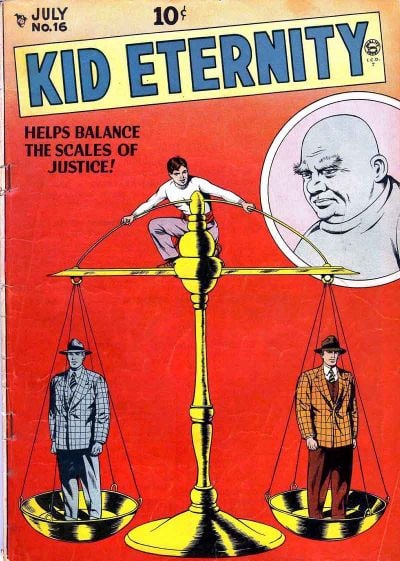
But this is the balance I have found. It works for me. I’m too stupid to quit, to determined to die, and I’m still here making comics, even though I know that sometimes the risks involved are far more common—and more likely to break me— than the reward.
Hopefully, you feel the same. Maybe some of what’s worked for me can also work for you…or already feels relatable and what you’re doing to make your comics happen.
I hope it gets easier for us all, especially after last week. It probably won’t. But here’s to the survivors, we stupid, passionate, indomitable few.
WHAT’S ON NEIL’S PLATE (OTHER THAN PIE)
Short writing update this time around. Fun Factory has been out for nearly two months now, and folks seem to be enjoying it for what it is. Lots of folks tagging me on social media about it, so I appreciate every single one of you who bought the book or requested it from the publisher via NetGalley or what have you.
I did get sales numbers for the book (just print; not audio/digital yet) and at first I was like oh no and then after asking around and doing some research, discovered that for a debut horror novel (it’s not a tie-in) from an independent publisher the numbers are…normal? Not at all bad? Especially when it came out a little over a month ago? I see it as a win! Thank you all for helping it be one
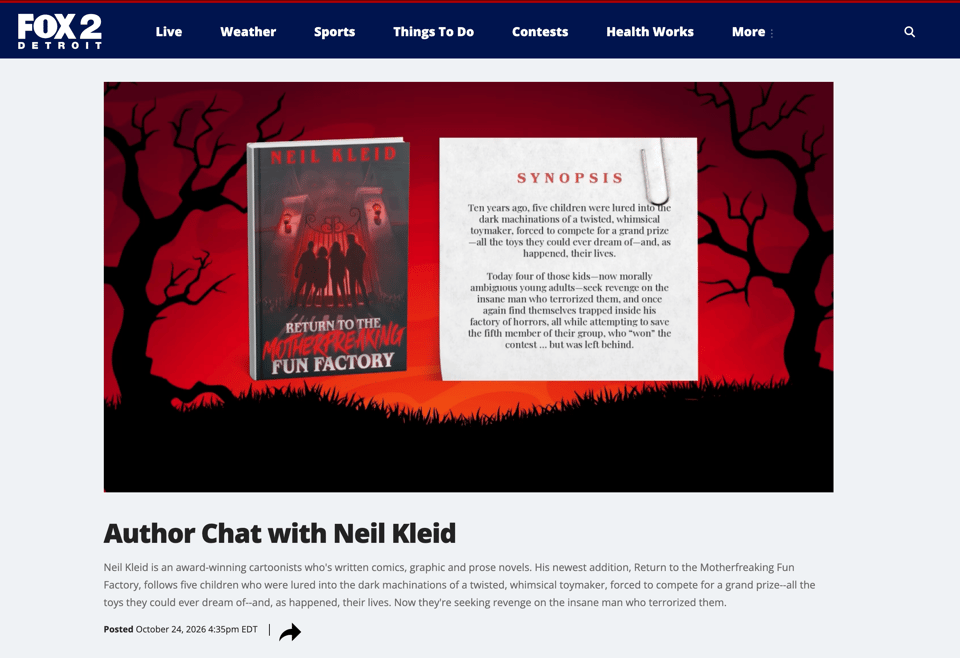
Hey! I appeared on FOX 2 Detroit’s “LIT Happens With Syd” segment, talking about writing, comics and the book. It was fun to do, and I’m so happy it aired on TV in my hometown— give it a listen and thanks to Syd and FOX for having me on!
Here’s an interview I did about the book for the Cullman Times. They asked me some fantastic questions about the horror novel, stuff I normally don’t get asked. There’s a paywall, but it’s a fun piece with notes like this:
“In comic books, we use page turns or ends of issues to really heighten suspense and anticipation,” Kleid said. “Being able to do that with a chapter turn, a chapter break, allowed me to really jump not just between moments, but also timeline to timeline, and really juxtapose what was happening to those characters 10 years ago versus what’s happening to them now.”
That structure serves a story in which the past is never entirely past. The childhood experience and its adult consequences occupy the same narrative space, with the jumps between timelines allowing the reader to see both what has changed — and what has not.
The factory itself plays an important role in that unease. A place associated with toys, imagination and childhood pleasure becomes the setting for a story about the exact opposite: danger and the lasting effects of frightening experiences.
“Good horror stories aren’t always just about jump scares or blood or gore or what have you. It’s about, how do I pull your knees out from under you and make you feel a little unsettled,” Kleid said. “When you do that with places from childhood innocence … when you talk about danger to children, it’s really creepy and unsettling. Especially as an adult or as a parent, that’s frightening.”
About a week ago, I handed in the outline for what I’m hoping will be my second horror novel, ‘Project Roads.’ Takes me out of my wheelhouse, storytelling-wise, and will need some research should it get greenlit. I think it’ll take me — and the readers — to creepier, psychologically-hefty, more intimate depths. Cross your fingers and toes for me, pals. Here’s hoping.
I also just finished the script for Project Rise, and am digging in to one of two scripts right now for Project Situation, both of which will be out in 2027. Very happy with how these are coming out—neither one of these are what you might expect from me, so I look forward to being able to talk about them when I can.
Finally, just heard from the editor on Project Hot Mess, and am still waiting on internal approval for go-time. I passed along a list of folks to the licensor that I want to interview for it, and for the most part they were fine (had to drop two folks for…reasons.) Man, what a great world it is when you (hopefully) have the opportunity to chat with folks whose work has inspired you ever since you were a kid. So wish a Jew luck, and hopefully this will be the big thing I work on next along with Roads, if both get the all-clear.
I’d hoped to get back to Project Red, but I also got some publisher interest for two pitches that had been gathering dust—let’s call them Project Peter and Project Falk (ha ha, yes I know)—so I had to spin up new takes on the for editorial review. Who knows? Maybe something, maybe nothing. Nothing in comics is certain until there’s a check or completed book in your hand—and even then, nothing is one hundred percent. But those are done, so while I wait and work on Situation, I may hammer at the end of Red.
That’s me, pals. What’re you working on?
THE LIGHTNING ROUND
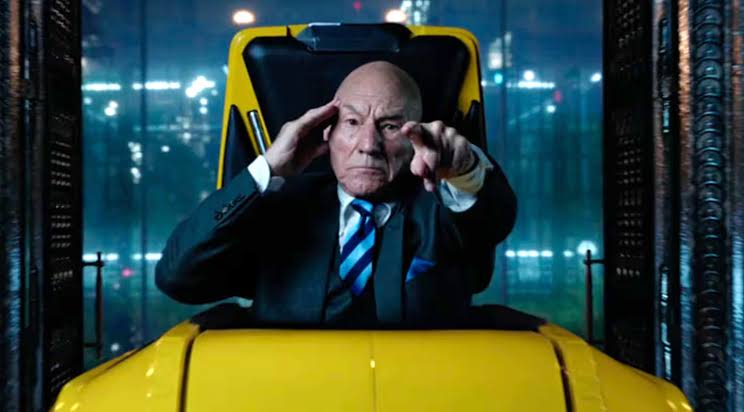
First of all, right after I put out the last newsletter, the great Sir Patrick Stewart passed. This is a hell of a loss. Our Captain, our Charles…but here’s the most quoted Patrick Stewart performance in our home. RIP Genius. Let’s all remember this was an actor comfortable reciting Shakespeare soliloquies and also voicing a cartoon poop emoji. Talent, range… and a good man, too.
AIPT Comics had eleven comic creators reveal the comics pages that still haunt them, including me. Click the link and check out some scary comics pages, including this Locke and Key banger by Joe Hill and Gabriel Rodriguez from the series' final volume:
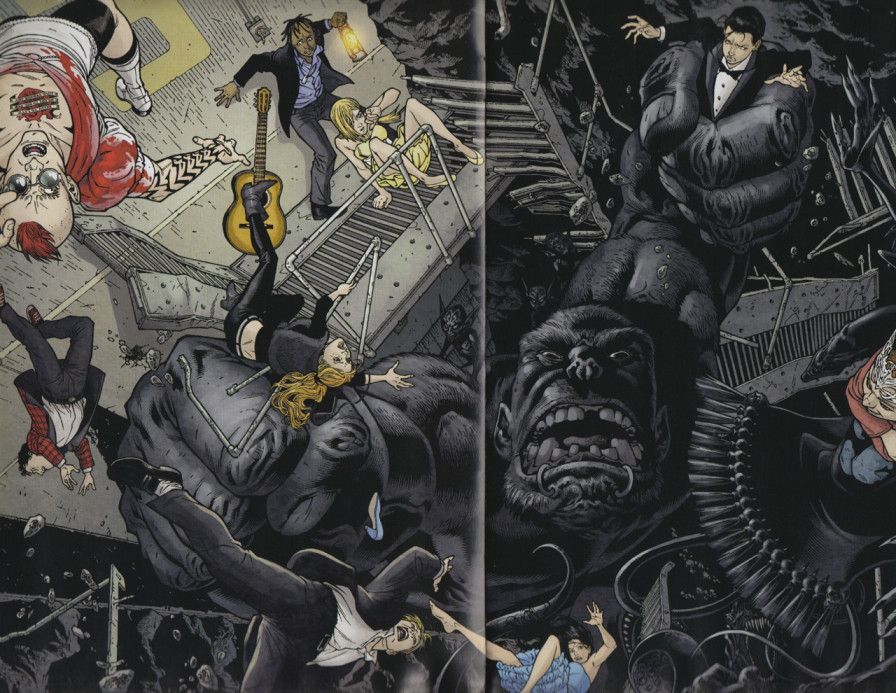
Art by Gabriel Rodriguez Its gonna be a WU-TANG Thanksgiving this week, Lions fans!
Speaking of which, my heart goes out to all Lions fans and to Jack Campbell, his family and loved ones. Scary as hell. I hope he comes out of this terrible injury both healthy and whole.
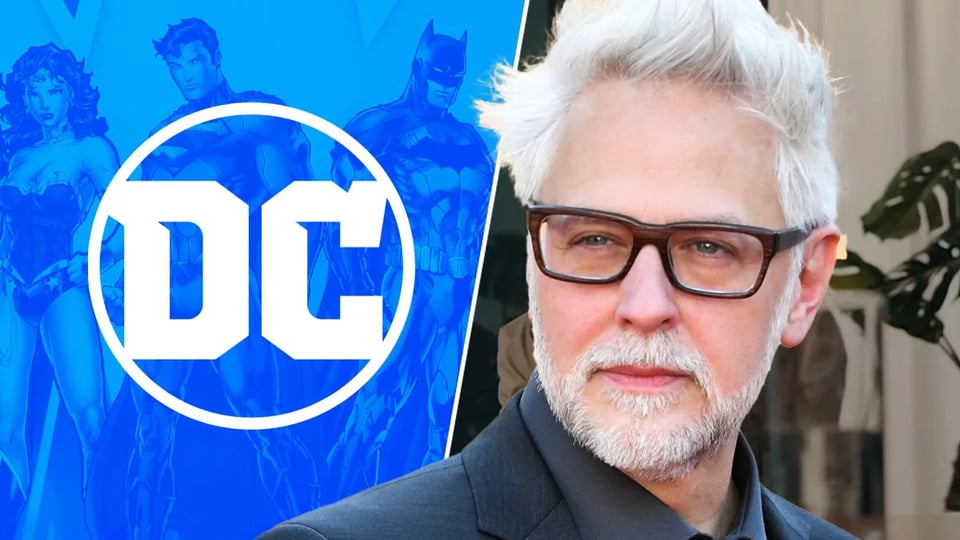
Sheesh, it just never ends for the DC Comics cinematic whatever, does it? Love to all the folks at DC Comics as this gets itself ironed out. I was trying to figure out whether or not to re-up my HBOMax subscription for more Lanterns and Get Jiro and whatnot but maybe now i just wait and see?
I am so happy for David Harper of SKTCHD, the biggest Stilt-Man advocate I know. This is one of those great and happy moments in comics
My wife bought candy corn infused challah this year for Halloween Shabbat and dubbed it “challah-ween.” I hate candy corn, but I do love her because that’s funny as hell.
We didn’t really get into the midterm elections here, and I won’t, but my 18 year old voted this year for the first time and the volunteers all clapped and shouted “first time voter” and the cringing embarrassed accusing teenage angry look he gave me was worth having him contribute to democracy.
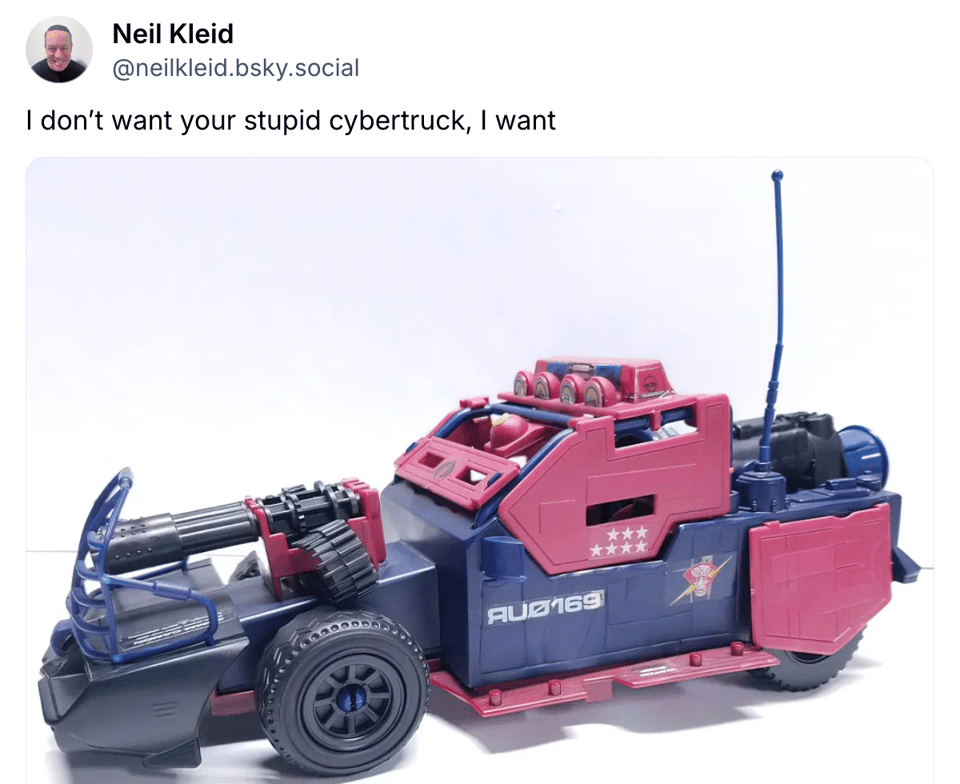
Y’all now that they’re not making any more or helping maintain them, we’re gonna turn all the existing Cybertrucks into mobile lending libraries that can kinda go in water
Love (sarcastic!) that I saw so many posts on social media say “there was no Philly boycott ride” and “it was a psyop” and “no one is dumb enough to do that on the anniversary of Kristallnacht” and I just want to say no, there are some folks out there who just want an excuse to be antisemitic.
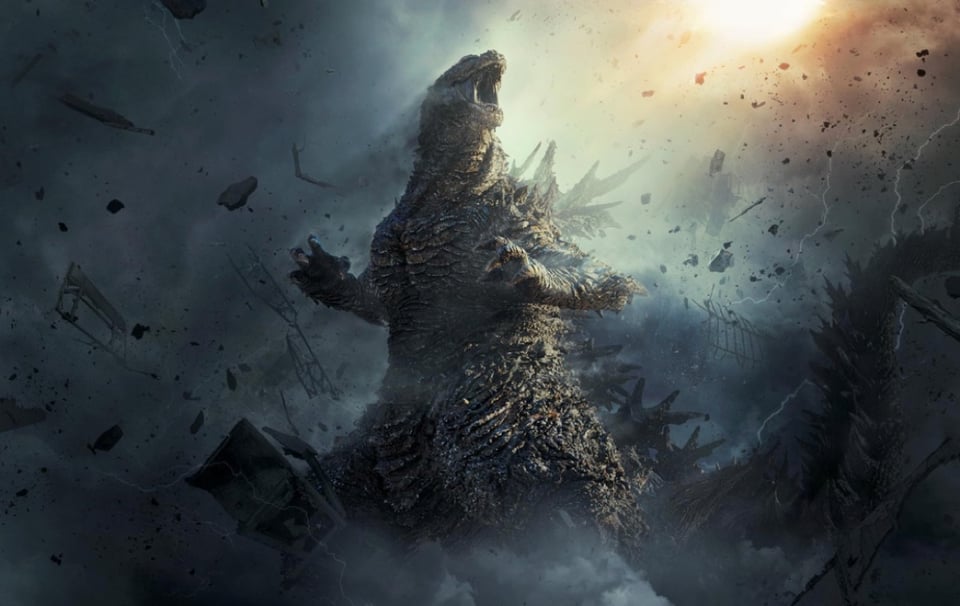
Ok so I dug Godzilla Minus Zero, though I probably should’ve rewatched Minus One again first. Both films satisfied my sweet tooth for widescreen destruction and emotionally harrowing stories. The new one did have an “Empire Strikes Back” feel to it, like there’s gonna be one more film to wrap it all up.
My NVIDIA honeytrap would just be like a box full of X-Men comics, a sandwich and some Z.O.I.D.S.
This new Star Trek: Blue Shirts comic looks great — more medical comics…and more Stephanie Williams comic books! I am so happy folks are embracing her writing across this industry.
I don’t think they meant “tycoon” for Mark Millar. I think they meant to say “buffoon.”
Holy crap we are one week from Chanukah and I haven’t even begun thinking about my annual holiday card drawing. Time to get cracking.
That’s it for this month. The comics industry is going through it right now, obviously. Go buy some independent or small press creator-owned comics for the holidays—directly from the creator/s, if you can—and put some love for comic books back into the world.
See you in December to wrap up the year, and do our holiday gift guide, I suppose.
Gobble gobble,
Neil


