From Big Bend to Washington: Here's what we learned
We just got back from Washington. Here’s what we learned—and how you can help.
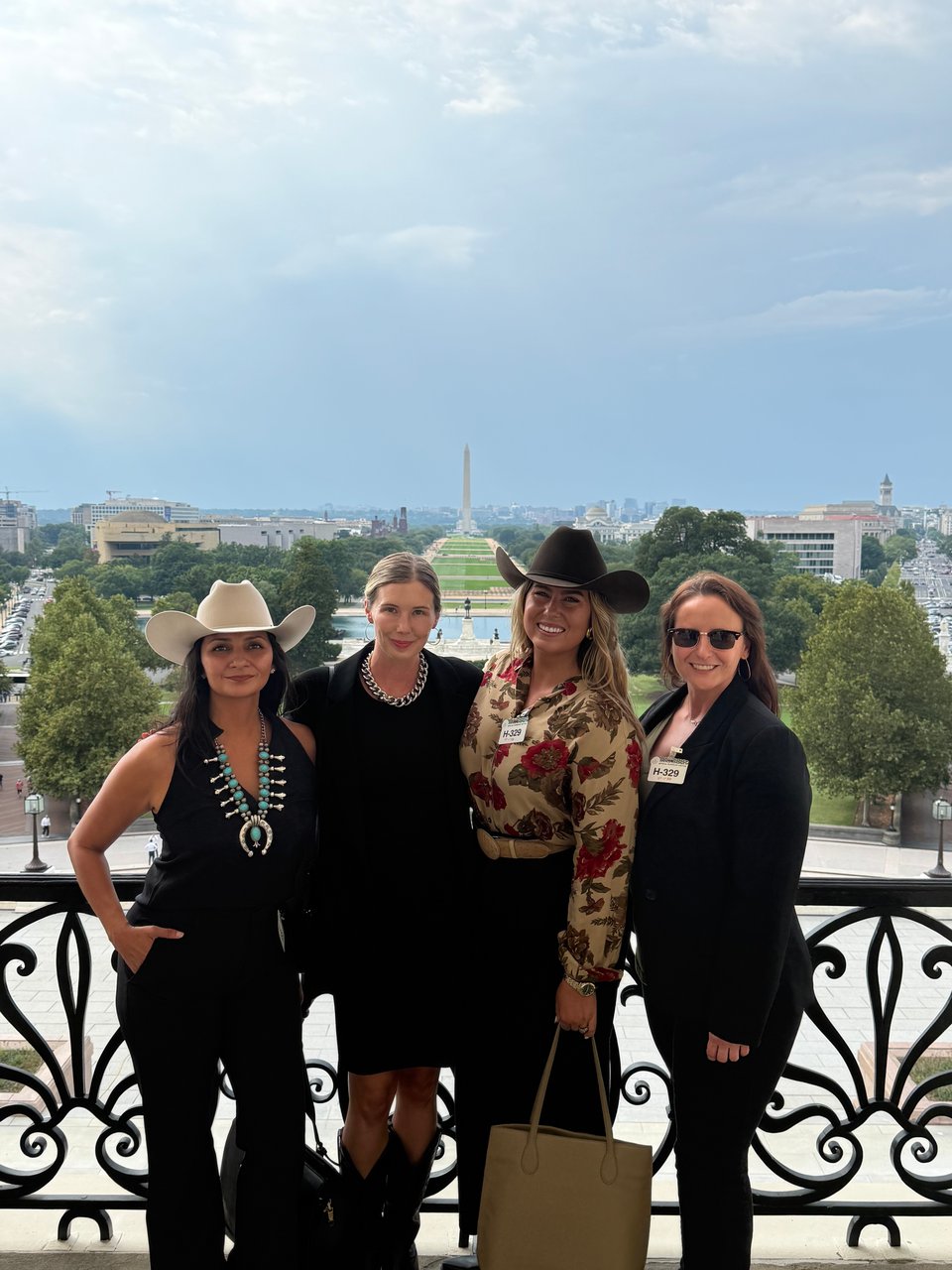
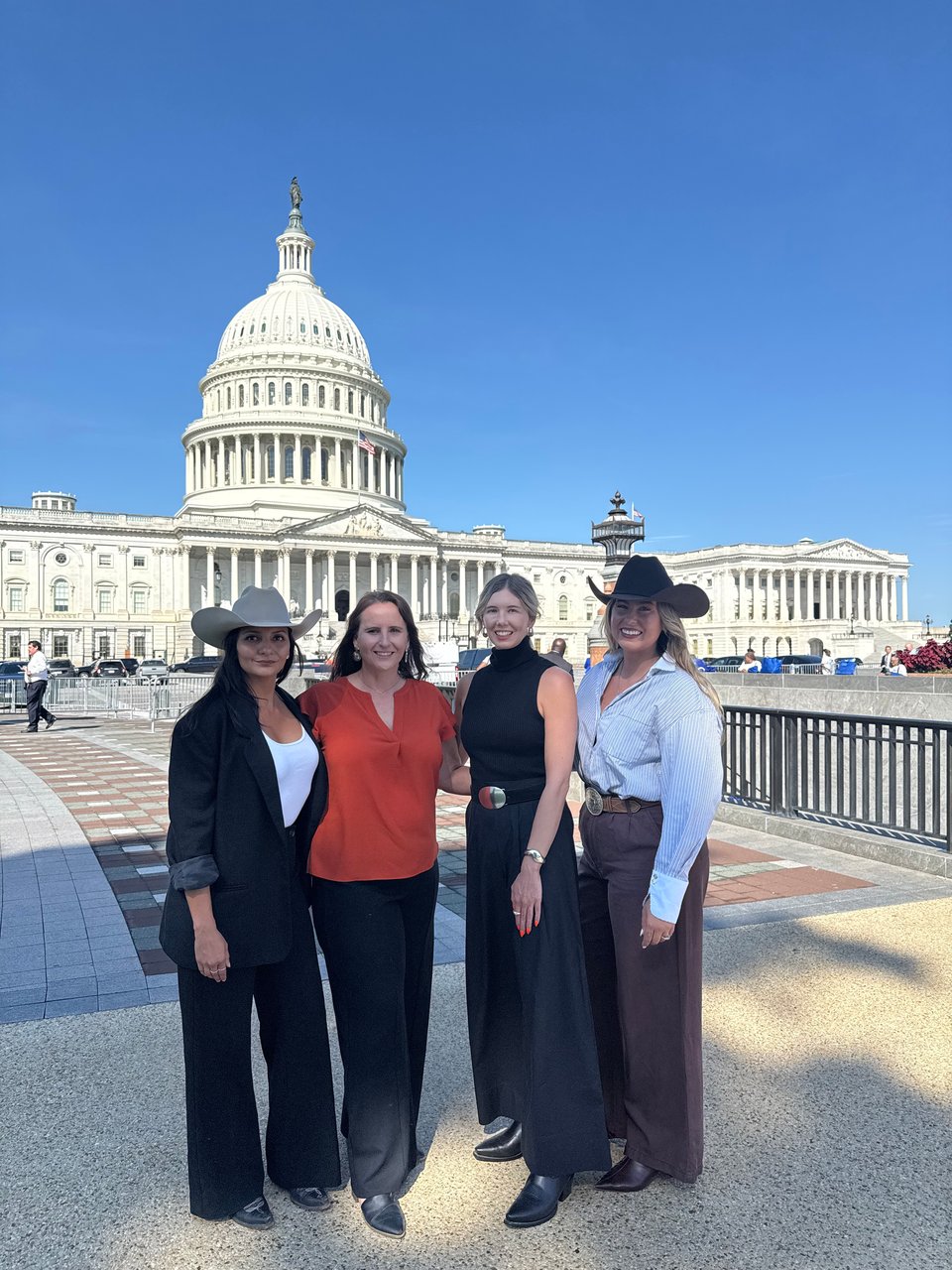
This past week, representatives from our coalition traveled to Washington, D.C., to bring the concerns of our region directly to members of Congress and federal policymakers.
[ Meet the Big Bend Delegates ]
This trip was a follow-up to meetings that members of Conserve Big Bend and No Big Bend Wall held in Washington in April. Since then, the proposed border barrier development has continued to move forward, while many fundamental questions about the project — its scope, timeline, funding, land acquisition, and impacts on our region — remain unanswered.
Our message in Washington was clear: this is not just a national park issue. It is a greater Big Bend region issue.
The proposed project could affect private landowners, ranches, hunting, ag, communities, roads, water tables, wildlife, tourism, and some of the most remote and rugged landscapes in the country.
[ An update on the Big Bend Expansion H.R. 2323 ]
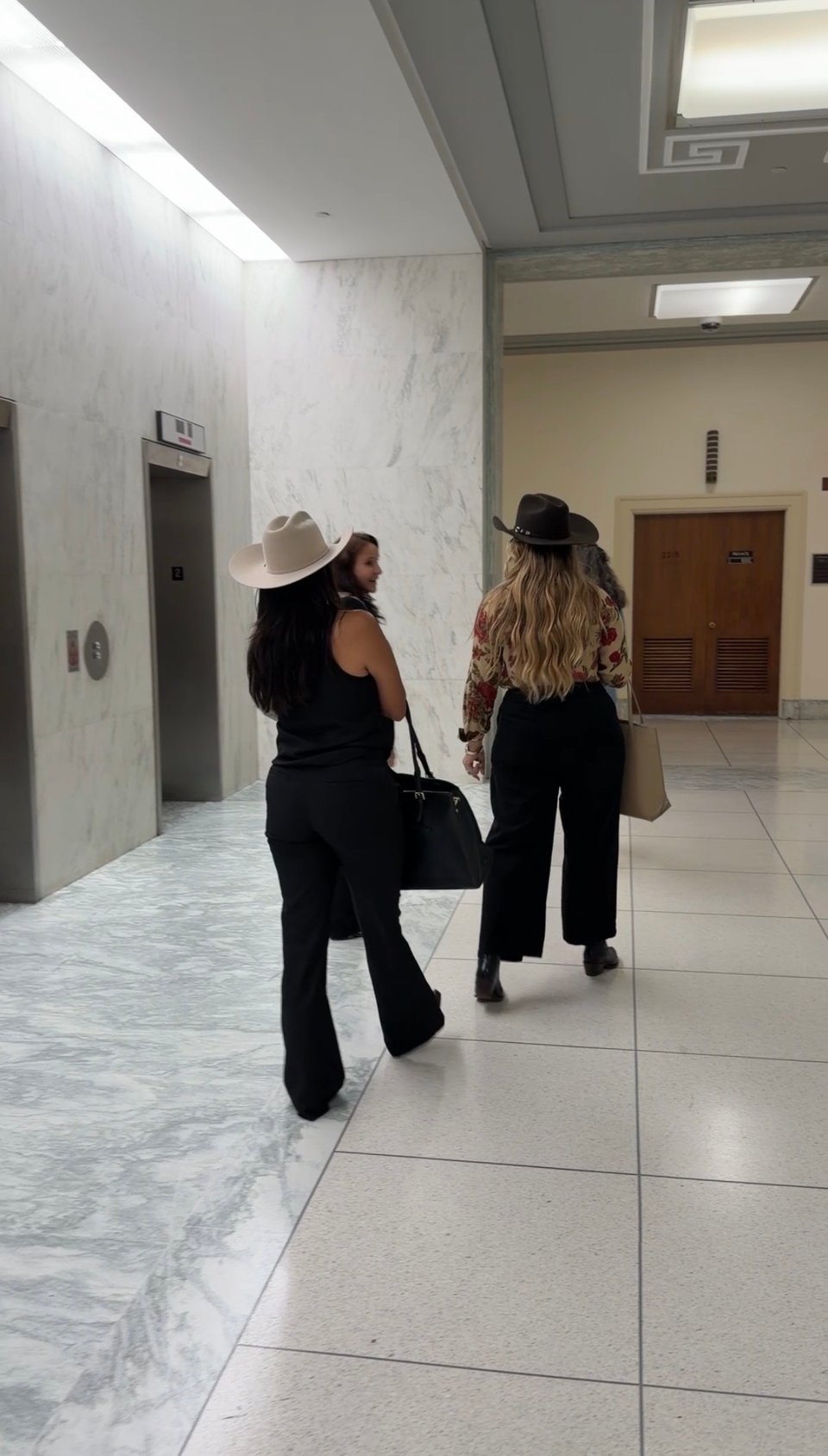
Working to get local voices a seat at the table
Over the course of the trip, we met with the offices of Majority Leader Scalise, Representative Arrington, Rep. Garbarino, Rep. Carter, Rep. McCaul, Rep. Pfluger, Rep. Doggett, and Rep. Ellzey, as well as Senators Cruz, Cornyn, and Lankford. We also met with staff from the House and Senate Homeland Security minority committees. Every office was carefully considered based on their connections to DHS oversight, federal budget appropriations or border security.
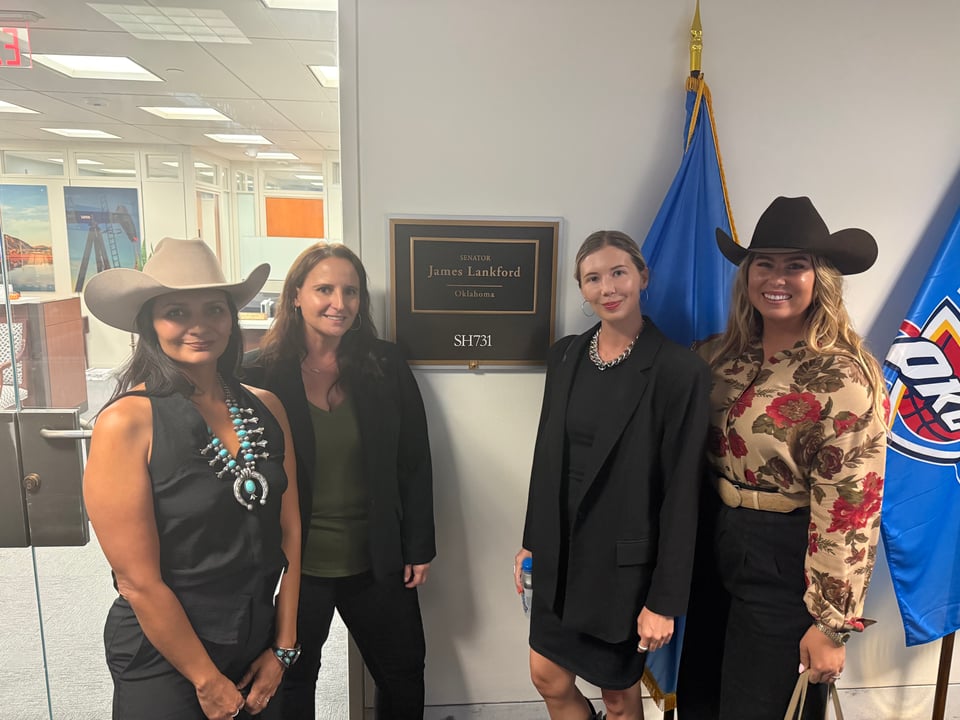
One of the clearest takeaways from these meetings was this:
Big Bend has made national news, and congressional offices are hearing from their constituents.
We heard from almost every office that they are receiving calls and emails from people concerned about the proposed border barrier and related infrastructure. Several offices told us they are actively making inquiries on behalf of constituents — and, importantly, some are encountering many of the same unanswered questions that we have been raising with the Department of Homeland Security.
For example, in some Texas offices, we heard that constituents who own property in the Big Bend region (but live in other districts) have been reaching out directly with their concerns. We also heard that members and their staff are seeking information from DHS about the project and its potential impacts.
That is important because it means your calls are being heard.
We are fighting to get answers for Texans
We were also offered an opportunity to submit questions directly to DHS.
The questions we submitted cover some of the most important gaps in information about the project, including:
What is the timeline?
When will DHS release a detailed project plan for the Big Bend sector?
What are the projected timelines for environmental review, land acquisition, and construction?
At what points can the project still be modified?
What happens to private property?
How many private landowners could be affected by eminent domain?
What is the projected timeline for land acquisition?
What protections will be available to landowners who contest a taking?
How will the money be spent?
How will the $7.5 billion allocated for the Big Bend sector be divided among barrier construction, land acquisition, environmental mitigation, roads, labor, and other costs?
What will the ongoing cost of maintaining the barrier and associated infrastructure be?
Why a physical barrier in Big Bend?
What evidence supports the use of a physical barrier in Big Bend's particularly rugged geography?
Has DHS compared the cost and effectiveness of a physical barrier with alternatives such as surveillance technology, additional personnel, or drones?
What about the communities and economy?
How will DHS engage with communities and landowners affected by the project?
Has DHS assessed potential impacts to tourism, agriculture, ranching, and cross-border commerce?
We don't know how many of these questions will ultimately generate answers. But having a channel through which these questions can be raised directly is an important step — and we intend to follow up and keep asking.
Keep Calling. Keep Following Up.
One of the biggest things we learned in Washington is that constituent voices make a tangible impact.
Almost every office we met with told us they are hearing from constituents about Big Bend and, in many cases, are making inquiries on their behalf.
So please keep calling and emailing your representatives.
And don't feel like you need to make a brand-new argument every time. Follow up on the questions you've already asked.
A call or email every couple of weeks can help keep this issue on your representative's radar and gives you an opportunity to ask:
“I contacted your office a few weeks ago about the proposed border barrier in Big Bend. Has there been any response to the questions I raised?”
You can also use some of the questions we're asking DHS:
What is the current timeline for the Big Bend project?
What areas are currently planned for construction?
How many Big Bend landowners could be affected by eminent domain?
What is the projected cost of construction and long-term maintenance?
What analysis has DHS conducted comparing a physical barrier with other enforcement tools?
When will the public receive a detailed project plan?
How will DHS engage with affected landowners and communities?
Help us keep asking the questions.
Every call and email helps demonstrate that people across the country are paying attention — and gives your elected representatives another opportunity to ask DHS for answers on your behalf.
This Is Bigger Than One Park
We are incredibly grateful to the National Parks Conservation Association for helping bring us to Washington and get us a seat at the table, and for their continued partnership on this issue.
NPCA has helped ensure that the potential impacts to Big Bend National Park are part of the conversation. Just as importantly, they have given us a platform to make clear that our advocacy does not stop at the park boundary.
[ Texas landowners sue federal government over border wall plans ]
The proposed project stretches across a much larger landscape — and its potential impacts reach far beyond any single park.
Our landowners, communities, businesses, public lands, and borderlands are all part of the same Big Bend region.
We went to Washington to make sure all of those voices were heard.
Now, we need your help to keep the pressure on.
Call your representatives. Send an email. Follow up.
The more consistently Big Bend speaks up, the harder it is for our region — and the questions surrounding this project — to be ignored.
x Team No Big Bend Wall/Conserve Big Bend
Reminders: CBP Commissioner Rodney Scott paused construction in BBT-4 (which includes Big Bend National Park) until Sept 15. A federal judge then extended that pause until September 30. We continue to watch this situation closely and hope to have answers soon about what will happen on October 1.
Breaking News: Trump administration pushes on with construction of controversial Big Bend border wall
We are actively working with our landowner coordinators and Hudspeth County members to get more answers about what is going on in BBT-1 and will keep you updated if there are any calls to action that you can help with.

