Inspiration from daily life
Our first brief was to make note of things we were interested in in our day-to-day, and to also make note of why we were interested in these. Then, armed with this knowledge make things.
I understood why we were doing this - if we could find inspiration just in our act of living, rather than searching for it, how much easier it would be to work within our practice. In Drawing on the Right Side of the Brain, Betty Edwards illustrates that drawing is more about seeing than talent. Meaning, it’s more a process, or a way of being, than a innate talent or skill. Similarly, my current journey towards establishing a satisfactory artistic practice is all about hearing and really listening to my natural inclinations - it’s a way of being, and an altered relationship to oneself. Our tutors said, by the end of this year, each of us should have a baby art practice. This made me very happy. This is why I am here!
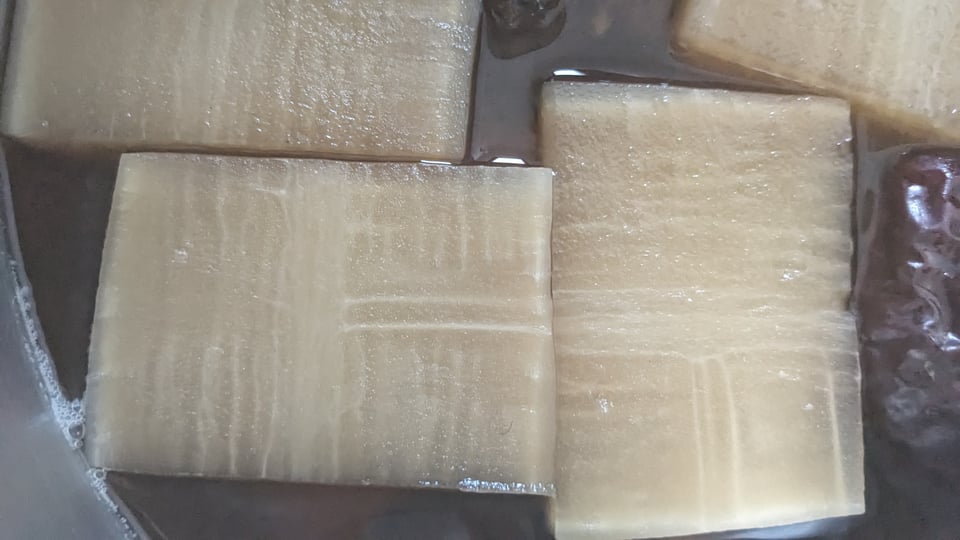
And so, I noticed patterns and repetitions - the aligned pine needles on a windy day, grid-like shadows from an LED street lamp, the lines in my braised daikon radish.
There were other threads I followed, but I won’t get bogged down in the detail here. The pieces that I’ll carry with me further on this path are as follows:
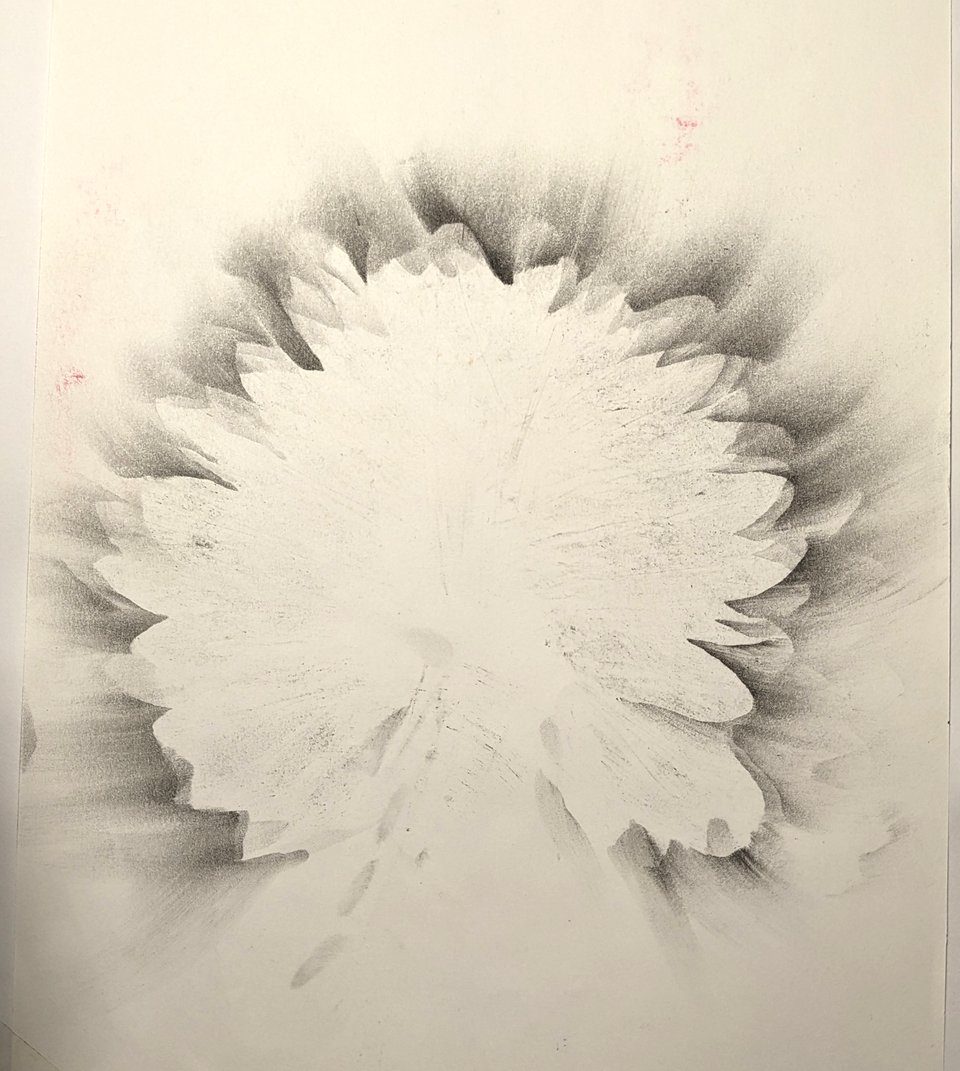
Conceptually very simple, but I love the ghostly edges. I basically repeatedly rubbed powdered charcoal off the edge of a large philodendron leaf, held down the base of the stem, meaning, it allowed for the leaf to move, which is why the edge kept moving.
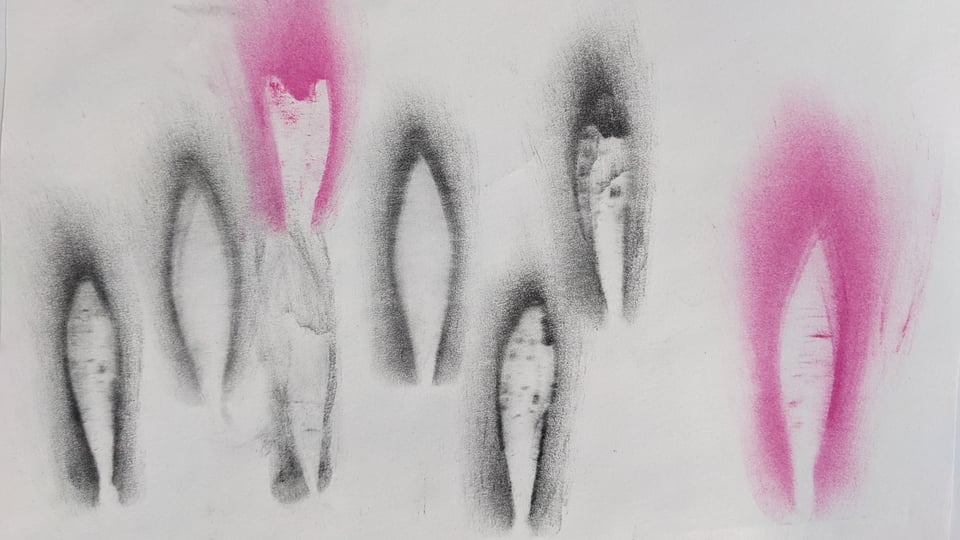
Similar idea, but for a dried “wandering dude” leaf - not so dry that it immediately crackled and broke, but dry enough that it cracked, allowing some charcoal to filter through, forming these streaks about the pivot point.
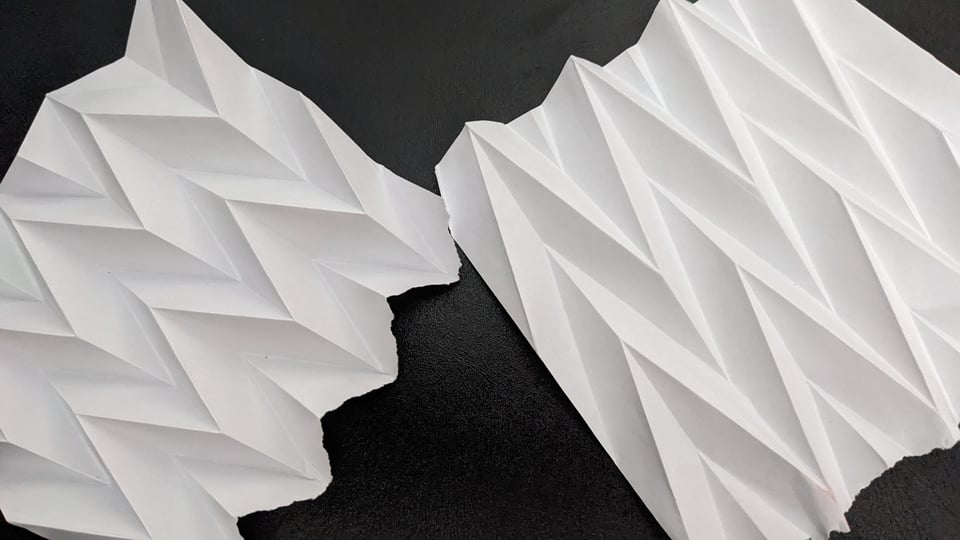
Highlight from this summer was seeing the Ruth Asawa retrospective in SFMOMA - while a small part of her repertoire, she played a bit with this origami fold. FYI, there are other ways to compress a sheet with origami other than this, and people have looked at using such origami for satellites to be able to deploy panels. Once the paper pops into shape you’ll compulsively open and close… open and close…