The Wellness Anxiety Epidemic: When Optimization Becomes Obsession
The Wellness Anxiety Epidemic: When Optimization Becomes Obsession
Remember when taking a walk was just exercise? Now it's a "biohack." Sleeping is "optimizing your circadian rhythm." And God forbid you eat a cookie without checking if it's "anti-inflammatory."
Welcome to 2026, where the wellness industrial complex has gotten so large that it's starting to consume the people it's supposed to help.
This week: The Guardian reported on what's being called "longevity fixation syndrome" - a pattern of obsessive health monitoring that's landing people in therapy. 1 We're not talking about healthy habits here. We're talking about people buying blood pressure monitors to check their BP daily "thinking if it was too high I might die." One case study: a professional who was "crushed by the pressure I put on myself" after investing thousands in biomarkers tracking, Oura rings, and supplements.
The timing is striking. Just as looksmaxxing (last week's obsession) pushes men to physically alter their faces, a parallel trend is driving women and men alike to become paranoid about their internal metrics. The thread connecting them? The belief that you can - and should - optimize every aspect of your existence.
The Numbers Don't Lie (But They Might Stress You Out)
The supplement industry is now a $330 billion market, with forecasts reaching $600 billion by 2030. 2 Every day there's a new "essential" vitamin, a new protocol, a new thing you're apparently doing wrong. Creatine saw a 21.5 million year-over-year increase in consumer interest. 3 TikTok's #supplements hashtag has 12 billion views.
But here's the uncomfortable truth most influencers won't tell you: "If you're not testing before you're taking these supplements, you may just be taking expensive pee," says Dr. Mohammed, a men's health practitioner. 4 The NYT reported this week that doctors are increasingly wary of the supplement craze, noting that supplements can contain contaminants, interact with medications, or simply be unnecessary. 5
TheNew York Times is actively soliciting stories from people who are "biohacking" to perform better at work. 6 Think about that. The paper of record is so concerned about workplace optimization culture that they're crowdsourcing examples.
What's Driving This?
A few things collided at once:
1. The quantification of everything. Oura rings, Whoop straps, Apple Watches - we're walking data centers now. Every sleep stage, HRV reading, and steps count is available at a glance. This creates an illusion of control over something (mortality) that was always outside our control.
2. The influencer-industrial complex. Every wellness "expert" has a supplement stack, a protocol, a $300 course. The incentives are misaligned - they make money whether you get healthier or not.
3. Post-pandemic anxiety. COVID made people acutely aware of their mortality. For some, that awareness transformed into hypervigilance. The Guardian's sources describe "hyperactivity" and "I have no control over my life" as common themes. 1
4. The aesthetic optimization pipeline. Looksmaxxing external appearance created pressure. Now the same perfectionist energy is directed inward. If your face can be optimized, why not your bloodwork?
The Rise of Fibermaxxing and Tincture Girl
In among the concerning trends, some genuinely interesting stuff is emerging:
Fibermaxxing - TikTok's latest gut health obsession involves strategically maximizing fiber intake. It's the most sciency-sounding wellness trend yet, backed by actual research showing 40% of functional nutrition shoppers prioritize gut health. 2
Tinctures are having a moment - Vogue reports that liquid supplements (liposomal vitamins, herbal tinctures) are predicted to be "one of the biggest wellness trends in 2026." 7Dua Lipa was recently spotted showing off her liposomal supplements. The appeal? Better absorption. The drawback? The "mysteriously light and sweet taste" comes from glycerin - meaning many tinctures are basically sweetened water.
The Counter-Movement
Here's what's fascinating: while some people are going deeper down the optimization rabbit hole, others are pushing back. The "anti-wellness" wave is gaining steam - people rejecting the pressure to track, measure, and supplement their way to perfection.
Some are calling it "wellness fatigue." Others are simply burnt out from the constant self-improvement grind. The Guardian piece quotes one subject: "I realised I am human, death is a part of life... it's going to happen when it happens."
The Takeaway
There's nothing wrong with taking care of yourself. Supplements have their place. Tracking sleep can be useful. But when you're checking your blood pressure daily because you're afraid you'll die, you've crossed from health into pathology.
The wellness industry wants you to believe that optimization is always good. But the smartest people in this space are increasingly advocating for something radical: Accepting uncertainty. Letting go of the fantasy that you can control every variable.
The looksmaxxers are out there hitting their faces with hammers. The longevity obsessives are counting milligrams of every supplement. Somewhere in the middle is a boring truth: the best thing you can do for your health is probably less exciting than any influencer protocol.
Drink water. Sleep enough. Touch grass. The supplements are optional.
Next week: We're covering the "clean girl" aesthetic's evolution and why Gen Z is abandoning smartphones. Don't say we didn't warn you.
Powered by Zo | Sign up at maxmaxxing.ai | https://zo.computer?referrer=mmmm
-
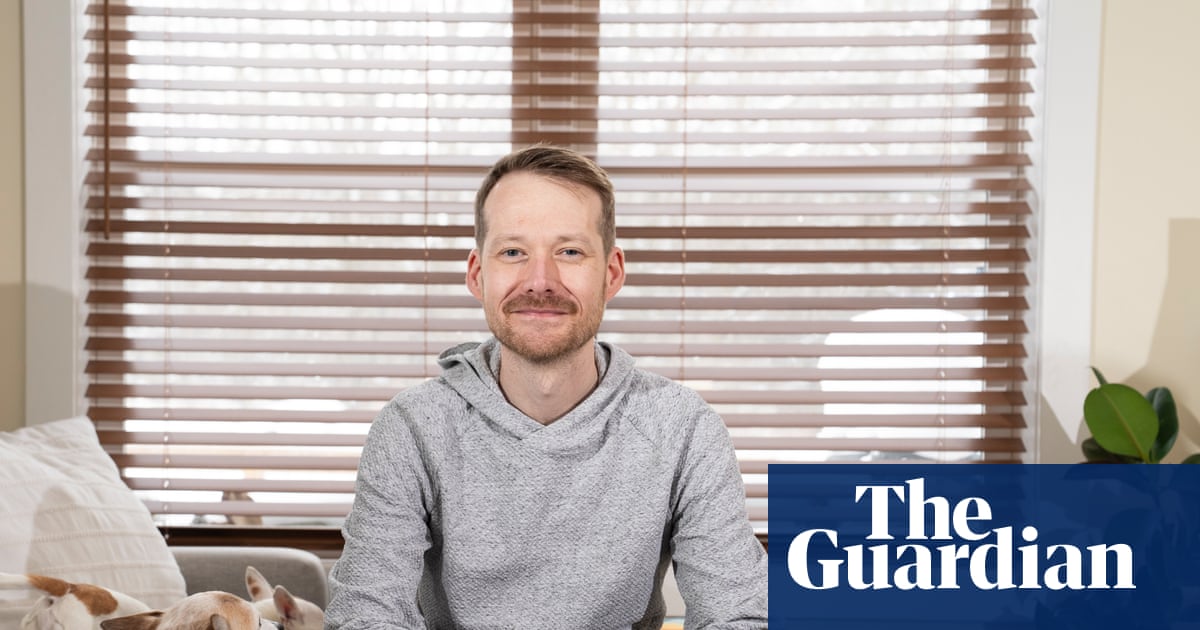
The troubling rise of longevity fixation syndrome: ‘I was crushed by the pressure I put on myself’ | Health | The Guardian
This unofficial diagnosis describes the anxiety-driven, compulsive obsession with living as long as possible. While it might seem healthy to monitor your diet, exercise and biomarkers, it can come at a huge emotional cost
-

Functional food boom: are big brands backing the right trend?
Discover why global giants like PepsiCo, Coca‑Cola and Nestlé are pouring billions into gut health, brain-boosting foods and longevity claims. Explore which functional trends have real science behind them — and which might be hype.
-
Feeling Tired? These Ingredients May Help | Vogue
Experts predict that 2026 will be the year the wellness industry focuses on energy.
-
Inside a Supplement Factory Beloved by Influencers and Doctors - Business Insider
Business Insider visited Thorne's supplement factory where creatine, electrolytes, and magnesium were being tested and shipped.
- https://www.nytimes.com/2026/02/09/well/eat/supplement-swaps-nutrition-food.html
- https://www.nytimes.com/2026/02/04/business/are-you-biohacking-to-perform-better-at-work-we-want-to-hear-from-you.html
-
What Are Tinctures? And Do I Need One in 2026? | Vogue
A closer look at the new wellness trend.

