
Game On! (Guts N' Gutters #16, January 2026)
Football, Vampirella & Why Limitations Can Be Good For You
TL;DR (Too Long, Don’t (Wanna) Read)
Letters from the Void Updates!
Crit One 4 Launching soon!
Series Updates
Into the Gutters: The Limit Does Exist, and it’s Good for your Craft
Gutter Buds!
Something Charlie and Remy Pitch a Show
Something New: Go back Good Luck Pins! by Sierra Bravo, Magni the Mighty #0-2 - A Post Ragnarok Series & Sink Your Teeth In #1 on Kickstarter!
Something Borrowed: Pluto
Something Blue: The Love Bunglers
WHAT’S THE WORD?
Hurdle - a portable panel usually of wattled withes and stakes used especially for enclosing land or livestock; a frame or sled formerly used in England for dragging traitors to execution; an artificial barrier over which racers must leap.
Letters From The Void Updates
We are slightly delayed in completing Letters from the Void, but I’m not concerned about it at all. Everyone who has work to be done was taking time off for the holidays, which I completely support. We are getting back into the swing of things this month and should hopefully only be a month behind schedule.
In other news, I have started securing writers for the second issue, and the first scripts are in progress. I won’t be announcing the cast until everyone is commissioned. As with the first issue, I want every writer to be paid upfront out of respect for their time and talents. Since everything comes out of my pocket, we might not have our full slate (my goal is 7 stories this time) until this summer. At this time, there’s no concrete plan for issue 2’s Kickstarter. Stay tuned!
Crit One 4 Launches Soon!
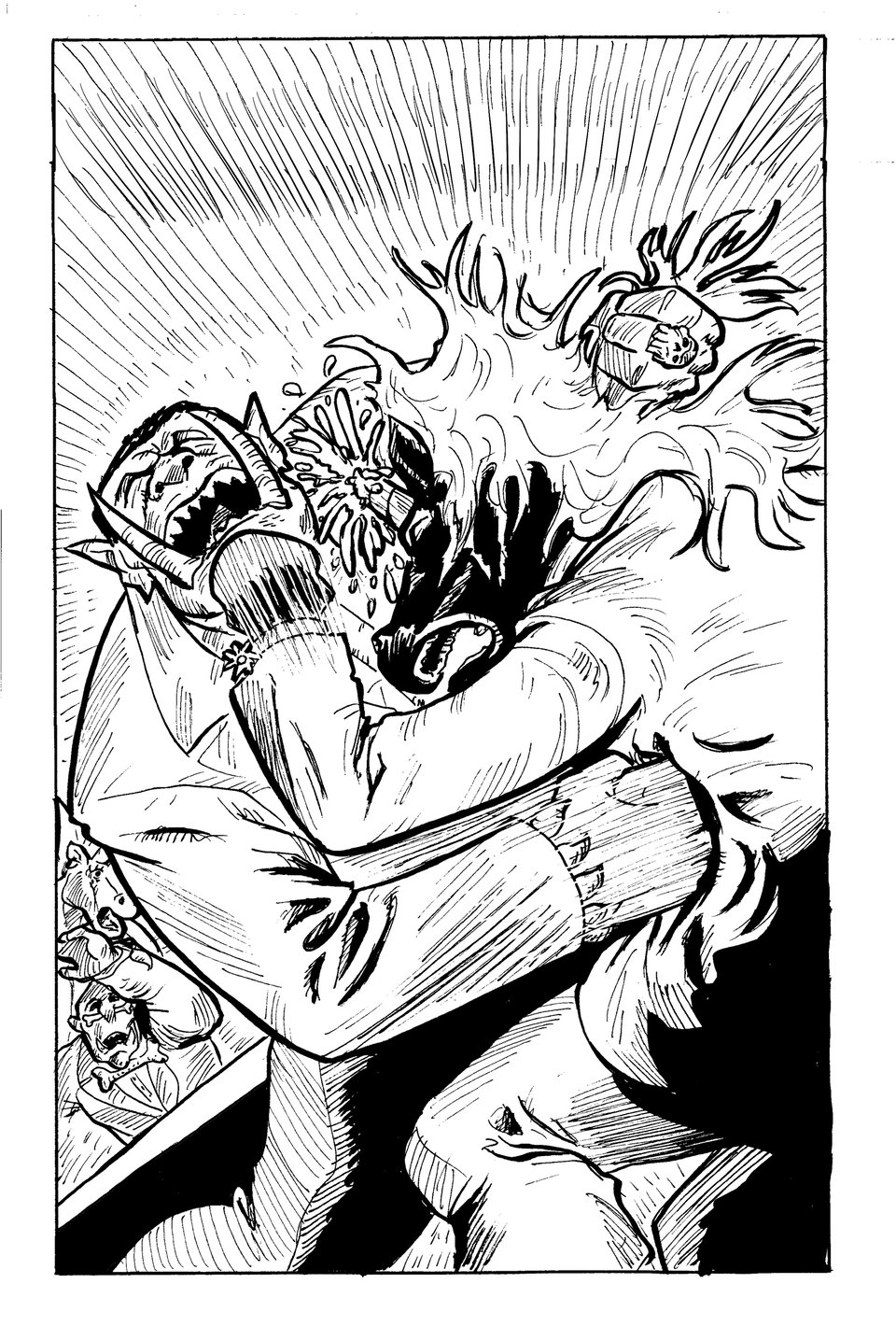
The final issue will be launching in just a few weeks! Follow the campaign so you don’t miss its launch.

Project Kaiju Husband & Nonbinary Little Mermaid Making Progress
The first script is being edited by the wonderful Devin Arscott. Also, I have reached out to an artist about getting pitch pages for this series, and they said they were available! I’m saving up funds to pay for these pages, and I can’t wait to announce who it is and show off the art.
The Nonbinary Little Mermaid project also has an artist who has shown interest ,and the first issue’s script should be completed soon.
I’m thrilled to have made a strong start on these and hope one of them will be pitch-ready by the end of the year.
INTO THE GUTTERS
The Limits are the Game

Professional sports are a masterclass in creating objective systems to determine who wins their championships. The process is complicated in detail, but not idea. The leagues set a limit on how many teams make the playoffs, which teams can qualify, and how ties are broken. Through this, no team or fan can complain about their team earning a chance to win, at least in theory. A team meets the criteria, wins, and then they’re the champion.
But what happens when the system isn’t objective?
Unlike the pros with their limited number of teams, college football–division 1 specifically (because there are multiple)--is populated by 136 teams spread across the entire US that have to accommodate a school schedule. Trying to enact any objective system would be such a massive, complicated endeavor that it has never happened.
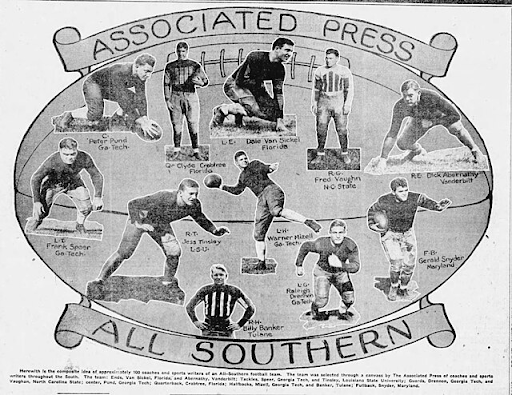
For nearly 60 years, the champion of college football was decided by polls, one consisting of sports journalists (AP Poll), one by college coaches (UPI Poll), and a smattering of other polls that mixed journalists and college hall of fame members. During this era, college football was essentially a beauty pageant because the winningest teams weren’t always chosen if another team seemed better, and sometimes there were “co-champions” when polls disagreed.
What came next was an allegedly objective system called the Bowl Championship Series that used computer models, a measure of how good a team's opponents were called “Strength of Schedule,” and… polls again. The #1 and #2 ranked teams would play each other for the title. This system was also controversial, as a team could go undefeated but still not make the championship game if their schedule was deemed too weak and certain conferences got automatic qualifications. There was always a bias against teams not in the “Power 5 Conferences,” so it was nearly impossible for any other conference to make one of the big bowl games, and they never made the championship.
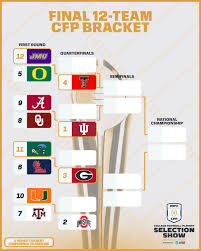
Now, we have a 12-team playoff system (expanded from four teams a few years ago), and there is more opportunity than ever for teams to win it all, but part of it still comes down to human decisions, so it will never be uncontroversial. This year’s playoffs were particularly noteworthy because two teams from conferences outside of the Power Four made it. The Atlantic Coast Conference’s champion fell outside the top 25 due to a once-in-a-lifetime tie-breaker scenario that placed a 1-loss team against a 5-loss team, and the 5-loss team won. Those two previously mentioned teams lost badly in their playoff games (if judged only by the numbers), so football fans were calling for a change in the playoff system for the millionth time.
To me, it seems these fans are subconsciously realizing a larger philosophical question in sports: that the system of play dictates what is possible in college football. Video essayist FD Signifier released a short essay last year that explored college football from a sociological lens and explained how the teams that have long been dominating the sport aren’t necessarily the best teams, but the ones that have benefited most from the current rules and can bend them (or secretly break them) most easily. For decades, that has been mostly the Southeastern Conference (SEC) because of how exploitative college football was (and still is to a degree) to all of its players, but especially impoverished black athletes.
“The South has the highest concentration of black people in the entire country and the highest concentration of poverty in the entire country, and those two things are very much related, especially in the South.”
It shouldn’t be any surprise that a young black athlete might see professional sports as a way to change their family’s life. With a little talent, motivation, and joining one of the perennial contenders, a few good seasons of play could lead to millions. And these decisions had to be carefully considered because college football penalized athletes who transferred schools and didn’t allow any monetary compensation outside of a scholarship. There are plenty of tales of talented college athletes who didn’t have food to eat despite making millions for their school.
By removing these punishments for transfers and allowing student athletes to make money off of their name, images, and likeness (colloquially called NIL), that SEC dominance has shifted. For the past three seasons, teams from the Midwest have won the championship, and it’s very likely that this trend will continue.
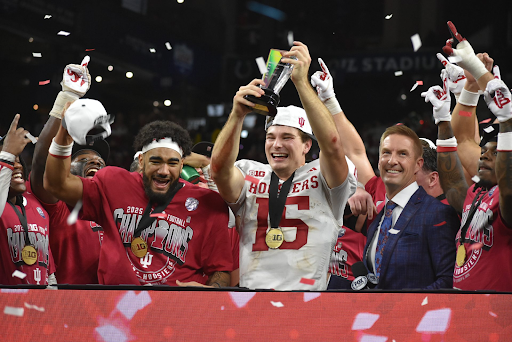
The Facebook comments section of any post regarding the college playoffs will quickly reveal that this shift is seen as the end times among many fans. They’ll claim that players are selfish and don’t have “loyalty” to their teams anymore, plus nobody can predict who the good teams are anymore. But, it’s not the players that have changed the landscape of the sport; it’s the system. There are simply more possibilities now, and players don’t have to worry about feeding themselves as much when considering where to play. The fans are seeing in real-time that the limitations of football are what made the culture, and some don’t like the discomfort that brings.
This idea isn’t limited to sports either. In creative pursuits, the limitations of the medium and culture surrounding it will also dictate what’s possible and it’s not always a bad thing. The change to college football has equalized the sport somewhat. It’s far from perfect, but more teams these days have come up with creative solutions to work within this new system and succeed. Since I’m sure most of you are bored by my lengthy football talk, allow me to connect this idea of the system back to one of my favorite comics.
The Birth of Vampirella
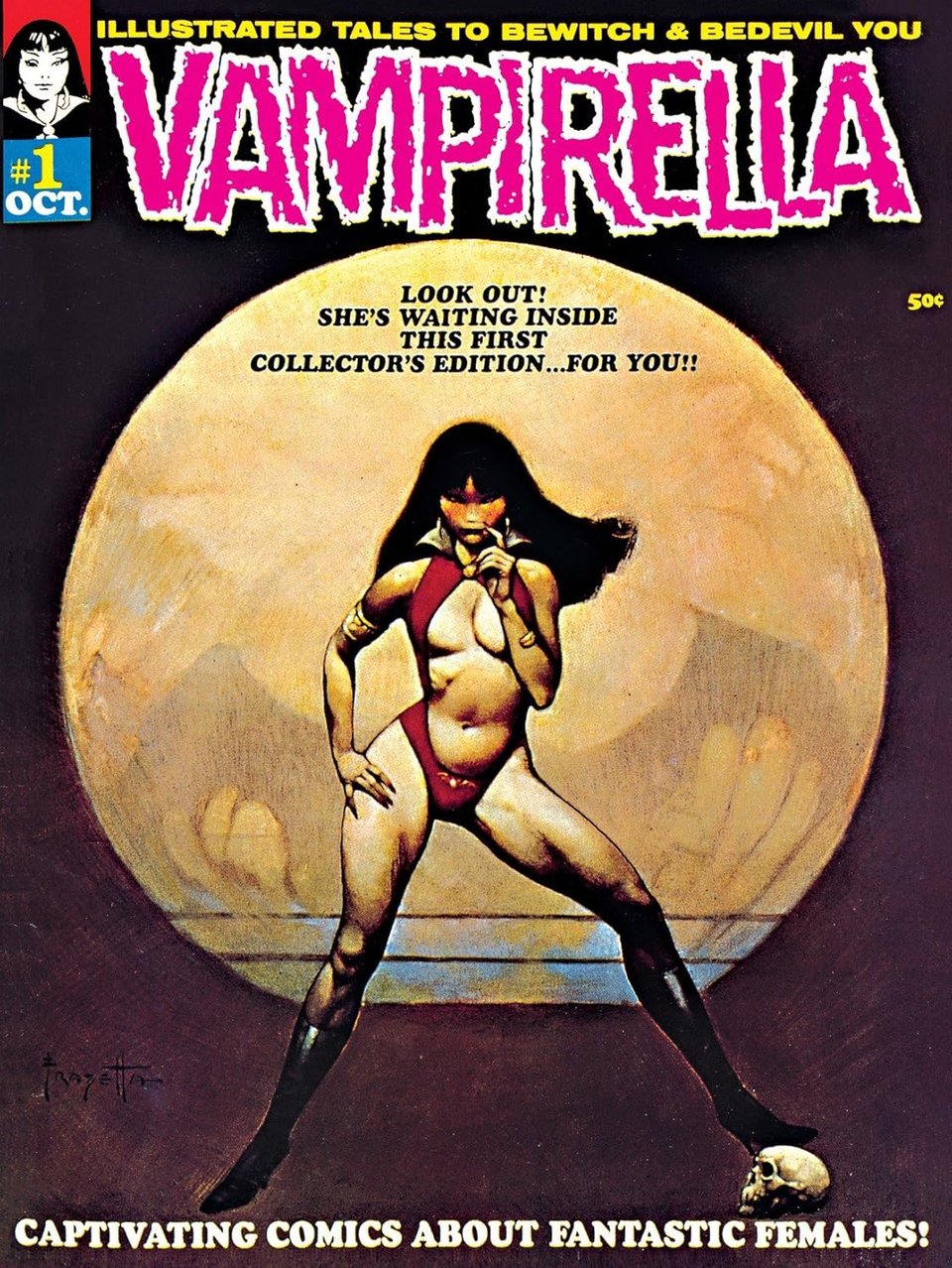
Warren Publishing, home of Creepy, Eerie, and my favorite, Vampirella, was birthed during the heyday of the Comics Code Authority. For the unfamiliar, this was a self-censorship group that made it impossible for comics to show things like graphic violence, homosexuality, or anything that broke a typical “good vs. evil” storyline. Despite these restrictions, there was still a demand for the spooky and the macabre, and Warren’s founder, James Warren, was quick to swoop in. Their comics had a unique style and format that allowed them to flourish, but much of it came out of necessity, creative loopholes, and stretching the limitations of the time, not artistic brilliance.
Firstly, it has to be asked, “How did they get around the Comics Code Authority?” The company noted that the Code only applied to comics, not magazines. So, they printed their books at 8.5 inches by 11 inches (instead of the around 7x10 size of comics at the time) and sold them solely on magazine racks, so they could argue that their comic books were, in fact, magazines. Warren’s flagship publication was Famous Monsters of Filmland, a magazine that published articles and behind-the-scenes photos of horror films, so they had a strong case already. The Comics Code’s ghasts would have been flabbered to see a scantily-clad blooddrinker like Vampirella in a Marvel or DC book, but they could do nothing to Warren.
Because of the larger format, the panels were often more detailed and contained some amazing splash pages. It wasn’t unusual for layouts to be between 7-10 panels, and in extreme cases, they could be as high as 14.
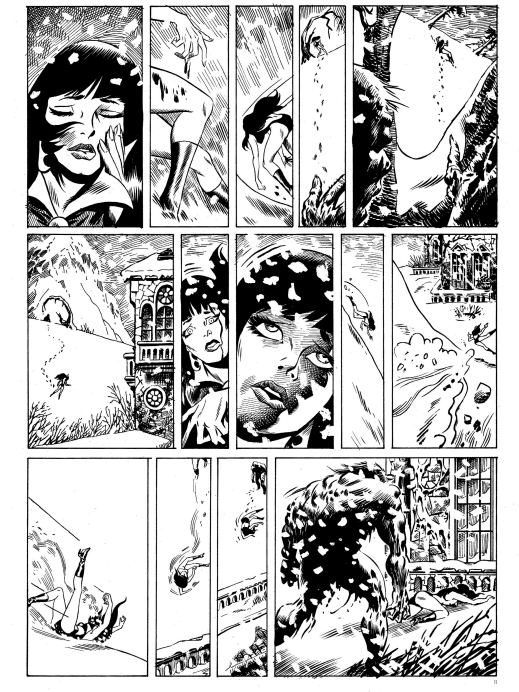
Despite getting around the Comic Code and meeting a niche, Warren was almost always struggling financially. Partially the market and partially because of the founder’s whims, who wanted to have a Hugh Hefner-type publishing empire, the company was notorious for paying writers and artists late–if at all–and they couldn’t afford to use four-color printing. So, while the horror comics they sought to emulate were typically in black and white, Warren’s decision to use it was based on necessity, not style. But, the artists of the time made the most of it and crafted some stunning layouts.
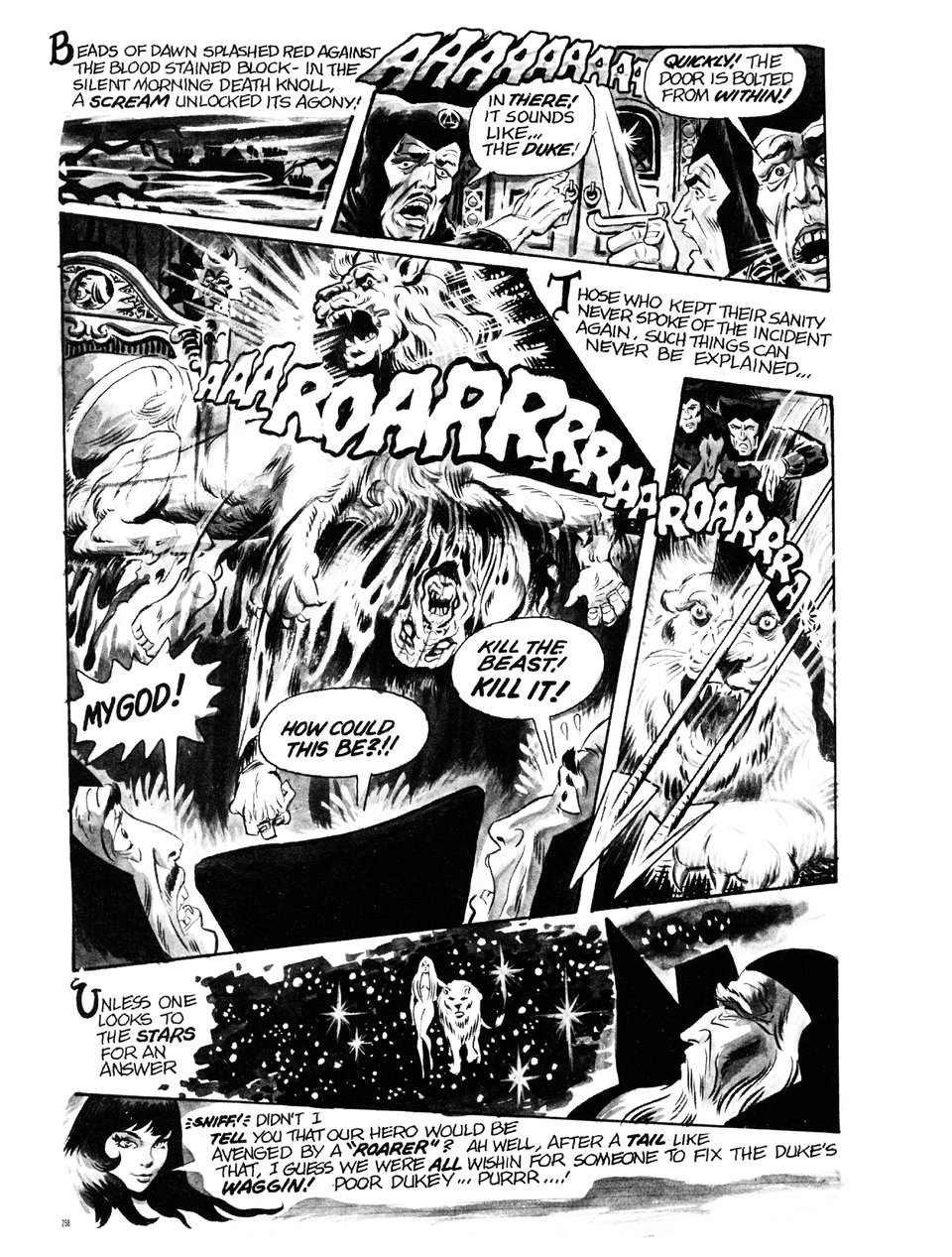
What both of these things show is how creativity can emerge from being fenced in. In many ways, it is the fence that determines what can be made. By recognizing those limitations, creatives can make better art and push those boundaries. It’s an essential part of the artistic journey, one that Scott McCloud outlines in Understanding Comics. As an artist grows and masters new skills, understanding the limitations of medium, culture, and self will separate the adept from the great.
GUTTER BUDS
SOMETHING(S) OLD
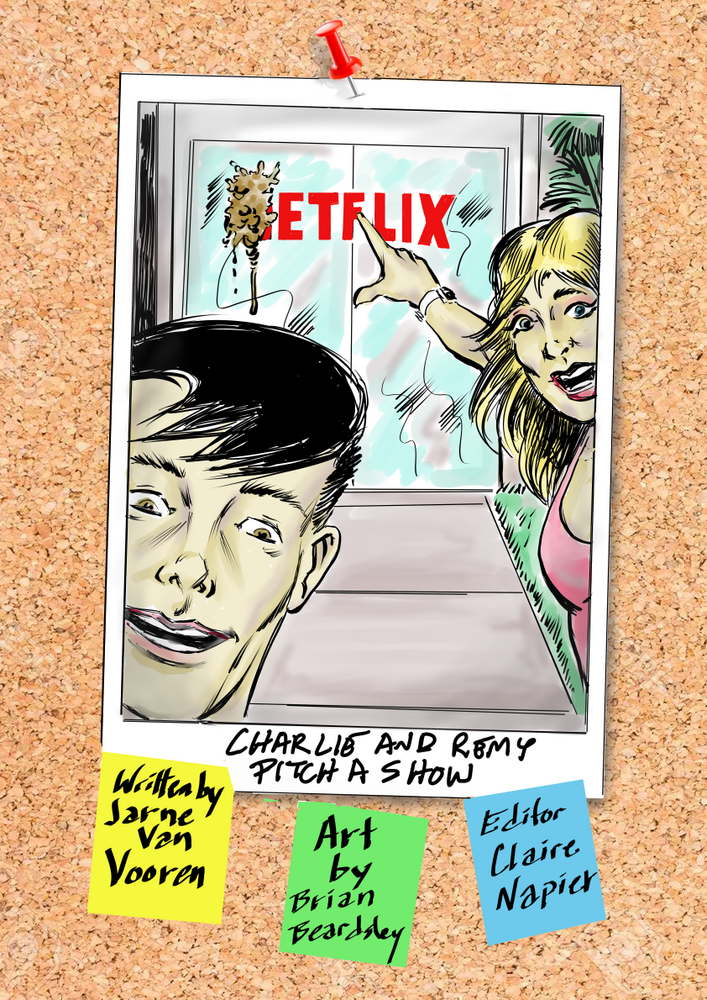
While written four years ago, Charlie and Remy Pitch a Show still feels very relevant. In today’s corporate-fueled media landscape, it seems like no work of art is safe from getting sliced if it doesn’t meet some arbitrary metric. This is the foundation on which Charlie and Remy builds its satire and horror. It’s an excellent read and has multiple sequels to sate your needs!

SOMETHING(S) NEW
Check out these campaigns by friends, colleagues, and things I just thought looked cool:
Good Luck Pins! by Sierra Bravo
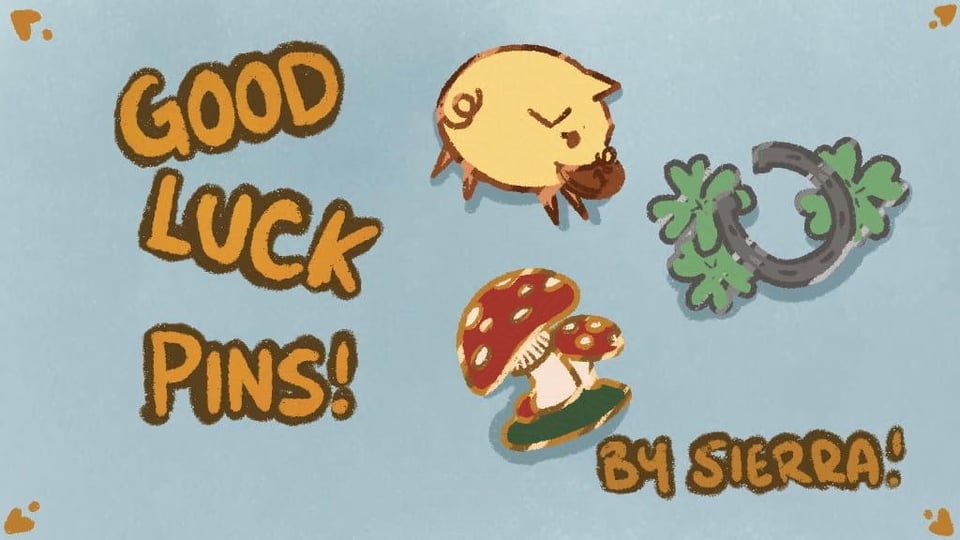
New Year's is a time for resolutions, celebrations, and, in my experience, mostly lots of little rituals for good luck in the coming months: so what can be more appropriate than some little good luck charms? Every culture has their symbols for good fortune, some more well known then others. And can't we all use a little extra luck these days? Here are three charms (so far) to help us through these trying times. I present to you, my Good Luck Pins!

Magni the Mighty #0-2 - A Post Ragnarok Series
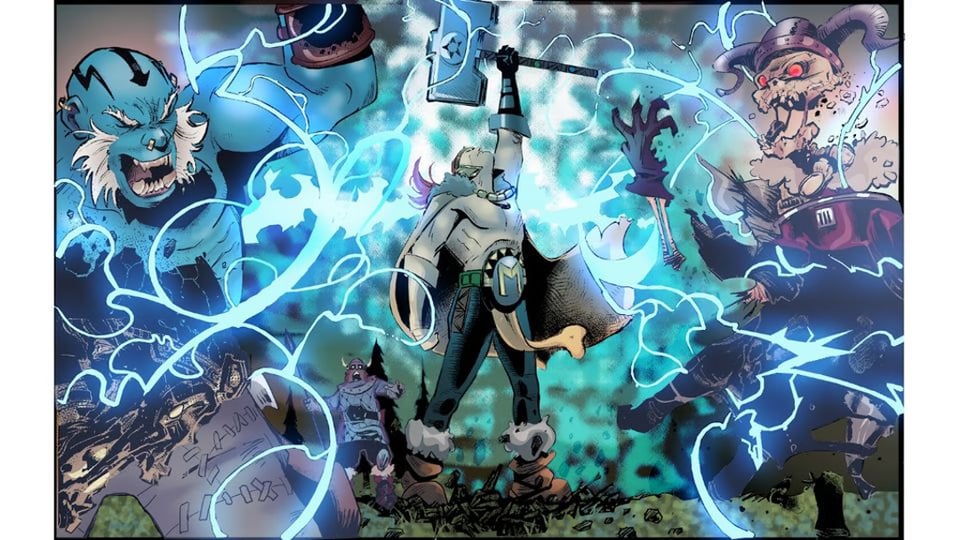
Magni is back, and he’s up against a formidable foe! The post-Ragnarok adventures of the Norse God of Strength continue!
Ragnarok, the Twilight of the Gods, has come to pass and left in its wake are 9 Realms in disarray. Magni and Modi, sons of Thor, must embark on all new adventures through this new universe ahead of them or perish. With newfound purpose, Magni is now up against a familiar face from his past…the fearsome Baldr!
Magni the Mighty is a gripping action fantasy series of survival, adventure, and self-discovery.

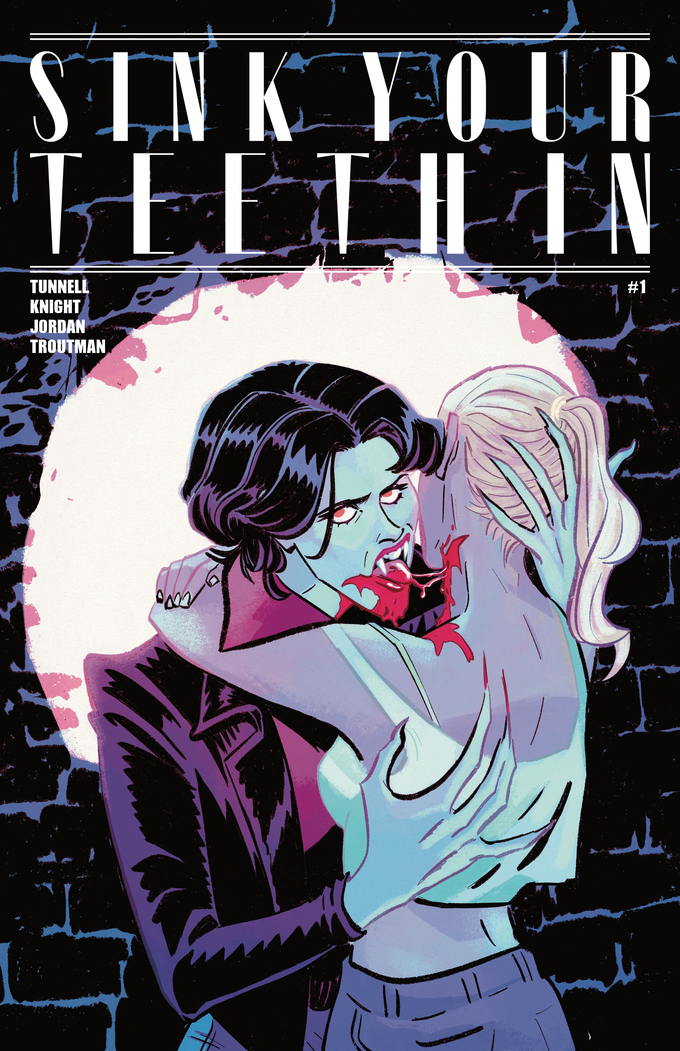
Sink Your Teeth In #1 is the first issue in a 4 issue miniseries from an all-star queer creative team!
Chicago is a vampire town. Has been for years. Divided between four rival factions of influential undead, every drop of the city's lifeblood runs through them. And Corsica Smith barely sees any of it. Having long since fallen from her once-powerful place in the city’s elite, she scrapes by as a bottom-rate private eye.

SOMETHING(S) BORROWED
Pluto by Naoki Urasawa

I’m taking a deep dive into Naoki Urasawa’s bibliography because I’ve been told he’s one of the greatest mangaka. After reading volume 1 of Pluto, I believe it already. Stories that explore robots and human bigotry have always fascinated me, hence why I adore Asimov’s work so much. Right away, I was stunned by Urasawa’s character acting. Even with static-faced robots, he manages to convey so much emotion in the composition of his panels. Urasawa may become my Mignola this year.
SOMETHING(S) BLUE
The Love Bunglers by Jaime Hernandez
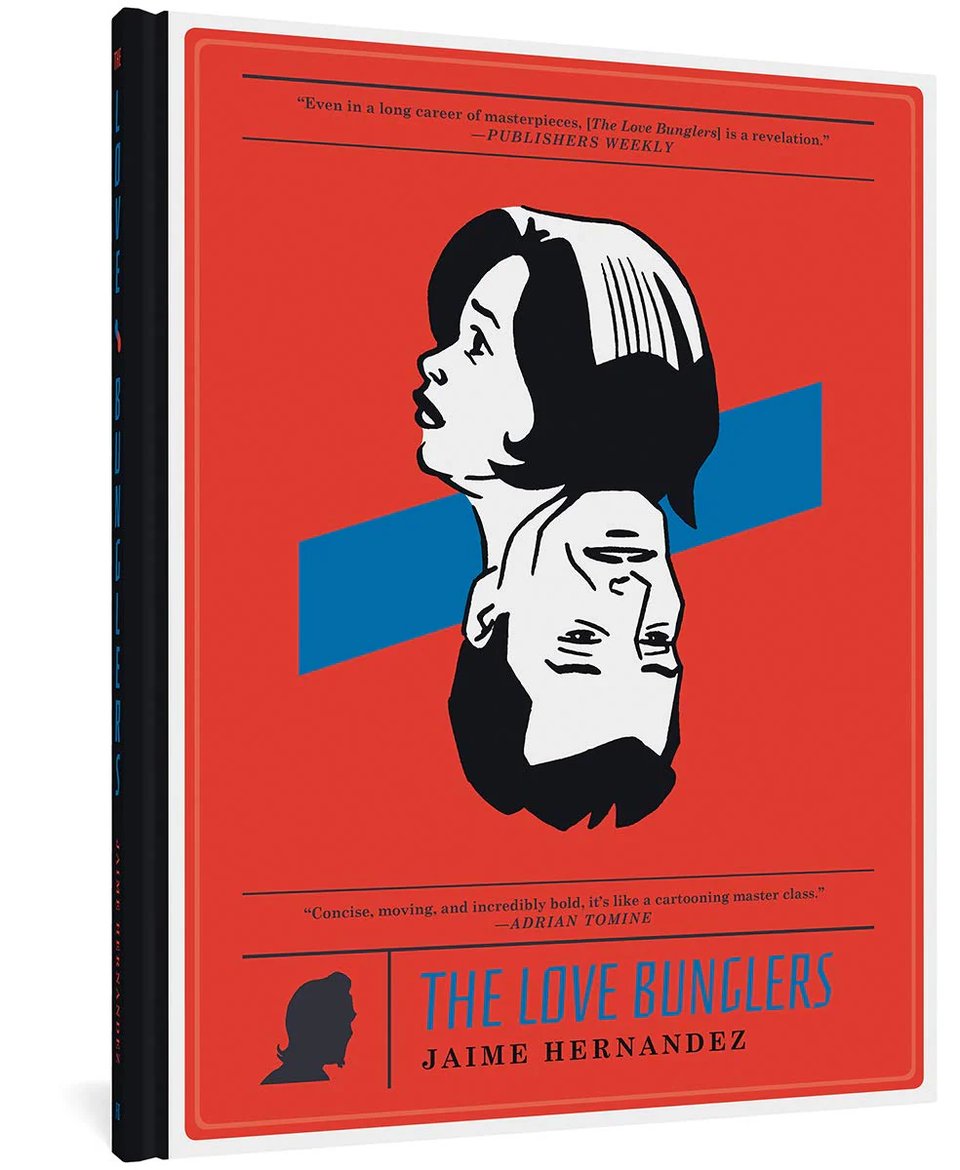
I haven’t read a ton of Love and Rockets, so some of this book likely went over my head, but outside of the beloved series where these characters originate, it’s still a solid romance book. I love how The Love Bunglers is a kind of second-chance romance book–well, more like fourth or fifth-chance romance–that shows how people can still find each other in the end. Through traumatic childhoods and moments where the two protagonists just miss each other, the reader sees a lifetime of stories that led each character to the other. I hate to be too cheesy, but it truly is a marvelous story of the endurance of love.