
Assembling a Beginner Drawing Kit
Suggestions on assembling a beginner drawing kit
Hello, from the Sketchy Traveler newsletter. A mostly bi-weekly newsletter on drawing and life design. Excited to have you join us! If you are enjoying this newsletter consider becoming a patron to help keep this newsletter financially sustainable.

When the inspiration comes you do not want to be scrambling to find your drawing supplies as you walk out the door. That is why it is helpful to have a preassembled drawing kit ready. This kit might take a variety of forms depending on your preferred medium and how you draw, but there are some basics it helps to have no matter what. So today, I wanted to cover these basics for a beginner drawing kit.
Bags and Carrying Cases
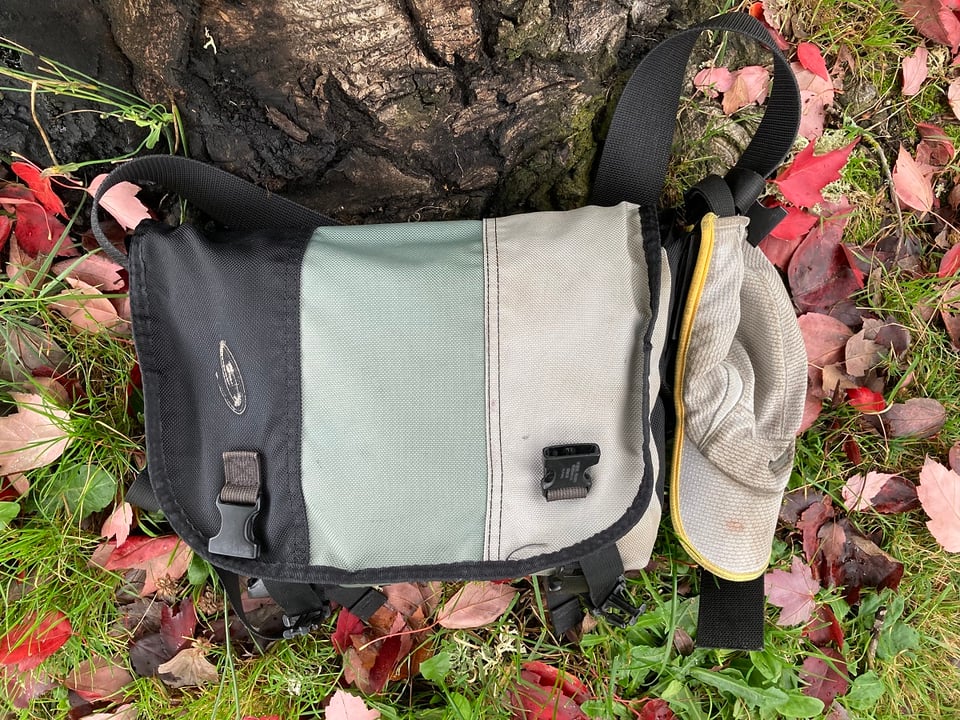
Having a bag that will provide what you need and is comfortable to carry is critical. I have used an old Timbuktu bag for many years now, though it may be about time to retire it. I have seen people enjoy small backpacks and fanny packs as sketching bags too. These cloth bags are comfortable to carry, and their variety of strap systems means you can carry them long distances.
If you want something sturdier, a toolbox or carrying case with a handle can work too. Boxes and cases are especially useful if you practice plein air oils or acrylics to make carrying the paint easier. Art shops often have small folding easels available with a built-in pallet and pack into a small box with a handle or shoulder straps for easy transportation. The only drawback to boxes is that they can put a strain on hands and arms if you plan to carry them long distance.
Beginner Tools
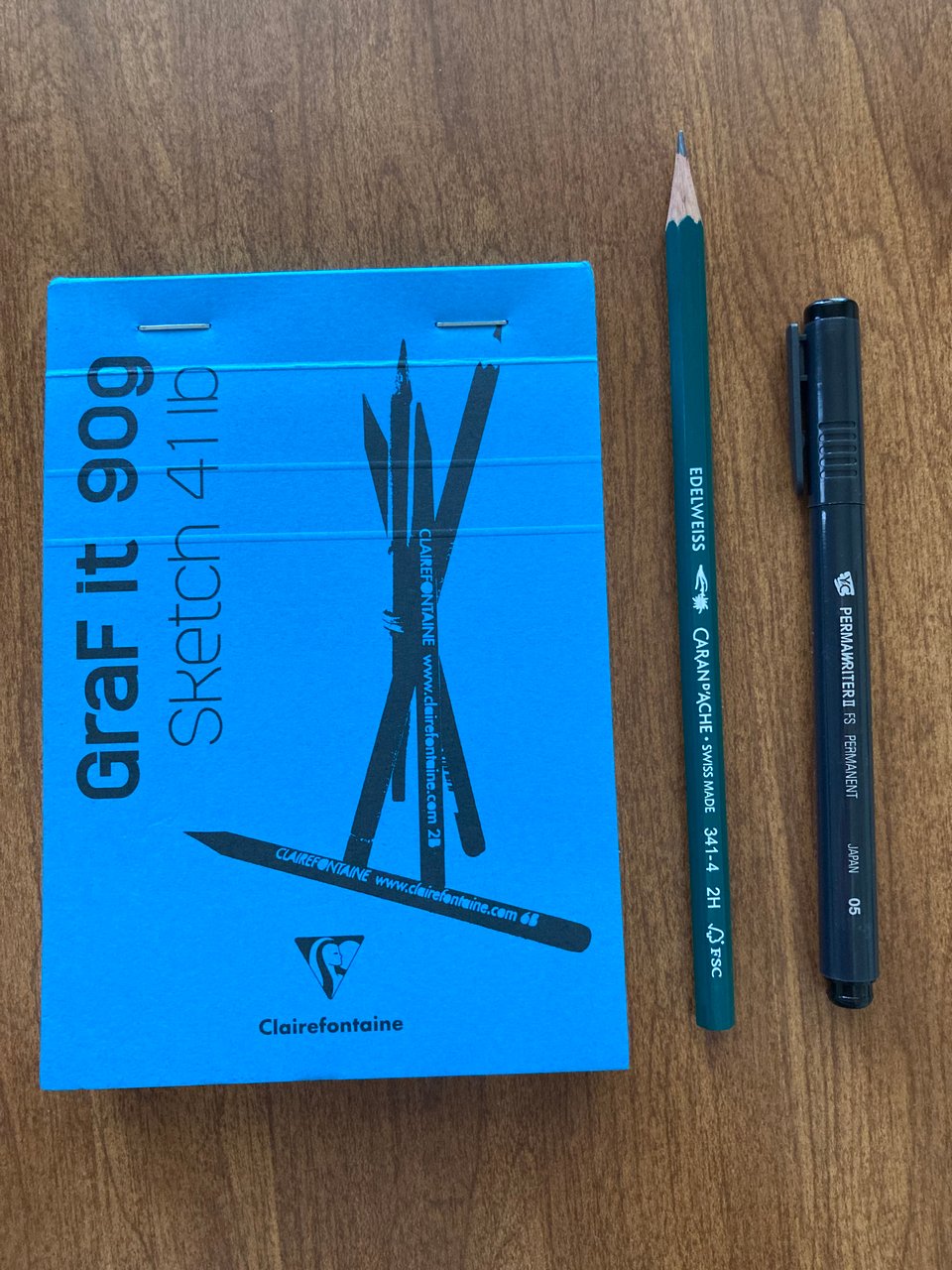
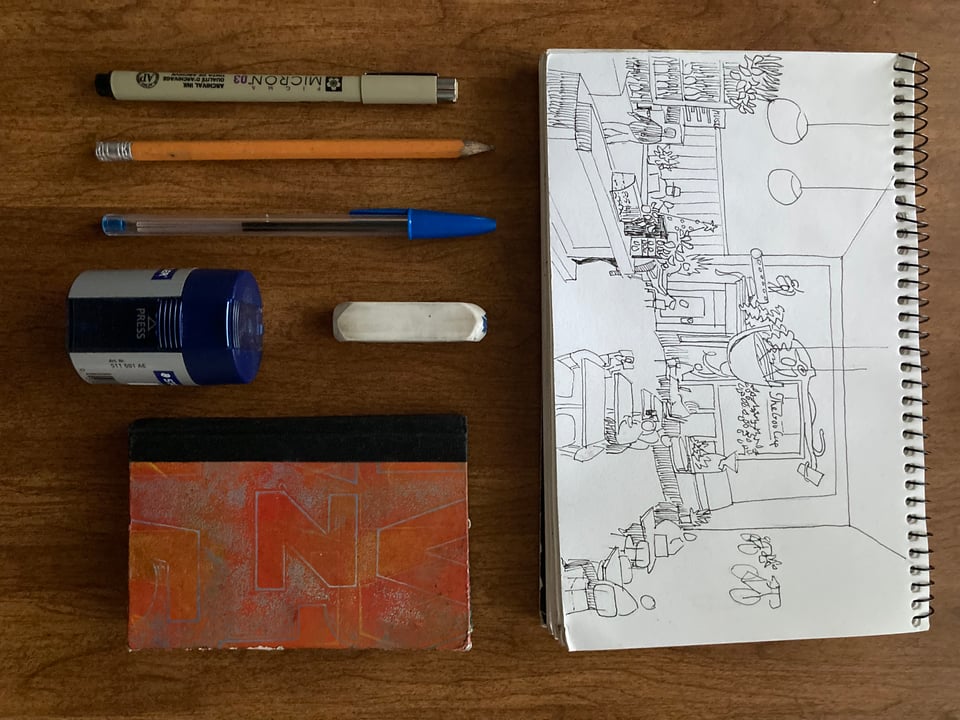
Once you have the place to put your drawing supplies it is time to consider what to put in the bag or box. A solid tool for any artist is a pencil - basic number 2 pencil works just fine – and the accompany tools such as a pencil sharpener and eraser. A pencil is the perfect tool for initial outlines and practice drawings while causing minimal mess. If you want to experiment, try out a softer pencil (SB or S numbers) or a charcoal pencil.
Another solid tool to make sure you have are a couple of pens. I aim for a blue ballpoint pen, and some felt tips pens. Blue ball point is a great tool for taking notes and stands out well against a wide range of colors. Felt tip pens provide a wonderful contrast on white paper with their dark lines and consistent thickness that makes for great line drawings.
Brought to you by Logan Bingle Creative Coaching
Supporting highly competent people looking to reconnect with creativity, ease and flow to power their next chapter whether that is retirement, an encore career or midlife pivot. Schedule a free discovery session today to explore ways to bringing your creativity back into your life and career.
Paper and Sketchbooks
Once you have your bag and tools the next item to consider is what you are going to draw on. Paper is the easiest option and comes in a variety of weights starting around 20 lbs. (printer paper) up to 120 to 150 lbs. (watercolor paper). For quick sketches, paper in the 20-60 lbs. range is usually good. This kind of paper can take pen and pencil without excessive bleeding through the page or the paper breaking down. If you want to use heavy or moist mediums like watercolor, marker or pastel paper in the 80 to 120 lbs. range is best to keep the paper from buckling and the medium bleeding through the page. Paper over 120 lbs. is perfect for heavy use of wet mediums, like watercolor, or light applications of heavy mediums, like acrylic or oil paints.
Another factor to consider when choosing what to draw on is the form of the materials. For drawing on site, a sketchbook is usually best as it is easy to carry around and keeps the pages organized. You can also find sketchbooks with hardcovers which can take being jostled and banged around in a bag while traveling. For many years, I have preferred the Holbein 33 7” x 5” sketchbook as it is big enough to capture a fair amount of detail while not being so large that it takes a long time to fill in. I also usually keep a small sketchbook too (4.25” x 5.5” or smaller) for quick snapshot sketches.
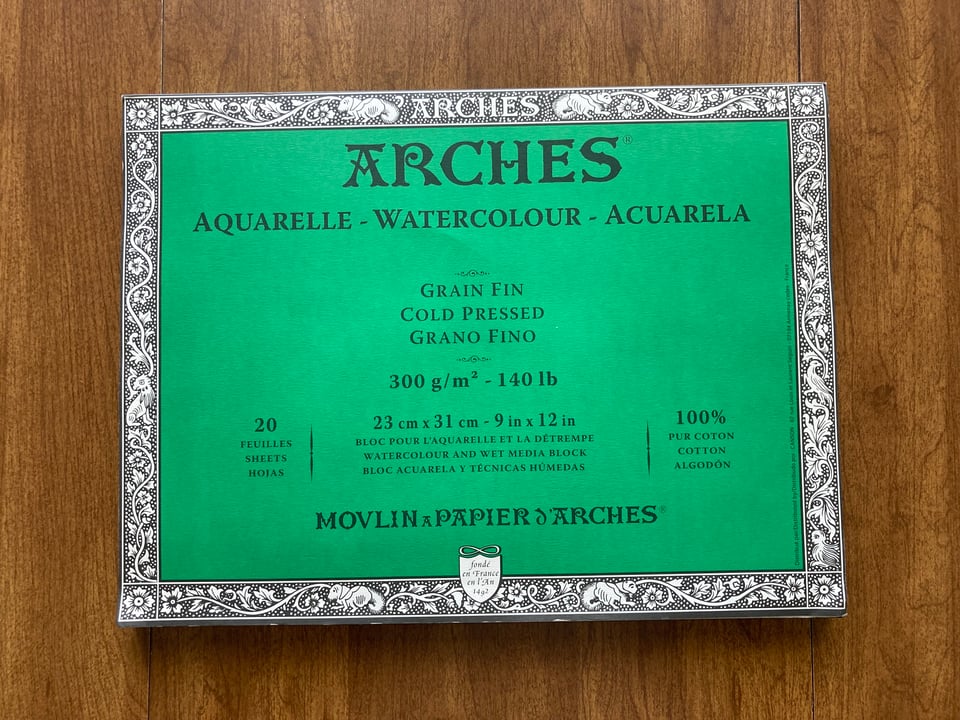
Paper over 120 lbs. usually does not come in books due to how stiff the paper is. You can usually buy this heavier paper in blocks that keep the pages organized and are easy to carry with you. If you buy a block of paper make sure to have a plastic knife, or similar tool, to cut the pages off the block when you finish a drawing.
Upcoming Events
Lunchtime Sketching Social
Wednesdays, 12pm-1pm
Open drawing time with minimal instruction to sketch, share techniques and meet other artists in Corvallis. A subject and some basic materials are provided. You are welcome to bring your own materials and subjects to draw too.
The End is Only the Beginning
Wow, you read all the way to the end of the newsletter. This is the end of the newsletter, but only the beginning of your journey. Here are some potential next steps:
Become a newsletter patron and help keep this newsletter financially sustainable
Register for a 1:1 coaching session or come to the open drawing time
Purchase a print or commission me to do a drawing for you
Add a comment: