Issue № 17 - One More Time, With Feeling!
Back in Boston on a chilly trip to the Museum of Printing, I unraveled a few, final Linotype secrets and was interviewed.

Issue № 17 - One More Time, With Feeling!
Minor confession time: I told you the Smithsonian Museum of American History would be my final research destination of the year; but I lied. On the last few days of 2025, I found myself on a United Airlines A321neo, headed towards Logan Airport, making yet another trip to the Museum of Printing in Haverhill; north of Boston.
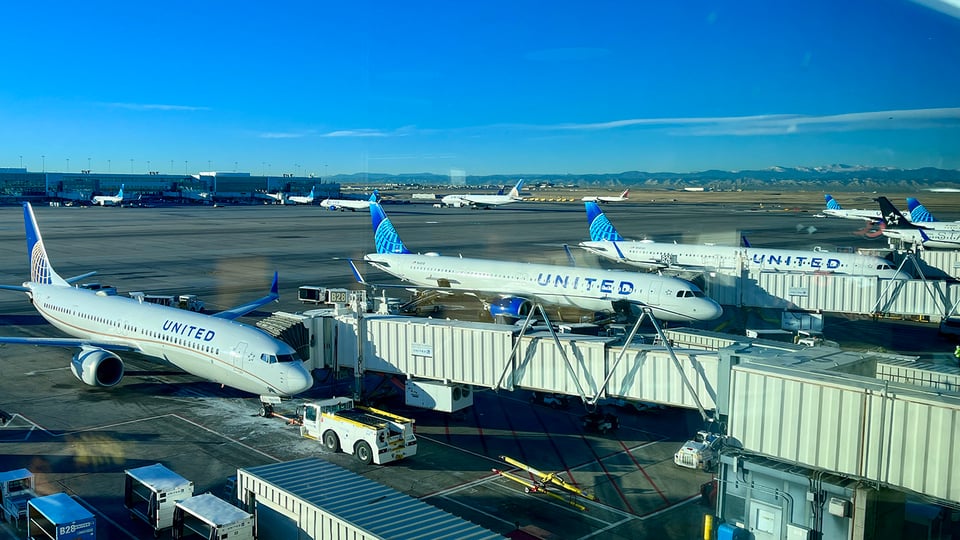
It’s a trip I’ve taken four or five times for this book project, but I needed to document a few remaining items in their collection and pry a bit more Linotype knowledge from Frank Romano for the 3rd, 4th, maybe 15th(?) time.
A trip to Boston in the winter? What idiot would choose that?!
Well, as they say: it’s me.
Drawing(s of) Type
The MOP is special in multiple ways, but specifically it has a very unique collection: all of the technical drawings for every glyph of every typeface designed by the Mergenthaler Linotype Company since the early 1920s.

These drawings were originally donated to the Smithsonian in the 1990s, however, they couldn’t accept them as they had already received so much other material (which I shared in my previous newsletter). The drawings eventually arrived at the MOP; because Frank simply couldn’t allow this part of history to become landfill.
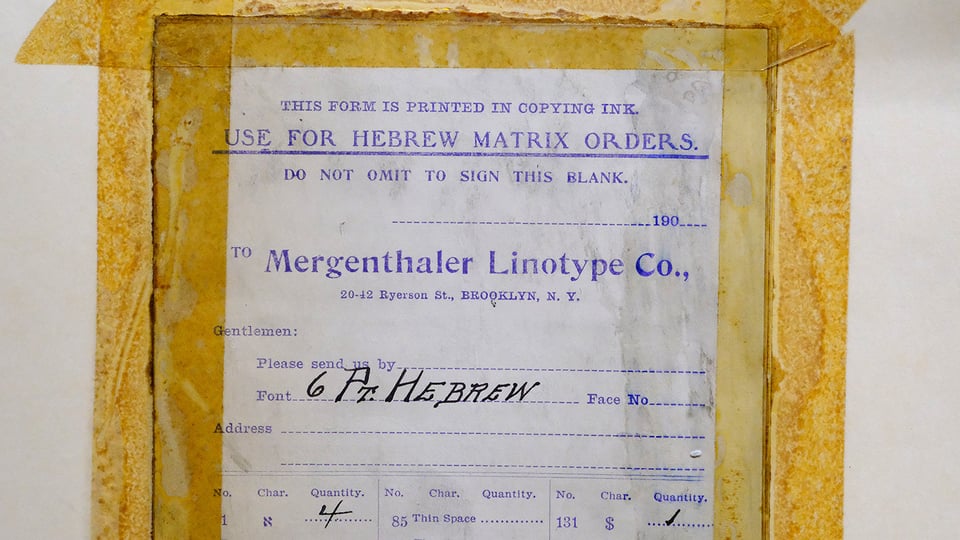
The first time I came across the drawings was in 2011 for “Linotype: The Film.” In fact, that very moment is documented in this video clip. We see Frank Romano digging into large, black boxes, showcasing the thousands of drawings for Linotype fonts.

In one of my previous interviews with Frank, he casually mentioned there were several flat-file cabinets of drawings that were not part of this large collection I had already seen. Say, what?!
There’s a saying about curiosity and cats that surely applies here… So these “hidden drawings” were the reason I was back at the MOP, on the last day of December, absolutely freezing my hands off.
Flat Files of Files
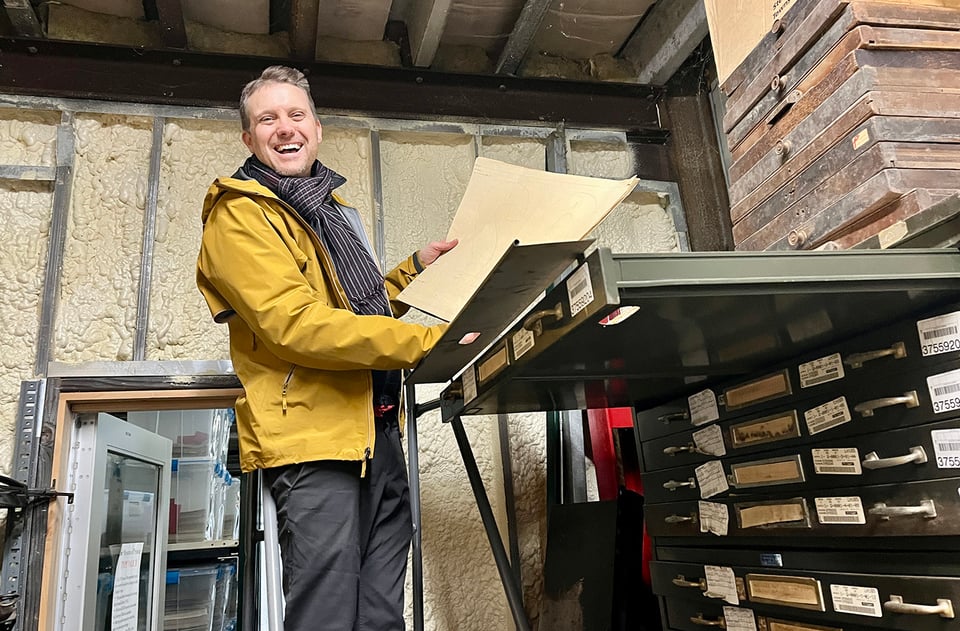
My hands were freezing because these drawings were stored in the back of the museum building in an unheated garage area. I was searching for evidence of how type was modified and produced for the Linotype. Special thanks to MOP volunteer Kim Pickard for helping me dig through all of these drawings. I couldn’t have done it without him.

It was cold. It was interesting. But honestly, for what I needed for the book project: it wasn’t that helpful.
But that’s the thing about research: you don’t know until you dig through the physical materials. These drawings are not digitized and they haven’t been touched in nearly 30 years. There’s no database or search engine for these, but even dead-ends are paths worth taking in the pursuit of the full story.
As with my other research trips, I put my quick phone photos of these drawings and other findings in a Flickr album for you to peruse to your heart’s content.
“Romano: Like the Cheese”

I’ve lost track of how many times I’ve interviewed Frank Romano.
Starting back in 2011, when he introduced himself by saying his name was pronounced “like the cheese,” we’ve been talking about the Linotype for the past 15 years. There usually isn’t a week that goes by where I don’t email Frank with some extremely-specific question about the Linotype and he promptly replies.
For this project, I had already interviewed him two other times, but I wanted one more of our discussions on tape. I knew some of the stories would be repeated, but each time we talk, I get a better understanding of the Linotype, Ottmar Mergenthaler, and the societal impact they made back in the late 1890s.
Hot Type! Get Your Hot Type Here!
I visited the museum on a Wednesday; which is when a few of the MOP volunteers gather to work on various projects, clean up the shop, and organize what has most recently been donated. Thankfully, Chris Bradford was there.

I like Chris. After he retired from his highly-specialized job in hydraulics, he came to the MOP on a random Saturday as regular visitor and was bit by the Linotype bug. Since then, he has been learning how to maintain, run, and keep running the Linotype and Ludlow at the MOP. We need more people like Chris.
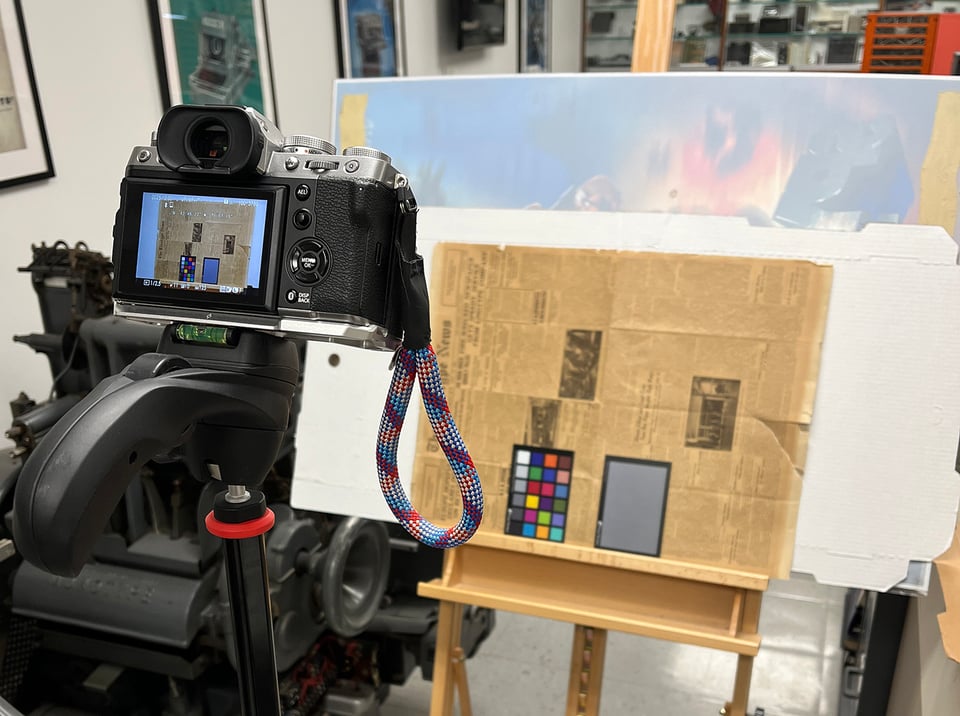
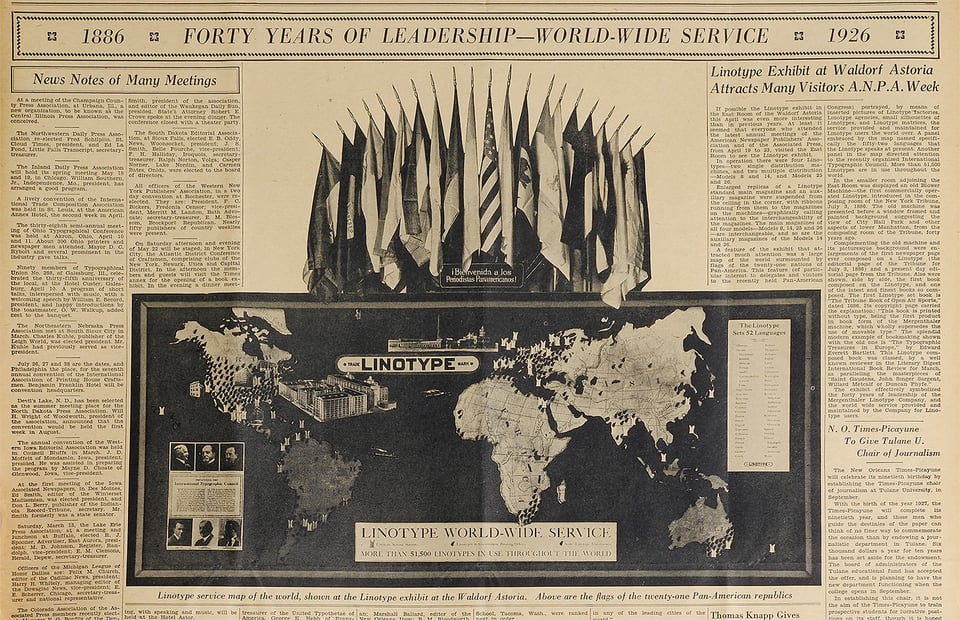
While I was capturing old Linotype publications, I asked Chris to warm up the Linotype machine. No reason, really, I just wanted to hear it run: the most satisfying mix of tinkling brass, oiled metal, and a slot machine hitting the jackpot. Heck, I wrote a newsletter and made a video about that sound…
Chris ran the machine while I watched and smiled, then he forced me to sit down and set a few lines myself. Many people ask if I know how to run a Linotype and the short answer is: no. The longer answer is: I know how to type and send a line for casting, but if the Linotype stops for any reason at all, I’m hopelessly lost.
Softly tapping on that unusual keyboard brings me joy; every single time.
Some Professional News

Towards the end of 2025, I departed Monotype as a full-time employee and have recently launched my new venture: Type Advisor. Leaning on my 20 years of experience in typography, design, and advertising; I started a company as an independent “font consultant” for both creators and users of type.
Are you a type designer confident in your design skills but unsure how to market, promote, and position yourself for long-term success? Or are you a graphic designer who needs an independent view on your upcoming rebrand or company’s font strategy? I can help!
What They Think (dot) com
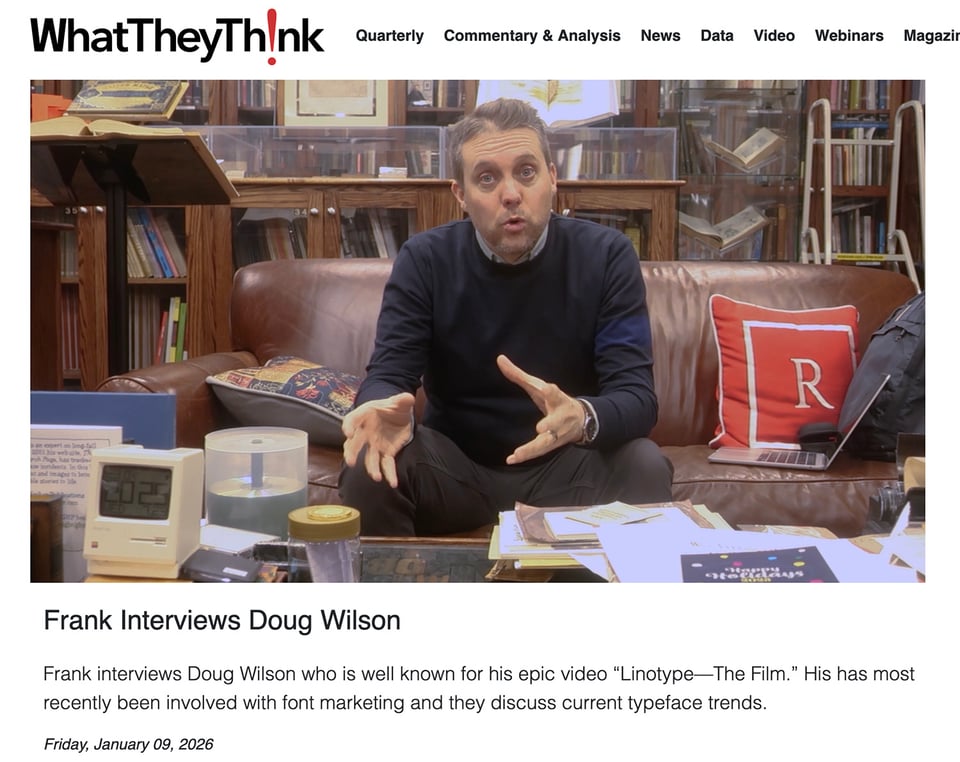
Whilst at the MOP, Frank playfully turned the tables: interviewing me for his ongoing series at whattheythink.com. We talked about fonts, how you don’t technically own the fonts on your computer, the introduction of Helvetica in hot metal, and of course, my book project.
If nothing else, I hope you enjoy the hilarious beard I grew over winter break; mostly as a joke!
Always Next Steps

So that’s a bit about my final (for real, this time!) research trip. I’m still digging through my accumulated files but I’ve also starting writing and organizing. As always, you’ll be the first to know, because you care enough to follow along.
Waving from my home office in worryingly-dry Denver, Colorado to wherever this finds you,

Doug

