
LLTT Newsletter - October 2026 - You need to find the rhythm

LLTT Newsletter - October 2026
You need to find the rhythm
Most students start off a dictation with a bang. As soon as the speaker says the first word, the pen is already moving. That is natural, and it is fine.
But no speaker holds a steady pace. Listen to any dictation and you will hear it rise and fall. There are stretches where the words come quickly and you may have to run, and stretches where the voice slows and starts to give you room. Every dictation has an ebb and flow, and the sooner you learn to hear it, the less you will feel like you are fighting the speaker to capture the words.
This is the first reason to consider practising being a little behind. It teaches you the rhythm.
From the Start
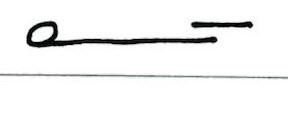
Begin as you normally would. Take a short passage and write from the first word. When the voice stops, look at how much you still have to write to complete it. If you’re a few words behind, that is fine. However, if you are still writing to complete more than half a sentence, then the passage is too fast for you today. Slow it down and try again.
Hold Back
Next, play the same passage but hold back for a second or two. Try to let the speaker say at least three words before you write the first, like standing at a kerb waiting for a car to go by.
It will feel ‘wrong’ for the first minute. But if you keep at it, something happens. With practice, you will start to hear the ‘shape’ of the passage. Instead of sprinting and stopping, you will start to notice where the speaker speeds up and where the speaker eases off. This is what you are looking for.
Later, try delaying four words, then five. Stop when it stops feeling steady. Remember this is a drill and not a habit to keep for life.
Listen for the Ebb
Whether you know it or not, every dictation gives you room to catch up, and you only notice it when you are not chasing the first word.
The end of a sentence is the obvious place, where the speaker takes a breath. A run of words you know well is another, such as common words or word groupings that your hand writes without conscious thought. Numbers are a third. As we have said in our videos, numbers are a blessing, because they are short and quick to write.
With practice, a gap stops being a threat.
Expect the Flow
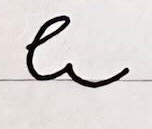
The flow is the other half. Sooner or later, in every dictation, a word (or words) will stop you.
It might be one you have never heard.
It might be one you know well and have forgotten in the heat of battle.
Your pen stalls, the speaker carries on, and a gap opens in your notes that you did not plan.
A student who has not practised being behind tends to panic. She tries to write the outline and, if she fails, may lose the next sentence as well. But the gap is rarely the problem. The real problem is not having prepared for it.
This is the second reason for the drill. By choosing to be behind when nothing has gone wrong, you rehearse the moment before it arrives. Then, when a word stops you, write what you can hear, even if it is rough or only half an outline, and move on with the speaker. If nothing comes, do your best to pick up from what the speaker is saying now. Do not try to recall what you missed. Never fall back on longhand. A gap in your notes costs less than a lost sentence. Then wait for the next ebb and draw level.
Keep Your Own Rhythm
Picture two students who finish the same passage at the same moment. One wrote at an even pace the whole way through. The other sprinted, stalled, sprinted again, and caught up each time. The second student did far more work for the same result, and probably feels it in the hand and the nerves.
The speaker’s rhythm will change. Yours does not have to. When you can keep your hand moving at a steady pace through the ebb and the flow, you will spend less effort and drop fewer words.
But it takes time to develop. Time you must decide to set aside.
Afterwards
When the passage ends, find the gaps in your notes and look at the word (or words) that caused each one. Circle them and add them to your list for the evening. A word you have drilled is far less likely to stall you again.
If the gap was wide from the first word and stayed wide, the cause is different. You were waiting too long before you wrote. Wait a little less.
Keep Close When It Counts
A wide gap leaves no room for a hard word, so stay close to the speaker and keep your pace even. The drill is there so that you can hear the rhythm and so that a stall does not frighten you. It does not mean you should plan to fall behind.
Summary
Start with the bang. It is how most of us begin.
In training, hold back for a moment now and then, and listen for the ebb and flow.
Learn to recognise the pauses and use them to catch up: the end of a sentence, a run of familiar words, a number or two.
When a word stops you, write what you can, or leave a gap, and continue on.
Do your level best to keep your own pace even, whatever the speaker does.
Afterwards, circle the words that tripped you up and drill them.
Every dictation breathes. Practise until you can breathe with it.
As always, if you have suggestions or topics you'd like to see covered in future newsletters, please contact us:
https://www.letsloveteelinetogether.com/contact-us
If you find this newsletter helpful, please help us spread the word and forward it to a friend!
A Parting Thought
Be sure to visit us at the LLTT Website, YouTube, Facebook, Instagram, Quizlet and Soundcloud.
Looking to build speed, sharpen your reading skills, and improve your Teeline shorthand without hours of aimless dictation practice?
Here's what LLTT+ can do for you:

Spend less time practising and make more progress — because every session is focussed, not accidental
See outlines you've been avoiding finally click into place, so you stop hesitating at the exact moments it matters most
Build reading fluency alongside writing speed — the most overlooked skill in shorthand, and the one that holds most learners back
Experience greater confidence walking into a dictation knowing you've genuinely prepared, and not just hoped for the best
Master word groupings and special outlines that experienced writers use
Stop wasting time on material you've already mastered; work instead on the specific outlines that are slowing you down
Identify your bottlenecks — because your overall speed is only as fast as your slowest outlines
Develop the kind of automatic, fluent responses that come from practising the right things, not just practising more
LLTT+ grows alongside you, from early stages through to exam standards and beyond.
Find out more at letsloveteelinetogether.com/llttplus



Add a comment: