
singing in the dark
March is closing out, how are you? Rattled, tired, or generally okay? No matter the emotional temperature, the skies gave us one more gift yesterday: A Partial Solar Eclipse in the sign of Aries, visible in the Northern Hemisphere.
Eclipses used to be feared in ancient times: they were seen as a bad omen. It’s understandable our ancestors would think this, given that watching a Solar Eclipse can rob you of your eyesight and life on earth depends on the light of the sun (and the moon, of course). If we lose this light, even for just a couple of minutes, in the middle of the day, things start to feel very strange.
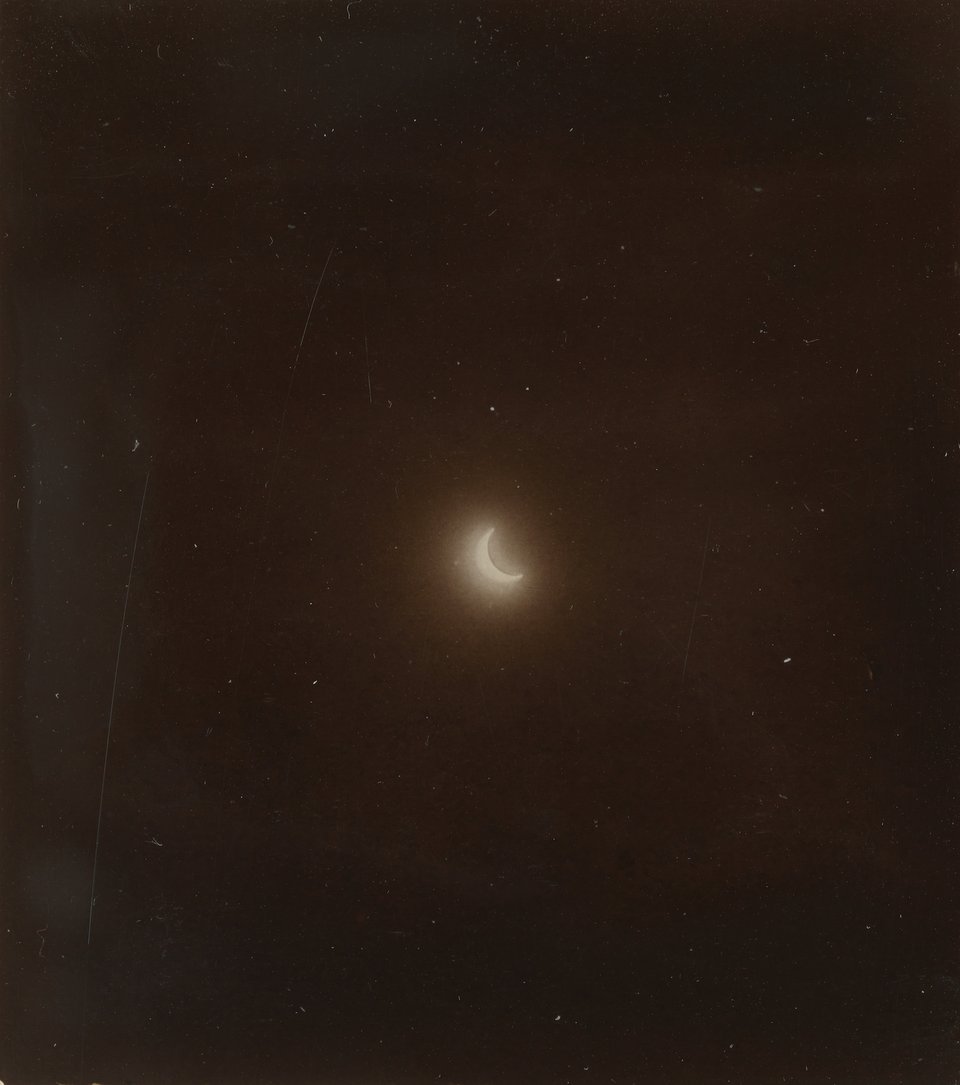
For over a century now, citizen scientists have studied the behavior of animals, especially birds, during Eclipses. They found that, although a certain silence descends over nature during a Solar Eclipse, the Sparrow, Goldfinch and Thrush keep on singing as the moon travels before the sun and starts to block its light. Even at totality, birdsong continues. There are also other species, such as Swifts or red-winged Blackbirds who, instead of singing, completely abandon whatever foraging mission they were on and return to their nests. Over and over, this kind of behavior has been described as ‘confused’.
But nature rarely is. Every time we pronounce some animal or plant behavior confused or strange, we end up finding a few decades later that the strangeness was underpinned by more-than-human wisdom and intelligence. We’re just playing catch-up.
When the sun is eclipsed, the birds are singing in the dark. Perhaps they do it because the sudden darkness feels like the hour before dawn. Perhaps they have a wiser reason than that. But they sing. And if they don’t sing, they return to their nests, close their bird-eyes and huddle. Perhaps they do it because the darkness feels like the night. Perhaps, perhaps. We also know most of these birds will experience a Solar Eclipse only once in their brief lives, unlike humans. That must be strange.
So, what about us? I think both huddling in whatever nest you have made for yourself or breaking out in song are great things to do during an Eclipse. The days surrounding a Lunar and Solar Eclipse are powerful, often bordering on overwhelming. Instead of a regular Full Moon and New Moon, March gave us a Lunar Eclipse in Virgo on the 13th and this Aries Solar Eclipse on the 29th. The next time we’ll get a pair of Eclipses like that is September 2025.
Eclipses are a good time for doing a little less of everything and really trusting your gut. And although this newsletter seems one day late, I maintain this advice, including the huddling and singing, can easily be taken into the new week and the first days of April. If you feel like it, maybe you also want to look back. What started to appear in your life around the 20th of April 2023?
This was the date of the first Solar Eclipse in Aries, lighting up a new place in our individual birth charts. For the last two years, several Eclipses have worked this terrain in our psyche and our lives, until yesterday, when the final Solar Eclipse in Aries closed out the cycle (and the month of March!). We won’t have another eclipse in Aries until 2032, which explains why astrologers make such a big deal of these things.
So, here are some Aries Eclipse questions:
How have you learned to honour your individuality and your own freedom since April 2023? Has someone or something entered your life and acted as a teacher on this front?
Where in your life have you become more courageous, asking for forgiveness (if needed!) rather than permission?
What have the last one-and a half years taught you about trusting your first impulses?
This might be in your one-on-one relationships, your public roles, your work, with your family, your health, your own mind or your creative work and self-expression.
The sun’s and moon’s light will continue to disappear on us, in regular intervals. And we need not fear it. Instead, we can use these moments to illuminate the progress we made, the ways we changed and grew. How we fought for what’s good and reached for what we yearned.