
National Indigenous Peoples Day
Today, I’m thinking about public history and the ways that it contributes to the celebration and awareness of First Nations, Inuit, and Metis cultures and traditions. Of course, public history can also work against those things.
It’s the summer solstice, the first day of summer, and in Canada that means it is also National Indigenous Peoples Day.
Today, I’m thinking about public history (OK, that’s most days for me) and the ways that it contributes to the celebration and awareness of First Nations, Inuit, and Metis cultures and traditions. Of course, public history can also work against those things.
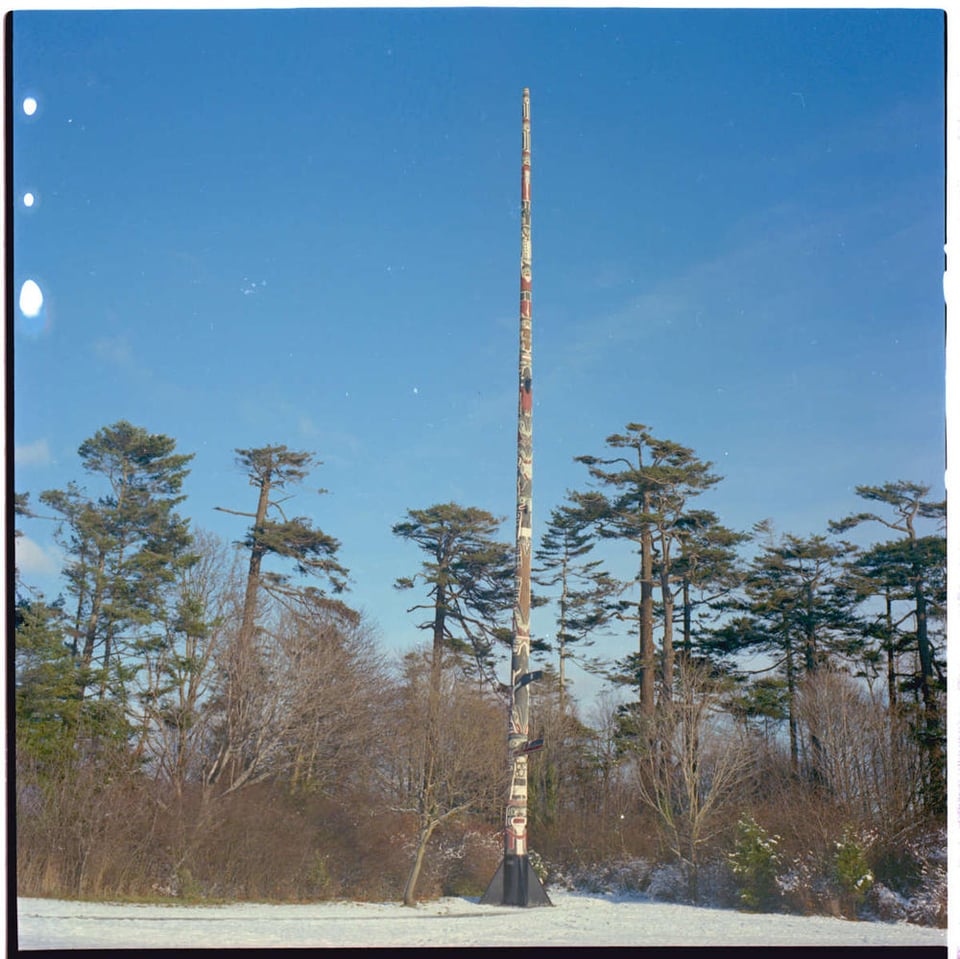
I recently had the opportunity to view the documentary film Story Pole. The film explores the “tallest totem in the world” (at the time) carved by Mungo Martin, Henry Hunt, and David Martin, and raised in 1956 at MEE-qan (Victoria’s Beacon Hill Park). Two years after the pole was raised, a war memorial plaque dedicated to Indigenous Veterans was placed at the base of the pole.
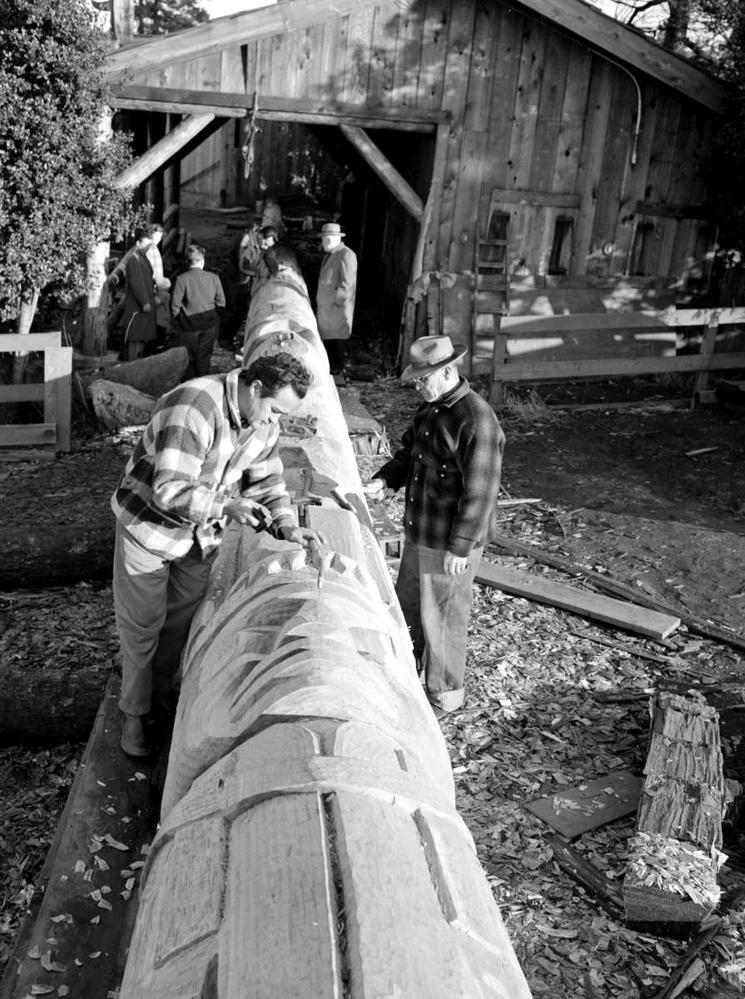
The totem project began as a form of local boosterism, undertaken by the Victoria Times newspaper. The film re-introduces viewers to the Kwakwaka’wakw Nation story told on the totem and investigates the mystery behind its quiet, and later forgotten, dedication as a war memorial.
As a work of public history, the film offers historical context that we don’t necessarily receive from the plaque or the totem. Importantly, the film brings together various First Nations people to explain the pole’s connection to memory, place, and the work of truth and reconciliation.
Innu Nation Cancels Exhibit
On the other side of the continent, the power of public history to either reinforce or undo harmful narratives is making headlines. The Innu Nation in Labrador recently announced the cancellation of a new exhibit intended to showcase Innu belongings housed at the Canadian Museum of History and the Rooms gallery. The nation said that The Rooms gallery(Newfoundland and Labrador’s provincial museum) passed on demands from the provincial government that the exhibit present a specific history and timeline of the Innu people, with which the Nation did not agree. Rather than endorse the colonizer’s version of history, the Nation cancelled a project years in the making — it was set to open this National Indigenous Peoples Day.
Public history can support the work of truth and reconciliation, or it can work against it. As governments retreat from funding history work they are also intervening in it. This situation leaves us vulnerable to promoting harmful narratives about the past — the ones that led to the need for truth and reconciliation in the first place.
Left Coast Dispatch Update
Readers of this newsletter may recall a previous dispatch where I discussed the demise of the Old Court House building in Victoria’s Bastion Square. I am very happy to say that newsletter and my ongoing advocacy led to some action on the part of the City of Victoria. Councillor Susan Kim recently introduced a motion calling on the province to report on the status of the building. Public history for the win!
