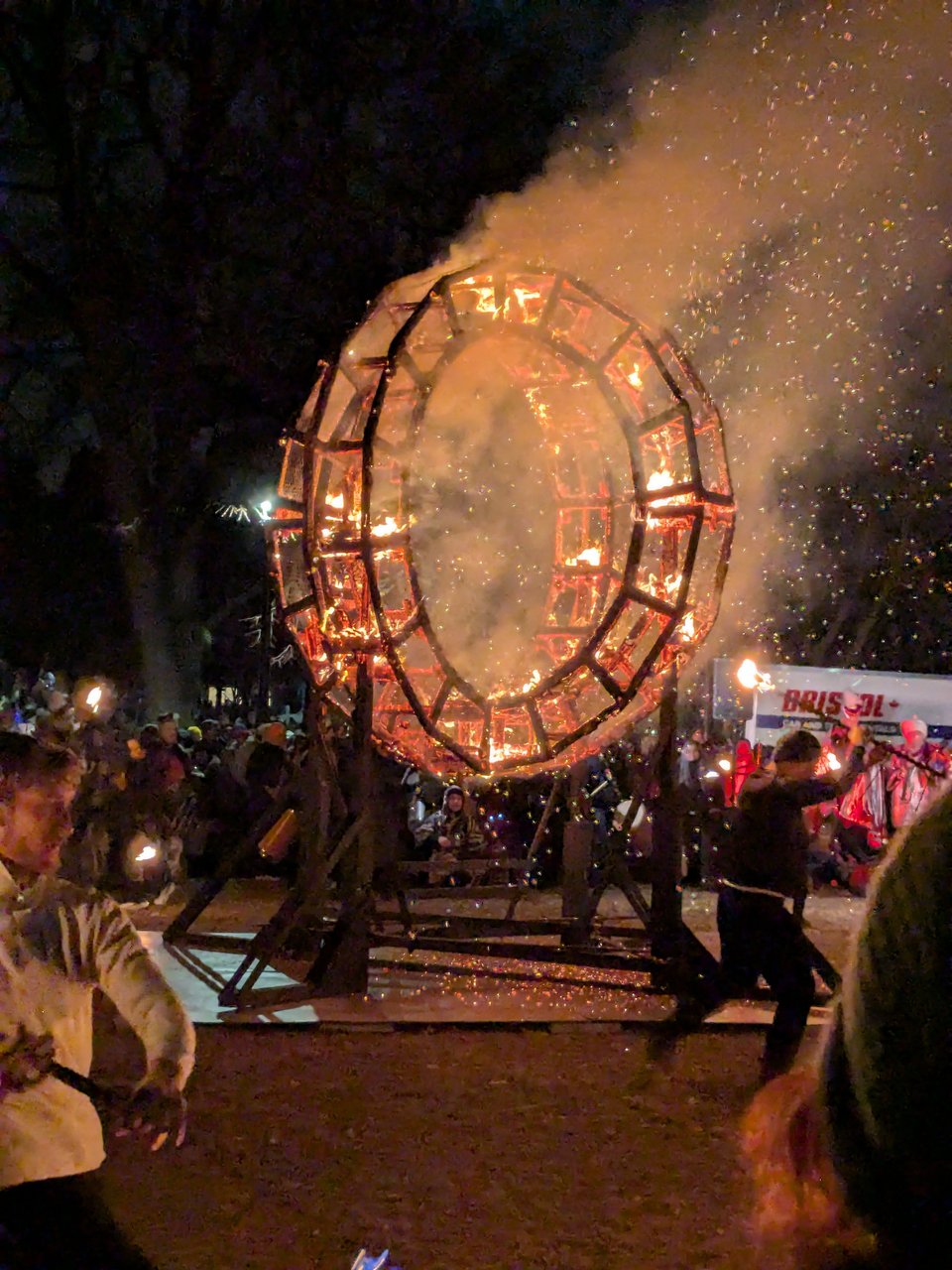
seventy: used to be one of the rotten ones and i liked you for that
Seventy! Seventy issues. Man. Welcome to the six-year anniversary of this newsletter, which was started mostly to get myself away from the douchebaggery men call social media but still have interesting conversations with interesting people — with no knowledge it would turn almost immediately into the Punisher Apocalypse Journal.
What have I been doing for half a decade? God knows. Trying not to get caught by the apocalypse, I think. (A team sport if ever there was one.) Hopefully doing something(s) useful in the process. Little enough that I am legitimately quite depressed about it, and trying to remind myself that that is a society-wide situation right now, and not a failing personal to me. (Rereading about a year’s worth of archives was a big help with that. Nope, it’s not a me thing: everything went full off the wheels around February/March and it’s been socio-emotional chaos ever since.) This helps when I sit here, wondering how am I still dealing with six- to ten-year-old problems? What is this bullshit?
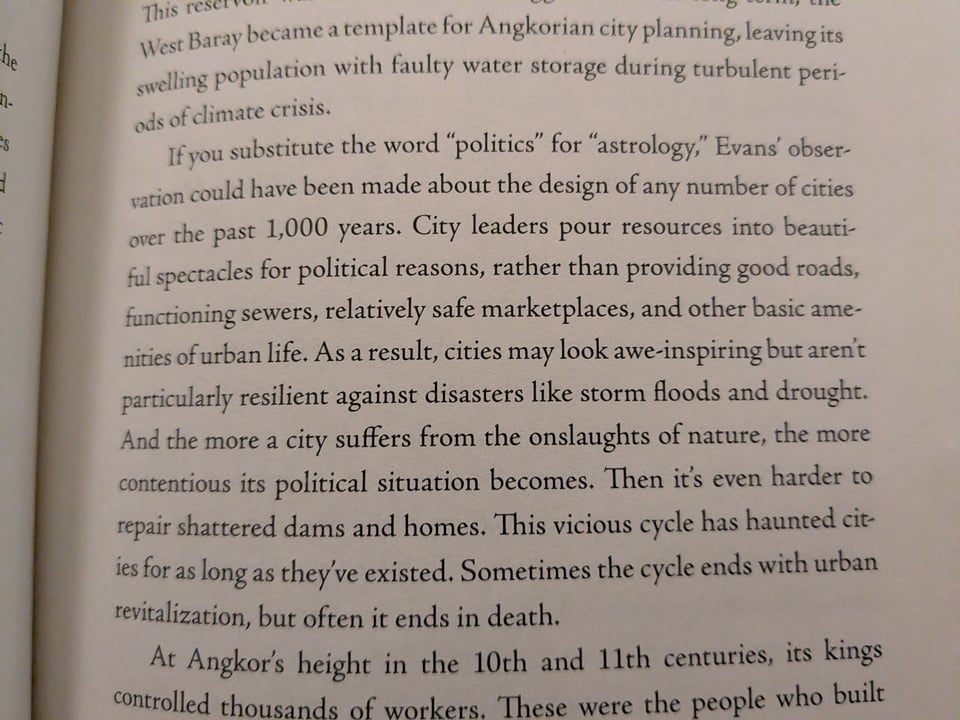
park that car drop that phone
That said, and if this be the hand we’re dealt? I do really want to be more intentional about this whole exercise in the coming year. I mean, as much as I sometimes really enjoy and rely on having the monthly place to natter to/with y’all, Punisher Apocalypse Journal really is a reactive foundational stance on certain levels. Things happen, I report. And I’m not sure that really gets things where I want them to go. Sure, in Early Apocalypse AD it was what we had on offer, but crisis is not just an environment, it’s frequently a posture? And you can’t solve fight/flight problems with the limited resources of fight/flight thinking. All the resources you need to work your way around, through, and out of that stiffened position are the ones your brain shuts down to protect you. So it feels like time to adjust to something more deliberate. What that looks like: Well.
Hold on, this’ll get — we’re taking the round way around it.
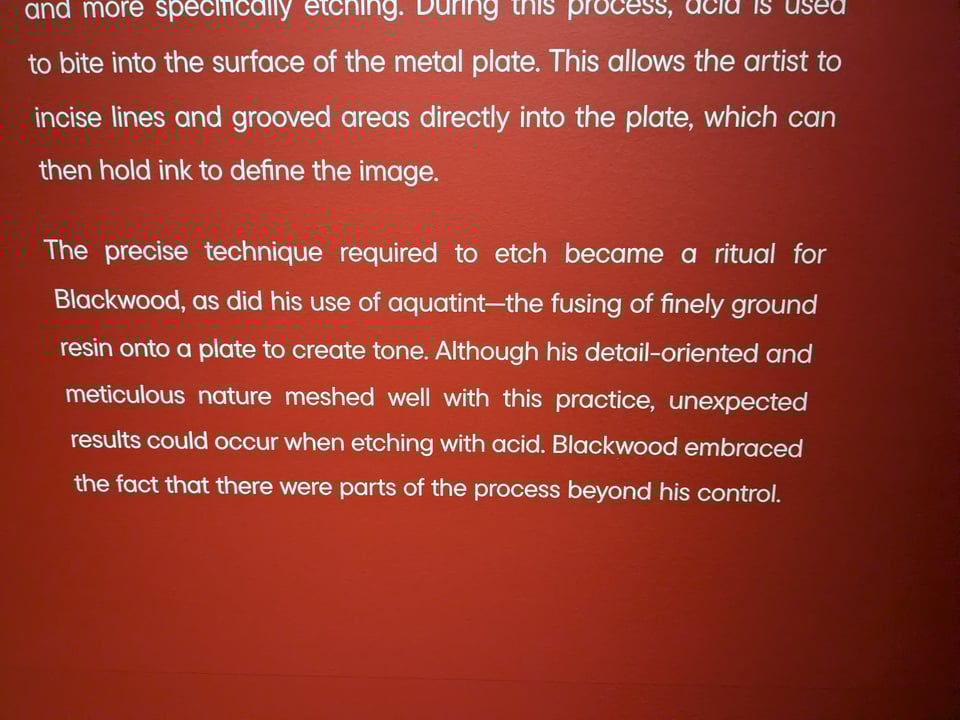
The thing that helps with the next bit is reading one of the best essays I’ve read in a while: Erin’s piece from last week on landscape tectonics and epistemics at wreckage/salvage. It’s a great bit of sensemaking work, which felt like it was coming with a different framework at the same epistemic/structural problem I’ve been working using existing in 50,000-word lexicons to people whose vocabulary is 100 words high.
Combined with a lovely post on Mastodon coming at some of the work of repair from the metaphor of a pinball machine, it truly does feel like a lot of us have been sensemaking furiously, and are reaching some similar conclusions about how to put that into action. Increasingly, we do know what we’re aiming for. And bluntly, it felt like anchorage.
Pause here and go read those, and then you maaaay proceeeeed.

What I will add to this lovely model (yes/and) is that the disorganized informational ground — the loose fill substrate — is also trauma. Human sensemaking is affective before it’s anything (people hate me saying this but prove me wrong) and traumas split one’s experience; your operating daily self from your picture of the world. That’s why trauma’s a weapon of war: It’s the neurological, fully automated, self-maintaining flood — set it and forget it. It’s the information you’re keeping from yourself. So if some of the foundational solidifying of ground is about the internality and affect of information, not just the information environment, it follows that there is some shit you cannot do as a soldier ie a person detached from your own present moment and actions so you can perform integrity-contravening actions/dissociate your way through that fucker, and therefore it needs to be done a different way.
So that’s the first piece.
For the second one: I will give you one thing from the writing work that doesn’t want to be talked about so very pointedly (“Hello, I have called you up explicitly to tell you to stop looking at me. Avert your eyes!”). I did mention a few things about it when I was in Ottawa to Jon and Jen, and it didn’t feel terrible and nobody died, so.
This book has seven-to-ten refrains: a sestina, thematically, if not structurally because I am not a wizard.**
** Yet.
One of those refrains has been, since the beginning: The limits of what’s possible are the limits of your effort.
I know how child-of-immigrants this is and I accept how this petard will in the end hoist me, but I have legitimately found it true enough times out of ten to not abandon it (and besides, I know what I mean). It’s just easy to make self-fulfilling prophecies of your limits. A shocking amount of things I just show up for persistently, even (especially) after being told they’re impossible by other people, who I then must tell to push off and stop obstructing me? They work out. In some form. I’m not saying they don’t cost me: just that applied tactical elbow grease really does in some ways describe city limits, and sometimes in ways that save your life.
Or to deke back to Erin’s post and the work of sensemaking and a year and a half’s noodling on the art of play in polycrisis problems, what repair actually entails, and who’s running things around here, the armour or the body: If you never FA, you’re much less likely to FO. Fuck around a bit, though, and you’re likely to locate something interesting. The world is big and weird and will defy your model; that’s why I like it. The minute see its sprawling, iterative, unencapsulable weirdness, you have already stepped through the portal out of trauma head and into the information. If the answer isn’t in our current processes, it’s off the path; it’s in the woods. So go to the woods if you want what you’re after, you daft etc.*
*You can probably tell etc. is not the word I was thinking but certain words don’t gloss from Yorkshire Britglish into North American usage so please do fill the blank yourself.
Nothing about this is precisely new (sensemaking is iterative), but I think part of my piece here will be trying ways to shift this space, in the new year, to a little more tactical fucking about. A bit more foraging into the infrastructural trees.
So I might put a little less of the effort into translating. (There are things I can think about or simultaneous-interpret but man, it never works if I have to do both. I’ve never quite been able to square doing the work and looking like I’m doing it too.) It might get a little more experimental and referential and less standard-vocabulary legible. Which is to say: It might get a little harder to keep up and I like to think more worthwhile? Because it’ll get closer to the real. And I will legit be relying on you guys to keep me posted about how much track you need to keep the foraging party together, rather than just have me wandering off into the trees and possibly through the bark of one and down a portal into who knows where while everyone else goes um, dude?
I’m not going to totally abandon the social conventions of newsletter ie structure and form and reviews and letting people know when publications are out and the basics of the English language. We’re not after forming a cult here and I am staunchly against the work of Cult Admin or any situation in which people stare up at me like I have all the answers and don’t pull their community weight.
But I’m tired of chasing my way around thoughts and processes that don’t work just because we don’t have enough common words to share around ones that might, or living the same problems over and over because if we make it that problem again at least there’s the comfort of a process for it, and I want to see what the woods have to offer on this situation. No FA, no FO. We’re already years off the map, so I might as well just use the territory, and I’m ready for some fucking spelunking.
And that’s — having taken the longest way around in history?
where we got the title
This one came up through my headphones during the first snow of the year on my walk home from an organizing meeting in the east end: midway across the Bloor Viaduct, with snow and weak streetlights running their outlines along the trees. The memory and present moment lined up; the angle of the sky just abruptly sat right across the lines of my own ribs and I remembered years of having nothing clenched across my throat and nowhere urgent to be and nobody to perform for: night and breadth and history and memory and possibility and how much I absolutely love making a certain kind of unhijackable trouble impervious to being anything but thing-in-itself. For a moment: the thing fit.
I can orient toward that moment. Piece by piece by piece.
***
un voyage dans la lune (in ironically more mimetic news)
The first week of December, I took myself to Ottawa for something that’s been planned a while: one infrastructure-focused future of cities and urban planning conference, some visits with a few of the local friends-of-household, and a tiny soupcon of just getting the hell out of Toronto (mandatory minimum: once per year or I start to claw the walls).
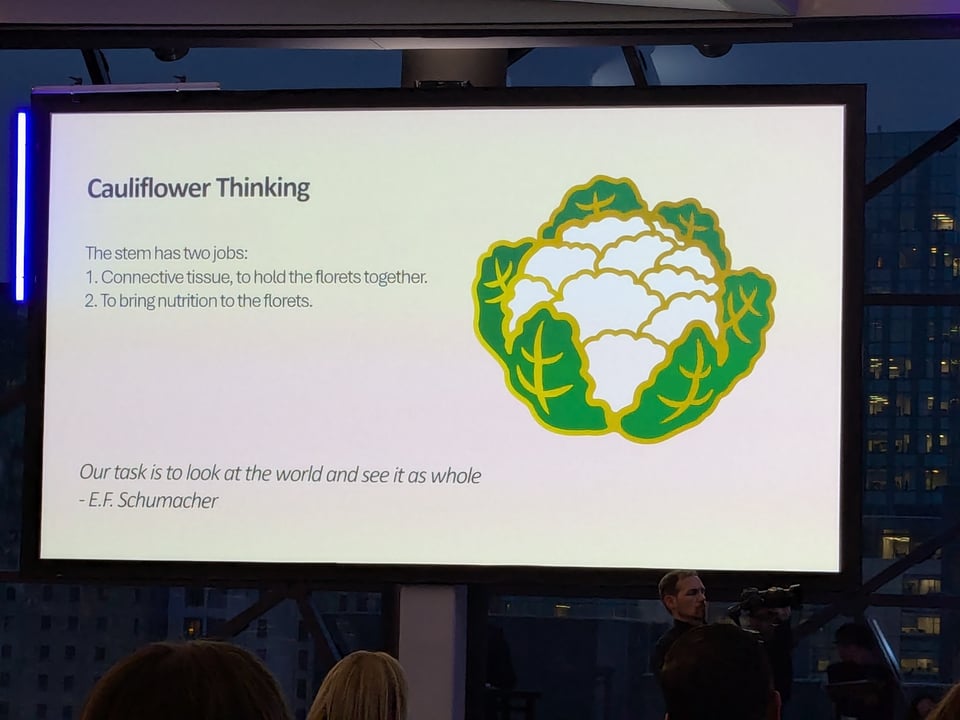
The conference was supposed to complement the research work that got sidelined so hard in September, so I could not, as planned, show up all cool, confident, and competent with turnkey models actionable and ready, and then I was mad at myself and everybody all over again, but I decided to go anyways. Because y’know what? Fuck it. I am trying to internalize that my messy, half-capacity version with the seams of my Activist or Author Suit incorrectly zipped keeps apparently being better than a whole lot of people’s full-on effort. Which is, let’s say, a messy situation to be living in when what you’d like most is a Few More Good Adults to do interdependence with. But it means it’s worth showing up to find out what happens next.
And: People, it was. It was big fun.
It is surprisingly revelatory that a room full of high-level public servants, former and current municipal politicans, tenured researchers, CEOs, and subject matter experts is what I consider oh, god, finally an adult conversation. But these are things I care deeply about: which training organization decisions actually turn out to be obstacles for tradespeople who do renovations to skill up, and so they do things that aren’t good for the climate-friendliness of a house. Whether there’s value in a tech dashboard to track food insecurity and how you’d put that thing together, given how people actually interact with food insecurity (I have opinions, I think it’s more complex than that but idea worth not pitching wholesale in the bin). How to treat trees when you’re planning an infrastructure budget. How to do climate infrastructure upgrades when you’re a small city and have no tax base and money to do that sort of thing. Y’know, real good crunchy problems actually worth solving because better things might happen at the end of them.
I came home with both resources for the current business and a few potential directions for the endless heap of stuff to do next, and that was a full-on positive result.
The end of the week turned into 24 solid hours of social time over three days: on the phone, in a downtown bar, over a huge and near-luxurious Saturday brunch, wandering around Byward Market getting absolutely knocked out of Whamageddon early doors in the Italian grocery store, between boxes of panettone and imported goat cheese. (This ends a six- or seven-year winning streak. Pour one out.)
I miss my people. It is one thing to fully understand you are too isolated and too lonely, and have been ever since the tariff situation hit and everyone battened the hatches and mildly lost their minds (see: March). It’s another to take a big gulp of good company and really feel it in the mitigation, the way you really feel your hunger in the moment where you finally sit down to eat. Good thing it’s the holidays and I could text all kinds of people to ask what they were doing until January 12th because seriously: outdoors fun, gifts, steamy bar windows, stupid jokes, now.
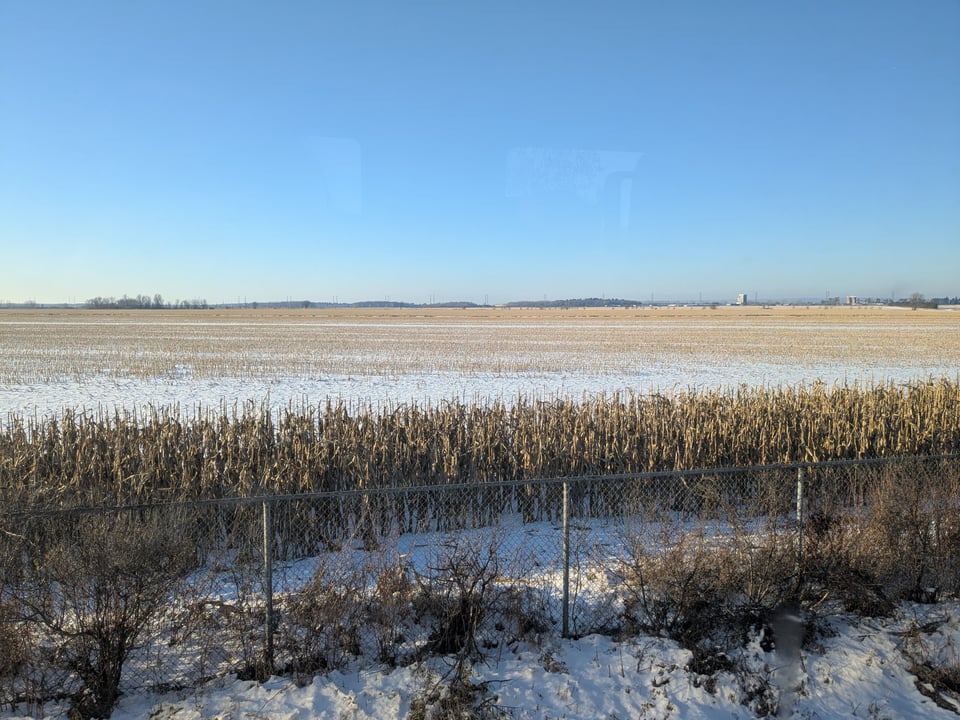
So in the wake of the whole thing, I came home (after a good work session with train wifi that is actually good now, not the legendary crapfest that it used to be 🥂) and and remembered that no, it is not actually hard to churn out a fifteen-minute talk with PowerPoint slides on something I actually know enough about for the class I didn’t actually want to take this semester, and thus don’t care about and actively resent for not being my own research work. I wrote, recorded, and kicked it out the door in two hours, stem to stern, and was content.
Although, note to self: I am never agreeing to take a course I don’t care about and which doesn’t advance my research program ever again. It is alienated labour. I have shit to do and busywork has no place in the just society.
the public realm
The organizing front has been predictably quieter, but in the first week of December (pre-Ottawa) I attended the opening session on something that’s likely to be a major source of impact on the City level (not being coy, just want to see how it shapes up before rendering a description) and also something new for me: a listening circle around Israel/Palestine for arts professionals, who are by necessity eating all kinds of social/emotional/professional shit over this particular geopolitical crapfest. (Tangent: It is a terrifying window into what people culturally expect of artists right now without, er, paying us a living wage.)
By and large I choose to not bring that topic into conversation and that does keep being the right decision? I won’t be starting? I legitimately think spaces reserved for being outside crisis no matter what are incredibly important for life? But yes, I have all kinds of feelings about it, and going somewhere built for cause to handle ‘em was a good decision.
It really highlighted something — in a very positive way, actually — about the way so many spaces for progressive causes and problems actively resemble group therapy. Not even just in how people are using them: structurally, embedded in the grounding exercises and the agreements and the slightly elevated, abstract tone, and and and. And how that’s maybe not a decision to just autopilot into? Therapy modalities are an answer for very specific questions and not all the questions are that question; sometimes you need a tool a little more suited for the job. It is worth looking at what is the output of the process you’re using, and if it’s the output you necessarily want. And it’s really telling — and surprisingly satisfying — when yeah, that design for a space is the right output. You see, for a moment, the thing fit. It feels very different than awkwardly forcing the mismatch. I wasn’t frustrated; I left actually with something I came for.
things watched
I spent mid-December chores and wind-down with a spate of East Asian cinema: there’s a particular valence of subtext and quiet there that sometimes I’m badly in need of.
The best of the lot was Microhabitat (2017), which is terrifically lovely: following a thirtysomething cleaner whose main joys in life are whiskey, smoking, and her manhwa-artist boyfriend after she adds up her budget in the wake of major inflation and realizes either she can’t afford anything she loves in life, or she can’t afford her apartment. So she moves out, and progressively stays with each of the members of her old rock band — now all moved onto more traditional adult lifestyles and generally not for the better.
It’s social commentary, but commentary done kindly and with a core of absorption in the actual details of human experience. Nobody’s caricatured or treated with cruelty. It is also the kind of thing you’ll probably not feel cut by if you’re a working artist and have also made financial choices few other people will back or understand mostly because you know what compromises you’re just not prepared to make. It’s beautifully shot: light and texture and colour.
The program bridged back into Canadian content with Riceboy Sleeps (2022), which starts off like it’s going to be one rather stereotypical thing — a 1990s Korean immigrant story in Vancouver — and very much is not that. Or not just that, is maybe the better phrasing: there are tropes to this genre, a litany of issues that have all been true but wore down to cliches at some point, and this sits the whole genre right back down into something emotional, real, and concrete. It’s worth not spoiling, and quite beautiful.
And then: back to the present moment with Veselka: The Rainbow at the Corner of the World (2024), a documentary about my favourite place in New York. I don’t know if I’ll be in NYC ever again, right now, but Patrick and Teresa Nielsen Hayden introduced me to it years and years ago and since then, when I’m in New York it’s always the place I go first.
There’s some interesting history covered, but lot of the action has to do with the owners and staff of a very Ukrainian restaurant juggling the exigencies of refugeedom and diaspora as the war in Ukraine breaks out. It is a fairly stabilizing look at this, because the feelings are there on the screen, but everyone also does stuff about it.
It was the kind of documentary that made me sit there and repeat, not as a scolding, but just a kind of weirdly relieved quiet: There are all kinds of things in the world right now that are not happening to me. I mean, what a cliche — it could be worse doesn’t fill your belly or unbreak your heart — but sometimes it’s good to resituate yourself in that when you’re tired and afraid about the parts of the world you do handle. The current moment is awful and overwhelming, and nobody has bombed out my house: I have more ground than I think to work with. People manage this, and worse.
If you’re in the place for it, or in need of that, it’s a well-made documentary. It has decency and borscht.
validation
On the train to Ottawa, I got the news that the fishies poem is one of Reckoning’s Pushcart Prize nominations for this year. They are now Pushcart-nominated fish. I never know what makes a poem hit or not hit on my way into them, but these guys: they swim far. 🐡 🐠
and hands dripping / he sang
(Awful but weirdly thrilling when the lyric reference is something I’m pretty sure no one else on Earth knows this intimately. All jokes are private jokes but some more than others.)
So I guess where I’ve ended is right where we started the year: with the problem of the hundred-word vocabulary, and any functioning interface with it. With trying to exist in human shape around reductiveness and fluidly among rigidities, without glossing that as duty or self-care or revolution and just ducking into a whole different stupid rigidity that limits your range of motion. With a functioning relationship with the weird and the real.
Yeah so I dunno what this is going to look like, guys — and I think that is most of the point? Just the moment I’m aiming for, a bit of inherent trust in my own instincts and woodcraft, and that I very much want a change.
We’ll see what happens? Join us next time for ???
Happy New Year. Up the noumena (oi oi oi).