|
Issue #10 • August 23, 2026
Scope Creep
Top 5 product management reads, curated by AI. Fresh every Sunday.
Happy Sunday. Five hand-picked reads,
one from each corner of the product world.
|
|
| |
|
This week's five sources
👾 Reddit📰 Google News▶️ YouTube📝 Blog✍️ Medium
|
| |
|
Hey there! Welcome to this week's Scope Creep. 👋
Your weekly dose of the best product management reads,
handpicked by AI and curated for PM professionals.
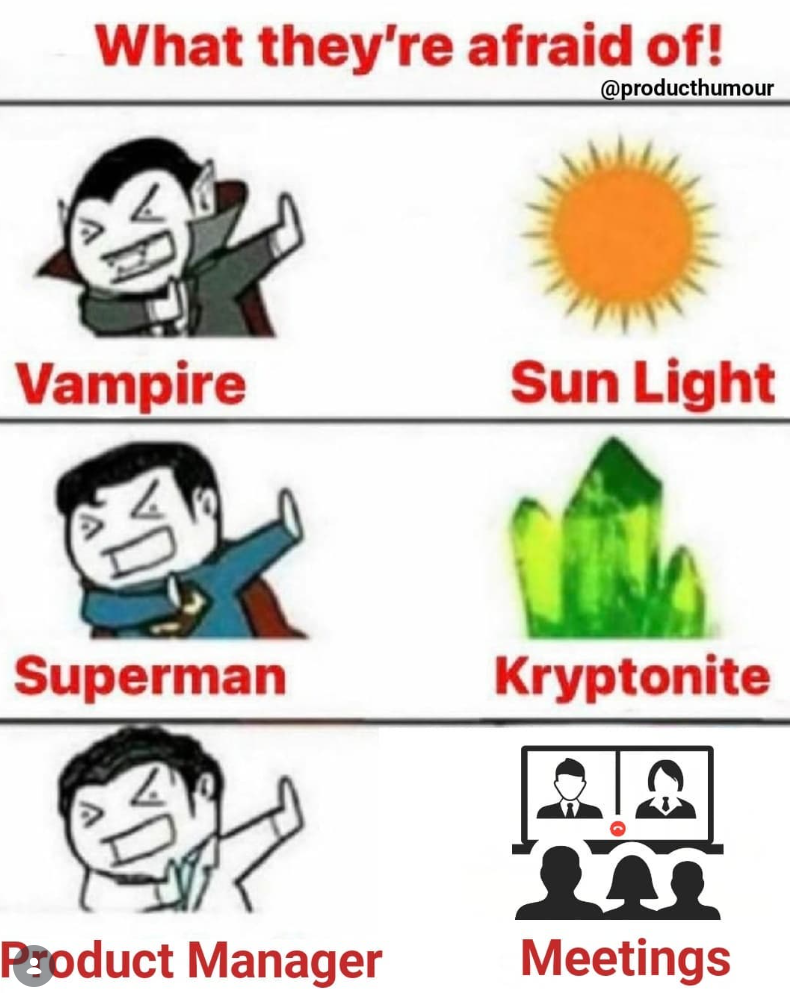
Here are your top 5 for this week, with a meme to close us out.
|
| |
🔥 TOP PICK
The one you can't miss this week
|
👾 Reddit
|
|
|
|
|
Product Management
|
|
An engineer asked if PMs feel sidelined when AI lets developers ship code at breakneck speed. You're only seeing demos every few weeks while the actual work happens in real time. Here's what matters: First, if you're only involved at the demo stage, you've already lost control of the product direction. Engineers are making countless micro-decisions without you. Second, this is your cue to embed deeper into sprints. Daily standups, design reviews, code discussions. Not because you need to slow engineers down, but because you need to shape what they're building before it's built. Right now, the teams winning are the ones where PMs are threading the needle between speed and direction.
|
|
|
|
📡 IN THE NEWS
What the PM world is talking about
|
📰 Google News
|
|
|
|
|
"product management" - Google News
|
|
At Anthropic, they've flipped the script. Instead of writing elaborate product requirements documents, the product lead is using evals, evaluations, to drive decisions. This matters because evals let you actually measure whether your AI model is doing what you claim it will do. Two things stuck with me. First, evals force clarity on what success looks like before you build. Second, they act as living documentation that stays true as the product evolves. If you're building AI products and still leaning on PRDs from the waterfall era, you're already behind. This shift is happening now, and teams that move fast on it will ship better products.
|
|
|
|
🎬 WATCH & LEARN
Worth your Sunday watch time
|
▶️ YouTube
|
|

|
|
|
|
YouTube: Atlassian Confluence
|
|
Here's what's keeping most orgs stuck with AI. They've got individual contributors using ChatGPT brilliantly, but the moment you try to scale it across a team or org, everything breaks. Nick Polce from Accenture and Dave Meyer from Atlassian break down the three actual pillars you need: Platform and Tools (which ones?), Context and Knowledge (what does your AI actually know?), and Operating Model (how do teams actually use this?). The first takeaway is this. You can't just bolt AI onto your existing process and expect magic. You need to rethink how teams work together, what information flows where, and who owns quality control. The second takeaway. Most failures happen because teams are drowning in context, too many docs, too many Slack channels, too many sources of truth. Your AI is only as good as the knowledge you feed it. This matters right now because we're in that messy middle where everyone's experimenting but few are actually scaling. If you're building product, this conversation will save you months of painful iteration.
|
|
|
|
📖 DEEP READ
Long form worth the time
|
📝 Blog
|
|

|
|
|
|
https://www.theproductfolks.com/product-management
|
|
Look, the old roadmap playbook is breaking. AI agents operate in real-time, adapt on the fly, and don't wait for quarterly releases. This article cuts through the noise and asks the right question: how do we actually manage products when autonomous systems are making decisions faster than we can plan for them? Two things stuck with me. First, static roadmaps become liabilities when your product learns and pivots constantly. Second, PMs need to shift from "predicting the future" to "building adaptive systems." That's not just a tactical tweak. That's a career skill that'll separate the people still managing waterfalls from those leading the next wave. This matters now because by 2027, teams that don't figure this out will be the ones explaining why their roadmap became irrelevant in three months.
|
|
|
|
💡 WILDCARD
Something unexpected, always worth it
|
✍️ Medium
|
|
|
|
|
https://pdmgr.medium.com/
|
|
Here's what I've learned the hard way: you can have the best product strategy in the world, but if your team doesn't trust you, nothing ships. This piece nails the core responsibility that separates good PMs from great ones. First takeaway: trust isn't built through perfect decisions. It's built through showing up consistently, being honest about what you don't know, and actually listening when your engineers, designers, and marketers push back. Second takeaway: leadership in a product role means amplifying your team's voice, not drowning it out with yours. You're not the smartest person in the room. You're the person responsible for making sure the smartest people in the room can do their best work. Right now, when everything moves fast and priorities shift constantly, trust is what keeps teams from burning out.
|
|
|
|
|
😂 MEME OF THE WEEK
Because every PM week needs one
|
|
|
Meme of the week
from the Scope Creep meme vault
|
|
|
Enjoying Scope Creep?
Share it. Grow the tribe.
Know a PM who'd love this? Send them the link.
It's free. Always will be.
|
|
| |
|
You received this because you subscribed to Scope Creep.
Pioneered by Koushik · Curated by AI ·
Powered by Claude Haiku & Buttondown ·
Built on GitHub Actions
|
|