Looking back at my notes, it's apparently been three years since I last sent one of these letters out. How did that happen? I have no idea.
A lot has happened in those three years, so bear with me. This is going to be a doozy of an issue. A quick recap of memorable moments:
Survived one of the snowiest winters Tahoe has ever seen (22/23) and got to experience the joy of shoveling our old roof to prevent its collapse.
Finished Aster Pines! We've been living in it since July 2024.
Started… then cancelled Aster Station (the old gas station / cafe project).
Explored some new places around the world… Mexico City, Japan (Tokyo & Hokkaido), Chile (Santiago, Lakes & Patagonia).
Adopted a new blue heeler puppy — Sage.
Started construction on another new build — Floodline 2.0.
Continued to invest in our local businesses — Cascade Kitchens, FlyTahoe, and South Lake Brewing Company.
Watched the entirety of my career in programming get leap-frogged by AI in a series of a few weeks.
Outside some bullet points, it's hard to summarize how the past three years have felt. I tried some hard things. Some worked, some failed. Mostly it left me with a new perspective on where I should be spending my energy.
One thing I've learned about myself as I've gotten older is that I have a strong intrinsic motivation. That drives me to actively work on projects that… make the world a better place. It's a silly phrase, but to me that means working toward meaningful results that align with my personal moral compass.
That’s all well and fine, but I also care — a lot. It means I get fired up when I run into systems fighting against change. Some people are satisfied that with the effort they put in. They care that they showed up to protest the war. But my soul needs the protest to affect material change — I don’t care about the protest. I want the war to end. This is why I have to be guarded about where to spend my energy. I know there are many areas that align with my moral compass that are just too big. It doesn't mean that I don't support people that work towards those ideals — it means that I know my personal effort can't make a difference the way my soul requires. I am proud of the people fighting against climate change — but I cannot ignore that CO2 levels continue to increase. My personal involvement would tear me apart working in that environment.
Which I suppose brings me to the big news for this issue — we've decided not to follow through with Aster Station.
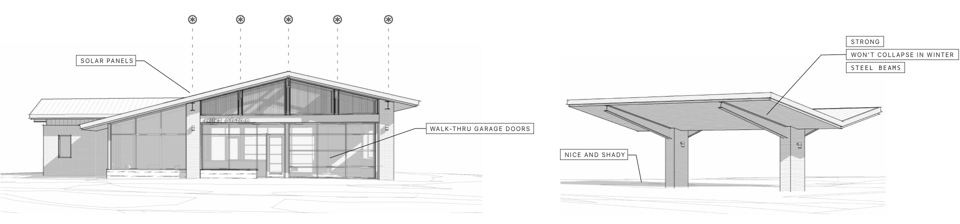
I've spent a huge amount of my time, money, and emotional well-being into this project. It was my way of improving our built environment and building prosperity in South Lake Tahoe — taking a blighted corner and building something beautiful that would funnel wealth back toward our town (and not toward large corporations like Vail, Amazon, and out of town landlords). This project was never going to make me any money, but I'd hoped it would be a symbol of the types of things our town deserves. We have a lot of wealth coming into South Lake Tahoe, and still our main street is littered with abandoned buildings, empty lots, and crumbling facades.
Earlier this summer after three years of planning and in the middle of gearing up for construction, I came to the realization that I was spending all of my time navigating novel barriers created by the City. One of the old footings was six inches too deep for our demo permit, so we'd need to spend months doing a hydrology study in order to remove it. Even though that hydrology study was already on file. And the governing agency didn't care. Fire sprinklers with a complicated and expensive antifreeze solution would be required on an non-combustible outside canopy because the building department dug in their heels classifying it an enclosed structure with 100% openings rather than an outdoor canopy. Our refrigerator would need to double in size because it was considered a room and not an appliance. We'd need eight bathrooms for a 2,500 sqft building because we chose to limit our parking lot size. Eight! We were forced to pay thousands of dollars and go through planning a second time because we increased green space by less than a tenth of a percent in specifying our heat pump units. All of this existed so far outside of my idea of common sense it made my head hurt. It felt as though the City had a team busily researching ways that things couldn't happen, and specifically because we'd designed our building to the area plan they'd authored. This all came to a head through a requirement of a maintenance agreement for our landscaping. No problem, right? We'll agree to trim the trees. But it had nothing to do with trimming trees. It would be a deeply complicated three-way contract between our business, the City, and Caltrans. No other property in South Lake Tahoe has ever been subject to such an agreement, so this was all new territory for my team. Inside the draft agreement, the City added several onerous requirements — I'd have to pay them in advance to remove all my landscaping(!), give them the right to rip it out whenever they wanted(!!), take on all the liabilities of a municipality within the right of way(!!!), acquire insurance no one would sell me(??), and I'd never be able to sell the property to another party(!!!?!). When my lawyer tried to negotiate this contract, we were told there was nothing to discuss. Case closed! The first agreement I was given was final and I was to accept it with no input. All because I wanted to spend my own money to improve the sidewalk with a landscaping buffer similar to dozens of other properties around town.
What?
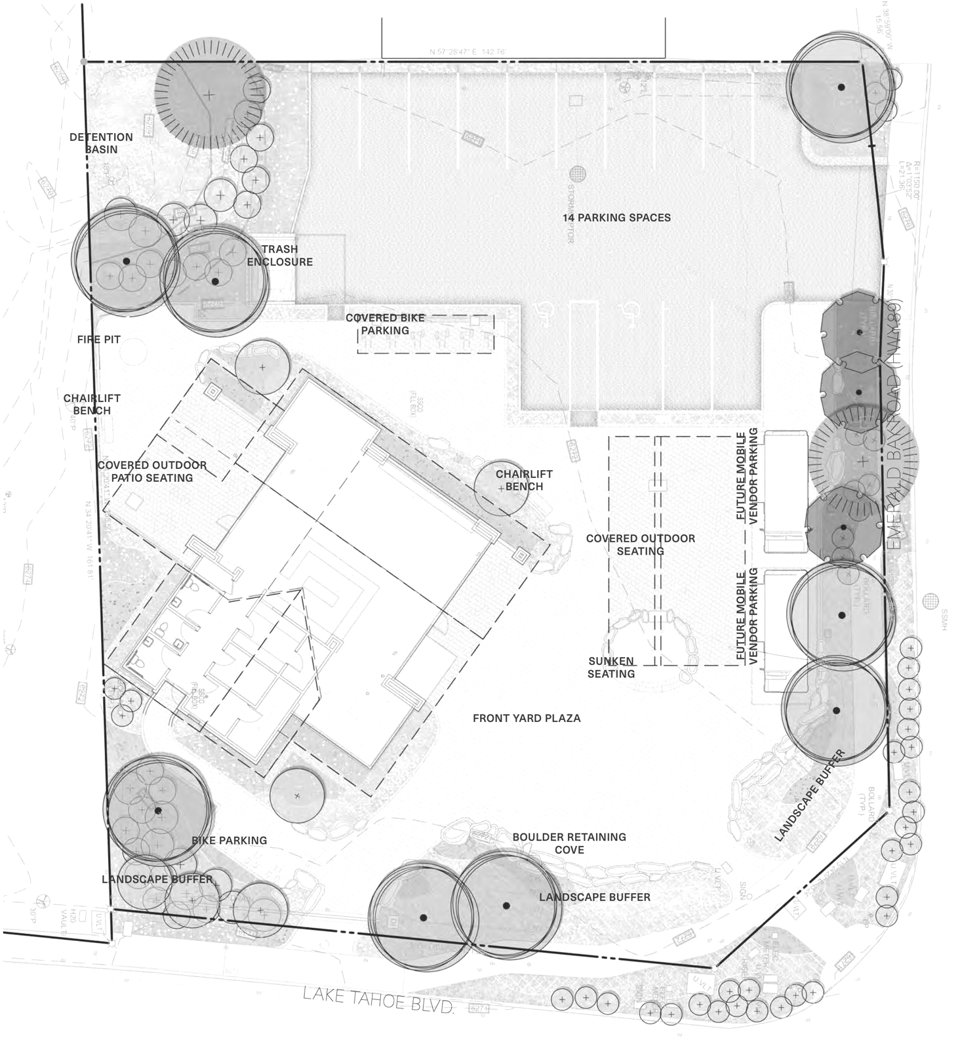
Lost in all of these frustrating moments with the City was the actual project itself — a design intended to materially improve one of the most visible corners in all of South Lake Tahoe designed after the aspirational goals of the City’s area plan. When I set out on this project, I had treated the City an ally — a collaborator in building a better community. After reflection, I’m not sure that’s how the City saw me at all. They really didn't care about the project. They cared about their checklists. They viewed me as a hostile actor dead-set on ruining our town with safer sidewalks, native landscaping, and useful buildings. They might be willing to barely allow me to do this at tremendous expense and difficulty — but they had no interest in meaningful collaboration.
I stopped to reflect on my mental state. I was sacrificing a lot of my time to work on this project, millions of dollars, and now my emotional well-being. The hard part that I'd imagined was still in the future — actually building and running a successful business out of the property. Meanwhile, I had a City that had no interest in the success of the project, leverage over all kinds of permitting in the future (signage, food trucks, events, etc), and a track record of fighting against the project at every turn. I realized that to make this project happen, I'd have to sacrifice a lot of what made the design compelling, accept significant additional expense, add months/years to the construction schedule, commit to legal battles for decades to come, and sacrifice who I was to get it done. The whole thing just fueled my anxiety to unsupportable levels. Why was I doing this? Why was I sacrificing so much of myself only to commit to a bad neighbor for the rest of my life? What else was the City going to come up with in the future? What other tools did they have to make sure my business would fail? They were going to burn me out before we ever installed an espresso machine.
I am not the right type of person to make this a successful project.
And so, a defeat. A hard one to accept. But few of life's lessons worth learning are easy. This project was always a big swing, and failure was always likely.
We tore down the old building down, stabilized the site, and in its place lies a grassy field (and a bit of concrete buried six feet underground). I'd have put up a nice fence, but the City continues to fight me on that one. So there’s a shitty temporary fence around the property. A poor financial decision for me, a small win for our town. I now have a better understanding as to why our main street looks the way it does, and a much better understanding of what I'm capable of doing to improve it.
I know our town has tremendous wealth — not only financial wealth, but the natural wealth of our geography and surrounding wilderness. I know that we deserve better than Save Mart Liquor and Below Five (some of our most recent re-developments). But for now, that is where we are. I have to hope our City will eventually see that they are the architects of our abandoned lots, broken facades, and box stores. I hope they see that a strategy of non-cooperation is a choice to incentivize large corporations and out of town landlords that have large legal teams and enjoy communicating via lawsuits.
The hard part of communicating this isn't that I think the City government is evil or bad. Some of the people working at the City really do care about this place and spend their lives trying to make it better for the people who live here. Running a city is a hard job and its outputs are the result of hundreds of individuals. Our city exists in a tremendous regulatory environment — the State, the County, TRPA, Caltrans, and a host of smaller organizations like the Air Quality Management District, Regional Water Board, and County Health Department. None of these regulators like each other. If you talk to the City, they’ll say dealing with the TRPA is a nightmare. If you talk to the TRPA, they’ll say dealing with the City is a nightmare. Multiply that feeling across every regulator involved to get a sense of how it feels trying to get something done.
That environment makes it easy to argue progress can't happen because of X Agency or that there would be too much liability in allowing Y Project. It incentivizes a culture of seeking for reasons not to allow change. It is a breeding ground for apathy and stubbornness. I believe it is every city's duty to create solutions for their citizens to work inside of those regulatory environments. Our City has made several decisions to favor regulatory box-ticking over material benefit that they probably don’t even see as decisions. I'd bet they consider it following protocol. But they are decisions — and they put smaller (often local) developers in a particularly bad place. Those developers need someone on their side, trying to make projects succeed. Large developers and corporations don't really care. They have no problem violating code and breaking the law to get what they want. They have no interest in a city’s master plan or the welfare of the community. They're more than happy to fight cities in court to get their way. And that same threat of legal action also makes the city less strict with them in the first place — further incentivizing more Save Marts and Dollars General.
I guess what I'm trying to say is that I didn't come away from this project thinking the city staff were actively trying to make my life miserable (maybe a couple of people…), but their actions did all the same. A stronger, less anxious person with an appetite for litigation probably would have found success in Aster Station. But I am far too much a romantic, too interested in the actual thing being built — the physical and social infrastructure that makes up the communities we live in. That is the stuff that fuels my soul. Everything else — things like accounting, legal, and permitting — is a poison. For me to succeed, the fuel needs to be rich enough to tolerate the poison.
Not to mention, that litigious person that would have found success in Aster Station? They probably would have made shit coffee.
I didn't spend much time this summer biking, hiking, exploring, or other things my soul craves. I had unconsciously reserved that space for a season of construction, and felt a bit unmoored once that came to an end. Oh, and I got shingles the week after I decided to cancel the project. Shingles sucks. Get vaccinated.
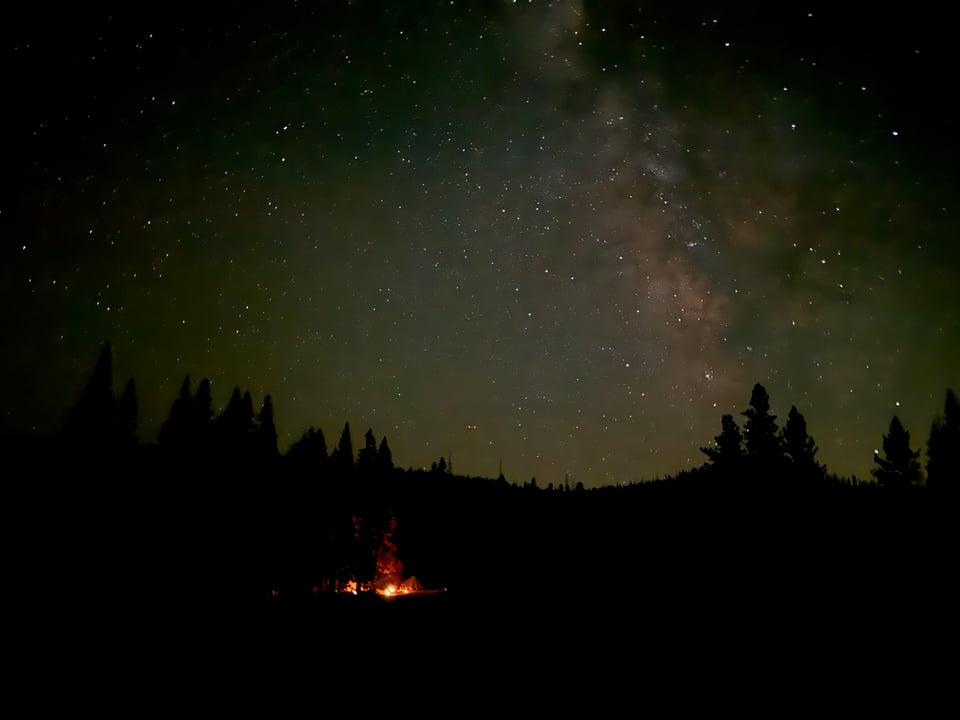
I did end up spending a ton of time out at Leaping Daisy. It’s such a gift to have a place like this to find refuge from the world. I remember Jess and I finding a similar feeling in the summer of 2020 when everything shut down. Somewhere separated from the nonsense of the world where you can get lost in manual labor and tune down the noise in your head.
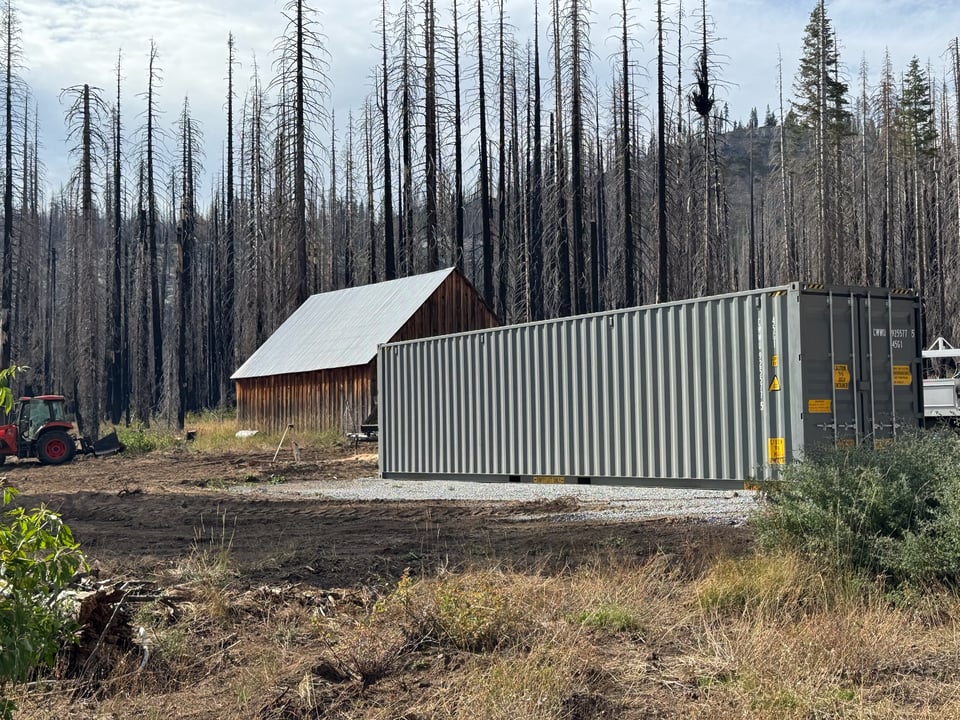
The summer of 2025 was all about infrastructure. We found a contractor named Pat who lives down the hill — a strange dude with a good heart and a bunch of equipment. He’s really a great guy. The first thing he did was improve the roads. Widen some tight turns, lay down some gravel, and flatten out a couple of spots on the property so we could get some shipping containers delivered.
Here’s the thing about the ranch: the snow and the vermin destroy almost anything you leave out there. Leave it outside, it’ll get flattened by the snow. Leave it in the barn, and the vermin will do their best to break into any container they can gnaw through. These shipping containers were a long time coming, and a much needed piece of infrastructure. It meant I could lock up our tents and chairs out there instead of hauling them back home with me every year.
Jess and I did a little excursion out to the property last week. It’s been a wild winter… spring… summer‽ this year. This is way too early for us to be doing this, but alas: welcome to the anthropocene. I opened up the shipping container, and there was all our stuff exactly how I left it. Not a mouse poop to be found. An incredible blessing.
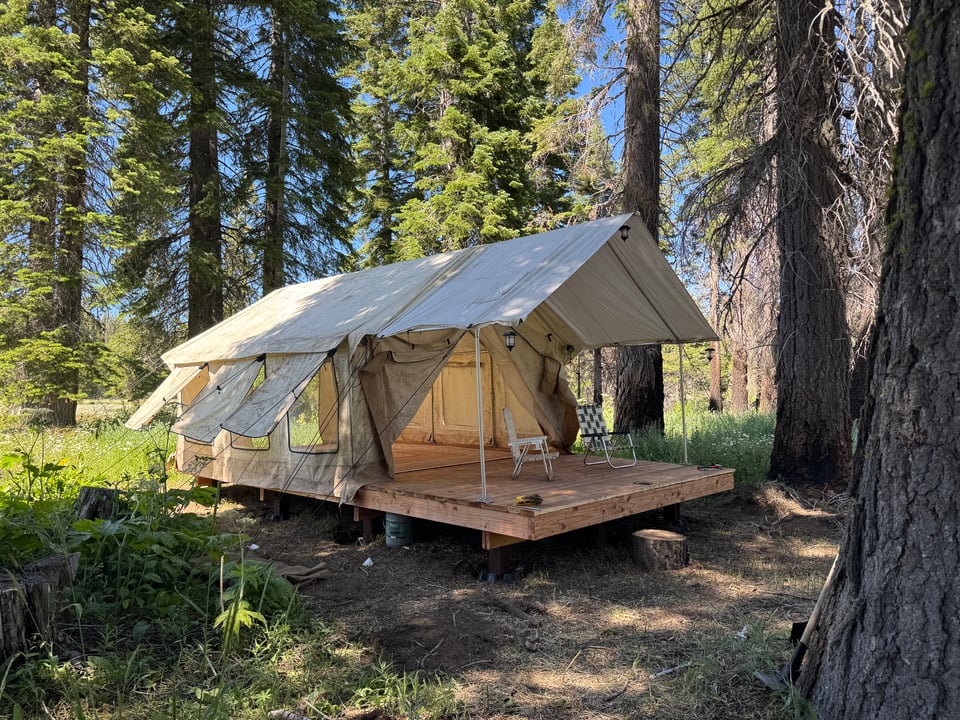
We did a bunch of other stuff, too. Like building a little platform for our White Duck tent. Now we sleep off the ground and out of the dust. And there’s just something magical about enjoying a coffee on a deck. It hits different.
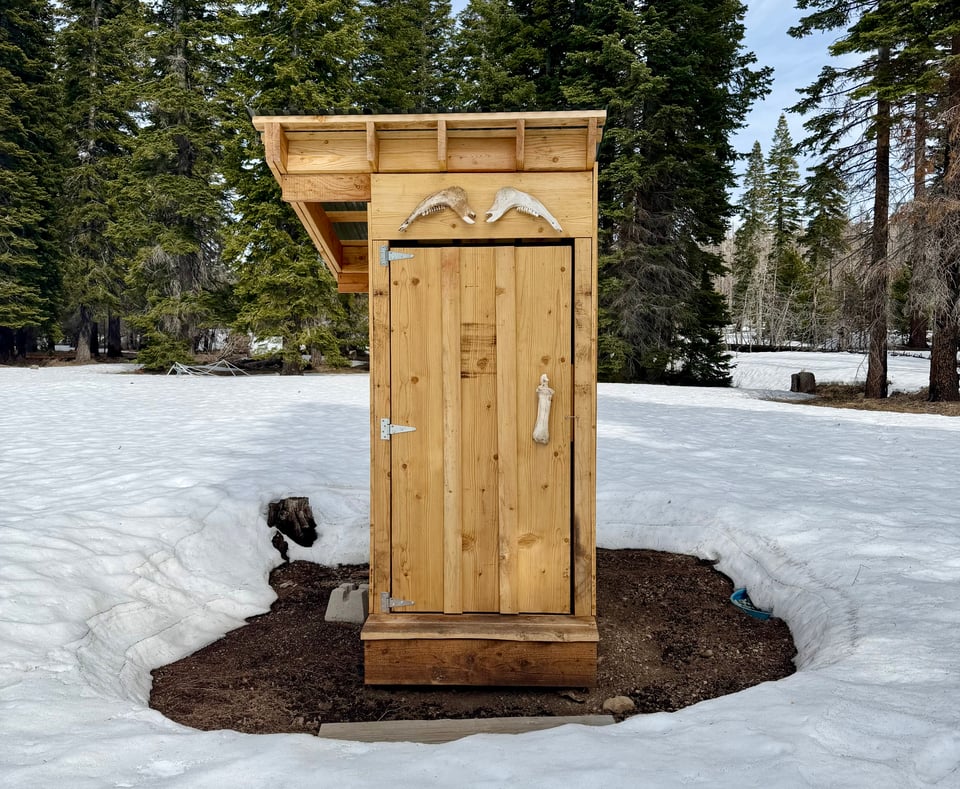
Then there’s the bonehouse. It’s kind of like an outhouse, but it’s got a composting toilet instead. Decorated with a bit of a cow that met his end just down the meadow some time ago. Digging holes to poop in gets old. It’s so nice to be able to just wake up and do your morning business without fanfare. Newman still likes to do it for nostalgia, but what are you gonna do with that boy?
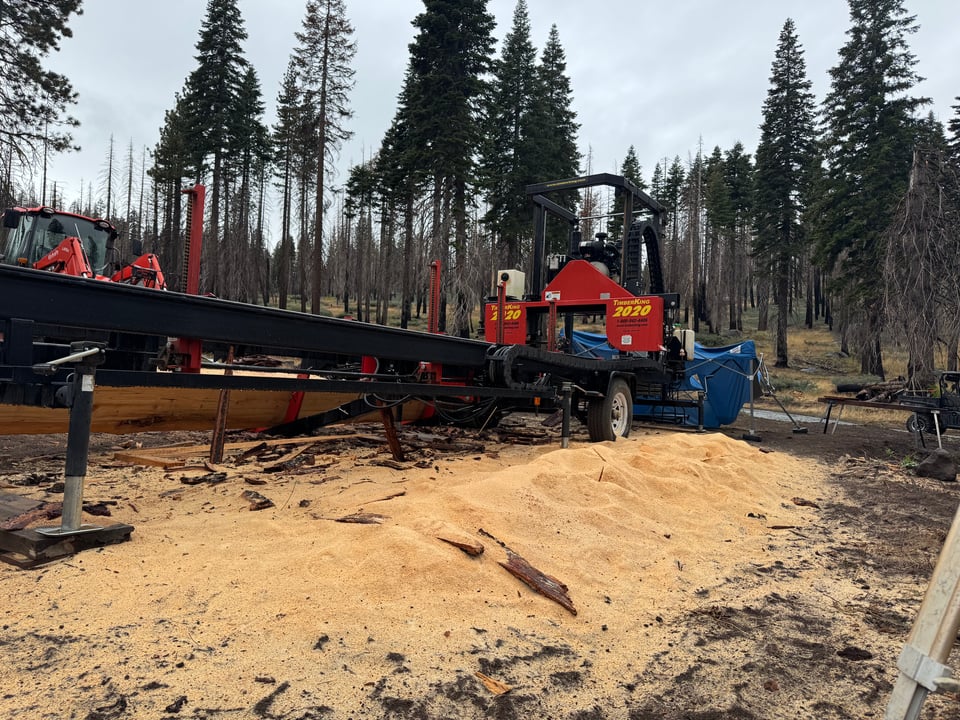
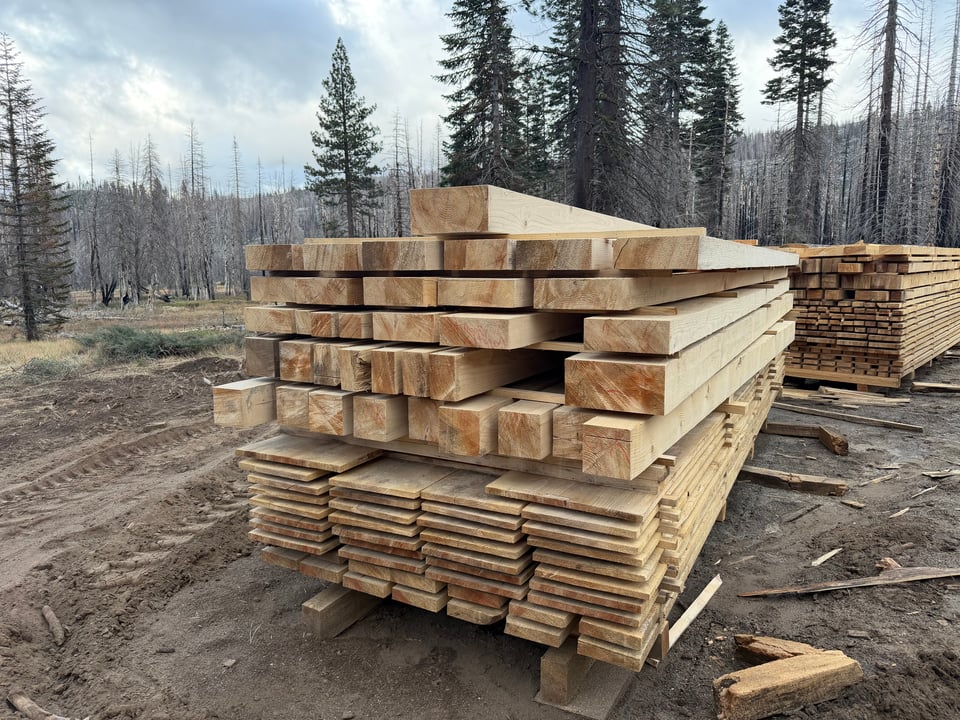
You may have thought that siding looks interesting. Those are 1x18s — lumber yards don’t sell that. Well, Pat has a sawmill. And he spent half the summer out there carving up a bunch of old burned trees into a mountain of lumber for us. And now we have fuel for this year’s adventure.
I want to do a lot more out there this year. Get people out more often. Build some weird shit. Have a lot of fun. Offer some refuge from this fucked up world.
I’ve spent a lot of time the past few years strengthening old relationships and embracing my local community. I believe we are in for some shit as a species coming up, and we’re not going to get through it alone. We are going to need others in ways we can’t imagine today. I’ve never been good at asking for help. I’ve always resorted to a toxic form of self-reliance. It hasn’t all been bad — I’ve learned a lot of things, picked up useful skills, and spent time doing in a way that most people are afraid of. But I’m trying to ask for help. People want to help. I just have to work on convincing myself that’s true.
I have incredible friends in my life. I love them terribly. People that show up when it matters. Who listen deeply and will sit down for a real conversation. They go out of their way to think about others. They’re not all perfect. But we’re trying our best.
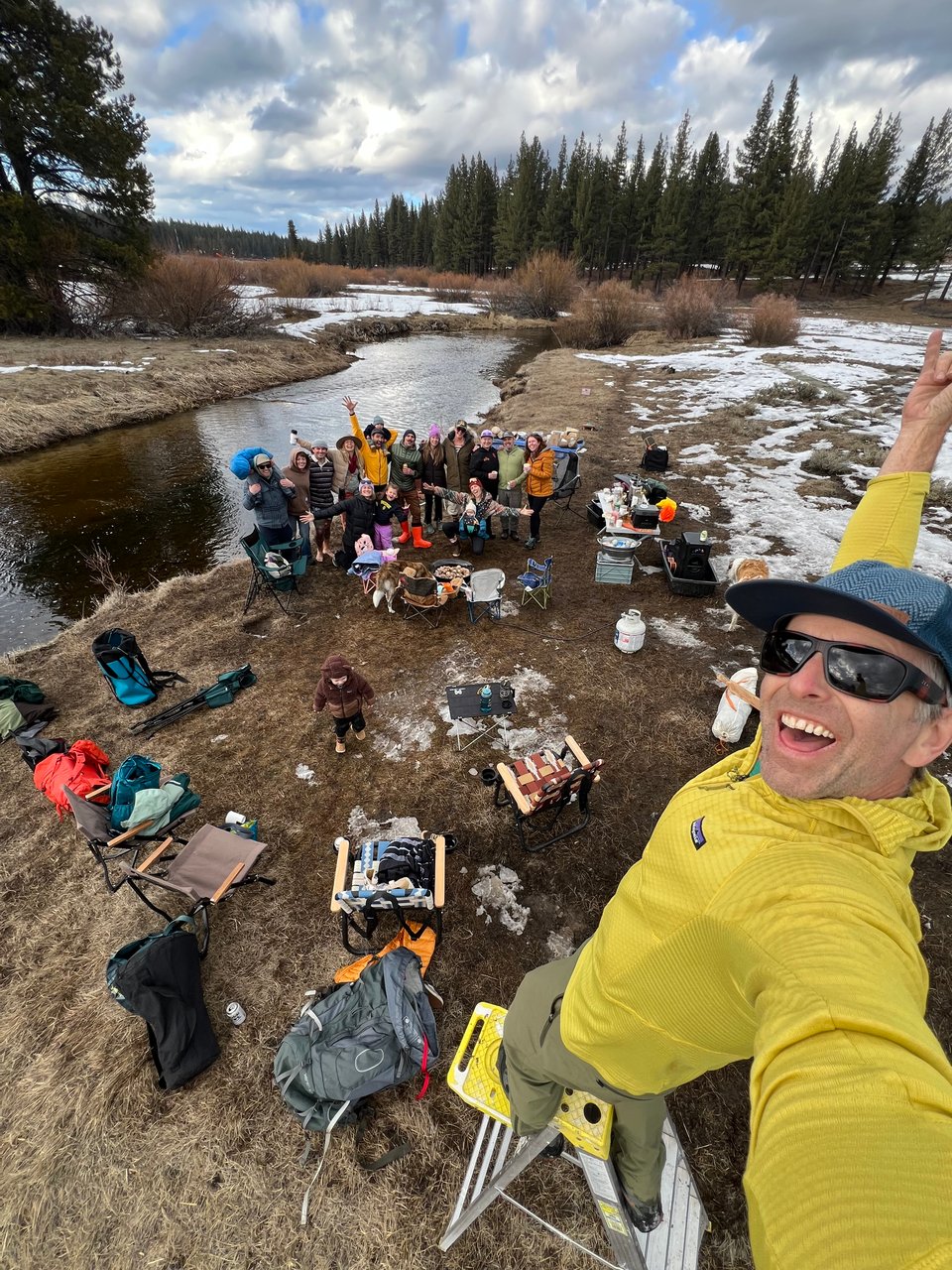
Photo courtesy of Timmy O’Neil.
I keep thinking about what a special thing that is to have at 41. How often do you read an article about how lonely everyone is these days? I don’t feel that way at all. It’s a treasure I don’t take lightly. I think it’s available to everyone — but you have to show up.
It’s been so long since I sent one of these out that I haven’t had time to share that we moved into Aster Pines (the name for the house we built in South Lake). On my 40th birthday (July 2024), Sierra Sustainable handed over the keys and we moved into the most beautiful home I’ve ever lived in. And then they spent another 6 months actually finishing the house (I kid, but of course it’s also kind of true).
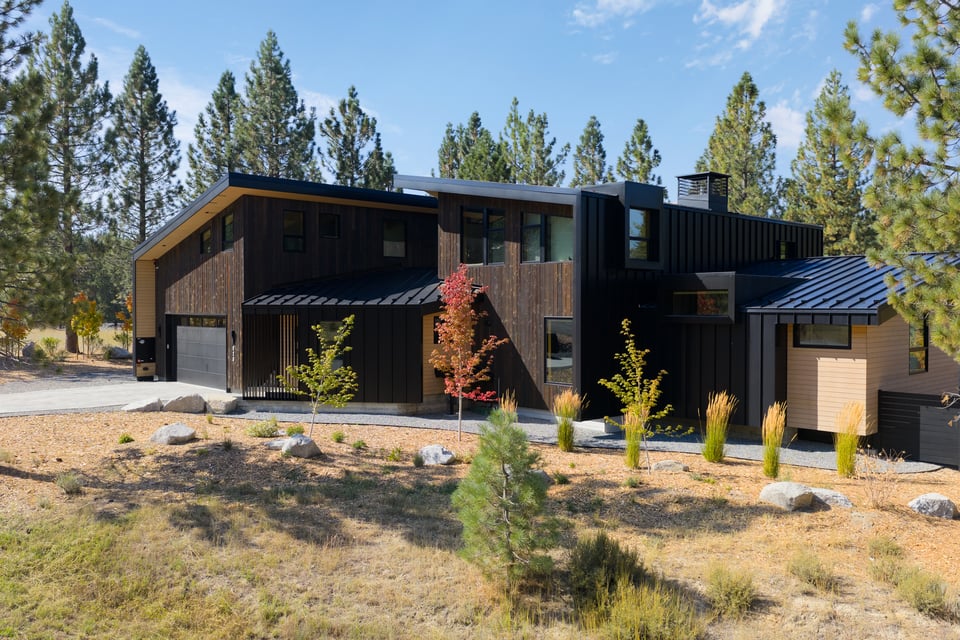
Working with SSB has been an incredible experience. For those that don’t know, I more or less designed this house myself. For better and worse it is almost entirely a product of my mind. That could have gone very poorly.
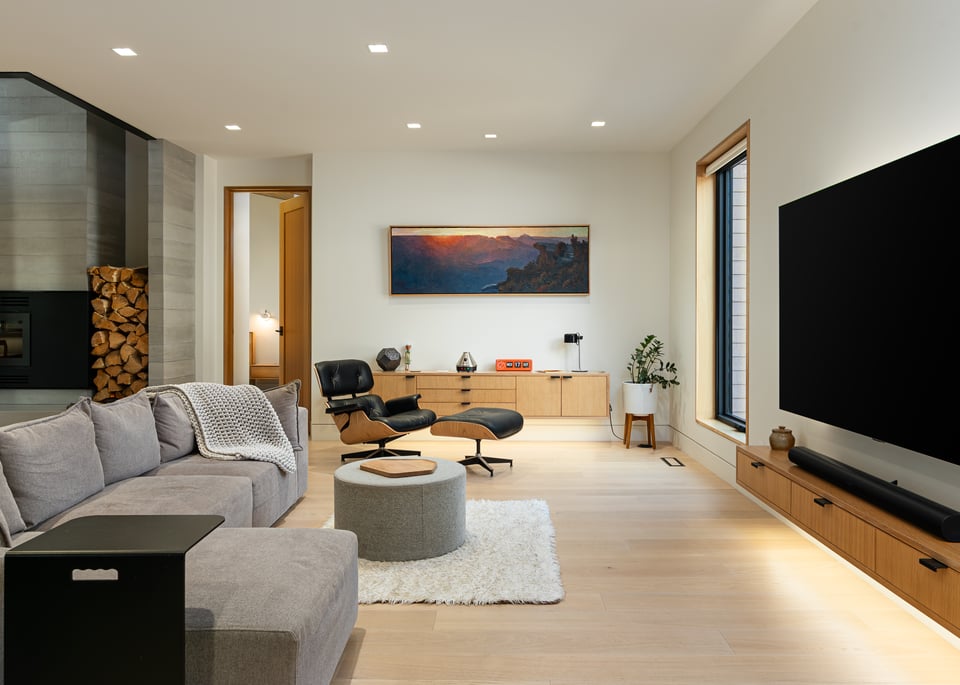
Photo courtesy of Ardent Media (Joseph Reinero)
Brandon from SSB took my ideas — my notes and renderings — and made them… a real house. He fixed the dimensions. Designed the windows. Hired an engineer. Figured out the trim details. And worked with me to find the right vendors to get the best product possible.
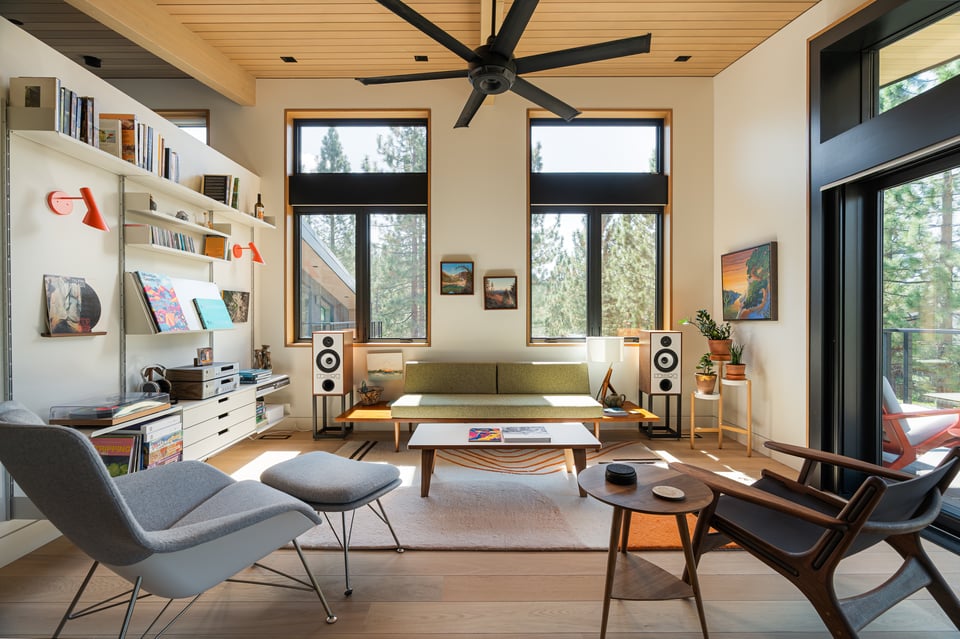
Photo courtesy of Ardent Media (Joseph Reinero)
This all needs its own issue. There’s just too much to go on about. So many incredible people that came together to make this thing come into existence. So many lessons learned and challenges overcome. The thing I want to drive home is that I am proud of this house. It was a new challenge, a new way to flex my design muscles, a new way to live the act of building. I absolutely have my dream house, and I get to share that with everyone who comes to visit.
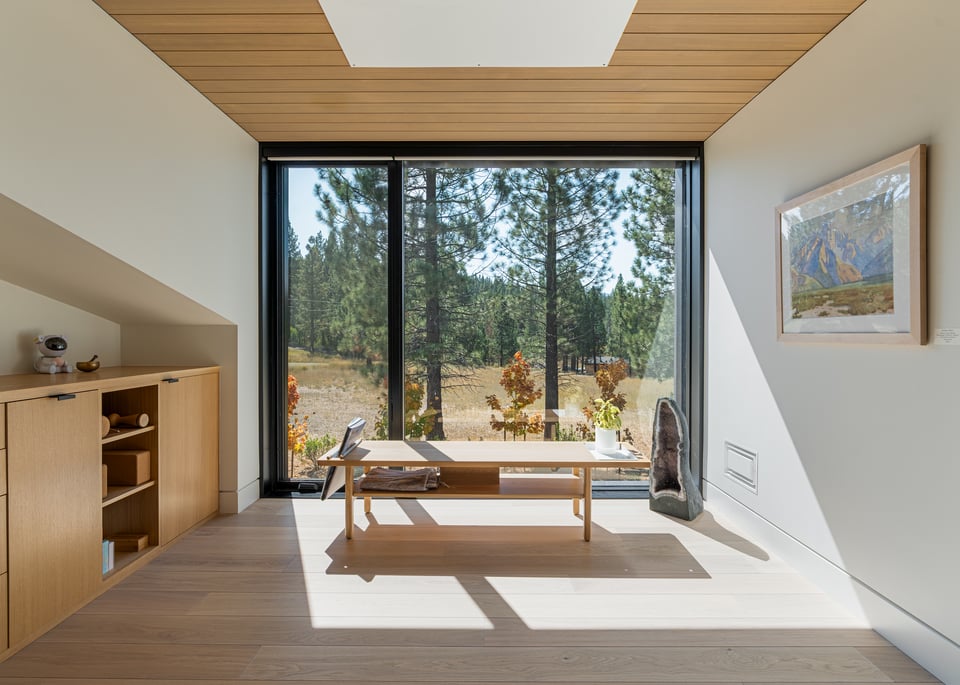
Photo courtesy of Ardent Media (Joseph Reinero)
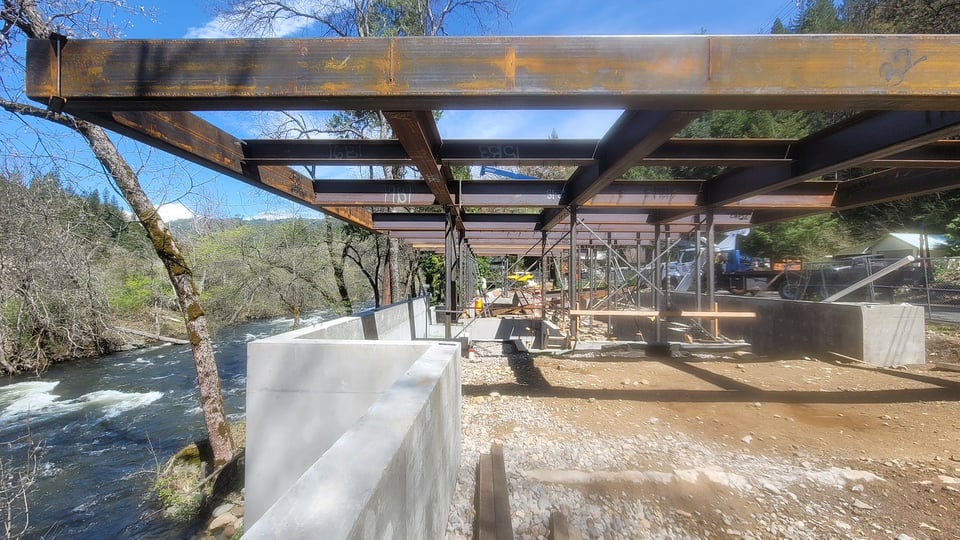
One more thing… I’m not done with houses yet. But this next one is a totally different thing. I’ll talk about it more later, because this issue is already getting long in the tooth. Floodline 2.0. A fortress of steel up in Northern California. And it’s getting pretty close.
And now for something I wasn’t expecting: computers are fun again. Back in 2017, I wrote this rambling post about what was next for me:
I feel torn between the endless opportunities I see in software and the disgust for what our industry has become. The rational part of my brain tells me you don’t have to be like those terrible people to work in software, but the emotional side of me sees what our industry is doing in practice and doesn’t want to be associated with it at all.
I was burned out. The industry I got into because I was obsessed with building had become something else entirely. It was entirely consumed with bullshit. Financial engineers dug their teeth into our companies, Alpha Male salespeople found a new grift to practice, and the entire technical side of the job had gone down twenty rabbit holes nested inside of each other. Inside a yak shave.
And then, November 24th happened. Anthropic released Opus 4.5 just as the holiday break hit. And suddenly… everything was different. Every single blocking bug. Every single barrier to getting a piece of software working. Every single ounce of bullshit that sucked the life out of creating software vanished.
It’s not exactly as clear cut as that. And all of the big AI labs have similar models now. But it’s a pretty good approximation. Software is different in March 2026 from November 2025 in a way that is hard to communicate.
The way these models work, the quality of their output, and the implications of this cannot be overstated. There isn’t a person who works in software who doesn’t feel it. Fifteen minutes with these tools and you realize that every single thing about building software is going to be different going forward.
I’m back building. I’ve built more software in the past month than I have the previous 28 years of my life. And it’s more ambitious. It’s more complex. It’s better written. I have been so gobsmacked that I have struggled to even talk about it outside of a small group of tech friends. Being able to accomplish so much with so little frustration, to be able to be entirely absorbed in the thing I’m building is a drug I never saw coming. It has absolutely destroyed my sleep schedule. It’s feeding me energy. Like someone installed a fusion reactor in my heart.
It is a weird time to be a software developer. It’s an absolutely horrible time to be running or working at a software company. It’s never been a better time to build things with software. I am thankful every single day I am no longer working in tech, and I’m spending more time on my computer than I have in a long, long time.
I don’t know what this means for the future. Right now, these models feel like a gift. But all of the AI labs are also working on weapons of war and all kinds of nefarious things we can’t even dream of. Things will be different. What happened here is so much more nuanced and so much more impactful than the headline of AI has replaced software developers. And it’s coming for everything at a pace that is hard to comprehend. I sure can’t wrap my head around it. There’s no going back. We’re diving into this at warp speed, all while Climate and Politics are turning the dials up to 11.
I created this thing for people who aren’t software developers: Kyle’s Handbook for the Future.
Here’s something that feels like a moral imperative for me to communicate: the time is now to learn how to use these tools. If you do any kind of knowledge work — research, spreadsheets, anything done on a computer — you need to learn to use these tools today. These tools offer real benefit, they solve real problems. They are also a drug for the mind. They make weak men feel invincible. It makes them believe they are superhuman with what they can accomplish. You need to feel this too. You need to understand how it might be used against you. You need to understand the shape of the future.
Give it a go. Let me know what you think.
Until next time, friends.
— Kyle
You just read issue #15 of Seasons of Kyle. You can also browse the full archives of this newsletter.


