
The Dangers of World Building
Backrooms, The Dark Crystal and the pitfalls of world building.

World Building can be dangerous if you’re not careful.
Last newsletter I talked about how World Building is my favorite part of the creative process. But left unchecked, it can also be a crutch, a distraction or even the promise of something the story and characters simply cannot fulfill.
World Building by Committee
So like the rest of my Gen Z brethren, I saw Backrooms last weekend. I mean, how could I not? We were in high school when it came out on YouTube!!
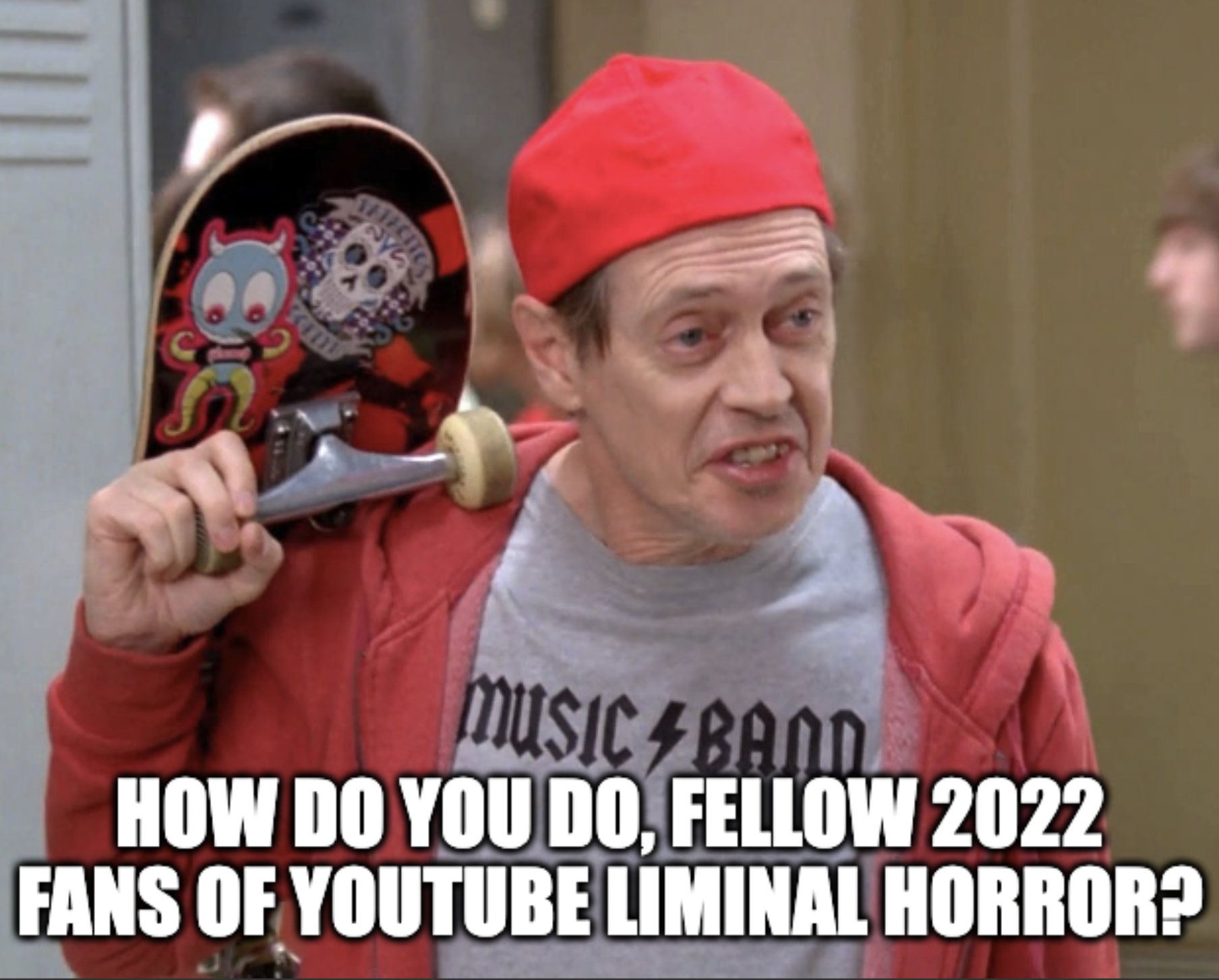
I found the imagery in the original short uniquely nightmarish. Uncanny discomfort and mundane claustrophobia courtesy of Blair Witch style horror combined with the 90s aesthetics of my childhood (oops I am in fact old).
Point being: I loved the world building. Classic mystery box shit, but the box felt intriguing and creepy and unknowable. I didn’t watch the subsequent web series, but I was primed to see the movie simply because the short had such a powerful mood that seemed to gnaw at you long after it ended.
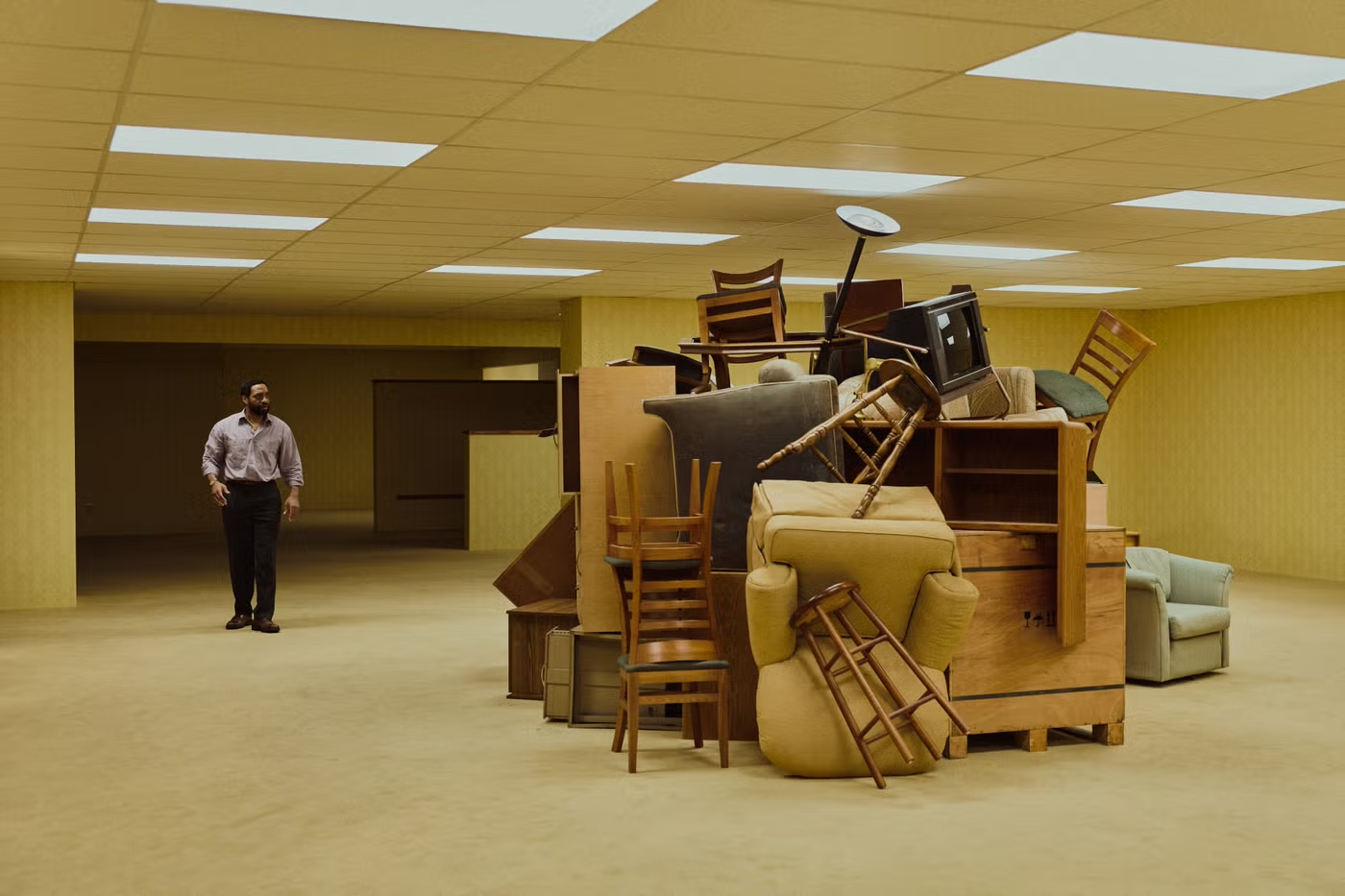
I won’t spoil the movie’s plot, but I’ll say this: while I think the realization of the Backrooms itself is incredible from an eerie vibes and production design standpoint, I don’t think it fully worked for me as a film because the adaptation felt like a product of World Building by Committee.
Instead of letting the creative drive the World Building, I think the many production companies and studios involved with making sure the big screen adaptation was a hit got scared it wouldn’t resonate with theatrical audiences without making things a bit more accessible or conventional.
And so (I’m assuming) some of the more unfettered artistic exploration got forced into a more traditional box that feels unnecessarily straightforward. And frankly at odds with its world. Which, y’know, I kinda get. I’m guessing most audiences aren’t primed for a two-hour abstract slow burn of unease.
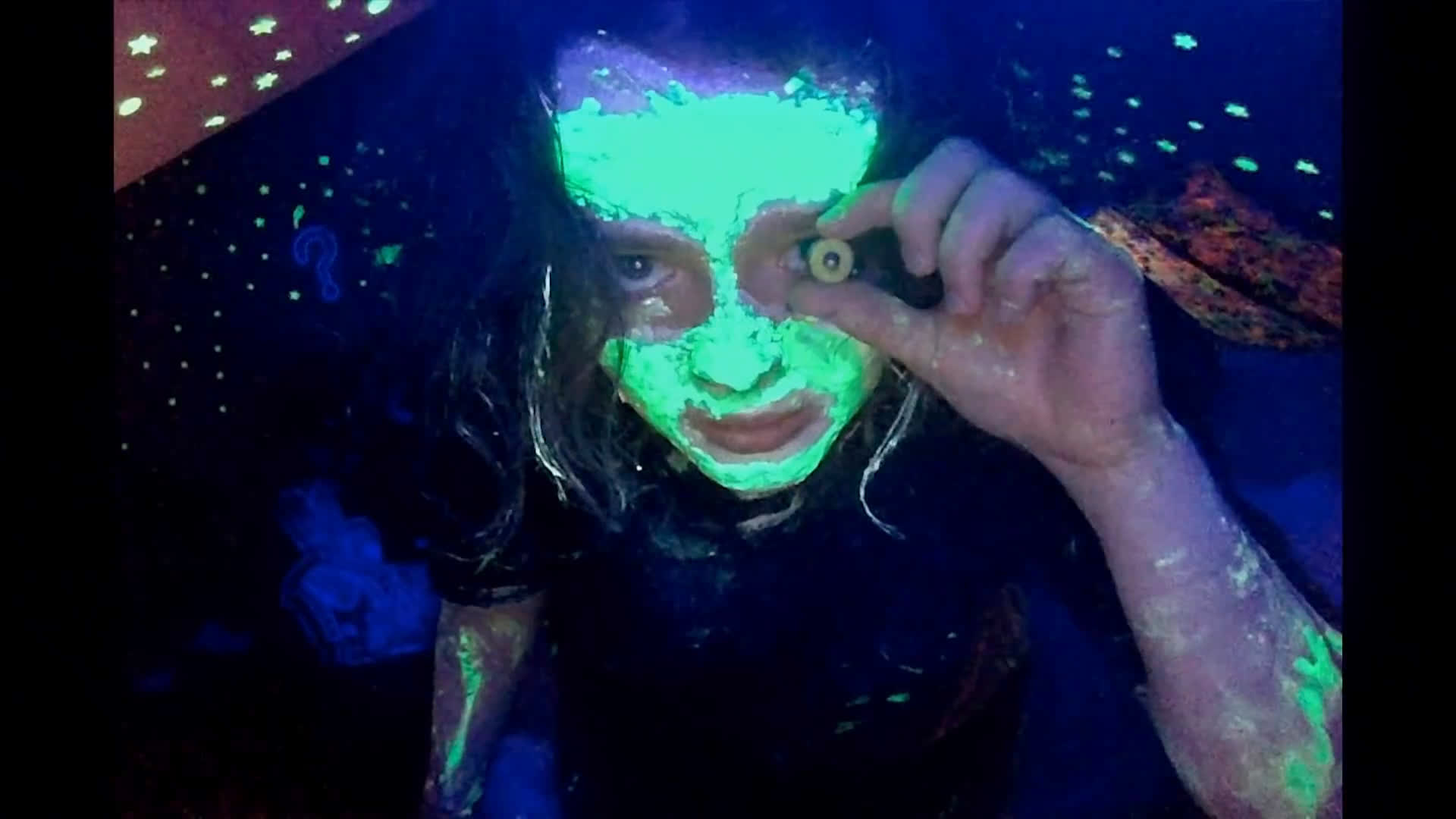
Unfortunately, the forced story and character beats in Backrooms betray the excellent World Building that made the original short so appealing. Because when the movie lets the director do his YouTube thing, it’s firing on all cylinders. But when it tries to be something more traditional… not so much.
But World Building by Committee doesn’t care about what’s creatively best, it cares about what’s financially safest. It’s the opposite of a bunch of artists getting together for Collaborative World Building.
And in this case, it makes a world that felt expansive and unknowable on a small screen feel oddly contained and predictable on the big screen.
But while I think Backrooms could’ve used less overt story and character for the simplicity of its world to thrive, sometimes World Building becomes so unwieldy it needs a bit more story and character to feel lived in…
Getting Lost in World Building
I have a love / hate relationship with Jim Henson’s film The Dark Crystal.
On the one hand, it rules. It has phenomenal puppetry, a bigass glowing purple crystal and nasty vulture people who still might be the most accurate portrayal of ghoulish politicians. Oh, and FIZZGIG!

Unfortunately, it’s… kinda boring. As a kid, I was enthralled by the creatures and practical effects, but boy oh boy did the story make me restless. Every few years I give it a hopeful re-watch, and every time I’m left disappointed.
I’d rather look at the art book or just mute the movie and vibe out to a good background album than suffer through Gelfling dialogue. For me, it’s a clear case of a really cool world without an emotional access point. It’s a movie with big ideas and lofty ambitions, but most are lost in the final product.
One of the reasons seems to be that Jim Henson himself got lost in the World Building. This theory clicked into place for me when I read the best Henson biography out there by Brian Jay Jones. The book details how much The Dark Crystal was a passion project - and how Henson spent so much time developing the world with fantasy artist Brian Froud ahead of filming.
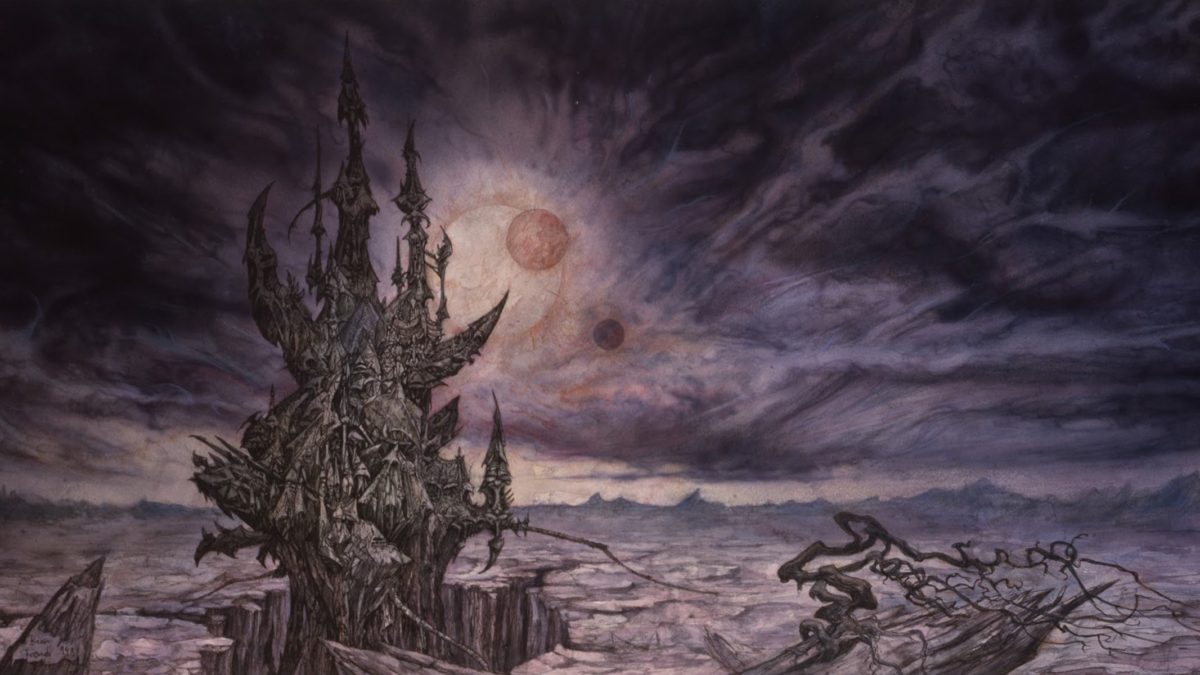
They even created a made-up language for the Skeksis and shot the film in this made-up language with the intent to release it without subtitles. It took the tough love of Frank Oz (and a rough screening of an early cut) to convince Henson he needed to write a script in English that could be dubbed over the existing footage to make it remotely watchable.
And as a result, remotely watchable it is! It’s honestly more impressive to me that the movie is coherent considering the backstory of how it got made, but it partially explains why I think the final product suffers: too much time spent crafting a deeply-excavated world, not enough time figuring out how or why a viewer dropped in the deep end should care.
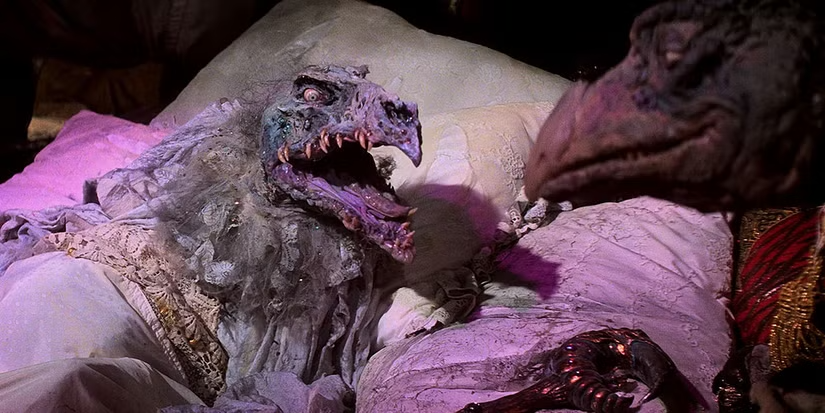
Henson knew Thra inside and out, but all the fantasy maps, creature design and mythology he drummed up with Froud couldn’t possibly fit onscreen.
I think the story and characters end up thinly drawn as a result of being overwhelmed by the magnitude of details being considered to bring the world to life - and ironically, it makes The Dark Crystal feel a bit lifeless.
I have no doubt there’s an emotionally compelling version of the film that lived inside Jim Henson’s head, but the gulf between what he felt vs. what audiences felt didn’t seem to line up. But hey, at least he went for it!
There’s nothing quite like the world of The Dark Crystal, and that’s what keeps me coming back (and why it’s lived on). I’d rather watch a unique misfire with an intentional world than something homogenized by the system.
World Building Paralysis
Last but not least is the most insidious danger: World Building Paralysis.
It’s a term I made up 5 seconds ago (whoa, world building in real time!!) to describe when you lean on a a never-ending cycle of World Building at the expense of even starting or finishing your project.
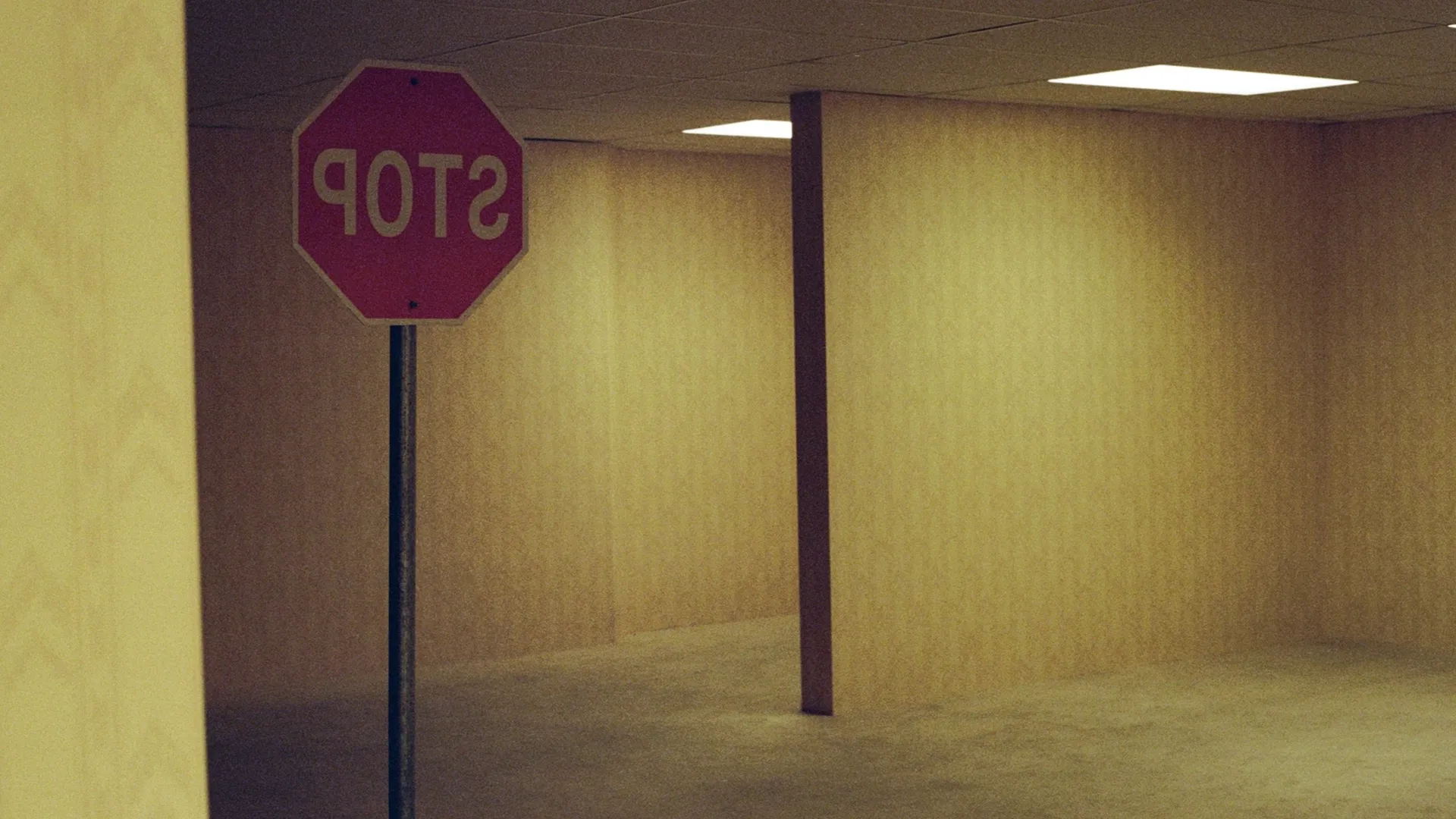
Maybe it’s driven by your own fear. Maybe it’s driven by the fear of the people who hired you. Either way, it’s usually driven by perfectionism.
Some of my favorite ideas live in this space far too long. Unmade because I’d rather keep World Building than face the potential of bringing it to life imperfectly. Or unpitched because the many voices in development can’t agree and keep re-breaking the world until the idea itself breaks.

There’s a time for extensive World Building, but there’s also something to be said for getting the art out without overthinking it (he said out loud to himself while writing a newsletter). Every project is different. If need be, World Building can be shaped around the story and characters after the fact!
In conclusion…
Writing is hard! Making anything is hard!
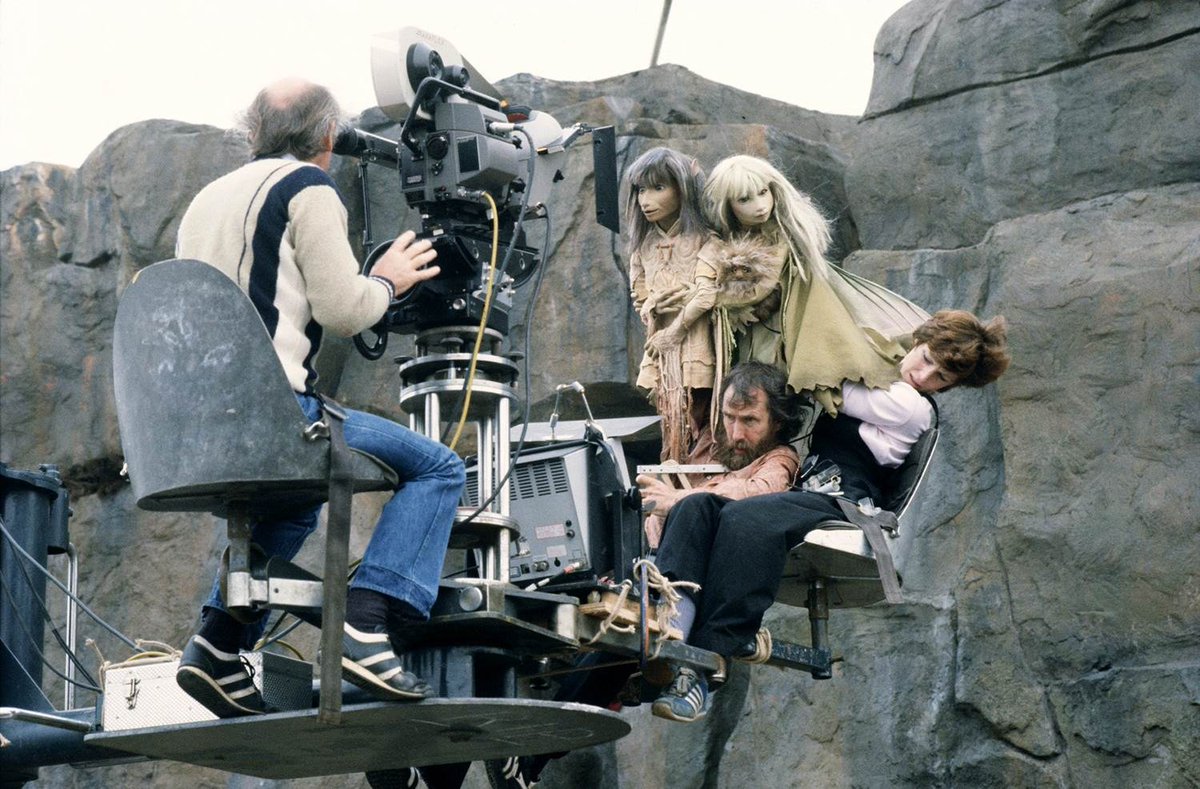
Truth is, it’s easy to criticize art when you’re not the one making it. I relate to these World Building pitfalls because I fall into them across my own projects.
While I’ve got issues with Backrooms and The Dark Crystal, I still find their unique worlds inspiring. Both are driven by artistic vision, and they’re worth seeing because the worlds succeed even if they don’t fully mesh with the movie as a whole. And sometimes the parts are greater than the whole.
How’d you feel about Backrooms? Am I overthinking a fun thing? Do you like The Dark Crystal and think it’s blasphemy to call out the work of our patron saint of creativity, Jim Henson?
NEXT TIME: What do THE THING and CLUE have in common?

