2025-02: Tomatoes and Radio Wire
Time’s been getting away from me lately. ‘Burnout,’ of course, is the easy way to call it (although certain YouTube ads for dubious self-help apps tell me that I don’t have burnout but ‘cortisol addiction’) — I’m tired much of the time, and unfocused, and largely unmotivated. But it’s time that bothers me most — I take longer to write, and, worst of all, I take longer to answer emails, which I try to never let be the case.
All of which is to say, I meant to write this newsletter about three months ago, and but here we are now. This is annoying, if only because I had things that, at various points in time, I wanted to talk about: first there was the Ilan Manouach essay about the potential of AI-generated comics, which was months ago and thus irrelevant, and most recently the utterly wrongheaded Alex Graham cancel culture screed-in-comic-form, which even now, less than two weeks later, already feels pointless to talk about.
Tell me about you. How have you been?
WHAT I’M WRITING
Comics
Not one but several new comics to share this time. The first one follows the trend of the previous comic I shared with you — it’s another photocomic, though of, I think, a marginally different breed. It’s called “Hello?” and this is the first page:
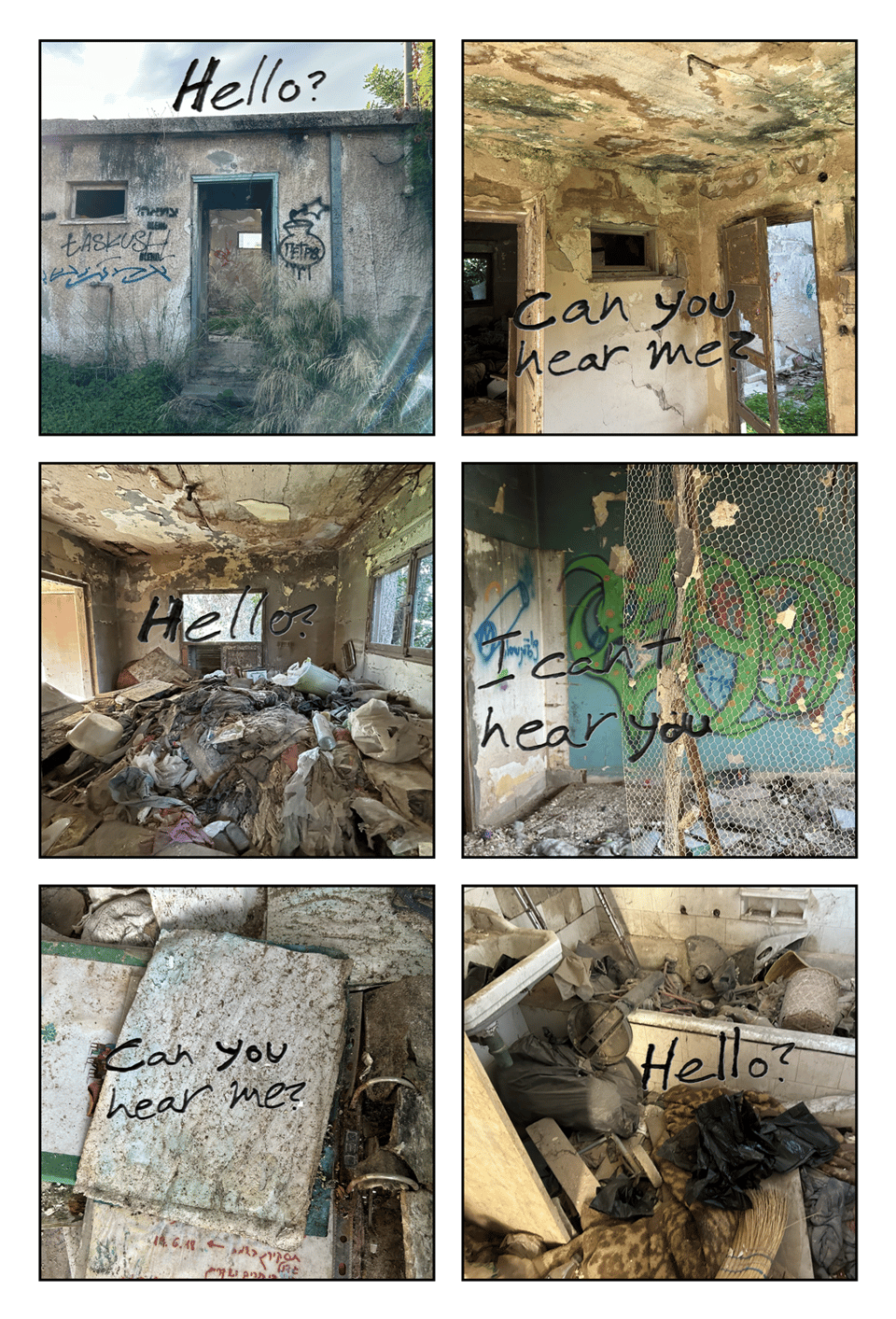
The photos for these were taken in January of 2023, long before I had any comic in mind — the house pictured is on the main street of my hometown, and has been standing abandoned for I don’t know how long. It’s not usually my habit to go exploring, but it was a Friday morning and I was bored. It was honestly really cool.
You can read the rest of it on Bluesky, or download the .pdf for a price of your choosing on Itch.io.
As for comics with art by other people, I’ve posted two of those in May, four pages each. The first one, drawn by the absolutely brilliant Goran Gligović, is called “All Your Pain Will Soon.” I wrote this one about two years ago now (in fact it was the comic I had initially pitched for the Xino anthology, for which I wound up doing a different comic, “Testimonial,” with Carson Thorn), but for various reasons unrelated to the comic itself it wasn’t made for a while until a few months ago I sent it to Goran and the ball rolled immediately. I wound up doing the hand-lettering for this one, which I think turned up rather nicely given the fact that I am completely unaccustomed to doing anything on the graphic side of comics.
Here’s the first page:
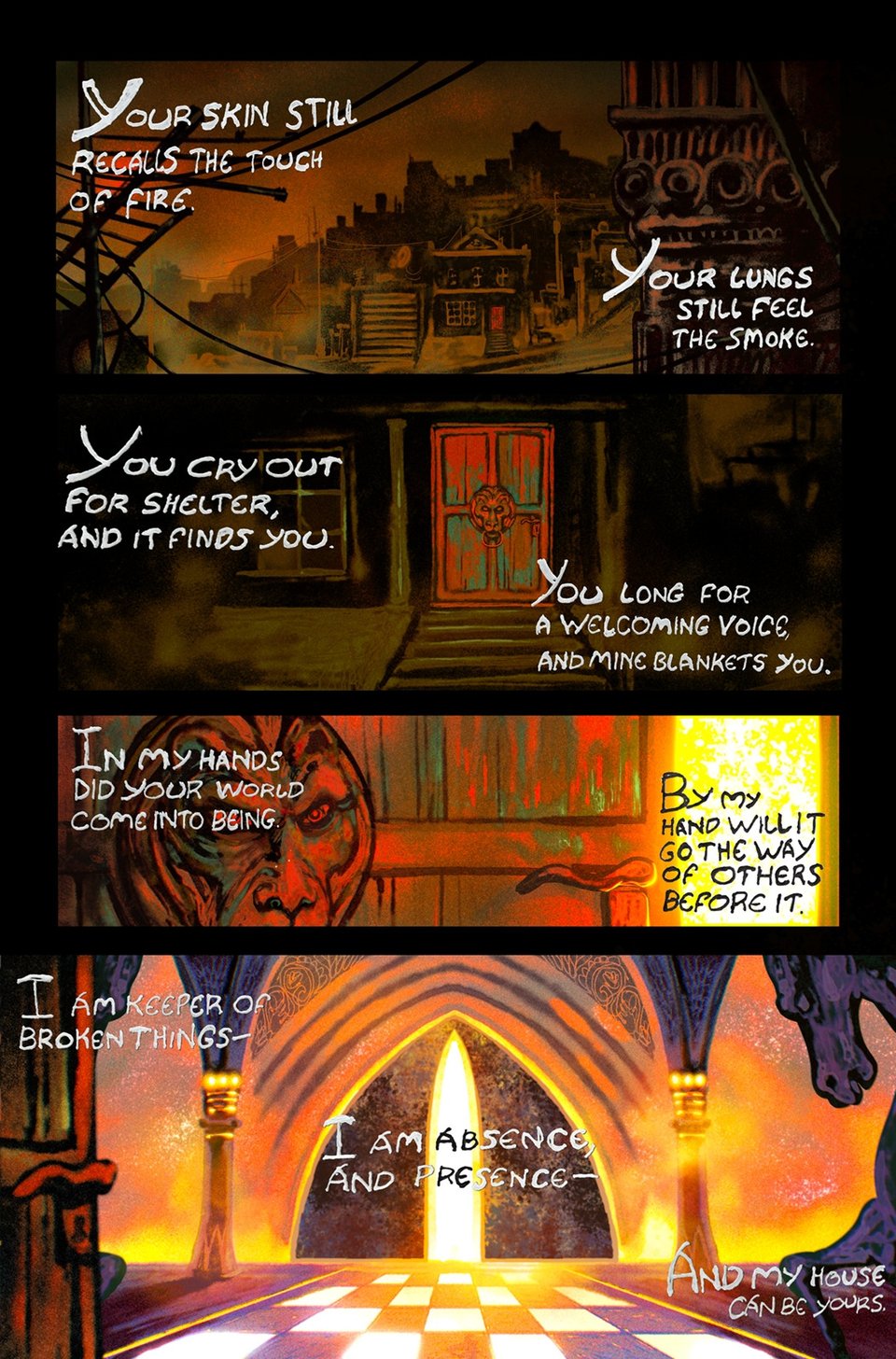
The rest can be read on Bluesky or on Instagram. If you dare.
Ah, but that’s not all. Earlier this week I published yet another four-page comic, “Traitor,” with art by my friend ComicNerdSam. It’s a fun one, I think, for a certain value of ‘fun’ anyway; though not about Israel per se, it was very much inspired by how it feels to live in a country whose supposed leftist contingent is stuck playing the losing game of Patriotism and Civility, all while their right-wing counterparts are just waiting on the first opportunity to kill them. I think it came out really nicely; my foremost influence was John Wagner, and Sam’s foremost influence (especially in the coloring) was EC Comics, which I think is a nice, elegant combination. The first page:
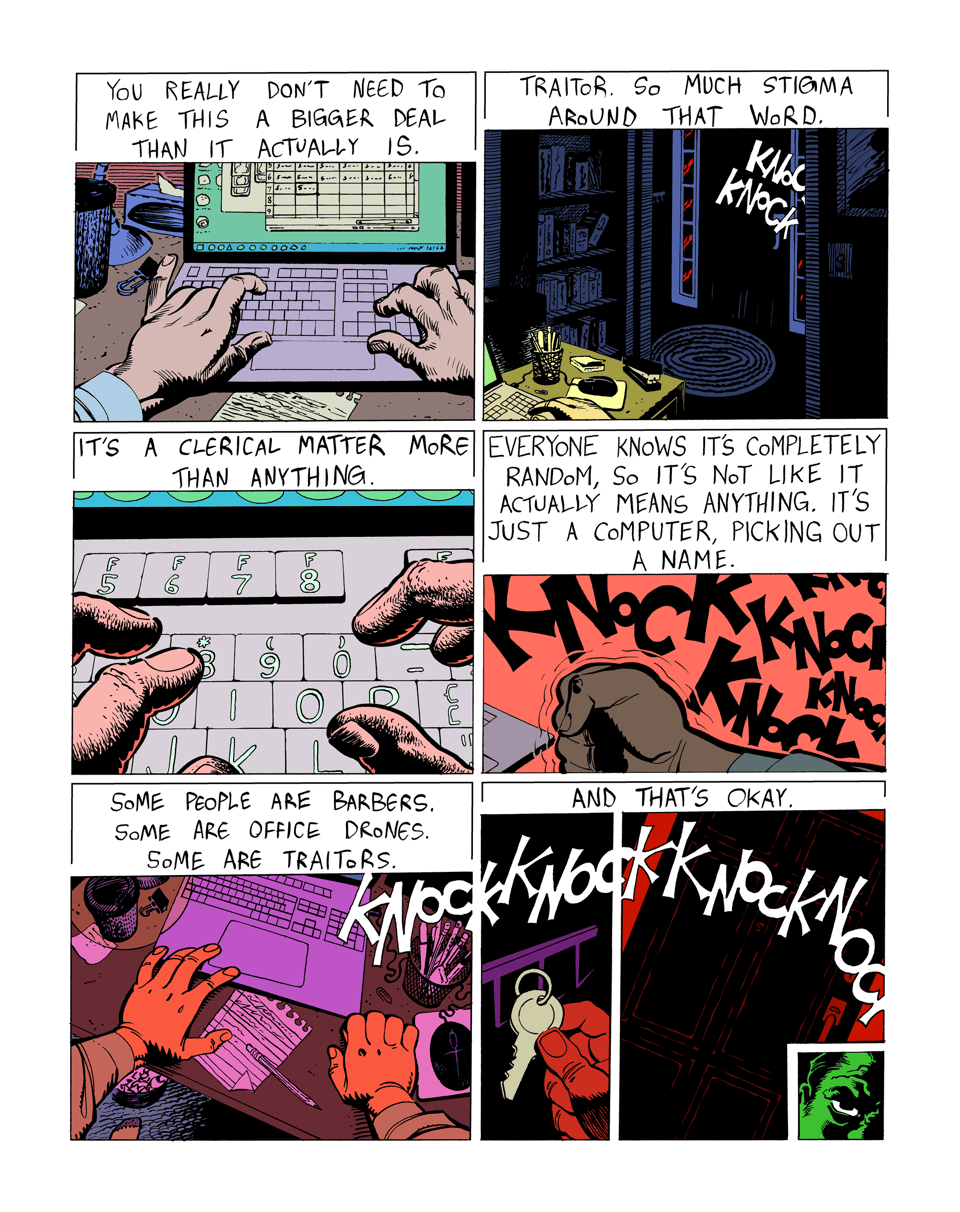
And the rest, on Bluesky and on Instagram.
There’s a few more comics coming soonish, the first of which will probably be a sixteen-pager with friends Aaron Losty and Marissa Louise. I’m usually hesitant to tease, just because I’m afraid to jinx it, but essentially the art is completely finished, only I said I would try to letter this one as well, so it’s time for me to determine whether my usual system of writing it out on paper and then scanning and pasting using MSPaint is sufficient. Until then, here’s the unlettered first page, drawn and colored by Aaron:
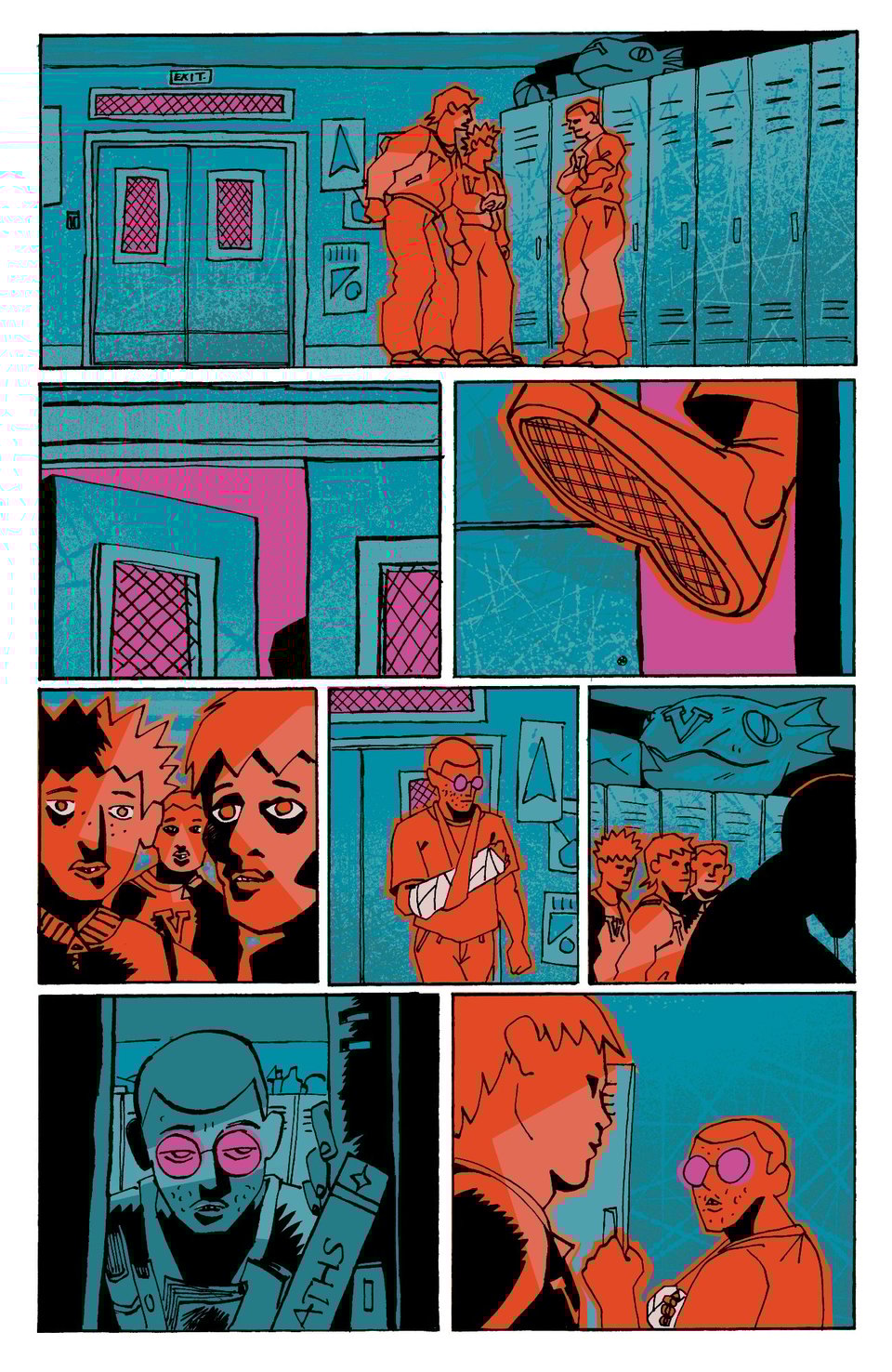
Nice, isn’t it?
Criticism
In this regard, too, I’ve kept busy since we last spoke. Let’s see…
For SOLRAD I wrote about:
The wordless comic Les trembles by Thomas Merceron (Quintal, 2024), an aesthetically-appealing bit of work that makes the common error of thinking because it uses no words it magically has something to say
Tokyo These Days by Matsumoto Taiyō (tr. Michael Arias, Viz, 2024), which… it was during the course of this book’s release in English that I read a few of the big Matsumoto books I hadn’t read yet, which had the adverse effect of making me notice some patterns in Matsumoto’s writing that simply don’t work for me, certainly not more than once or twice
Ready America by Anna Haifisch (Rotopol/Fantagraphics, 2023), a deeply moving art-book by one of the best cartoonists alive
Elise and the New Partisans by Dominique Grange and Tardi (tr. Jenna Allen, Fantagraphics, 2024), a frustrating, self-congratulatory piece of work that conflates self with collective and says little about either
Ninja Sarutobi Sasuke by Sugiura Shigeru (tr. Ryan Holmberg, New York Review, 2024), a comic that I greatly hoped to like but found to be a mere interesting failure, in part due to shabby translation work
and, finally, Bio-Whale by Ville Kallio (Peow2, 2025), a comic that I found a lot more engaging on second reading than the first time around, with some interesting usage of what I would term the implicit narrator figure
For TCJ, meanwhile, I talked about:
autobiography has become a stone in my shoe by Peony Gent (self-published, 2024) — I quite like Peony Gent’s work in general, but this stream-of-consciousness, choose-a-subject-and-see-where-it-leads-you approach felt like it had little to offer
War Stories, the latest volume in the collected works of Sergio Toppi (Magnetic Press, 2024), which, though as pretty as ever, didn’t really do anything for me — I suspect Toppi’s cartooning is simply incompatible with direct statement, which is part of what he’s striving for here
Welcome to Casa Baba (kuš!, 2024), a pleasant little three-piece anthology on the themes of travel and foreignness that I liked a great deal
and, most recently, Goes Like This by Jordan Crane (Fantagraphics, 2025) — either my longest piece to date or merely my second-longest (I haven’t compared with last year’s Charles Burns piece), and a deep-dive into all elements of this new Jordan Crane retrospective—product design, sequencing, and the comics and illustrations themselves—to try to figure out exactly how Crane sees this world, as a whole
Coming up next are pieces on:
The Concierge at Hokkyoku Department Store by Nishimura Tsuchika (Seven Seas, 2024)
Tongues, Vol. 1 by Anders Nilsen (Pantheon, 2025)
The latest batch of releases from Cram Books: The Yard by Jack Lloyd, Big Gamble Rainbow Highway by Connie Myers, and Leone in Blood from the Stone and Others by Max Burlingame
Rebellion’s recent collection of Lion serials by Jose Muñoz
Two late-eighties noir comics about taxi drivers: The Cabbie (Fantagraphics, 2025) and Night Zero (Rebellion via Hachette, 2025)
Crumb: A Cartoonist’s Life by Dan Nadel (Scribner, 2025)
Séquences by Robert Varlez (Éditions The Hoochie Coochie, 2013)
I’m keeping busy, is one way to put it.
WHAT I’M READING
Comics
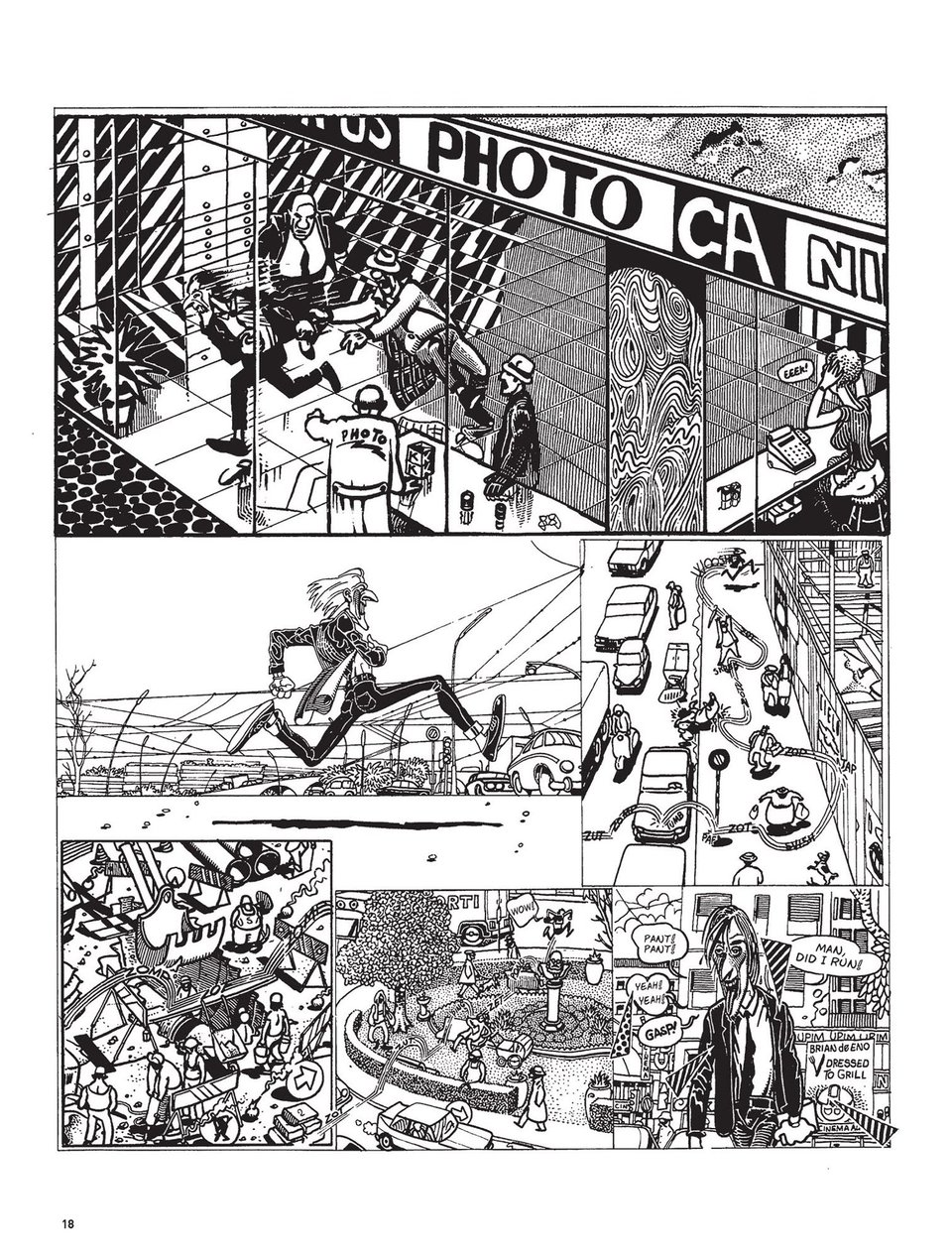
Zanardi by Andrea Pazienza (Eng. tr. Jamie Richards, Fantagraphics, 2017)
Now this is one properly nasty comic. I mean that in a good way — that distinctly Italian pent-up bleakness that you see in, say, Elio Petri. Zanardi is the ultimate loser’s-idea-of-a-winner, making for comics that feel wrong to read. The term ‘transgressive comics’ gets thrown an awful lot, usually for stuff like, I don’t know, Johnny Ryan or whoever, but this is one comic that feels, genuinely, rancid. And the cartooning! Good God, man.
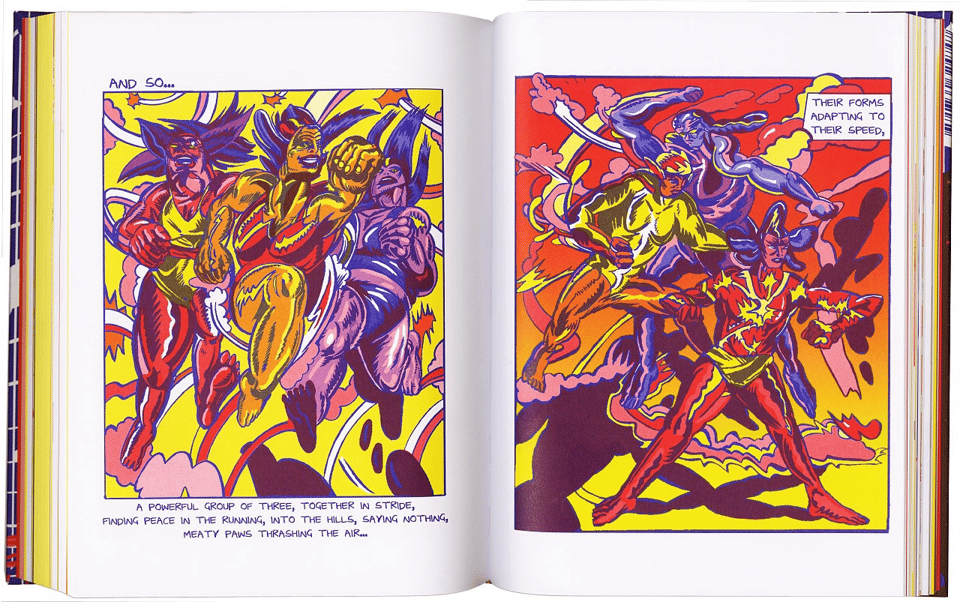
Grand Electric Thought Power Mother by Lale Westvind (Perfectly Acceptable Press, 2024)
I am one of those unoriginal thinkers who think that Lale Westvind’s Grip is among the very best comics of the 21st century. I say “unoriginal,” but what I mean is ‘correct.’ As such, I was very excited for this to finally come out after years of anticipation. It’s good! Very much the product of an artist developing in real time, and a very compelling process — there’s an aesthetic rigor that’s there from the very beginning, and even when the comics don’t quite come together they’re still enjoyable.
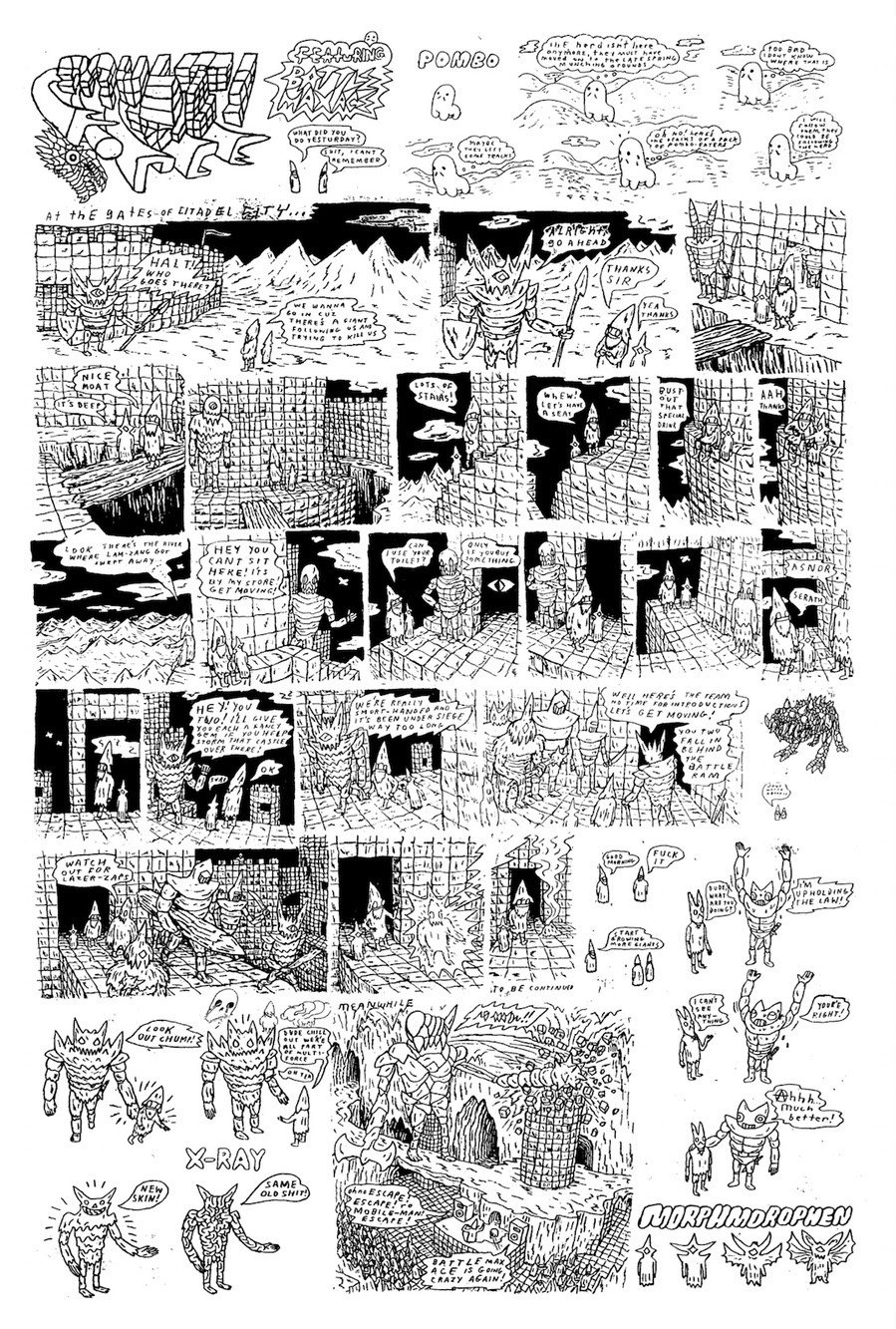
Multiforce by Mat Brinkman (‘museum edition’: Hollow Press, 2018)
I’ve been on a real Fort Thunder kick in recent months, and there’s few comics like this out there. I don’t think I’ve ever seen anyone use the page as a space like Brinkman does, with the exception of maybe Herriman. You can see both the people that it was influenced by (Chris Ware, Gary Panter) and the people who would come later (Patrick Kyle, Ron Regé but it doesn’t feel similar, it just feels like itself. Enviable, in a way.
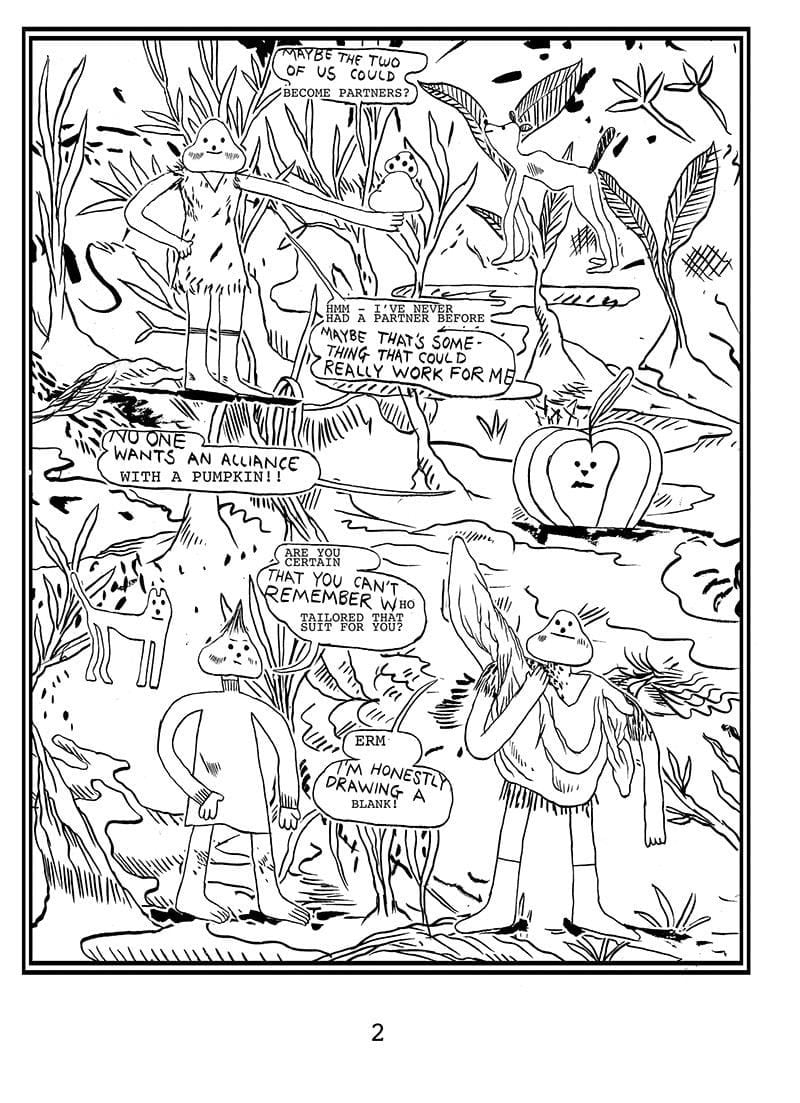
Roaming Foliage by Patrick Kyle (Koyama, 2018)
Speaking of Patrick Kyle and Fort Thunder… of all of Kyle’s works, this is his closest to FT — the most tactile, certainly, with a pleasantly meandering narrative and wonderfully-textured cartooning.
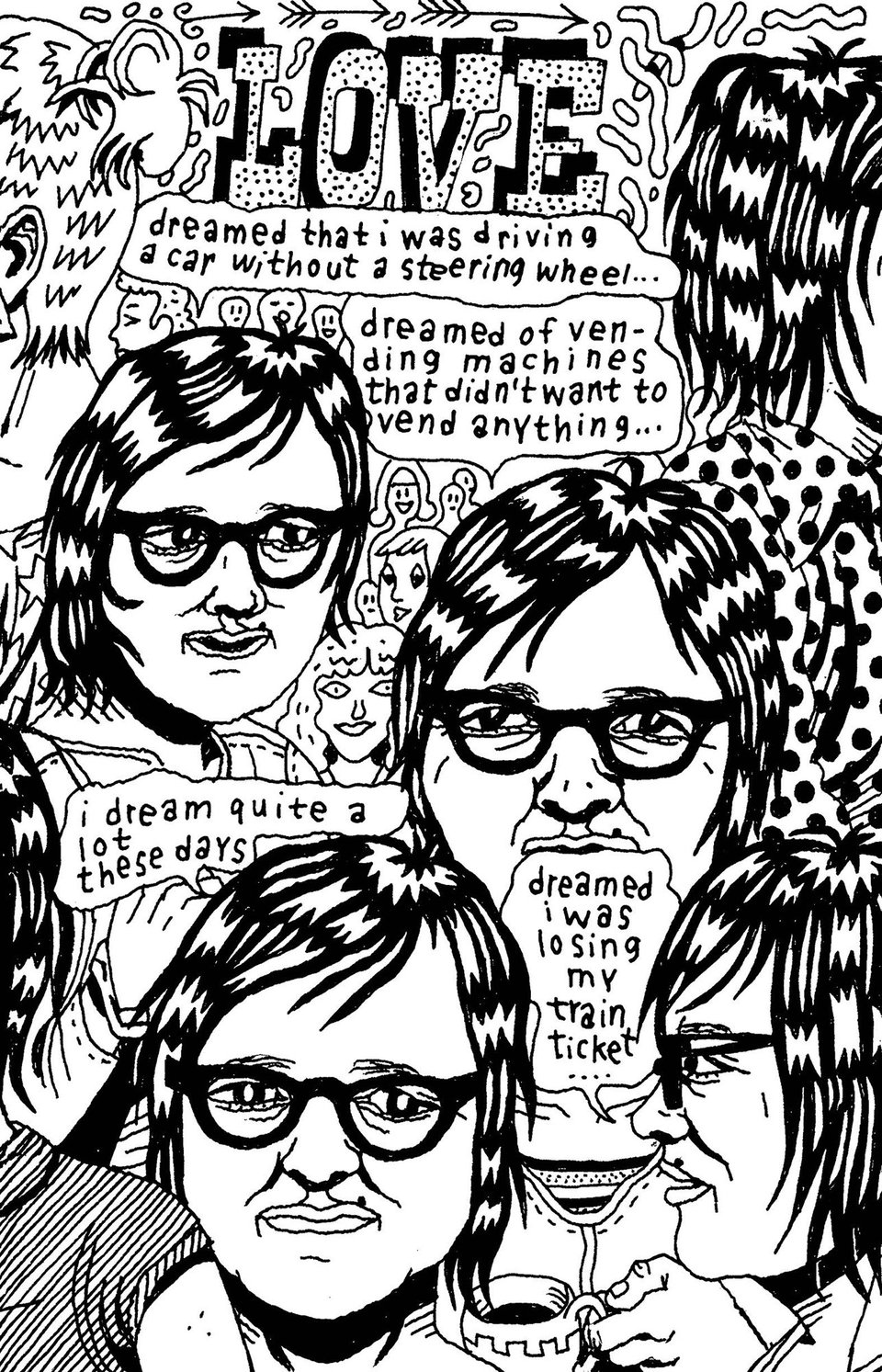
Time Zone J by Julie Doucet (Drawn and Quarterly, 2022)
I’ve had a few occasions, recently, to think about autobio comics, and why they often don’t quite hit for me — usually, it’s because the cartoonist can’t find an interesting aesthetic angle, so the art feels obvious, prosaic. Well, Julie Doucet’s Time Zone J does not feel that way at all. It’s a mode of overwhelm that feels admirable, and in its own way makes me rethink comics completely, which, y’know, is kind of a feat given how much I read. This was my first time reading Doucet’s work, and now I need to track down more…
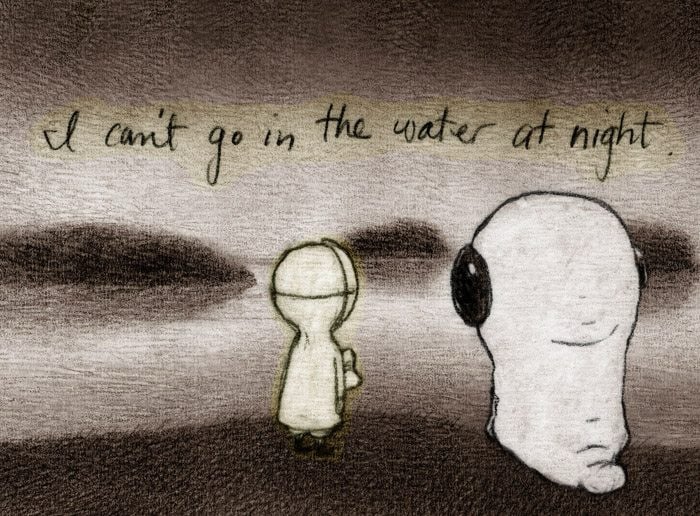
Baby Bjornstrand by Renee French (Koyama, 2014)
I’ve seen a few people compare this to Beckett, which I find interesting. I can see the overlap — the purgatorial non-setting, the sort of meandering uneventful plot, and of course the nigh-theatrical paring-down. But at the same time it very much felt like its own thing, and a beautiful one at that. French has a fun way of presenting dialogue, as floating text whose attribution is denoted by color, which harkens back to the non-diegetic text of proto-comics of the late 19th century but which doesn’t feel archaic at all.
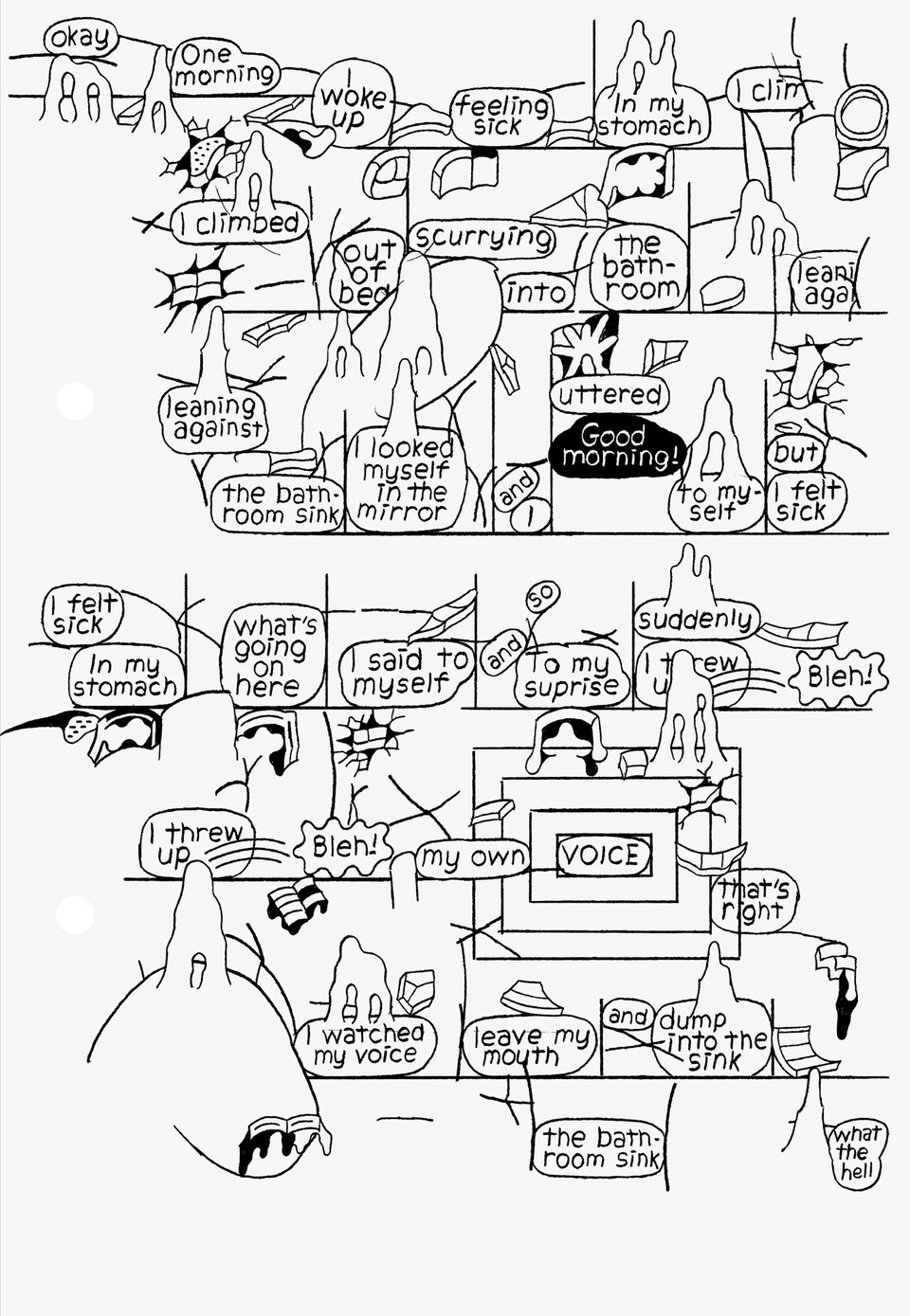
I looked around the apartment and sighed by Tim Ng Tvedt (Adverse, 2024)
Perhaps of a piece with Doucet and Brinkman, in that reconsidering-the-space-of-the-page way, but in such a viscerally interior way that it doesn’t feel like it needs to, or really can, be compared to anything that I’ve encountered. A pretty short read (eight pages, I think? Maybe twelve? The Adverse edition is ‘longer’ but only because half of the pages are a French translation), but a rich one.
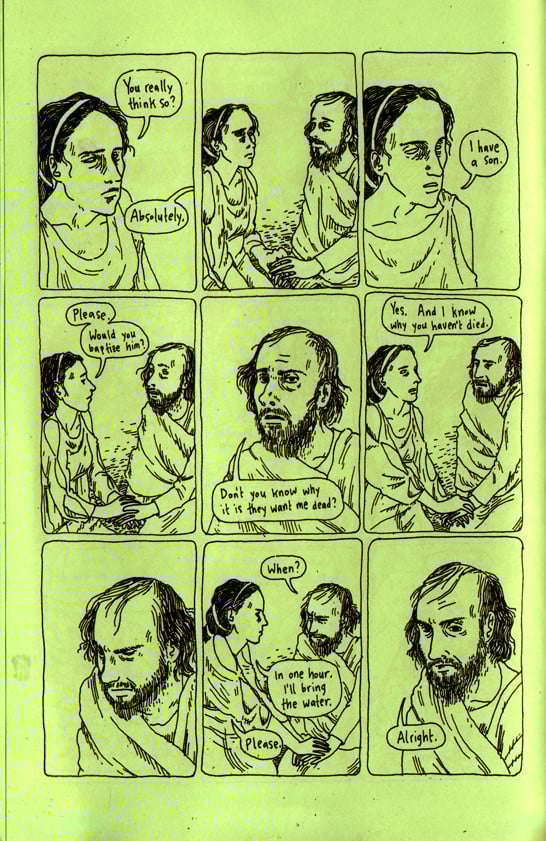
World within the World by Julia Gfrörer (Fantagraphics, 2025)
Julia Gfrörer, I feel pretty comfortable saying, is one of the best cartoonists alive, and this is an astonishing collection. I’d already read a couple of the pieces in it (“Palm Ash,” pictured above, is a favorite of mine), but to have everything in one place feels special. It was here that I could really appreciate, for the first time, the underlying Eddie Campbell-esque textures — a comparison that, I think, is its own high praise. I’ve been thinking a lot lately about how relatively few cartoonists get the opportunity to have their short-form work collected, and indeed the fact that a collection from Julia (a rather prolific artist, I would say) took this long is a handy demonstration of that fact; nonetheless, it’s the sort of book that will enrich most any reader.
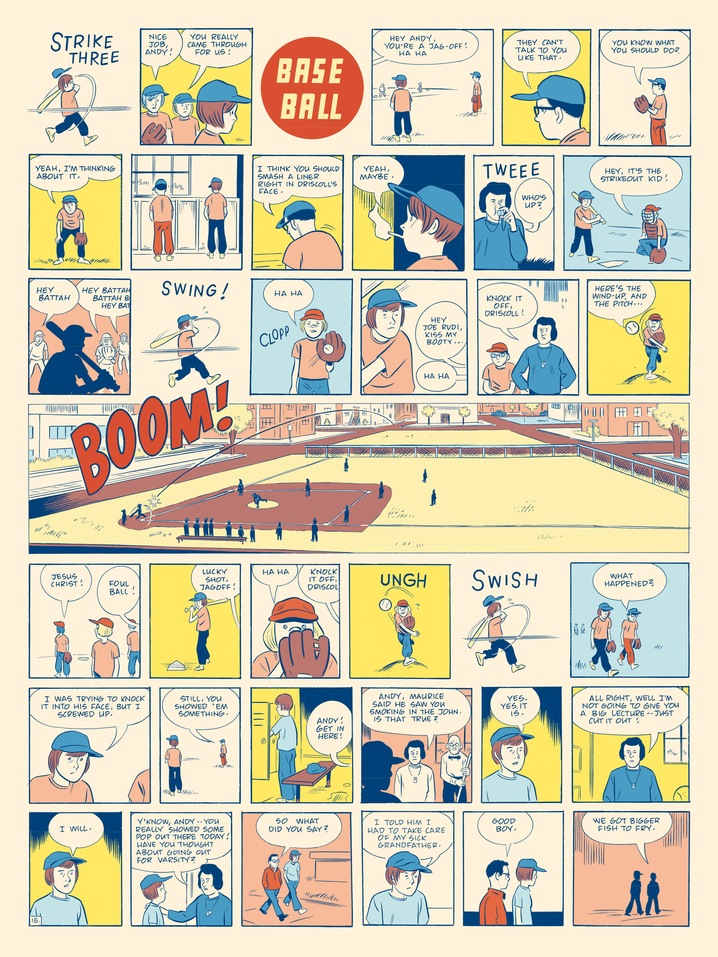
The Death-Ray by Daniel Clowes (Drawn and Quarterly, 2013)
I’d already read the first eighteen issues of Eightball, which I generally did not care for, and Ice Haven, which I appreciated but didn’t love, so this was essentially my last attempt before finally giving up and declaring Daniel Clowes not for me. And… it’s good! Really good, even. A lot of pieces fall into place here — the episodic structuring, the Wes Anderson-adjacent aesthetic, the transition from outright dirtbags to people who are just kind of nothing. A really strong character piece. I’m kind of annoyed by it, honestly.
Prose
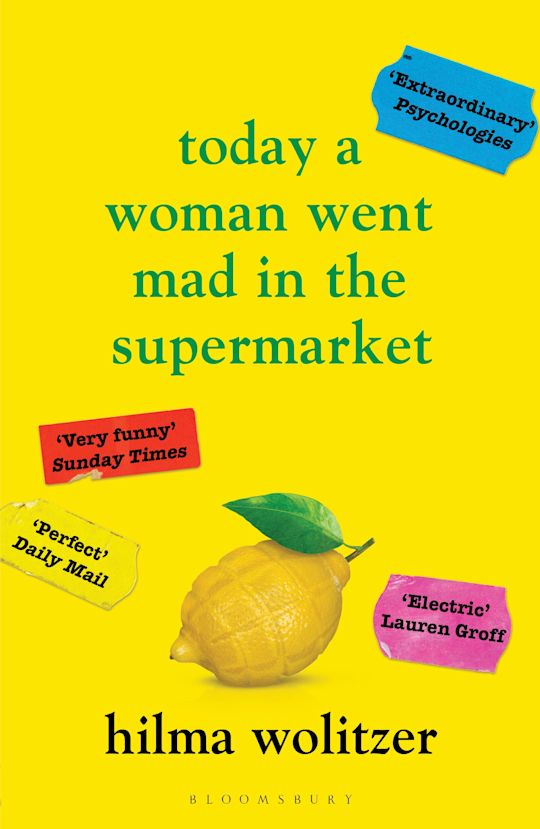
Today a Woman Went Mad in the Supermarket by Hilma Wolitzer
A very strong collection; the first few stories cleverly use, Kevin Huizenga-like, the same cast of characters, the same family with the same names, without giving them any real defining biographic traits, making them more archetypal and role-based than anything else, which is how Wolizter works best, as it allows her to choose one fractal-facet of self-alienated life and inhabit the mind of the narrator more than the outside world. Would strongly recommend.
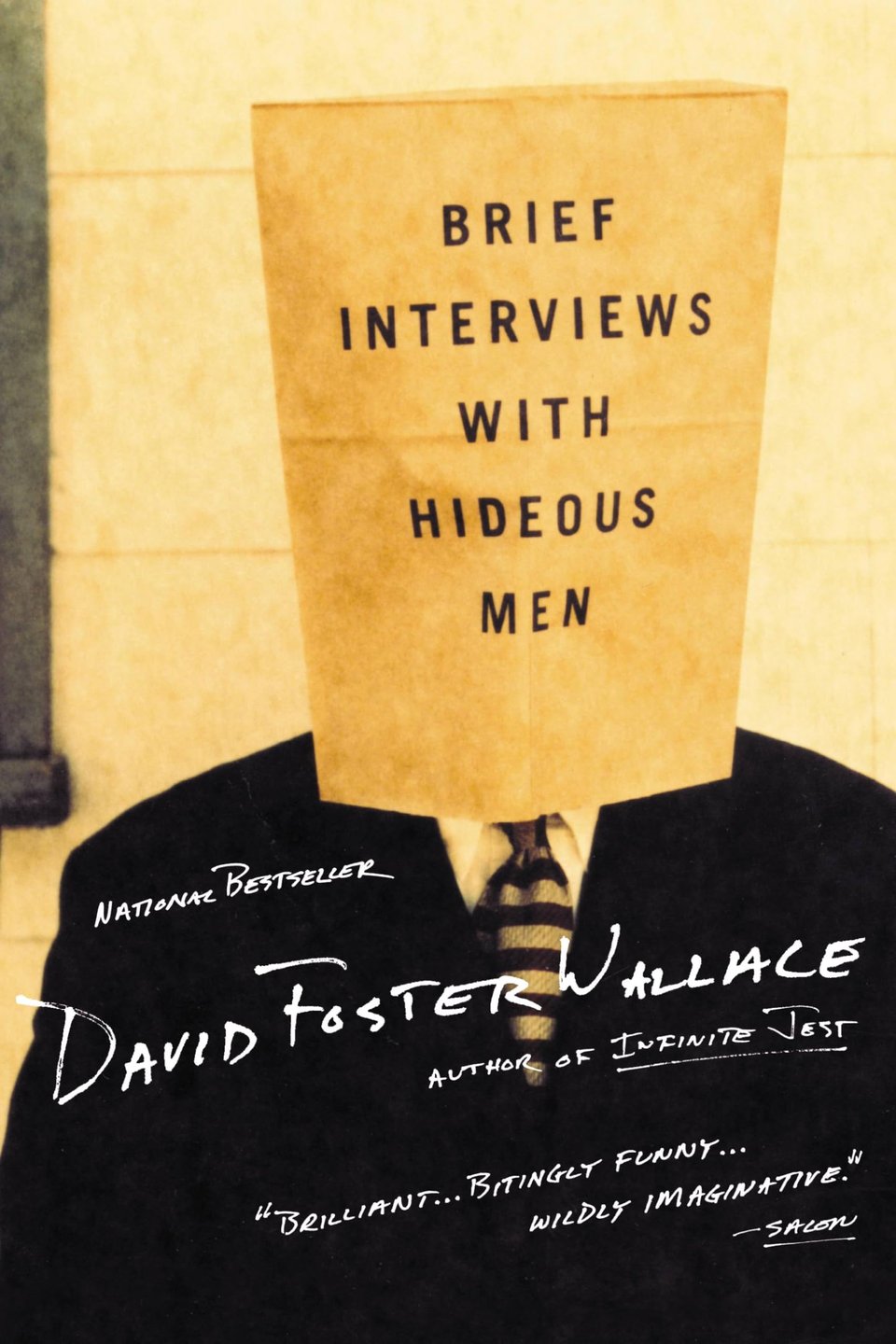
Brief Interviews with Hideous Men by David Foster Wallace (Little Brown, 1999)
This is a tough one to talk about. DFW, of course, is easy to dislike, being not only a wretched person but someone who made his work about being a wretched person, with layers on layers of self-justification, some of it more conscious, some of it less so. And yet: it works rather alarmingly well. I would term it ‘horror,’ not in the genre-conventional sense but in its ultimate impact: a reader bearing even the most superficial circumstantial resemblance to any of the characters will immediately feel like they, personally, are the worst person alive, an impact that DFW finds palpable glee in. I don’t fault people for not wanting to engage with DFW, but I would say it’s more than worthwhile.
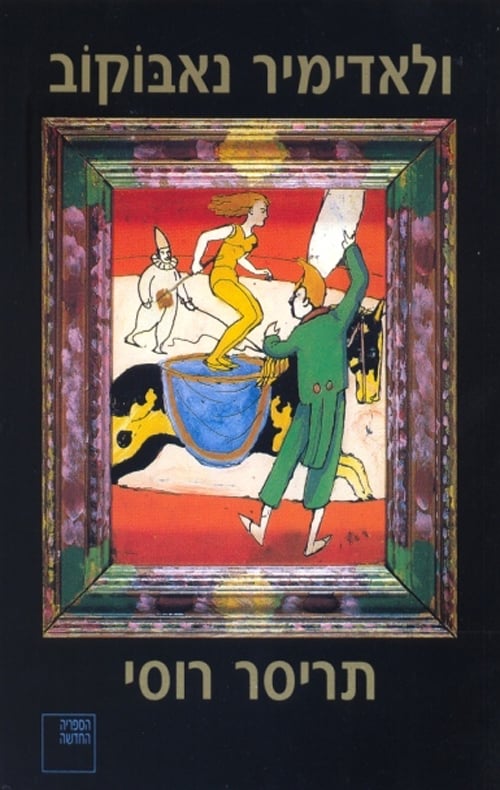
A Russian Dozen by Vladimir Nabokov
Though there is, I think, some overlap, this is not the similarly-titled English collection Nabokov’s Dozen, but a Hebrew-language selection of his Russian material. Nonetheless, it was my first time reading Nabokov, and, guess what: it’s good! There is a cognizance of voice, which is to say, of the presence of the narrator, that I greatly appreciated, and a generally-airtight approach to narrative. “An Affair of Honor,” among the most straightforward pieces of the lot, is maybe my favorite.

A Girl’s Story by Annie Ernaux (Eng. tr. Alison L. Strayer, Fitzcarraldo, 2016)
On the nonfiction front: I’m a big fan of Annie Ernaux’s autobio work, and this was wonderful; it was the fourth book of hers that I’ve read, and at this point you can kind of see the potential faults (the melodrama of her writing, the retrospective creation-of-significance), but she’s such a skilled writer that the writing remains compelling, never forced. My favorite of hers remains Getting Lost, but this is a close second.
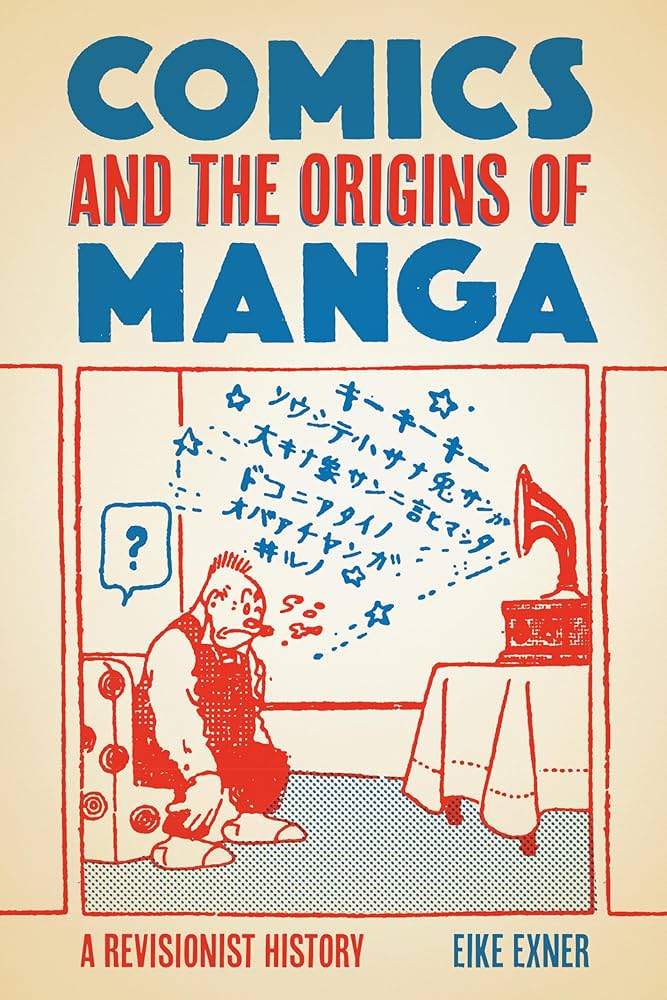
Comics and the Origins of Manga: A Revisionist History by Eike Exner (Rutgers University Press, 2021)
This book touches on two subjects I think about fairly often: the importance of cultural cross-pollination in art (especially in comics, for obvious reasons) and the retroactive, ahistorical application of ‘comics’ as a label in the interest of attaining broad-cultural respectability. Exner makes some interesting points that I had never thought about before, like the emergence of ‘trandiegetic’ representations of sound, i.e. word balloons, as a response to the development of sound-recording technology. Very much worth a read for anyone interested in the more nitty-gritty aspects of comics history.
WHAT I’M WATCHING
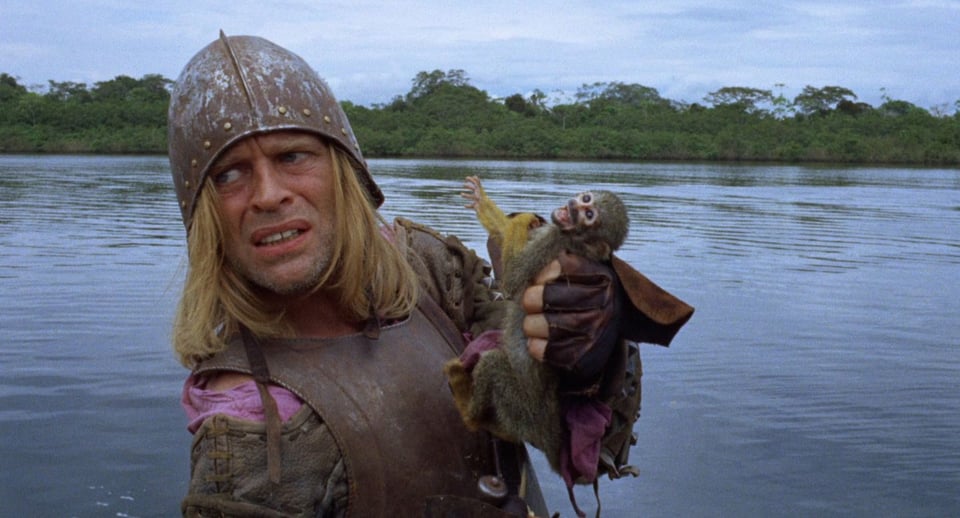
Aguirre, the Wrath of God (dir. Werner Herzog, 1972)
If you can believe it, this was my first time watching a Werner Herzog narrative movie (I’d only watched his documentaries), and it was good. Surprisingly prosaic and stripped of the luster and appeal of the traditional Epic; it’s all risk with very little indication of reward, and Aguirre himself is not particularly charismatic or charming, or, indeed, not all that competent. Some easy caveats—very little focus on the natives, who are only human insofar as their humanity can be robbed from them—but as a character piece it works very well.
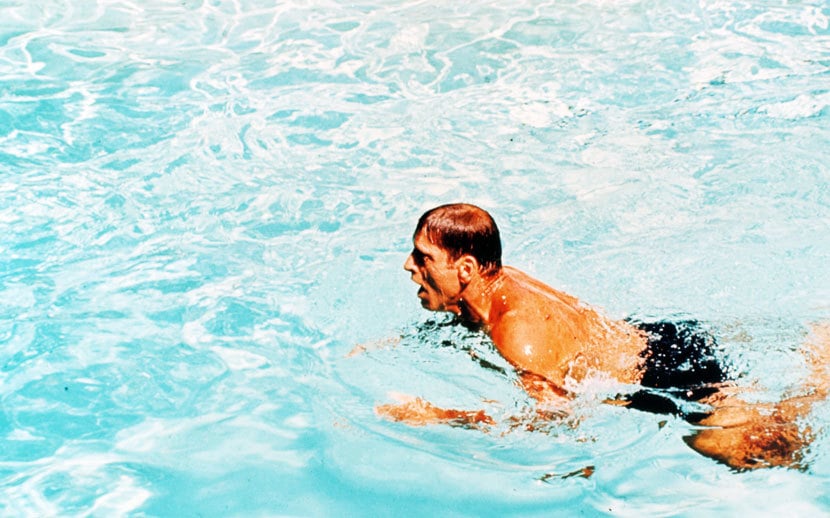
The Swimmer (dir. Frank Perry, 1968)
Now that’s a movie, baybee. I love a good exercise in narrative perspective, and this one hits, constructing a self-mythology while simultaneously eroding at it. Uniquely compelling work.
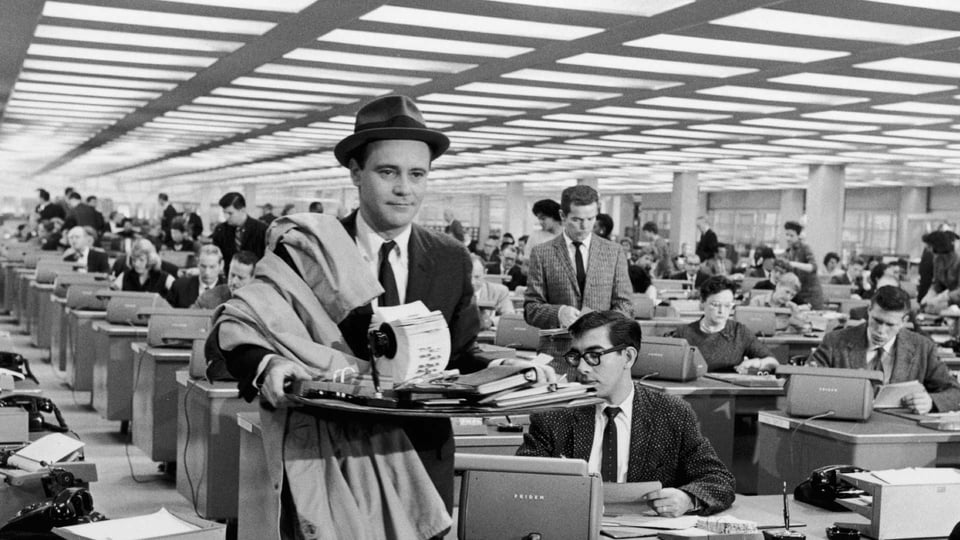
The Apartment (dir. Billy Wilder, 1960)
A lot of people will tell you that The Apartment is the best movie of all time. I’m here to tell you that they are very likely correct. In fact, I can say that I don’t think I’ve ever asked myself that question, exactly what movie is worthy of that title — but as soon as I finished The Apartment I thought “This is it.” I can’t think of any other screenplay this tight and this elegant. Really kind of a miracle.
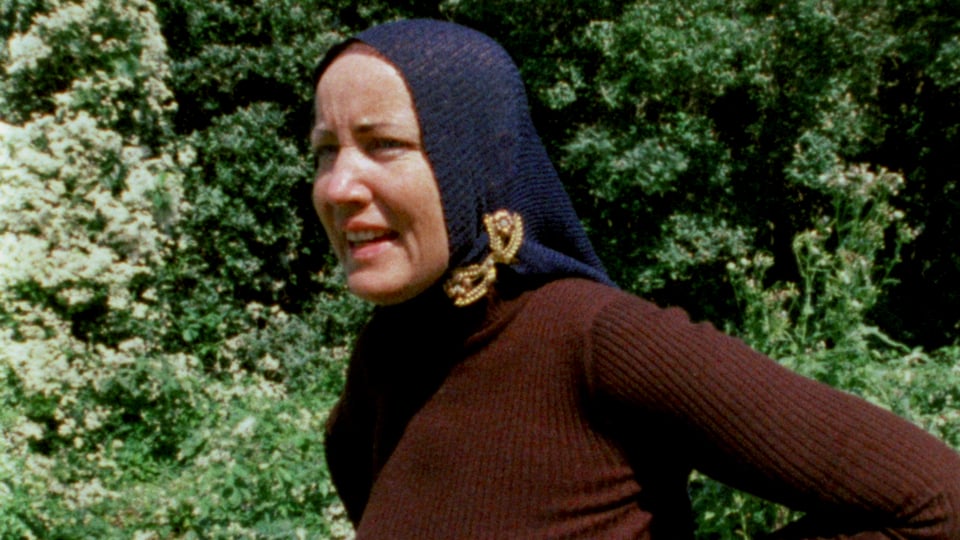
Grey Gardens (dir. Albert and David Maysles, 1975)
Watched this one with my mother, who, perhaps fittingly, did not care for it at all while I loved every second. I can understand her critiques—that nothing happens, that there’s no real ‘reason’ for this documentary other than their familial ties to Jackie O.—and yet I found it a deeply moving human document. A new aspiration: if I can make a comic that feels like this, then I consider that a triumph. In the meantime, if anyone has Chris Ware’s phone number and wants to ask him if he’ll do a Grey Gardens podcast with me, I’m game.
WHAT I’M LISTENING TO
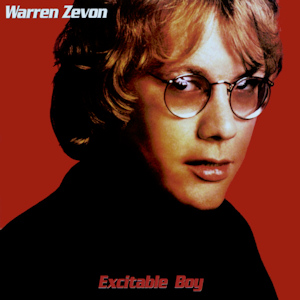
Warren Zevon — Excitable Boy
Honest to God, I can’t tell you why it is, but in November of last year, when I landed in Paris, the first thing I thought to myself is “I wanna listen to ‘Werewolves of London.’” I had never, ever listened to that song before that point. And yet I put it on, and, by God, it seized me completely. It took me a few months to actually get around to listening to the whole album it was on, but I am now convinced, based on this album alone, that Warren Zevon was a genius. “Werewolves of London” is a goofy, neat little track, but then you have the title track (sickening, in a good way, insofar as it’s meant to be that), and that gorgeous ballad “Accidentally Like a Martyr.” I don’t know what to tell you, man, it’s real good.
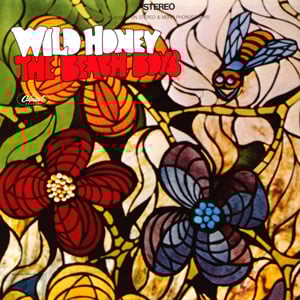
The Beach Boys — Wild Honey
Well, if you’ve been reading me for a minute you know how much I love the Beach Boys, but the truth is this is only the second album I’ve listened to in full, after Pet Sounds. I really dig this one. It’s more upbeat than Pet Sounds taken as a whole — that album is about teenage love giving way to adult confusion, and Wild Honey is, broadly, about “I got laid and now I’m unstoppable.” There’s still plenty of emotional tenderness, to be sure—“Aren’t You Glad” sees maybe the single best and sweetest vocal performance from Mike Love, and “Let the Wind Blow” is an overtly panicky song about winding up alone—but it’s more energized, more thematically than musically. (In the latter respect it’s more understated and more readily assimilating into its ‘60s-pop context — the Zombie, the Turtles.)
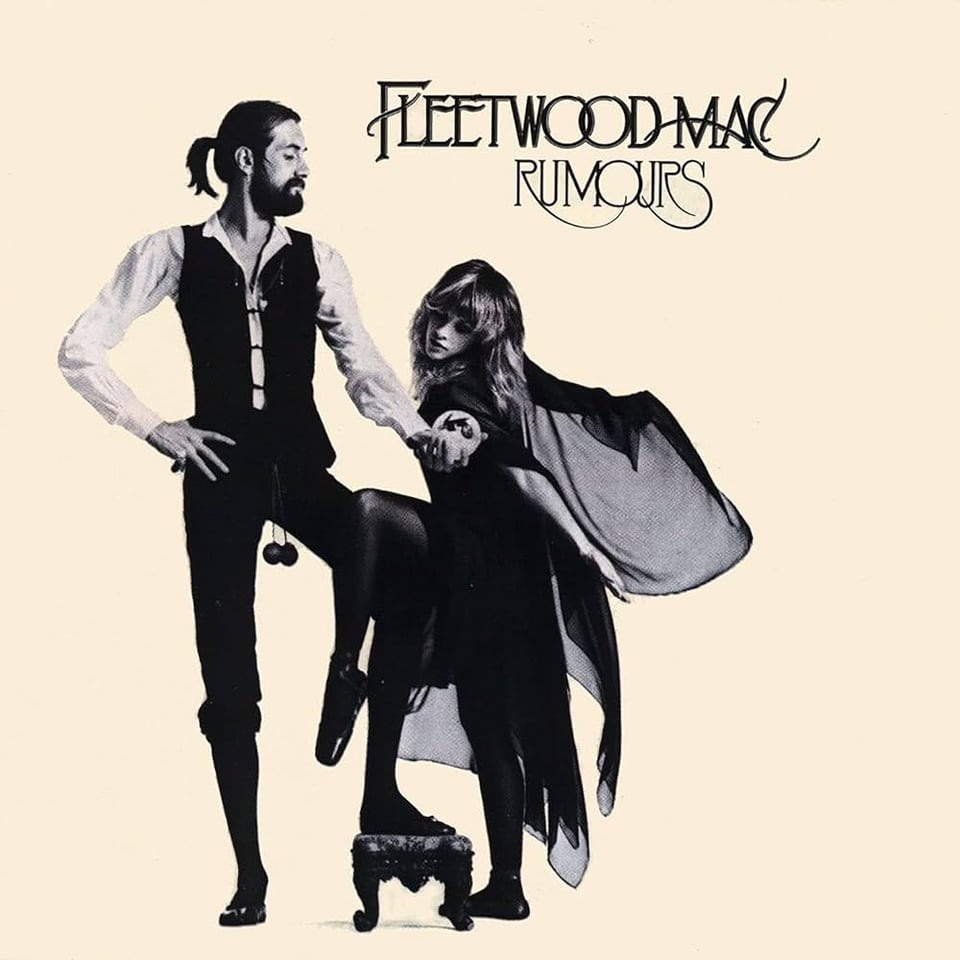
Fleetwood Mac — Rumours
No, yeah, I know, I’m late to a lot of parties today. But did you guys know that Fleetwood Mac are really good? I find myself gravitating most toward the Lindsey Buckingham songs on here — “Go Your Own Way” and “Don’t Stop” have a raw intensity to them, while “Second Hand News” deserves credit for making the utterly dissatisfying phrase “let me do my stuff” work rather wonderfully as a lyric. I’m a fan, I must say.
SILLY LITTLE GUY
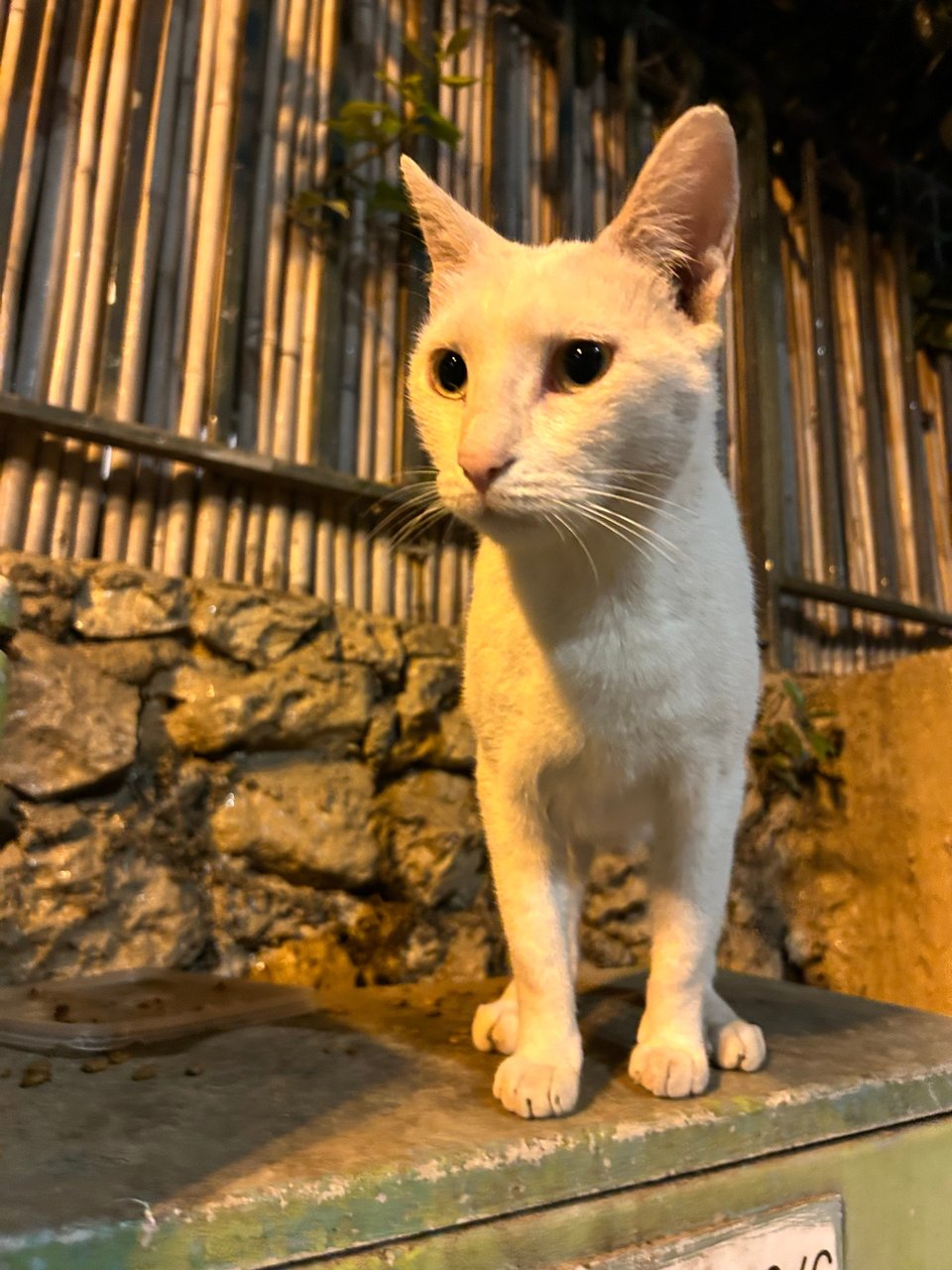
Twice a week I go on a 30-minute walk to check all the free little libraries in my area, and recently I’ve been meeting a new street cat. They were pretty shy to start with, but now they’ll eagerly come over for pets and chin rubs, which, honestly, hell yeah. I haven’t given them a name yet, but I think they have more than earned their place as this installment’s Silly Little Guy:
CONCLUSION
That’s it from me, folks. As ever, I have no idea what, if anything, people expect out of this newsletter, so please feel free to tell me if there’s anything you’d like to see me use this space for. Also, just feel free to tell me anything, honestly. My grandmother Bella, God rest her soul, used to say, “I should just cancel my phone line since nobody calls anyway.” I think about this daily.
Until next time, peace be with you.