
The Design Dept: Bulletin Board #40
The old carrot‘n’stick method of reward has been what companies have used since the beginning of companies.
These are called *if-then* rewards.
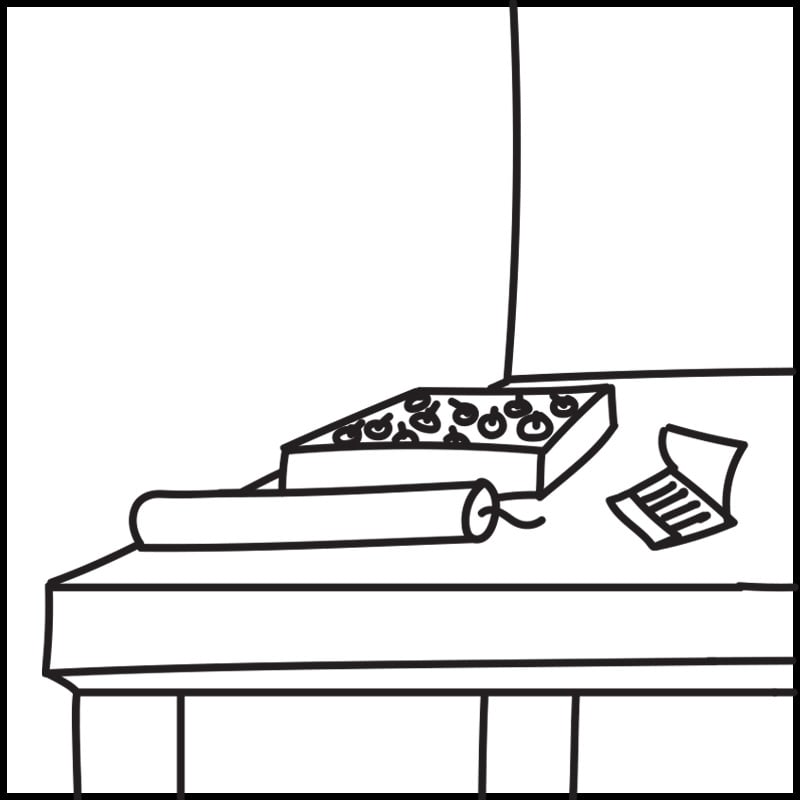
There is a popular experiment called the “candle problem” used to test problem solving prowess that requires a candle, some tacks and a book of matches. The task is to attach the candle to the wall so the wax doesn’t drip on the table.
**The ‘candle problem’ presented.**
**The ‘candle problem’ solved.**
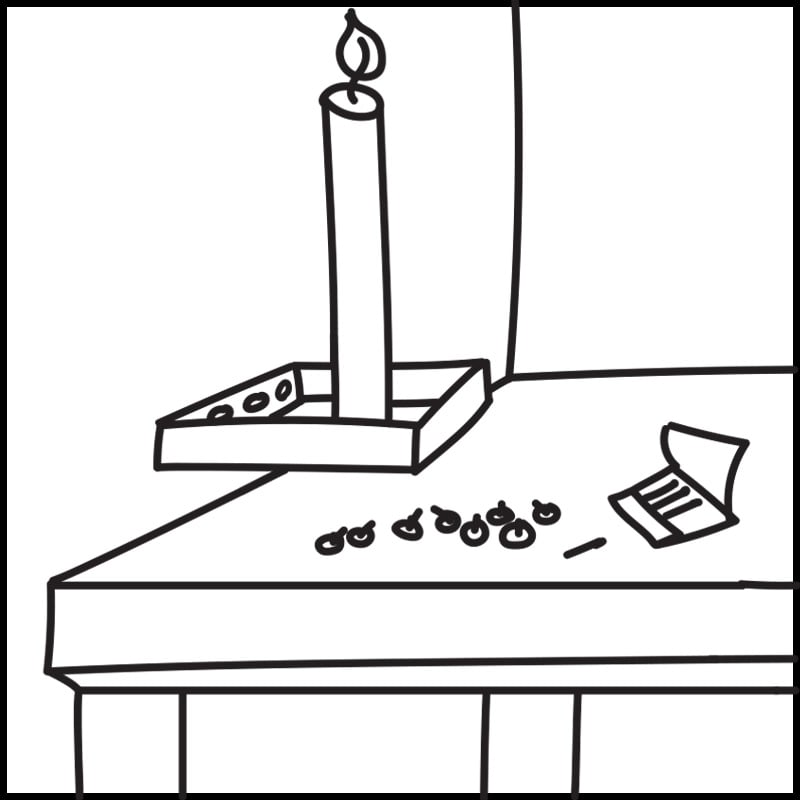
The key to this experiment is to overcome “functional fixedness”. It requires creative thinking to look past the original function of the box (as a container) and realise it can function as a platform for the candle. The solution isn’t *algorithmic *(following a set path) but *heuristic* (breaking from the path to discover a novel strategy). You’d think that if they offered a reward for completing the task in the quickest time that would produce the best results. However the group that was offered the reward took 3.5 minutes longer than the group that was completing the task for no reward at all. Why? Because offering a reward before a task changes the motivation of the task doer. Humans are actually pretty content working hard to solve a problem just because they want to. Providing an extrinsic reward narrows people focus, fosters short term thinking and ultimately stifles creativity. What* if-then* rewards don’t take into account is that people in heuristic roles are more likely to actually enjoy their work. Heuristic work is often creative, interesting and self directed. Obviously people need to earn a living but once you pass the ‘baseline rewards’* if-then* awards start to do more damage than good. The question then becomes how does a company reward their employees if they can’t use if-then style rewards? One solution is to use *‘now that’* rewards. **Now that** you have completed the task, I’d like to celebrate by taking you out to lunch. Unexpected rewards at the end of the task are less likely to be considered* the reason* for doing the task and less likely to affect the intrinsic motivation. Yes, more money is great in the short term but what really motivates people is autonomy, mastery and purpose (this is another blog post of its own!). These three things are what have me reading business strategy books in my spare time, and then writing about them. The overall purpose is to be more useful to my clients and while none of this is paid work I’m extremely motivated to keep at it because it's making me better at my job and more valuable to the people I work with. Understanding what motivates us and knowing how to facilitate and encourage a working environment that supports autonomy, mastery and purpose will only lead to happier, more productive and ultimately more motivated employees. Coincidently I caught up with a friend this week who is about to start a new job. When she opened up her new work computer there was a recurring calendar event of 1 hour every week dedicated to ‘reading for professional development’ - a whole hour a week to read! This thoughtful and relatively inexpensive gesture is the perfect example of a company ‘rewarding’ their employee in a heuristic environment.
As a personal experiment I tested the two types of rewards out on the kids this week.
I never got to test my *‘Now that’ *reward because it turns out that a 3 and 4 year old will do absolutely **nothing** unless you bribe them. Nothing at all.
| [Looking At Art To Get Inspired (5 Ingredients Breakdown)](https://youtu.be/l4KnDY-HUxQ) |
| [Khan Academy: Sal Khan from How I Built This with Guy Raz](https://podcasts.apple.com/au/podcast/how-i-built-this-with-guy-raz/id1150510297?i=1000491936817) |
| [Rondal: Typeface of the week by Daler Mukhiddinov](https://www.pixelsurplus.com/freebies/rondal-free-font-9hhry ) |
Don't miss what's next. Subscribe to good news. good story.:


