![[Indistinct Chatter] logo](https://assets.buttondown.email/images/6151609f-9740-4849-8e12-fa40bef93ca6.JPG)
[MF]#6 // Northern Soul: Still Burning - UK Cinema Release // May 15 2026
In November 2024 I attended the Louder Than Words music book festival in Manchester to promote my book Music Films, which had come out the May previously. I stayed with dear friends Dave and Debi who came out to the book event, where I had a conversation with John Robb about my book and music films. The crowd was wonderful, I signed some books. I was buzzing and said to Dave and Debi that I wanted to go dancing. We looked at what was on in Mancunia and saw that the Deptford Northern Soul Club were hosting a night at YES.
YES. I declared. Dance we did. So much dancing. The crowd, at what I believe to be a student-centric venue, skewed mostly young with a few older heads (my older head age) scattered around and the atmosphere was gorgeous. It was a wonderful party, one where I was pleasantly surprised at how little phone usage was on display, as though we dancers took the invitation to engage with something before our time and use that nostalgic angle as a means to step away from screens and onto the floor, at least for a few hours. I’m not anti-phones at gigs or clubs yet it was a curious sight given the ubiquity of that image as its emerged. It feels part of a wider trend at gigs that I have noticed, where phone usage to record and document and share has drastically reduced.
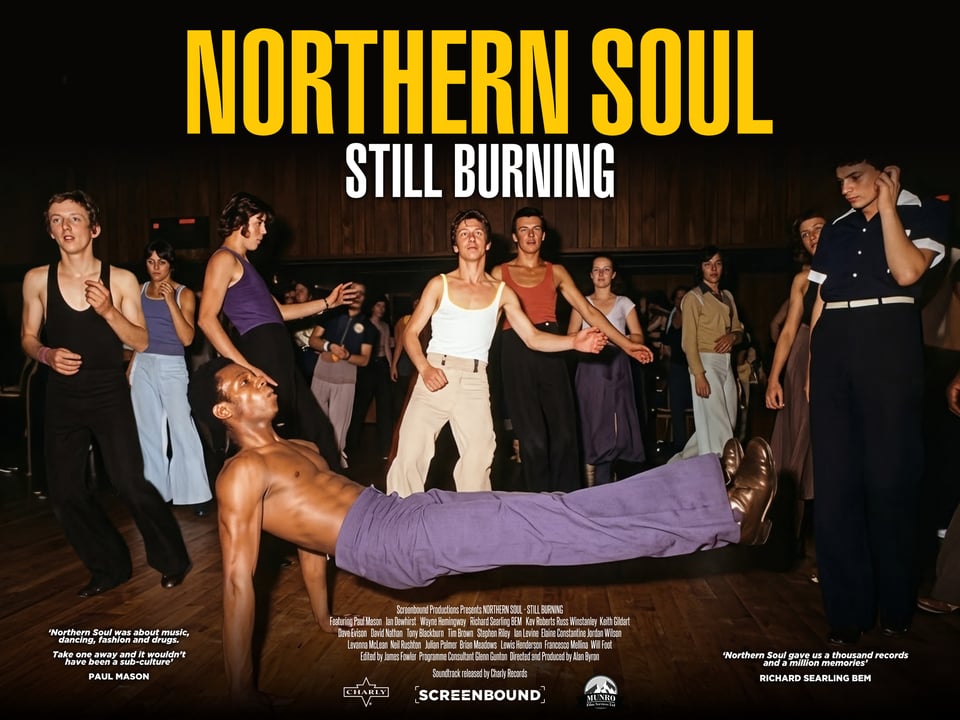
It was also a pleasant surprise to hear the definition of Northern Soul pushed throughout the night, towards different boundaries of soul and disco, in smatterings that chipped away at the aspic potentiality of a Northern Soul night in 2024. Deptford Northern Soul Club, youth engagement in Northern Soul in the 2020s, the nostalgia that is a core, baked-in reality of the Northern Soul subgenre/subculture and much more are present in Alan Byron’s documentary Northern Soul: Still Burning, in UK Cinemas from Friday 15 May 2026. This, my first review of a new release as part of my [Indistinct Chatter] newsletter, is in part more about my relationship to Northern Soul than a straight review, but then the film, like so many good documentaries, makes you question and evaluate your relationship to the subject as it’s unfolding.
Like the subculture it celebrates, documents and critiques the film has a restless energy. It is pleasingly raw, unrefined, not sleek. It’s pounding and confident, bold. It feels like what it’s talking about, in essence and spirit, which for me is the mark of a great music film. The music, photos and audio-visual archive materials are incredible, and they are joined with a stunning array of participant interviews that throw new light on the scene, and also consolidate thought that has emerged since the 1970s around the scene and its place in wider British popular culture. It feels British, in a good way.
Throughout the film themes emerge - class, community, aesthetics and taste - and these are very much tied to what are outlined at the start as the tenets of the culture - Music, dancing, drugs and fashion. This reminded me of the five pillars of Hip Hop - MCing, DJing, Breaking, Graffiti and Knowledge. Both these cultures are and were not simply about music - what in popular culture ever is simply about the artform or media that may sit at the heart of a field or discipline - but about a variety of aspects that incorporated sound, vision and movement as well as elements that push against legally and socially acceptable boundaries. Drugs in the case of Northern Soul and Graffiti in Hip Hop.
The film doesn’t shirk the murkier elements of the subculture, notably the attached violence. This is something that the narrative film Northern Soul (Constantine, 2014) captured to great effect. Director Elaine Constantine pops up here offering her own experience and knowledge deftly. The violence is also part of the working class roots of the scene, as well as one of its legacies of Mod culture, which it grew from though in interesting ways diverged from. Most notably in how it was about borrowing music from Mod culture and focusing on music that was being found, from a lost past, that of discarded soul music deemed unsuccessful and so left to gather dust on warehouse and radio station shelves.
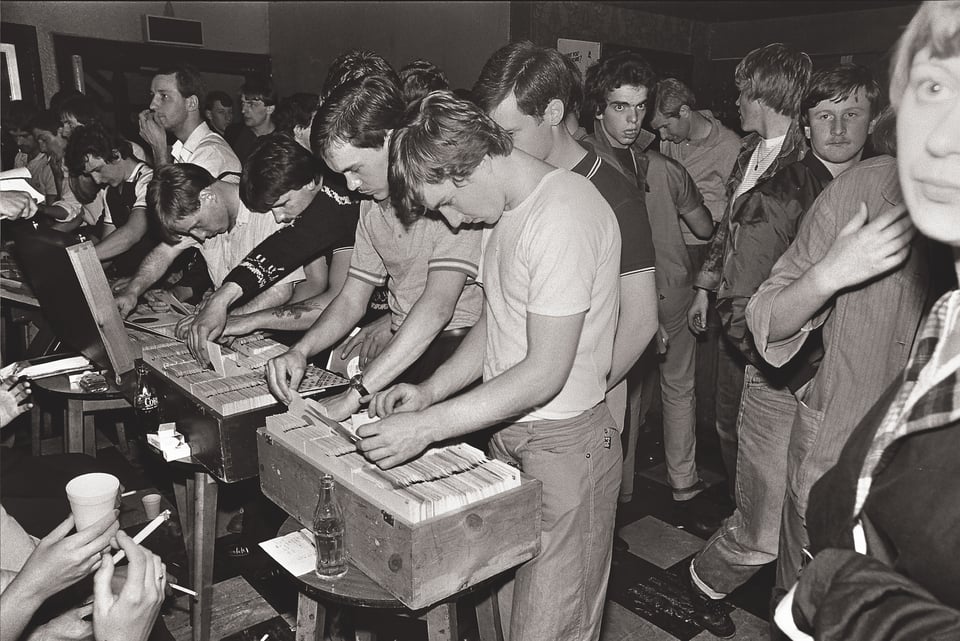
There’s something tactile about the film in its deployment of photographs and archive film and video footage, alongside its focus in various parts on the importance of collecting to the scene. The film opens with the now [semi]legendary story of Frank Wilson’s ‘Do I Love You?’, the rarest record in the world with only two copies known to be in existence. The song has become more widely known through its use in a fried chicken advert (amongst many others) but despite that ubiquity its value lies partly, mostly, in the artefact. The hands its passed through, the hands that slid it under needles at all-nighters in the 1970s, building the mystique of a song and a piece of wax, before digital culture intervened. The film captures the collecting culture of Northern Soul, the spirit of the hunt, this extra-curricular activity that sat alongside - often in the same room if not an anteroom to - the bodies in motion responding to the songs being spun.
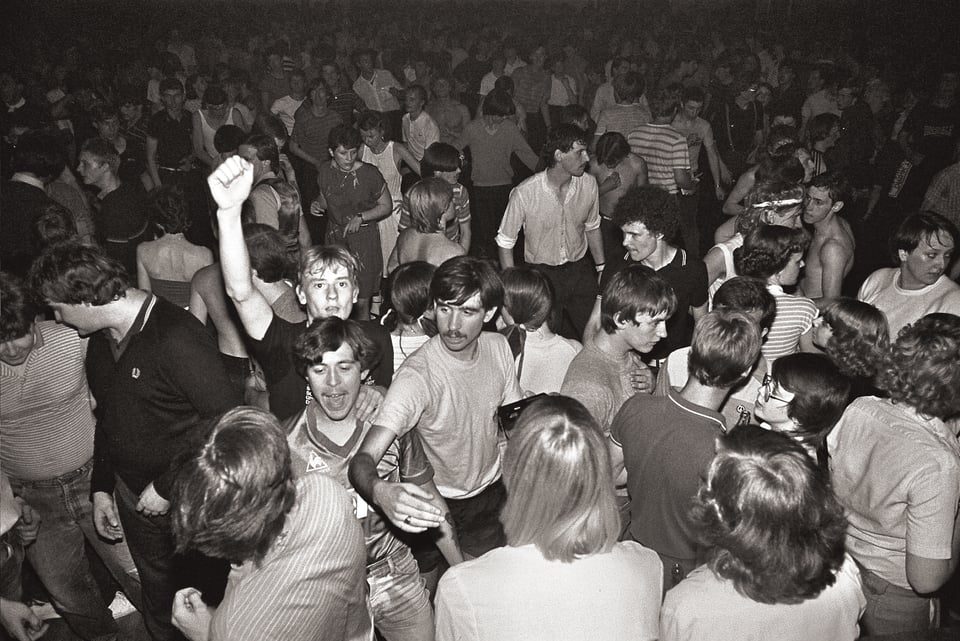
Class is referenced explicitly and implicitly throughout. Like Mod, with ultimately differing priorities, this was a working class subculture. It was a continuation of trad nights at working men’s clubs, and a precursor to rave culture. Dancing in community, getting fucked up and forgetting the manual and clerical drudgery that defined the weeks, moving bodies independently, in communion [like a cinema visit Northern Soul can be seen as a solo experience shared communally with a third experience, the collective energy and consciousness of a night emerging from that merging]. One of my favourite moments in the film that captures the class context beautifully is when one participant recalls dancing for eight hours before having a zoom lolly, taking a swim in the public baths and then driving home.
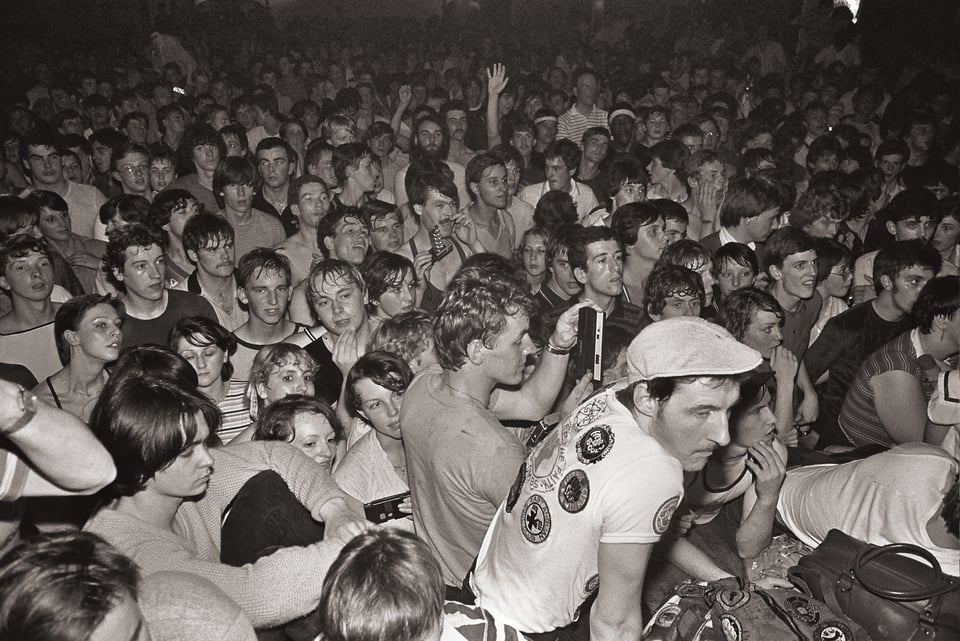
One of the interesting tensions in the film comes from designer Wayne Hemingway, a participant of the scene who went on to co-found the brand Red Or Dead. Hemingway talks about how, in contrast to assertions elsewhere, fashion wasn’t part of the subculture. Indeed, in photos what is clear is that there isn’t a defining look - unlike Teddy Boys, Punks, Mods, Goths - but what is shared is a basic, Northern, working class weekend aesthetic, with patches. Hemingway acknowledges that he drifted from Northern Soul in his later teen years when girls and fashion became more important - something Punk helped him explore - but astutely argues that Northern Soul didn’t need fashion, and also that it didn’t get big because it didn’t have a fashion.
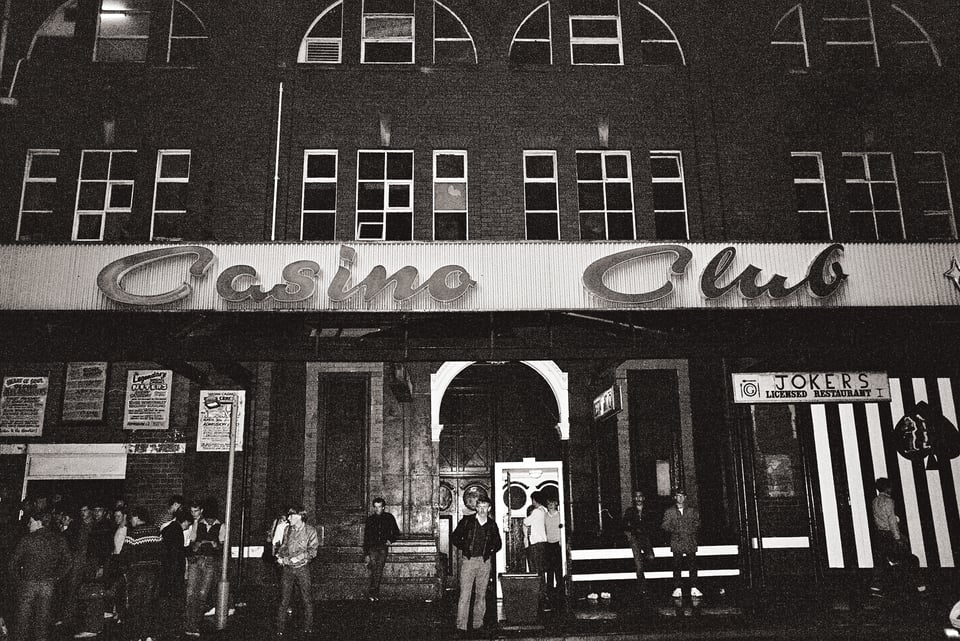
My first encounter with Northern Soul as a style and aesthetic came from seeing one of my favourite bands, Doves, live. They had as a projection when they played their song ‘Here it Comes’, a video of a Northern Soul night at Wigan Casino - the venue for the scene, as the film beautifully and poignantly illustrates - that I later learned was from Tony Palmer’s seminal film This England, from 1977. Palmer is a legendary figure in music documentary, working predominantly in television - like here - but also responsible for the incredible tour film Leonard Cohen: Bird on a Wire (1974), which I write about in my book. I always loved the bodies in motion of that live video when I saw Doves, and Still Burning gives significant screen time to ensuring that the role of Palmer’s film in cultural visual understanding of the scene is given its due, alongside the photographic archive.
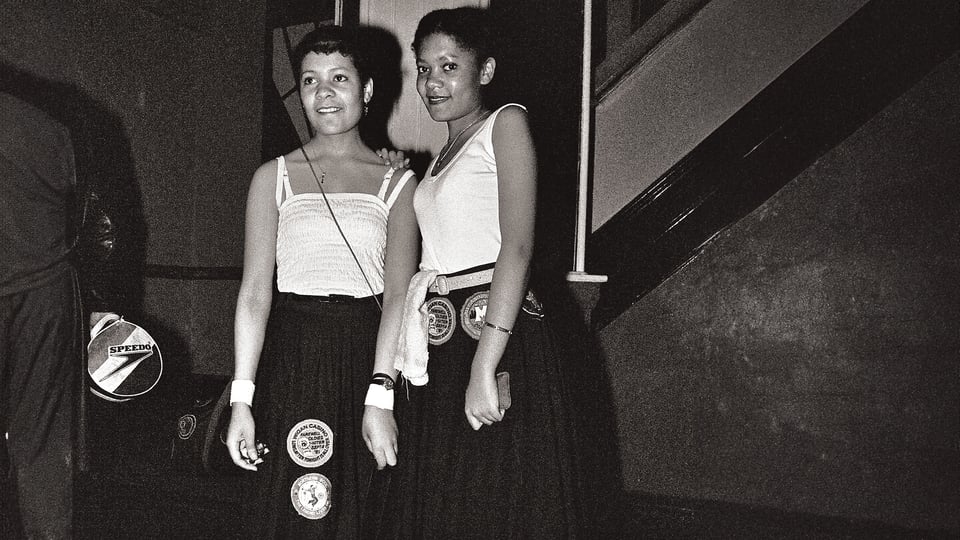
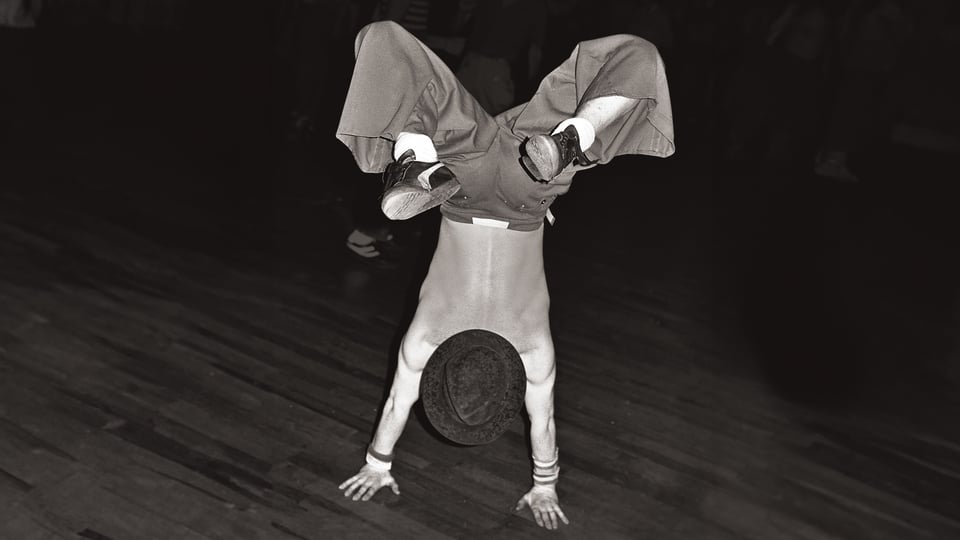
That thrill of seeing bodies in motion never gets old, and neither does the thrill of actually moving my ageing body to music. Northern Soul: Still Burning captures that thrill in both archive and its representation of the legacy of the scene in the here and now, with nights taking place globally and with younger people not a tokenistic figure but a core dancing demographic. The film captures how intergenerational Northern Soul has become - it’s actually very knowing about the snark of older fans at any genre they consider theirs - and how, in the words of the Deptford Northern Soul Club founders, it’s “about togetherness”. This is a stunning paean to community and the importance of dancing in and to culture. It places Northern Soul in a working class tradition that dates back centuries, and captures that it has also informed so much that became British Popular Culture in its wake. The music and the fashion may be nostalgic, but the spirit is very much, vitally, now and for the future.
Coda: Watching the film stirred deep and recent memories. I remember dancing at the Deptford Northern Soul Club in 2024 in a moment where I had started regularly going dancing again. I remembered that night in Manchester realising that the way I dance has always been a hybrid between the way I danced to Jungle, which was the first music I danced to in earnest as a teenager, and Northern Soul, which I adopted into my twenties. I am a product of my cultures. I remembered the feeling of seeing Fred again.. at Alexandra Palace this past February. I danced for 5 hours as opposed to 8, and I was exhilarated. The crowd was inter-generational, and Fred played to that. It was euphoric, communal, a physical break from the psychic toil of life. It felt like all the bodies were moving to the same rhythms, while also living out single embodied experiences. It felt collective. It wasn’t just the drugs. It wasn’t just the music. It was both, it was more. The people. But also more. I love this film, I think it beautifully captures a scene, a music, an idea I have always loved and felt close to, and it was awesome to learn that at the peak of the Wigan Casino coaches used to take revellers all the way from Cornwall, the place I have called home for over a decade. It’s all connected.