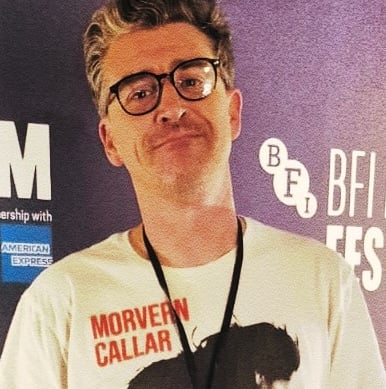
[MF]#11 // Doc'n Roll Film Festival 2026
The annual Doc’n Roll Film Festival in its London, UK and international guises, as well as its radio show and various other endeavours, is a beacon for those of us who consider Music Films to be worthy of serious Cinephilic and cultural consideration. It has been a pleasure to have been involved with them over the years, loosely, and to have had their support when writing and promoting my 2024 book Music Films, and it’s a pleasure to be back writing about their incredible festival having done so for a few years running when I was writing for the Quietus.
It was always a thrill to spend time ahead of the London showcase event with some of the offerings and be reminded of the annual diversity and quality in Music Film. This time out was a test of my watching and thinking muscles to watch so many films in a short amount time to write this piece, having slowed my viewing in recent times. It was a pleasure to work those critical sinews for such a cause and I’m grateful to Sam Chamberlaine, from 369 Music PR, for reaching out and inviting me to cover the event, again. And what a selection of films they have for the festival which runs 22/10 - 8/11 in venues across London and Brighton.
The Best Summer (Davis, 2026)

One film I didn’t have to watch ahead of this piece was Tamra Davis’s stunning archive film from when she travelled with her new [then] husband Mike D on the Beastie Boys headlined Summersault tour across Australia and South East Asia. This is because I saw the film at its Australian Premiere, while attending the Sydney Film Festival, and wrote about it for an earlier [Music Films] newsletter, in June 2026, here. The London premiere of the film is a highlight of the programme as Davis intimately captures through curiosity, intimacy and an instinctive eye for catching the right performance moment, some of the 90s most influential, innovative and interesting indie icons. The film also looks amazing on the big screen and the scratchy audio elevates the intimacy of being on and backstage.
Muguruza FM 40 Tour (Muguruza, 2026)
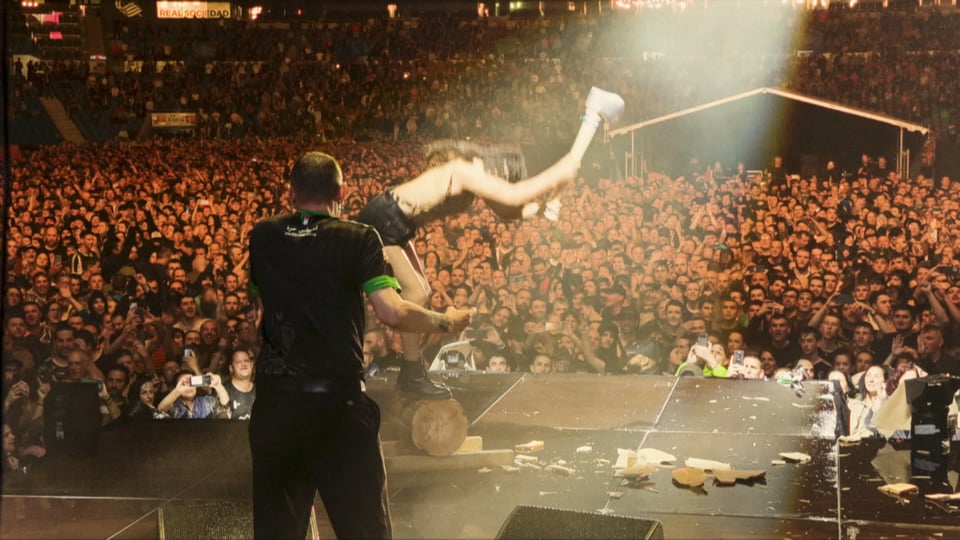
There’s a similar punk energy in this documentary about activist and legendary Basque language musician Fermin Muguruza who this film introduced me to, and one of the joys of Music Films is how they can do these introductions to people and places that haven’t come across our awareness previously. The film is both introductory and also it seems cumulative. A primer for those who aren’t aware of Muguruza, who also directs the film, and an account of his career to date as he embarks on a final large-scale world tour due to ailments and the toll of a life toiling on stage and off. The sheer amount of collaborators he brings on stage and in front of the camera to show solidarity and create art with, is astonishing. He comes across as a truly open and ego-less performer.
Which is interesting, because being subject and creative director means the film is both mythologising and self-mythologising as it outlines decades of work fighting for Basque independence, as well as campaigning for justice for those he feels solidarity with and empathy for, not least Palestinians. The incredible archive material shows Fermin sporting Palestinian colours, shirts and slogans since the start of his career and there is also a moving power to see the amount of Palestinian flags at gigs around the world on the FM40 Tour - celebrating 40 years of work - including Japan and South America, when local coverage would have you believe it’s not an issue of Global interest and concern.
As an introduction to an important artist in terms of music and political stance the film is entertaining and angering [in its portrayal of the oppression and repression faced by Fermin and his peers, collaborators and compatriots] in equal measure. It works as a portrait of Basque resistance and global solidarity for independence and justice against empirical forces, and yet creatively it lacks a sure editorial hand to guide it. There is a frustrating approach to the live footage in particular, never knowing when to cut - too early or too late - and it can be jarring and frustrating in moments. Even then, this echoes the real-life experiences of Muguruza and those around him, so it feels churlish to whinge.
Ann Wilson: In My Voice (Jean Hall, 2026)
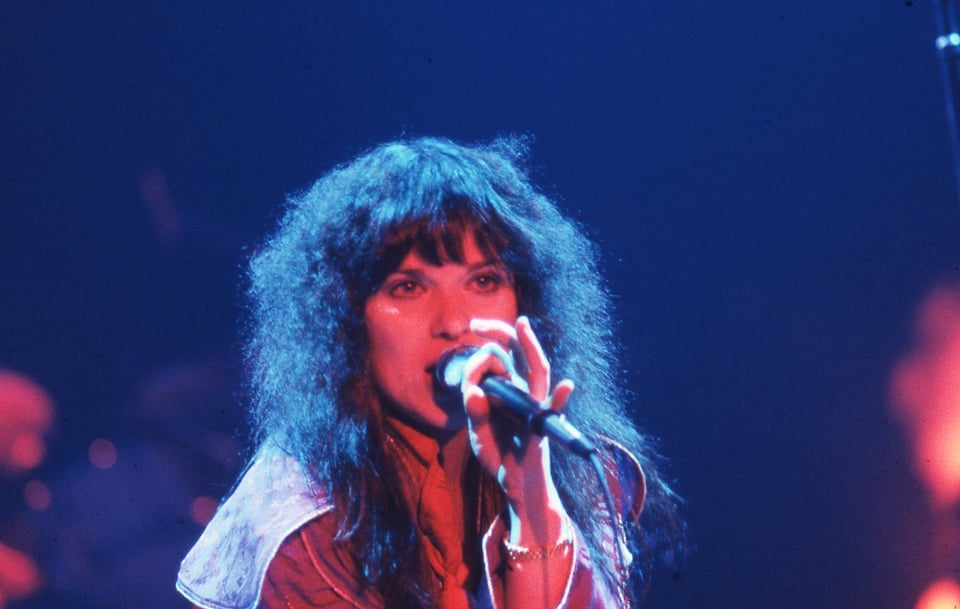
There’s much to enjoy in this pretty straightforward music doc telling the story of the incredible rock [and opera, who knew?] singer Ann Wilson, known mostly as the founder and vocalist of Heart. There’s a lovely integration of archive and graphic aesthetics that is smart and pleasurable and there is some angering commentary [to be expected] recounting being a woman in Rock in the 1970s and 80s. The best interviews are with Superfan Chappel Roan and Superpal Sandra Bernhard - the footage of her stand up bit about Wilson is hilarious - and there is one genuinely spine-tingling moment as we watch archive of Led Zeppelin watching Wilson absolutely kill her rendition of ‘Stairway to Heaven’ at their Kennedy Center Honours event. What a moment, what a voice.
Newport & The Great Folk Dream (Gordon, 2025)
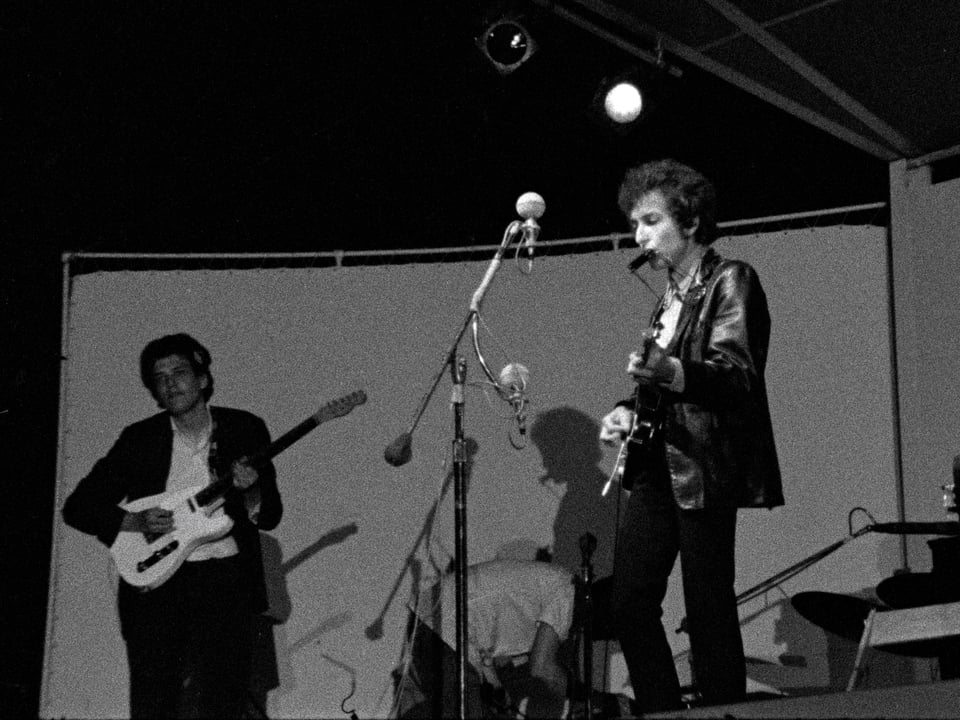
This is an example of a film where it’s very hard for me to separate from my Music Film nerd headspace and enjoy it for what it is. What it is, is a great document of the Newport Folk Festival from the 1960s, using footage shot at the time that was never released. For audiences not familiar with the film that was released including footage shot at the time, and for whom Newport is something they may only be familiar with from James Mangold’s playful historicised dramatisation in 2025’s A Complete Unknown, it is, I imagine, a deeply pleasurable experience. For me though, while I enjoyed seeing footage that hitherto was not available to view, there is a frustration in how the film frames footage and bids for uniqueness while ignoring and in some ways trying to erase a seminal Music Film at the same time.
Released in 1967, Murray Lerner’s Festival is a wonderful concert film and documentary focusing on the Newport Folk Festival in its key and most notable years; the years where Bob Dylan was there as first folkie, and later electric pariah. The film is beautifully shot in Black & White and is a key film in the late 60s concert film pinnacle alongside the likes of D.A. Pennebaker’s Monterey Pop (1968) and Woodstock (Wadleigh, 1970). The footage in Newport & The Great Folk Dream is entirely shot by Lerner and his team over the years that culminated in Festival, there are credits that say so, and footage of his clapperboards included here. So what makes it infuriating to watch is that it ignores the existence of the earlier film when it could be in dialogue with, and an evolution from it.
Music Films have a hard time being taken seriously as a genre as it is, something I discuss in my book, and it makes the existence and flourishing of an event like Doc’n Roll harder when the films themselves ignore their history as if it is something shameful that has to be written over. Filmmakers have long dismissed music docs and concert films as a genre, despite getting paid handsomely to make them, as if being effusive would result in them being tarnished as artists in some way [Scorsese never had that problem so why should others?]. Newport reminded me of the much-lauded [and in some ways rightly so] Summer of Soul (Questlove, 2021) in how in failing to reach out and connect with other films that have trod the same path before it narrows the possibility of connection to the genre as a whole. Summer of Soul had some amazing archive, but it is very much in dialogue with Wattstax (Stuart, 1973) in ways it would have been celebratory to see in Questlove’s film.
I was waiting for Newport to acknowledge that the material we are seeing, and it’s brilliant live, background and contextual footage, is what didn’t go into Lerner’s truncated document. It’s amazing given all this extra material that he found a film that works given all the potential routes and options he had at his disposal. However, personal frustrations aside, this is a solid document and argument for the value of this seminal cultural event to not be forgotten, particularly in an age where the relationship between music and politics has rarely felt more necessary or part of the wider discourse. In the moment of Macklemore and Ed Sheeran, and alongside the Fermin Muguruza film, Newport & The Great Folk Dream provides a powerful, and gorgeously shot, statement.
Frampton (Arthur, 2026)
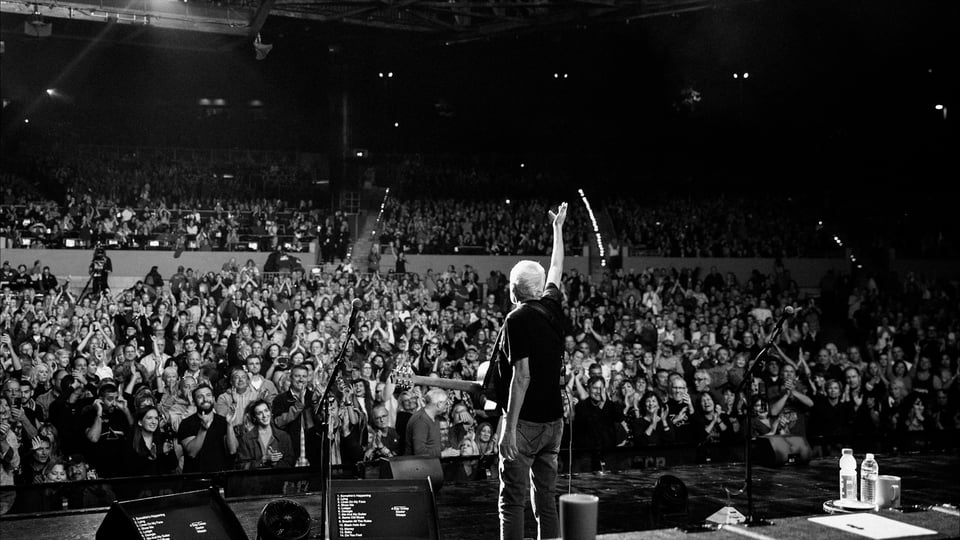
This very formulaic biographical documentary actually works because it feels appropriate to its gifted yet MOR subject, whose fame orbited around a single moment yet his skill was never in doubt from those who knew him, and know guitar craft. If the cultural value of a subject can be measured by those who come forward to pay tribute it’s hard to argue with a Beatle, a Rolling Stone, Roger Daltrey, Alice Cooper, Sheryl Crow, Kate Hudson, Nancy Wilson and David Bowie. Even if the Beatle is Ringo and the Stone is Bill Wyman. There is much to learn about Frampton’s life and personality, and a well-argued [re]assertion of his place in the pantheon of guitar players, and it is solidly and enjoyably put together. Frampton himself is charming, humble, a delight. It’s just a shame the film has to end with footage of Eric fucking Clapton [spoiler alert/trigger warning], although it is nice to see him in awe of someone else.
KitKatClub: Kinks of Berlin (Fussenegger, 2026)
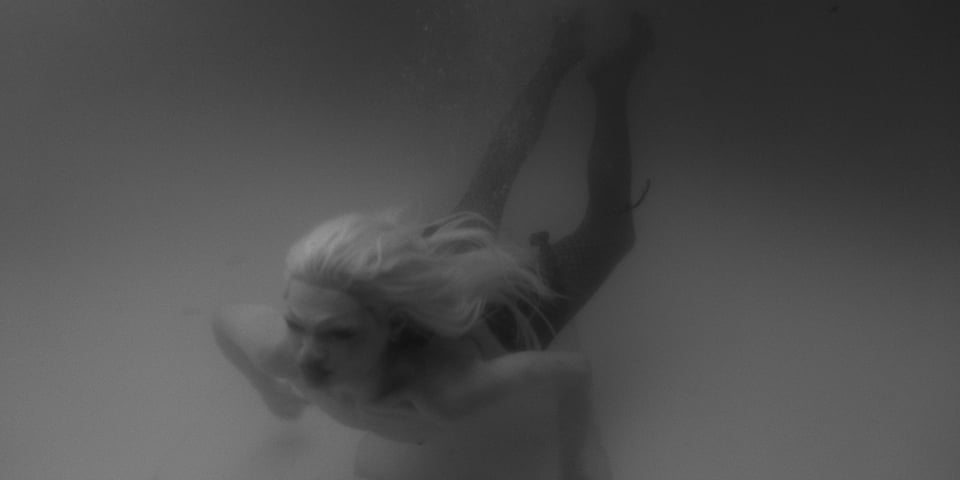
An outlier in the programme is this incredibly intimate portrait of Berlin’s kink scene, through the lens of its most famous club, the KitKat Club. Sensuously shot in black and white, the film follows different guests during their days ahead of a night out, the langourous after hours, and the full-on sensory uplifting experience of the night in all its different modes and moments. The access that people provide to their encounters in and around the club is remarkable, with the film willing to show those quiet, offbeat, vulnerable and tender moments associated with a long, hedonistic club night as well as the sexual experiences and lifestyles the KitKat is world famous for welcoming and celebrating.
The richness of the film comes from how it loosely follows the feel of a day in the life and a night on the tiles, providing the sense of a glimpse into a thriving and complex ecosystem. Mixed among the portraits is that of Thaur, the founder of the club, who we see in and around his creation and also out shooting, and in his studio editing, adult films for screening in one of the many rooms during a club night. The observational nature works beautifully, allowing for the film to feel like it’s giving privileged, honoured access to a scene and place that is known but not necessarily known. And if you’re thinking, what about the music, it’s like so many great Music Films in that the music is integral to the experience and feel of the night, but it’s also contextual and connected to life, place, drugs, sex, connection and freedom.
Wolf (Cargill, 2026)
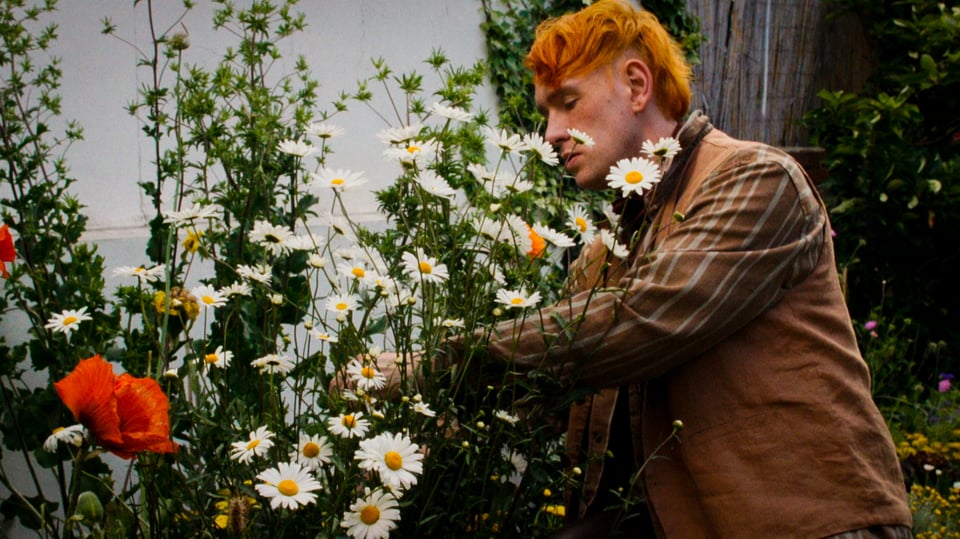
Towards the end of this beautiful film, Patrick Wolf says “I don’t want anyone to think this is an extraordinary story” in a moment of genuine humility that doesn’t feel disingenuous, and in truth his story follows many of the beats of a the classic Rock n Roll figure trajectory, and yet the film feels like a quietly extraordinary Music Film. It’s intimate, raw, vulnerable, and beautiful. It’s very of the moment in terms of being structured around an engagement with distant and recent past traumas, there’s an element of catharsis to the filmmaking, but it doesn’t feel exploitative. Wolf is a willing and generous participant.
While it features all of the expected conventions of the Music Film - archive footage of Wolf live, recording, at home and as a kid, animations, photos, contextual and media archive - it delivers them with cinematic knowingness that elevates it above the usual fare. Even before hearing Tilda Swinton’s voice I felt a kinship here with the work and world of Derek Jarman, and not least due to my limited knowledge of Wolf’s work and iconic status amongst Queer audiences and fans. Wolf resides by the sea in Ramsgate and much of the film’s contemporary recording engagement with Wolf takes place by the sea or in his garden. It’s hard not to think of Jarman down the Kent coast tending his garden by the water at Dungeness. This gorgeous, tender footage that allows us close contact with Wolf’s emerging post-addiction identity recalls the softness of Jeanie Finlay’s work, most notably Seahorse (2019).
And then there’s the Tilda of it all. She appears as icon to Wolf [following his early viewing of Sally Potter’s Orlando (1992), obvs] then collaborator, then friend. She clearly loves Patrick, but is a brilliant interviewer. The film unfolds around a central conversation between the two where she gently but avowedly draws him into reckonings with his past, present and Art. It’s a beatifully deployed device. It gives the film intimacy and reach simultaneously because of the weight of association with culture that Swinton brings and is a constant unspoken reminder of Wolf’s importance as a 21st Century British artist in the lineage of Jarman et al.
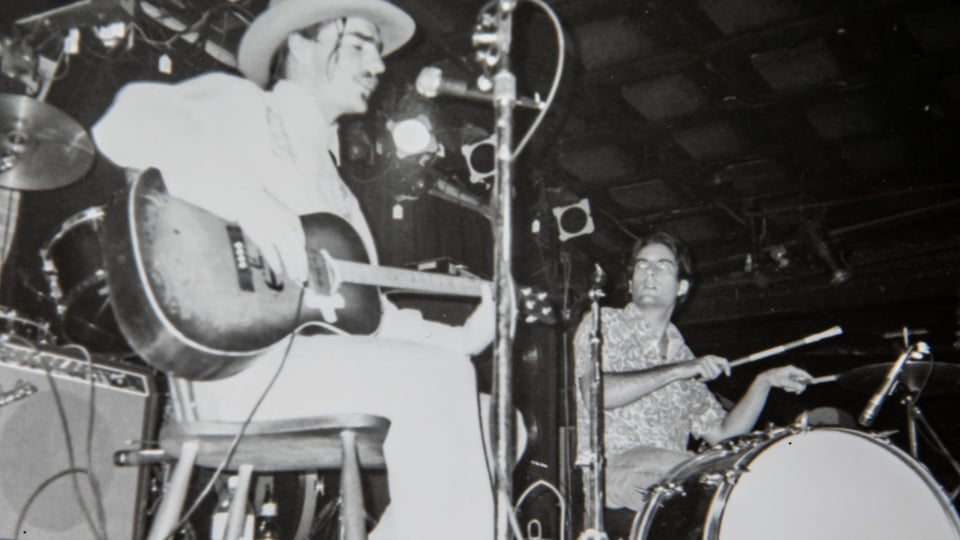
You Fuckers Figure it Out: A Jason Molina Story (Nickoloff, 2026)
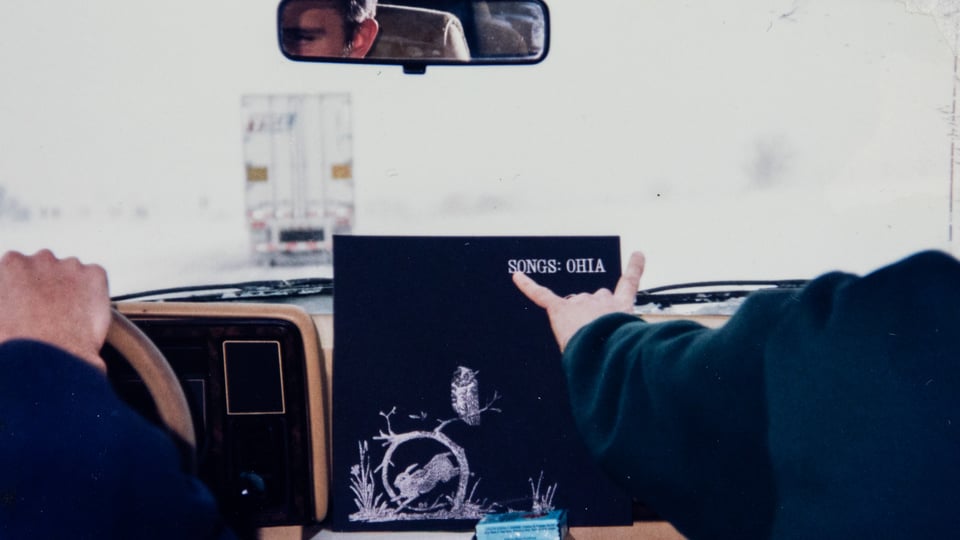
There is a moment part way through this gorgeous movie where I realised it might be a masterpiece. There’s a simple shot from above of some pancakes being cut into a series of smaller and smaller triangle-shaped slices. Then a whole bottle of syrup is applied. In the corner of the shot is a diner mug of black coffee whose contents never increase or decrease. I glimpse what I think at first is a sliver of liquid film over the surface of the black java and then I realise it’s not a liquid film. It’s a delicate illustration of a ghost, a ghost with x for eyes, just like we have seen throughout the film to that point. It made me giddy. It brought to the surface what I felt up that point and for the remainder of the film, that this is a film made with a deep amount of detail, care, love and imagination.
This is a special film for/about a special artist. It does so much right. It is that rare instance of a film meeting the musical wonder of its subject where it’s at, cinematically. Everything about it just works, for me. The fact it’s a Jason Molina story, acknowledging with an end title card that there should be more. The fact that it doesn’t take a standard chronological or biographical approach. It fluidly jumps around time regards events, and leaves the story at a key moment of transition for Molina as an artist while acknowledging the tragedy of his death. The lack of a severe chronology means that Molina’s addiction doesn’t become either the overriding or lasting facet of his story and the film.
There’s how the film integrates drone footage, lyrics on screen [maybe the most striking example I’ve seen of this] over black, over archive, over drone footage of Ohio. There’s how it’s about place and community and the nebulous fusing of those things in art. There’s how it celebrates Molina’s weirdness - something that seems to have allowed him to hide his alcoholism so well - without being fawning or sycophantic. There is genuine awe and love but he’s never portrayed as something other than a human being. There are the subtle reminders and intrusions of the filmmaking and the gentle ways it moves into ideas around ghosts and spectres through a series of strange production occurrences that blur the line between [super]naturally occurring and staged for effect.
It’s so tactile and physical as an experience and in this way and others it echoes Cobain: Montage of Heck (Morgen, 2015). There’s the focus on the material of Molina’s work - cassettes, vinyl, drawings, objects - as well as limiting interviews to those closest to him - family and collaborators. There are no voxpops with famous fans gathered around their other commitments. As a result the film plays out slowly and deliberately, giving time to appreciating the life and art of a truly singular artist as well as allowing space for capturing how raw and devastating his death remains, over a decade on. An absolutely stunning film and the pick of what I’ve seen ahead of this year’s Doc’n Roll event.

October 22 - November 8, 2026
London, Brighton