The Truth Is in the Stars
You can tell which edition a date’s paper is through obvious means: the words “evening edition,” “final edition,” and “sports final” may appear in a header. You can also read the tea leaves of symbols at the tops of pages: stars, dots, pluses, squares, and daggers. This article explains the history of editions and how to read them.
Originally published in 2021.
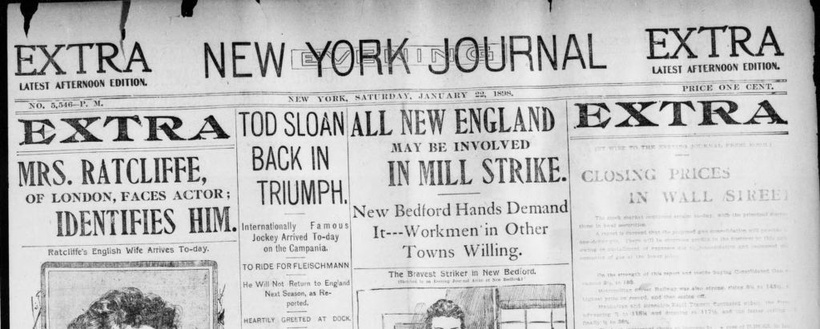
The newsies’ cry of “Extreee! Extreee!” wasn’t made up, though most of us today would have heard it only in movies. Boys as young as seven—yes, seven!—crowded around trucks or newspaper buildings to get an “extra edition” for breaking news, like a decision in a court case, outbreak of war, or a natural distaster that had just occurred. The newsies would quickly spread out to their staked-out territory and yell the phrase as they hawked papers.
That “extra” edition was extraordinary in that it came on top of the many regular editions newspapers published for a given date. Some printed as many as ten different editions—sometimes even more—with only portions of the paper changing.
Want to read the full issue?
