I Don’t Want Just Another Boilerplate Response
Diving into the history and diverse uses of “boilerplate”—from literal metal sheets to recurrent legal text.
Thank you, upgraders! I’m sending out an updated version of an article I researched last year. Despite my best efforts, I have—so far—been unable to find any historic photos of newspaper boilerplate. I continue to look.
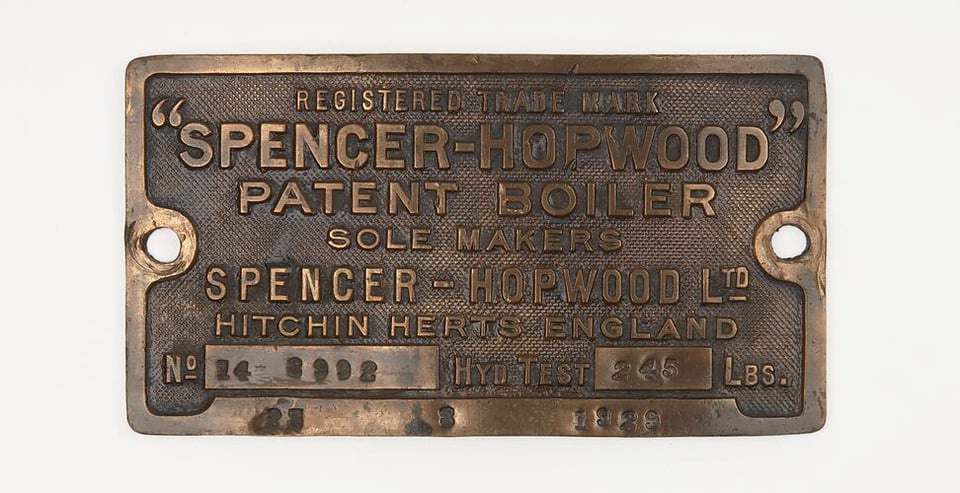
Boilerplate is an evocative word. If you consider it literally, it describes just what it is: metal plate used in the manufacture of boilers. Boilers began to be made in the style that we’re used to seeing from the 1860s.
Figuratively, boilerplate is text that’s being reused without revision because it’s required, but it isn’t necessary to revise for each person. We usually use the term “boilerplate text” to refer to oceans of fine print (even when in large type) in legal documents. (“Fine print” has the relatively boring history of meaning printing at a small size.)