XXXIII - Dive into monologues
Reflecting on the potent role of monologues in improv and Playback Theatre.

Greetings, dear readers. I can feel the wheels getting faster down the slope of 2025, and we already can see the GOAL sign. Last past weeks have been very intense for me by chaining two festivals back to back, only to being greeted, back in London, by a swamped week. Despite having little time for myself, plenty of it went right into improv and Playback Theatre, which is nice.
This past week I’ve been reflecting about the power of monologues. Theres nothing that speaks theatre more than monologues, it’s too bad we don’t see them often in improv. In my tool belt I have different uses of monologue within improv, I’ve delivered it many times successfully, but I still feel it’s very difficult for improvisers to adopt.
Mind that I don’t mean the use of monologue to sparkle the inspiration for scenes, like on the Armando or The Living Room formats. Monologues in improv can be a powerful tool to bring dimension to our scene. When, suddenly, we bring a monologue from our character, it immediately boosts the way the audience might relate to it while providing depth and groundness. Musical improv is probably the most prolific form in monologues, because that’s what solo songs are. Now imagine using the same release of emotion, used in musical improv, when it comes to our regular scenes.
We can use it as a framing device as well, that works better when thinking about more theatrical forms. Added to the ones spawned by our characters, narration is another way to monologue while providing insight either on the scene or the wider concept that might flourish from it. Love, friendship, family, work… a discourse downstage about a universal truth provided on the scene can be a very powerful way to end it.

A monologue can be the ultimate gift to our scene partners as well, their characters might be oblivious to it, but as actors it could feel like a shower of information that they can use to build and/or propel the scene with.
I personally enjoy monologues, thats why I always include them in my improv workshops. I understand they could be not everybody’s cup of tea. My experience with storytelling and Playback Theatre helped me reach a point where I feel comfortable coming up with a monologue.
That’s right, monologues are all around in Playback Theatre. There are several forms that allow space for them. Amongst them, corridors, three part story, narrative V, and… yes, monologues (or solos). Obviously, we can also bring them into story form (or free form) as a device to raise any (or many) of the dimensions of the story.
The constant play with perspective and symbolism, makes playback a great playground to experiment with monologues and to build muscle on playing solo, of course, whilst being on ensemble.
How do you feel about monologues?
📆 What is coming up
7th of December - Long form is my jam! JAM (London, UK). I’ll be facilitating next month’s Acaprov’s long form jam. It’s only 5 quid and it will be great to see you there. Tickets here.
12th of December - Acaprov (London, UK). Join us in Shoreditch for our December special show, where we will improvise a musical to dive into the holiday spirit! Get your tickets.
18th of December - Acaprov (London, UK). We’ll be running an improvised a cappella Hallmark Christmas musical at the Hart hotel in Shoreditch. It’ll be fun! Wanna come?
📚 🎮 🎥 📺 The geeky dessert
Last freezing weekend, I felt like playing again to a game I beated 15 years ago. It’s quite short and it felt cozy, while I was lying in bed, snug with my Steam Deck going through its levels. I’m talking about Portal.
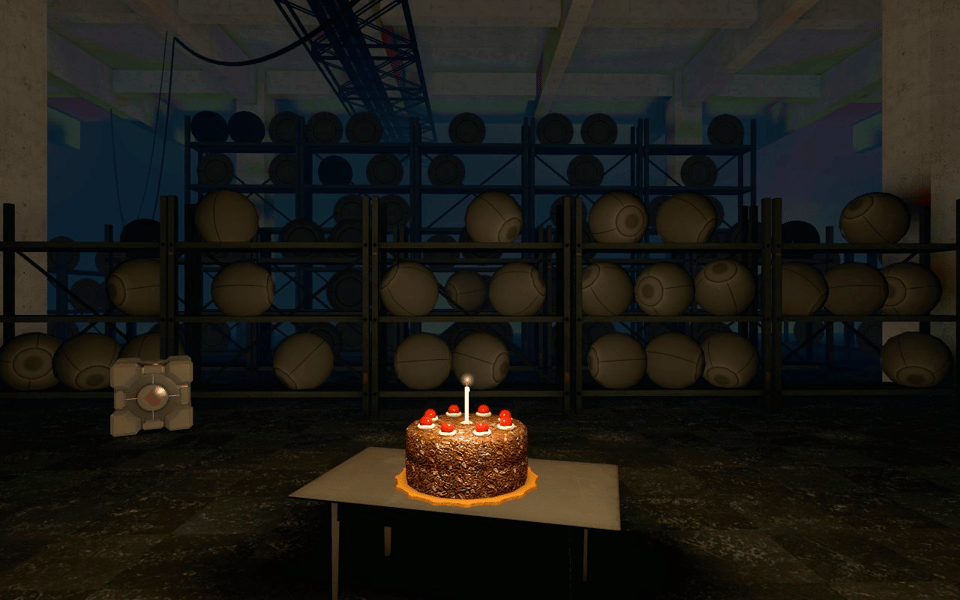
The game released in 2007 quickly gaining praise for its innovation, becoming a cult title from its birth, and inspiring game developers to adopt similar mechanics since. Not only Portal is a brilliant first person puzzle game, but it’s peak science fiction, capable to tell a story with the most subtle way. It spawned a sequel in 2011, that I also enjoyed during the past decade and, yes, I just dove again.
📨 That’s all for now
Thanks for reading Playing Back an Improvised Life, a newsletter by Ferran Luengo.
If you like it, spread the voice and share with someone who you think might enjoy it.
If you want to keep in touch, feel free to follow me on instagram (@luenkun).
Want to work with me or start a conversation? email me 😀
Want to support me? You can do it through my Ko-fi page

Ferran Luengo AI Disclaimer: Since English is not my first language, I may have used AI tools to proofread the text, limiting their use to grammar only. Everything in this newsletter has been written by me
Add a comment: