
How Tariffs Work, Emergency-Only Service over Xmas
The Selce team will (mostly) be taking a well earned break from 20th December to 4th January - our energy advice team will have someone available by phone for emergencies throughout the period, though services will be limited.
Wishing you a happy holiday and a restful break.
Selce Team 💙
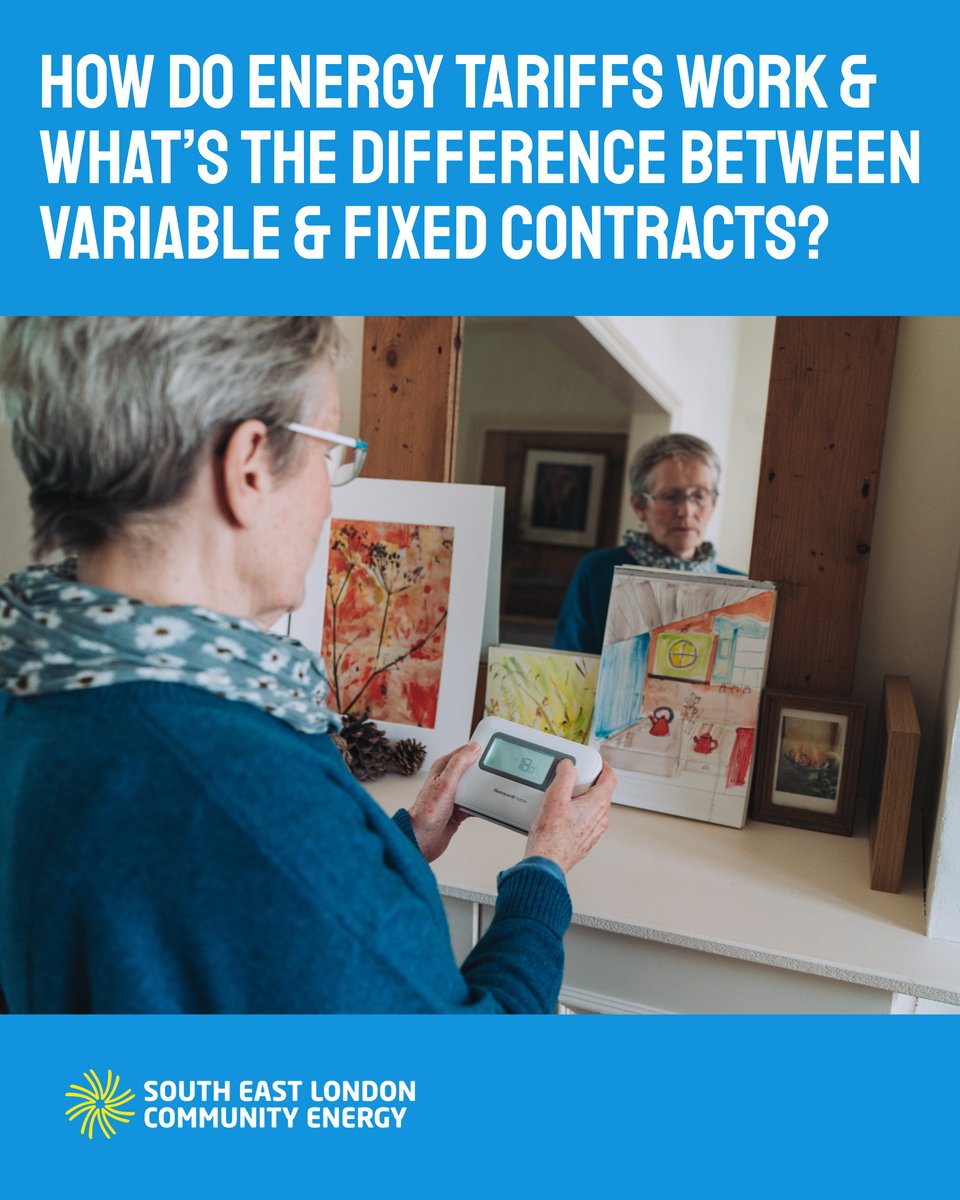
All you Need to Know on Tariffs
On your energy bill, you will have seen something called an energy tariff listed, but what exactly does that mean and which tariffs are available?
An energy tariff is a plan for how much you’ll pay for your gas or electricity. It’s split into two charges:
The unit rate which sets out how much you’ll pay per unit of electricity and gas you use.
A daily fee called a standing charge, which is a set amount you pay per day for having electricity and gas, no matter how much or little energy you use.
Energy News and Updates
News from the budget
In the autumn budget it was announced that there will be an average of £150 taken off energy bills from April 2026
This is through the government scrapping the energy company obligation (ECO) and removing green levies paid on your energy bills
Even if you are on a fixed tariff, these savings are expected to be applied to you from April
An increase in energy bills as Ofgem announces new £28 billion investment to maintain and upgrade the energy grid
This investment will upgrade power and gas grids, creating a future-ready system that better shields customers from volatile energy bills.
This does mean customers will foot the part of this cost through an additional £108 added to energy bills by 2031. Bills will start to rise from April 2026.
However, Ofgem says the investment will make wholesale energy cheaper, saving households about £80 a year, leading to a net energy bill rise of about £30 a year
Conclusion: overall, considering Ofgem’s news and the news from the budget, there is expected to be an overall decrease in energy bills by approximately £120 a year from next April.


