
Damp & Mould in the Home: Why It Happens and How to Avoid It
Welcome to our monthly update on support and tips to make homes healthier and lower energy bills where possible.
If yourself, friends, neighbours or relatives need support, Selce’s energy advice service is here for you – full details of what we do and how to get in touch are all here.
Moisture, Damp & Mould in the Home: Why It Happens and How to Avoid It
In our daily lives, we all create similar amounts of moisture in the home through everyday activities – through cooking and boiling water, baths and showers – and even just breathing.
A lot of people will have been told condensation and even mould in the home is their fault, but all homes have the same bathrooms, kitchens and breathing that produce moisture. It’s the house that should be able to deal with it.
Read our new article on dealing with damp in the home, including where it comes from, why it forms on cold surfaces, and most importantly, what you can do to reduce it.
Awaab’s Law came into force for social housing in 2025, meaning landlords have to deal with dangerous damp and mould that poses a significant risk of harm to your health and safety must be investigated within 10 working days and then must be made safe within a further 5 working days. Find out more here.
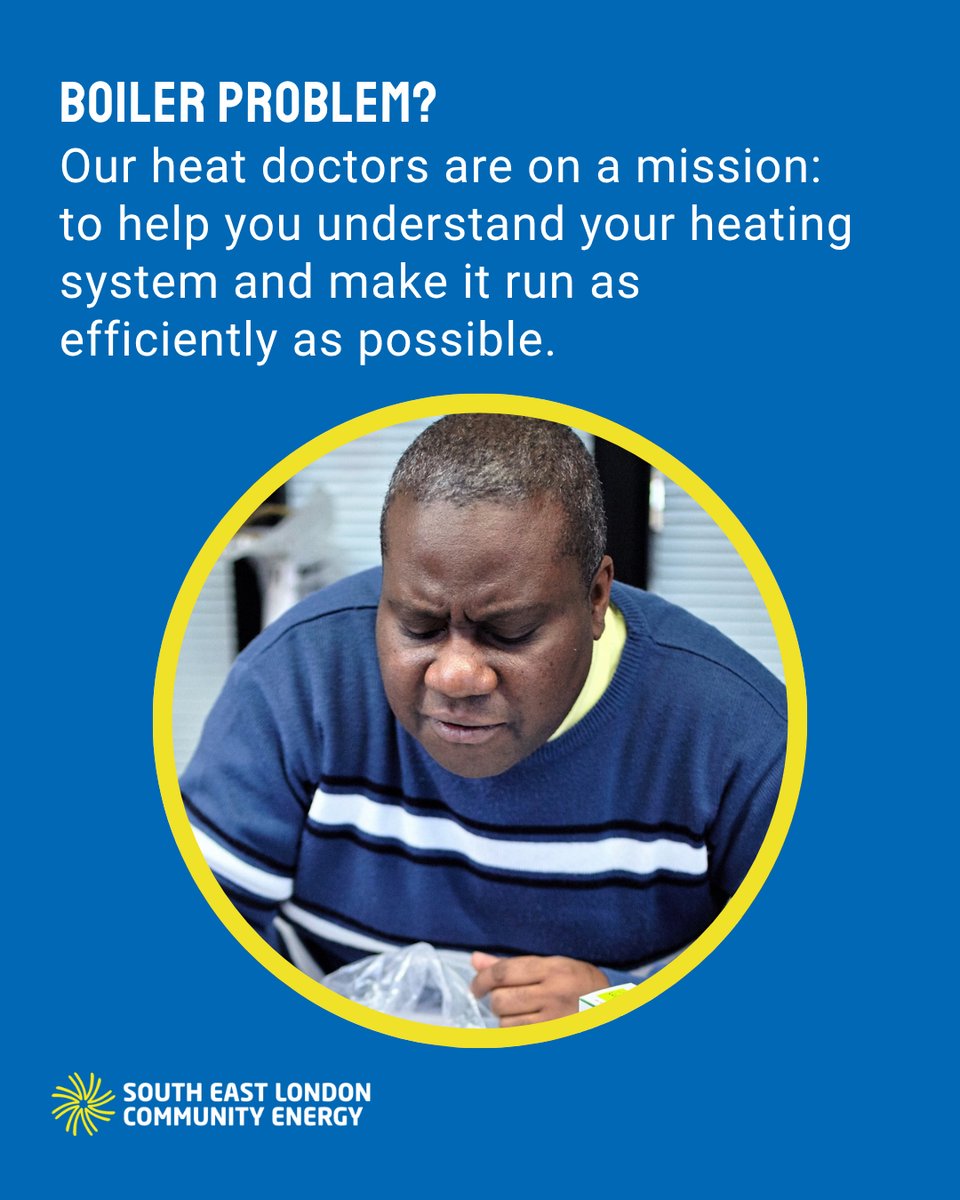
Boiler Problems? The Heat Doctors May Be Able To Help
If your heating is not working, you’re losing pressure, radiator valves don’t work or you notice other issues, you may be eligible for a free visit by the Heating Doctors if:
- You are responsible for your own boiler and
- You are a homeowner or are in private rented accommodation and
- You are a lower-income household vulnerable to the specific challenges of heating a home to safe levels in the current energy crisis.
Our Heat Doctors Simon and Connor are on a mission to help South East Londoners who maintain their own boilers understand their heating systems and make them run as efficiently as possible - find out more here.
Energy Price Cap Going Up from 1 January
The Ofgem price cap is predicted to be going up on the 1st January, which means higher prices if you are not on a fixed tariff.
The increase in the price cap means that, on average a 16-27% forecast increase on energy bills for those on the standard variable tariff.
Ofgem will officially announce the January – March 2027 price cap on 25 November 2026, so look out for announcements in the press later this month
The price cap does not limit the total bill which means the more energy you use, the higher your bill will be.
Households should consider switching to fixed tariff deals to mitigate the impact of the cap increase. Compare and review your energy options to ensure you are getting the best deal, especially in the winter months when we tend to use more energy for heating.
You can find out more about how tariffs work in our explainer here.


