The Ed's Up - Jaguars and jaguars and jaguars, oh my
The question isn’t whether we’ll see a jaguar, our guide tells us. It’s how many we’ll see.
Liz and I are in Brazil, and specifically in the Pantanal—the world’s largest freshwater wetland. Quick to flood and slow to drain, the Pantanal accumulates enough water in its wet season to dwarf the Everglades by a factor of 20. We’re visiting in the dry season, when the region’s hordes of wildlife are concentrated at the margins of ever-shrinking rivers and lagoons. Capybara—giant, guinea-pig-like rodents the size of large dogs—graze on the riverbanks. Yacare caiman—relatives of alligators—crowd together in their hundreds. And hunting them all are jaguars.
Our guide says that throughout most of their range, jaguars are extremely elusive, and any glimpses of them are fleeting. But in the Pantanal, and especially near the town of Porto Jofre, they’re easy to find and largely unbothered by humans. Indeed, scientists from the Jaguar Identification Project have been studying these cats since 2015, and documented more than 500 individuals based on their unique pattern of spots. So when we see our first jaguars as promised, just 15 minutes after setting off from our floating riverboat hotel, we know exactly who they are.
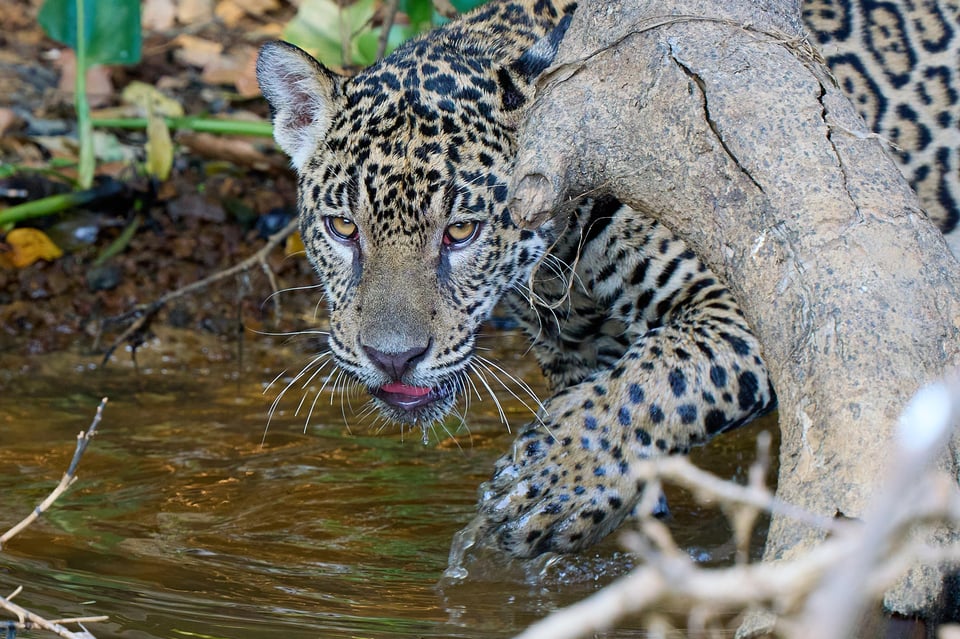
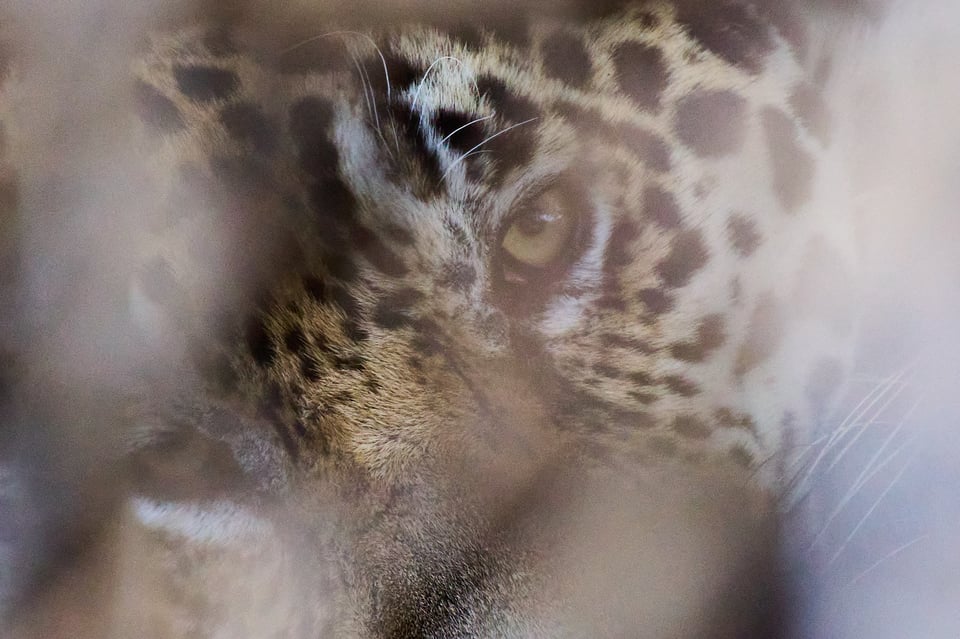
This, for example, is Selva, who we saw alongside her brother Kairo and her mother Medrosa. Medrosa is something of a celebrity, having perfected the art of killing caiman by dramatically pouncing onto them from an overhanging branch. She’s successful enough that she’s now on her fifth litter of cubs. And before long, we find a member of her fourth litter: Pantaneiro. He’s easily identified by his mangled right ear, and while we do briefly see him in full view, I think this photo better captures the thrill and terror of encountering a big cat in the wild.
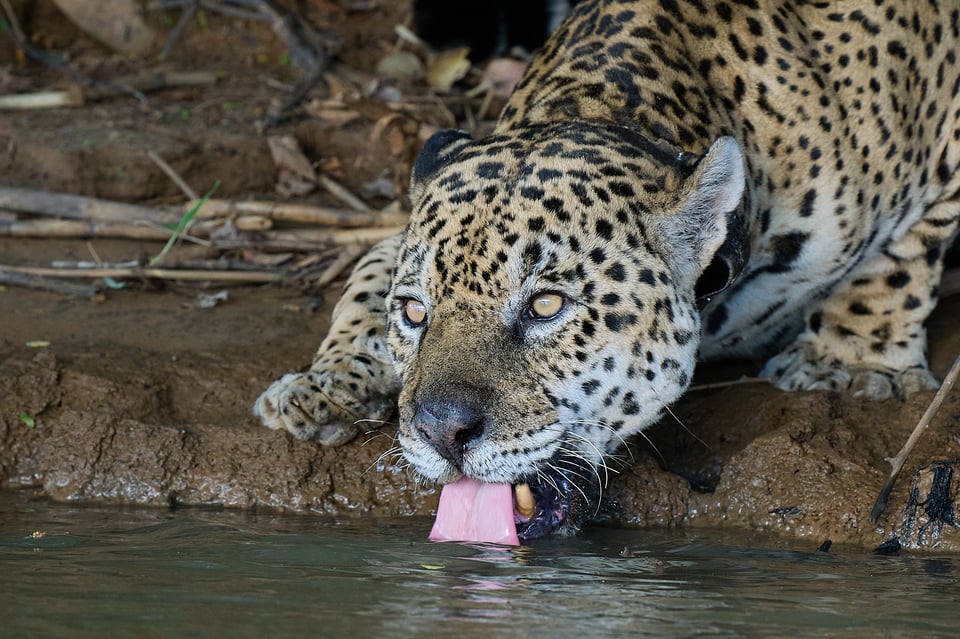
We find our fifth jaguar, Ousado, sleeping under a tree. When he wakes up for a drink, we can see the radio collar that he has worn since 2020. That year, as wildfires scorched more than a quarter of the Pantanal, Ousado suffered third-degree burns on all four paws. The vets who saved and treated him fitted him with the collar, and he’s now old enough that the risks of removing it aren’t worth the hassle.
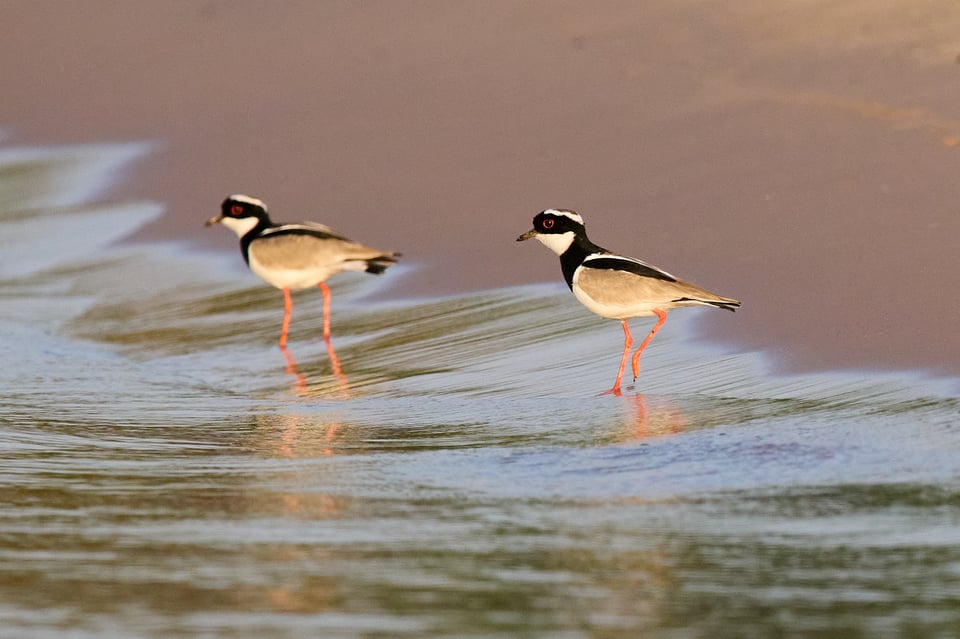
Five jaguars in just a few hours! Satisfied beyond our grandest expectations, we decide to spend the next day focusing on birds instead. And indeed, a few minutes after setting off, we find two adorable pied plovers.
And then…
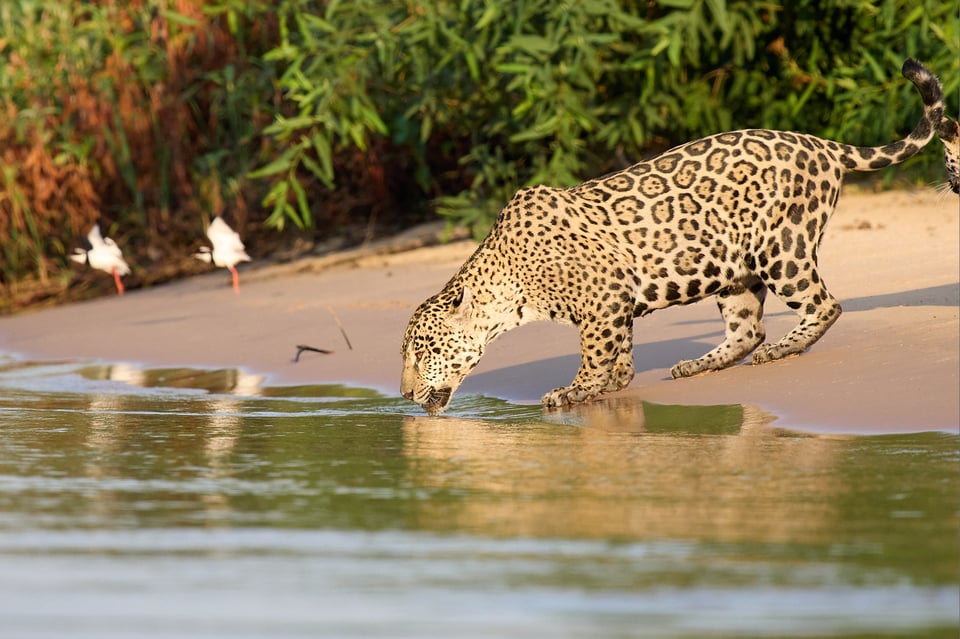
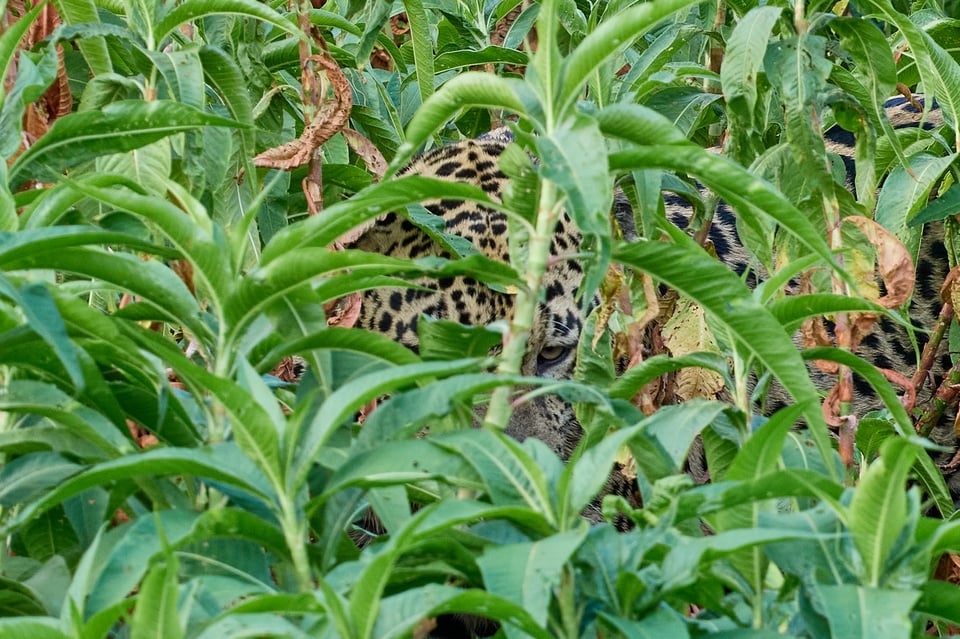
I uploaded this photo to eBird under “pied plover” with a 1-star rating. That’s Marcela, another of Medrosa’s kids, displaying all the features (beyond geography) that distinguish jaguars from leopards: that bulky barrel of a torso; those rosettes with dots inside them; and that disproportionately huge head with its armor-piercing, caiman-busting bite. Leopards are Hugh Jackman as Wolverine in the 2000s, and jaguars are Hugh Jackman as Wolverine in the 2020s.
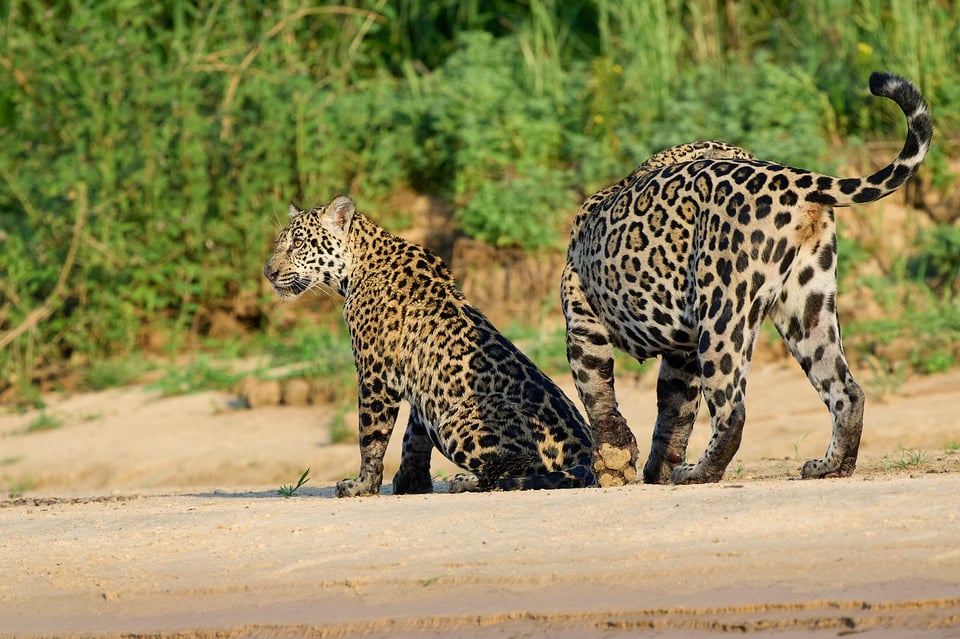
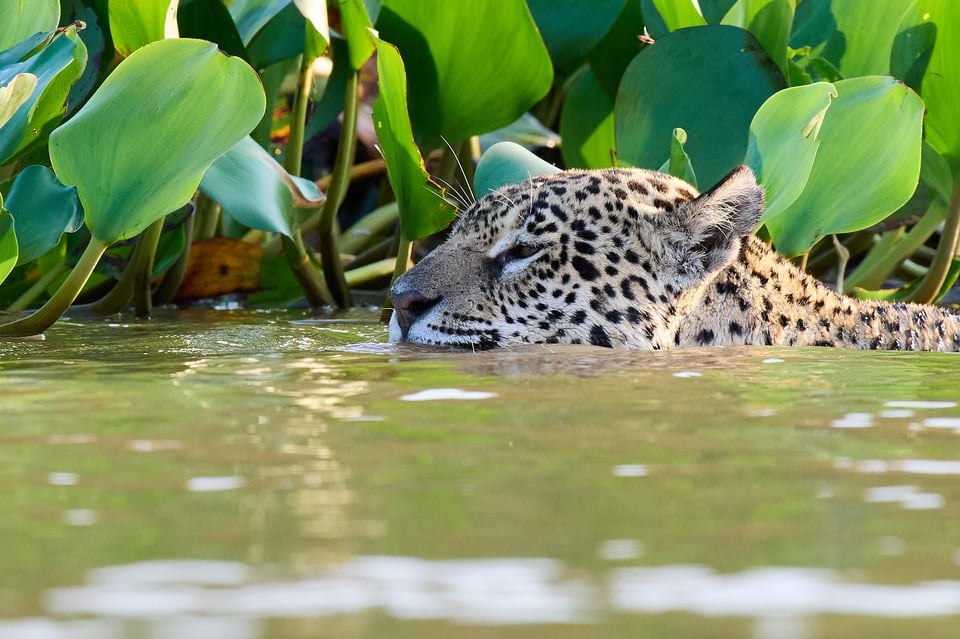
Marcela hangs out in plain view on the sand with her own cubs, Scout and Suli, their already golden coats gleaming in the golden dawn light. They stride along the beach. They eye our boat curiously. They go for a swim, as jaguars are wont to do.
We stop actively searching for jaguars and decide to explore other parts of the river system where they’re less commonly seen. And yet, we still keep finding more by complete accident, like Kyyavera, sleeping under a tree.
We start wondering if every single tree probably has a jaguar lying beneath it—a half-joke that prompts some careful checking whenever we stop against the banks. At one point, our boatman Joel brings the bow of our small boat, where I’m sitting, about 50 feet away from a reclining Ti—Kyyavera’s mother. Somewhere in my iPhone, there’s a video of Ti standing up, the footage shaking, and my off-screen voice saying, “back away back away back away.”
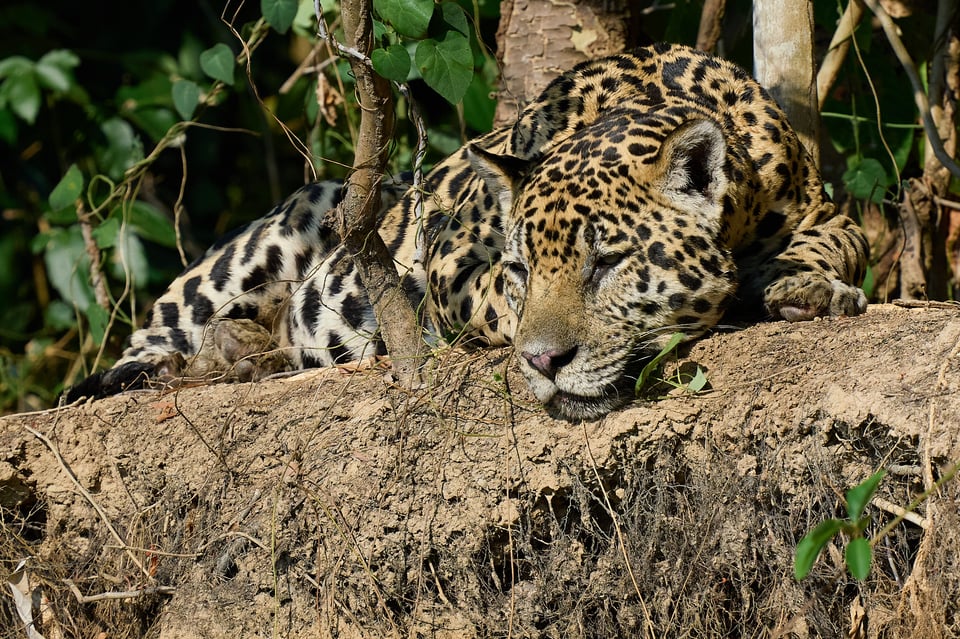
And with the afternoon light fading, we find our 11th and final jaguar, Alira—Ti’s daughter and Kyyavera’s sister. She tried to fend off the horseflies that are disturbing her nap. She gazez longingly at some howler monkeys clambering overhead.
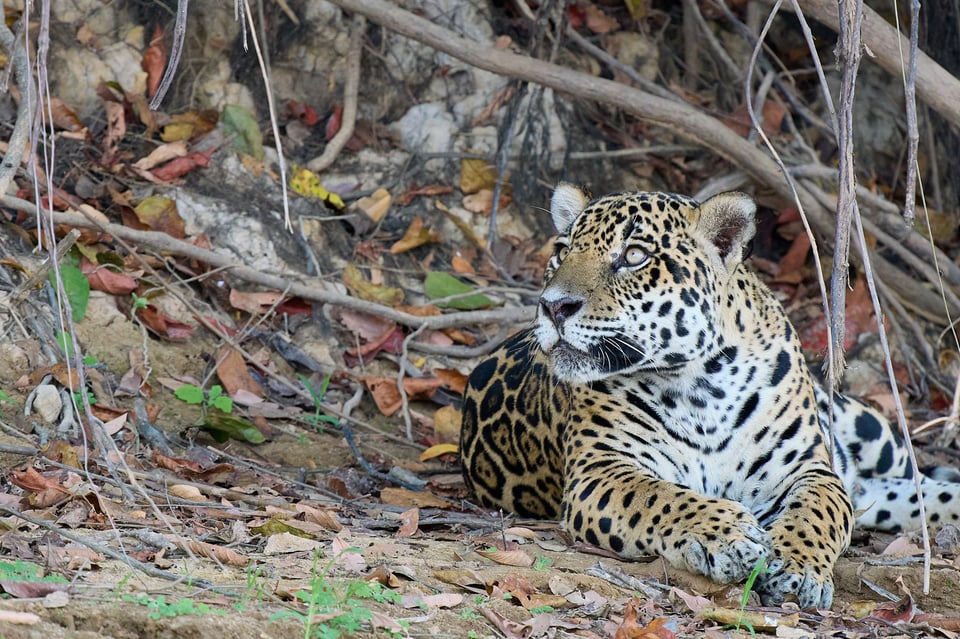
She yawns.
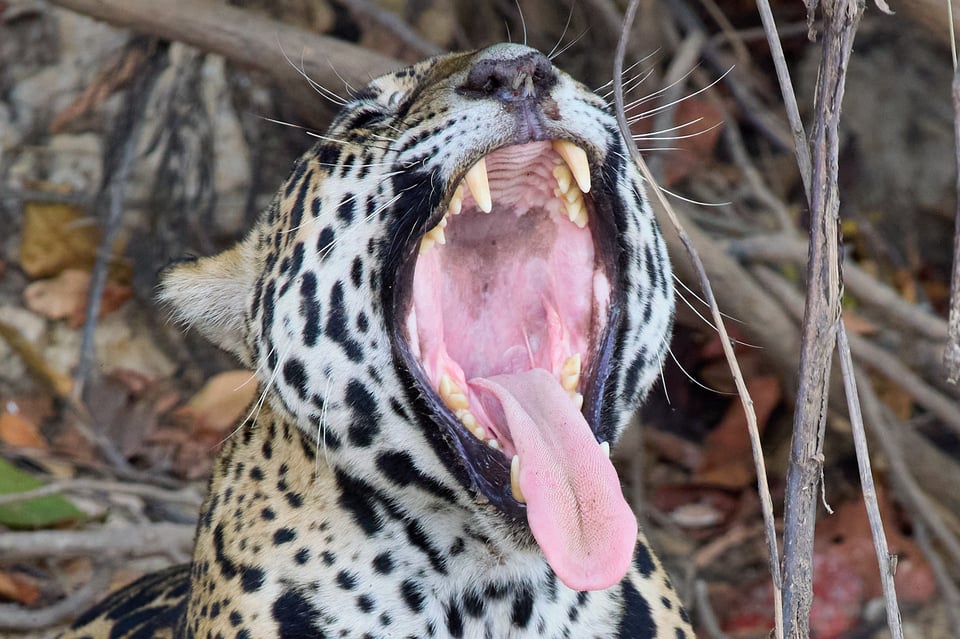
She stretches like a housecat.
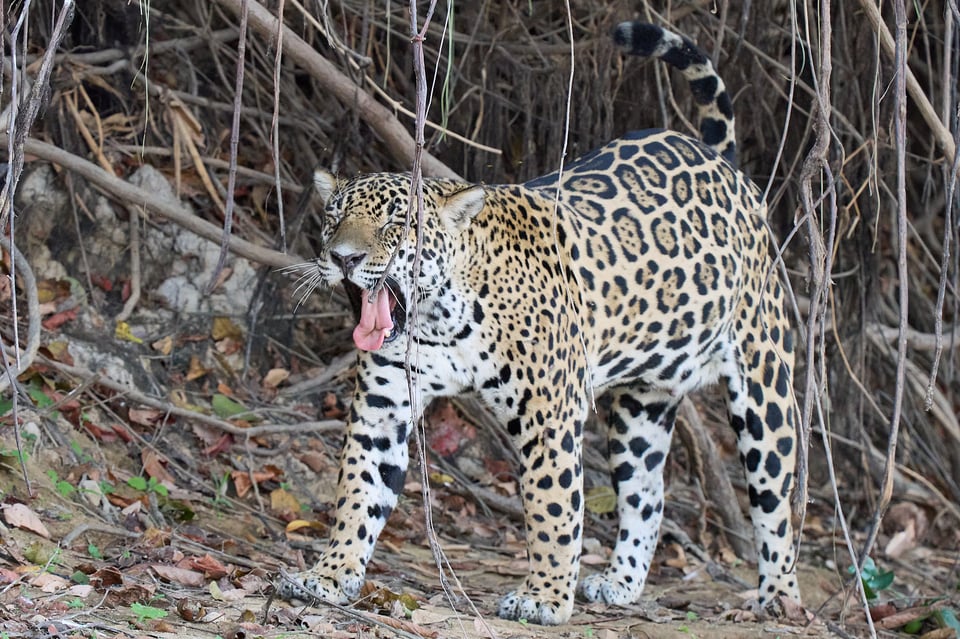
And after 20 minutes, she clambers over a ridge and disappears from sight, while we go home in awe, disbelief, and gratitude. The question isn’t whether we’ll see a jaguar; it’s how many we will see. And the answer is: eleven.
Pre-order a signed copy of Life Beyond Measure
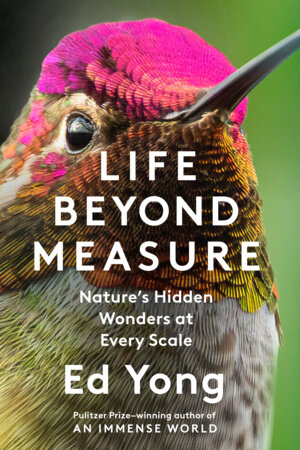
As I noted in the last newsletter, my upcoming book LIFE BEYOND MEASURE, is coming out next April. It’s now available to pre-order (US link; Canada link; UK link).
Pre-ordering is an incredible way of supporting authors, and BookPassage, an indie bookstore, are running a special promotion where you can pre-order a signed and personalized copy. It’s a great offer, and while the store is based in the Bay Area, they ship internationally.
Goodreads is also running a galley giveaway in November.
And if you needed more enticement, here are a couple of new endorsements from two legends of science writing.
“Page by compelling page, Life Beyond Measure takes us deep into the curious patterns of the living world. It is a thrilling journey of discovery, and Yong’s dazzling examples are delivered with wit and insight. From the profoundly weird to the awe-inspiring, these vivid encounters with other species create wonder at life’s improbable proliferation. It is so refreshing to shift away from our anthropocentric lens and see biodiversity as a mosaic of solutions of how to live in a complex world. From these fascinating stories emerges a sense of biological humility and respect for our more-than-human kin with whom we share this planet.”
— Robin Wall Kimmerer, author of Braiding Sweetgrass
“Life Beyond Measure is a lyrical testament to the marvels of nature by one of the great masters of science writing. In clear, accessible prose that by turns delights, charms, and astonishes, Ed Yong conducts a fascinating tour of beings whose lives are utterly different from our own, and shows how, in myriad ways, they make our lives richer. This is a must-read for anyone who cares about Planet Earth.”
— Olivia Judson, author of The Co-Creation
Other book recommendations
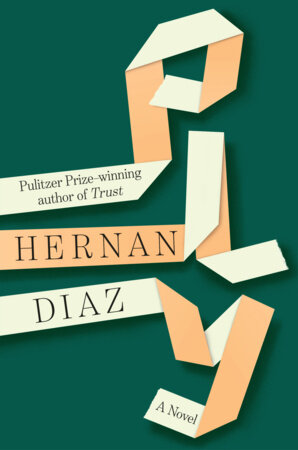
Pulitzer-winning author of Trust, Hernan Diaz, has just published his third novel, Ply. Set a few centuries into the future, when states have collapsed and many aspects of today’s life are gone, Ply tells the story of a young pincher—someone who steals electricity from the grid and sells it on the black market—who stumbles across a physicist whose secret invention has the potential to rewrite everything. Ply resists easy categorization. It feels like a science-fiction book, but by Diaz’s telling, it isn’t one. It also superficially resembles a dystopia but it’s not that either; much has been lost from this future but many exciting possibilities have also opened, and its characters find many historical norms to be anathema. It is, however, an utterly Hernan Diaz book—ferociously intelligent, frequently playful, and so carefully crafted and constructed that it is unskimmable. I loved it.
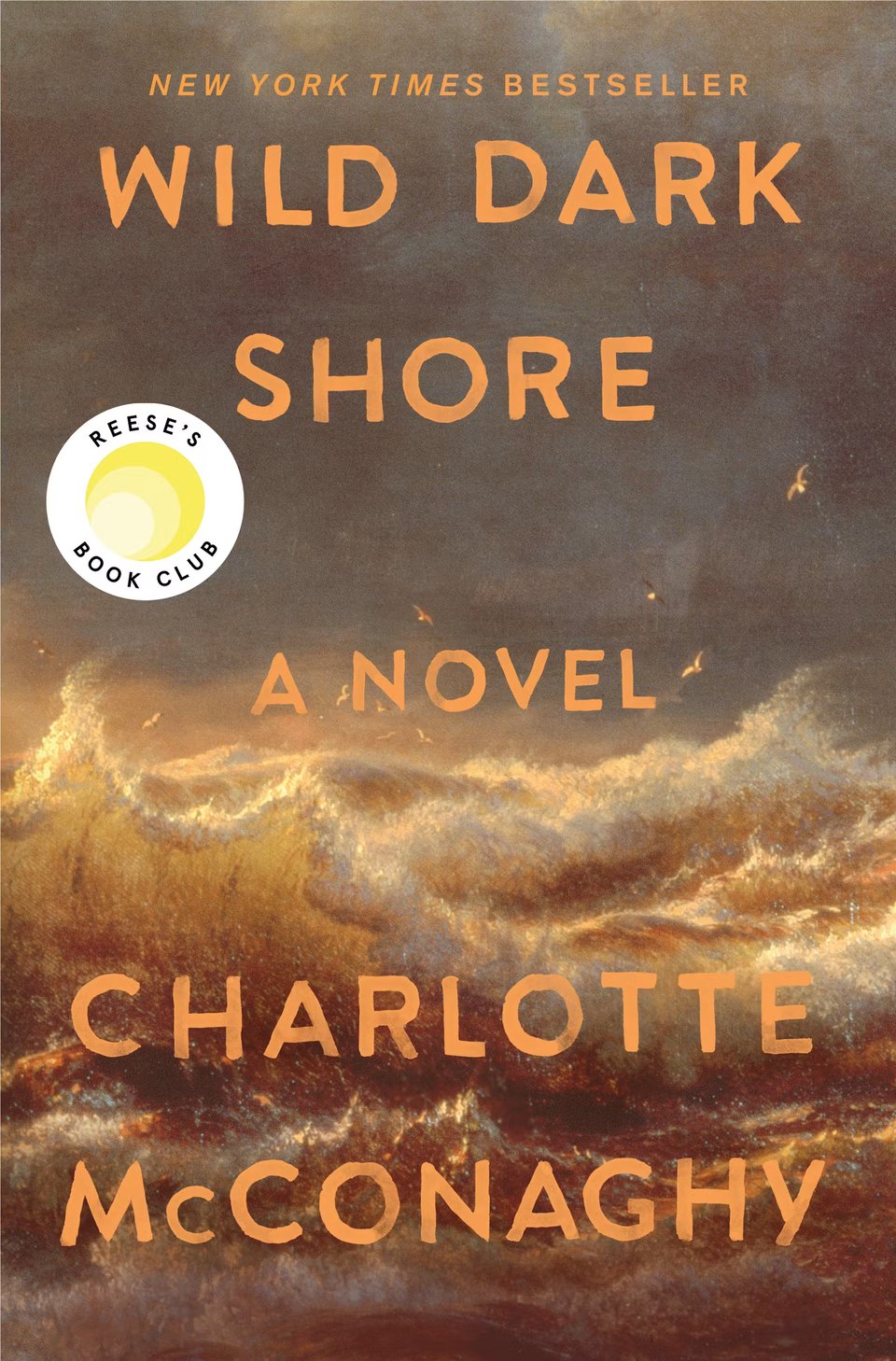
I also finally caught up with Wild Dark Shore, the third book from Australian novelist Charlotte McConaghy, who I regard as one of our most important chroniclers of ecological grief. Like McConaghy’s previous two novels Migrations and Once There Were Wolves, Wild Dark Shore is concerned with how we cope with a world that is heating, fraying, and lessening. All three books have reduced me to tears by the end, but all three are poignant reminders to reject cynicism and nihilism in the face of monstrous existential threat.
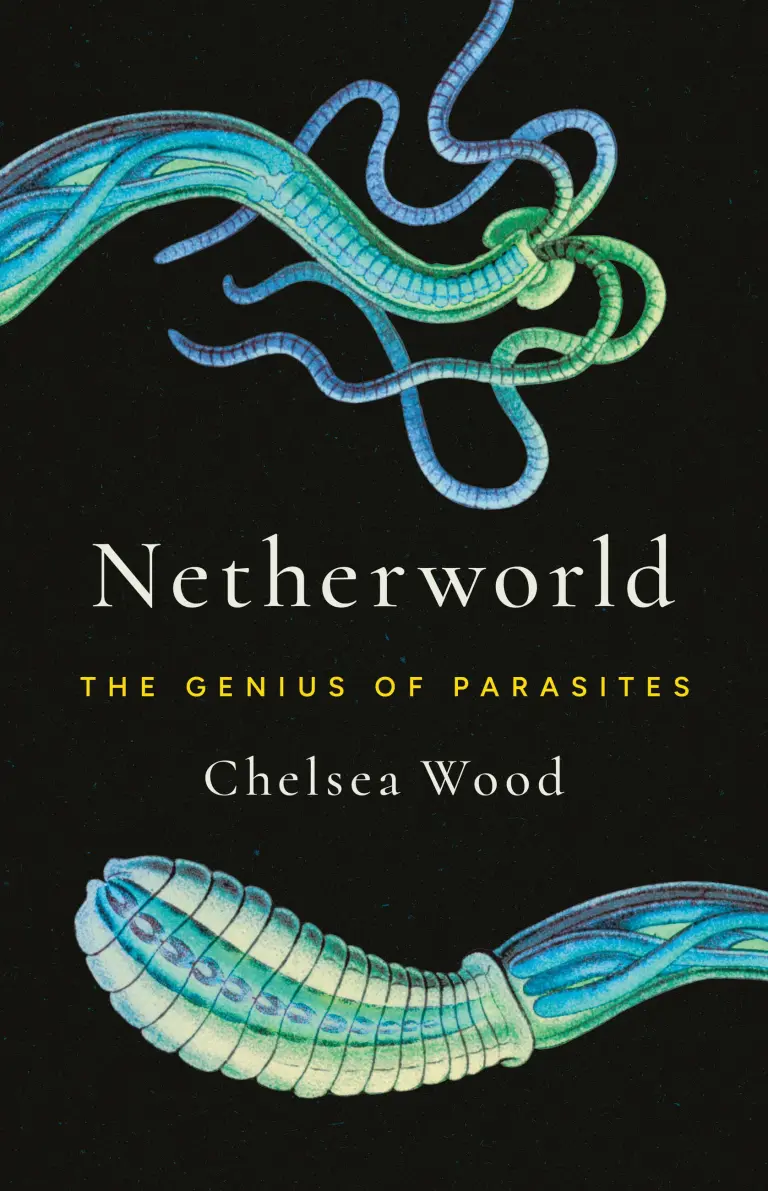
And finally, I read a galley of Netherworld by Chelsea Wood—a paean to parasites, and a call to not only appreciate but also protect them. I offered this blurb: “Chelsea Wood is a truly gifted storyteller, and Netherworld is a magnificent work of science writing, as complex and compelling as the creatures it describes. It's a gripping account of the scientific life, and how passions are kindled and knowledge is built. It's a loving ode to the living world, and the crucial corners of it that are too easily ignored. And it's a convincing call to lavish parasites with the awe, respect, and sympathy that they surely deserve.”
Other reads
I was devastated to learn of the death of Helen Branswell, a legend among science journalists. As I told CASW, “No reporter on the infectious-disease beat was as respected, and deservedly so, as Helen. She wrote with consummate clarity, she spoke truth to power, and she worked without ego. I admired her so much, and I’m struggling to accept that she’s gone—and that we’re going to have to live through a future in which epidemics are more common without her unerring reporting to act as a guide. Helen was the best of us. She never missed. She’ll be missed immeasurably.” Here’s a remembrance of Helen, and an obituary from her own newsroom, STAT.
“Not every author is a narcissist, but they all want to be recognized. … That’s exactly what these scammers are targeting. They have identified a very, very lucrative niche.” A fascinating deep-dive into the world of scams that target authors. I can confirm that my inbox is heaving with this nonsense, and far more so in our unbearably stupid AI era.
Among other important coverage, Jewish Currents has published an important accounting of three years of genocide in Gaza and beyond.
That’s it for this month!
More Pantanal photos next month + more book news.
As always, this newsletter is free, but you can choose to pay a monthly subscription (at whatever level you set) if you'd like to support my work.
Stay safe.