The Ed's Up #135
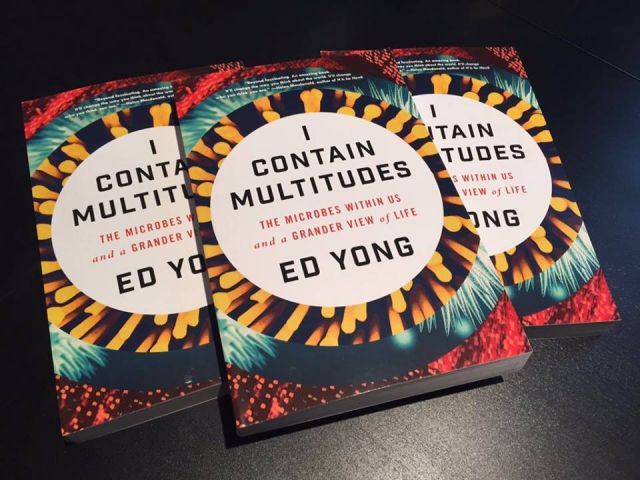 Book update
Here are the US versions of my book, out really soon on August 9th!
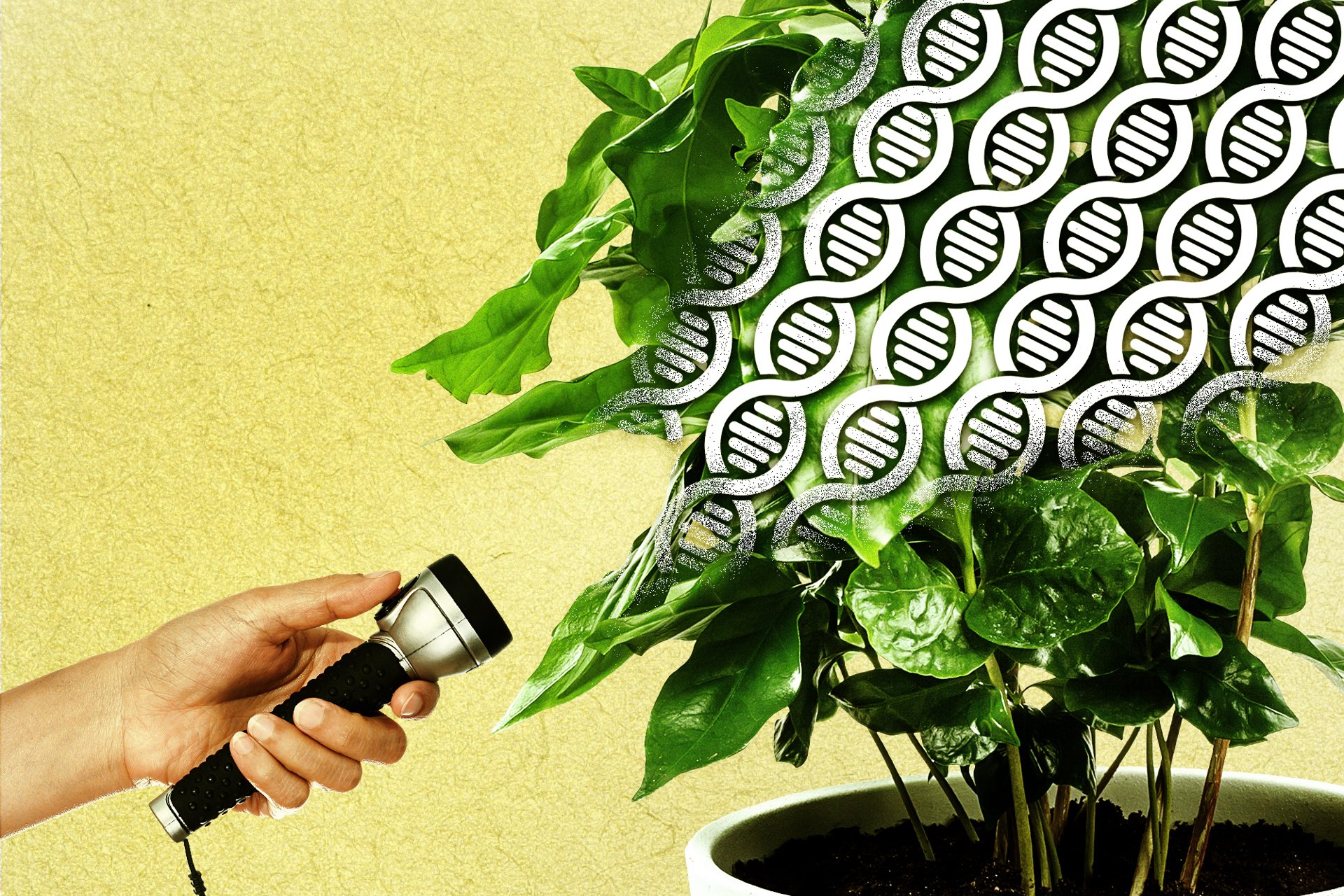
A DNA Sequencer in Every Pocket
"While one MinION is heading off-world, others have already traveled around the world. These tiny machines and their companion devices are set to revolutionize and democratize the world of genomics, unmooring it from well-equipped institutions and laboratories and releasing it into society at large. If Oxford Nanopore gets its way, people will be able to sequence DNA in hospitals and jungles, yachts and security checkpoints, classrooms and living rooms. Whatever the outcome, we will enter a “second age of genomics,” one where sequencers will become like telescopes: a formerly boutique scientific instrument that you can now buy from a toy store. That would not only make sequencing ubiquitous, but it would vastly increase the amount of publicly available genomic information. “It’s the difference between doing astronomy with only a handful of telescopes versus everyone having one,” Parker says. “It changes the amount of sky you can look at.”" (Image: Zachary Bickel)
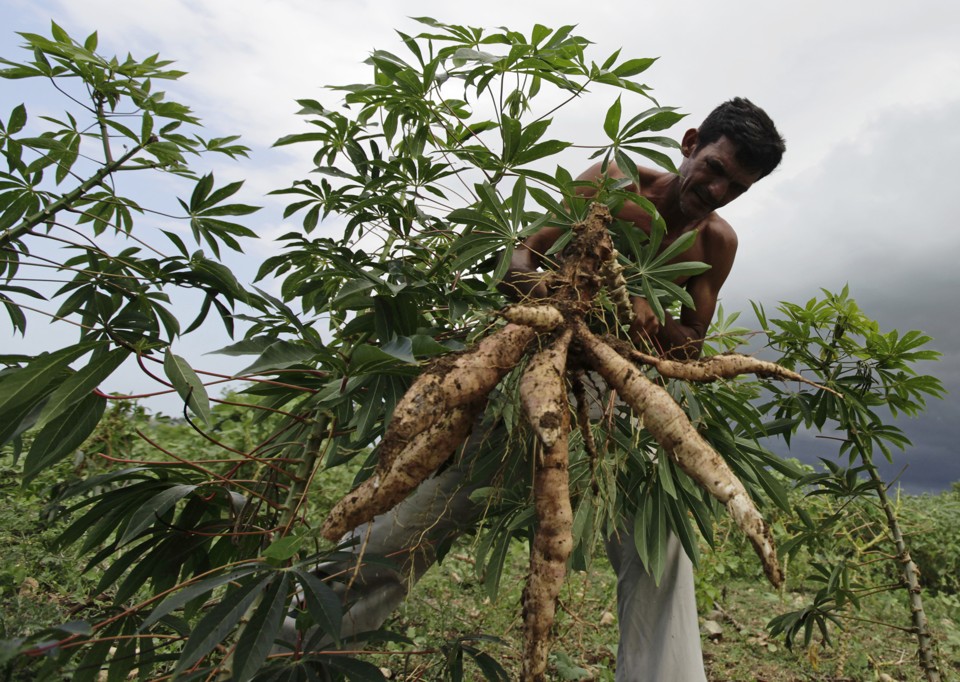
Future Smartphones Will Tell You What’s Killing Your Plants
"A farmer in the Philippines walks through his rice paddies and sees worrying orange smears on his crops. Another in Tanzania detects white blotches on the leaves of her cassava. Worried, they hold up their cell phones, snap pictures, and instantly find out whether their plants are diseased, what the infections are, and what to do about them. Here is the future that David Hughes envisions, and it’s slightly closer to reality." (Image: Reuters)
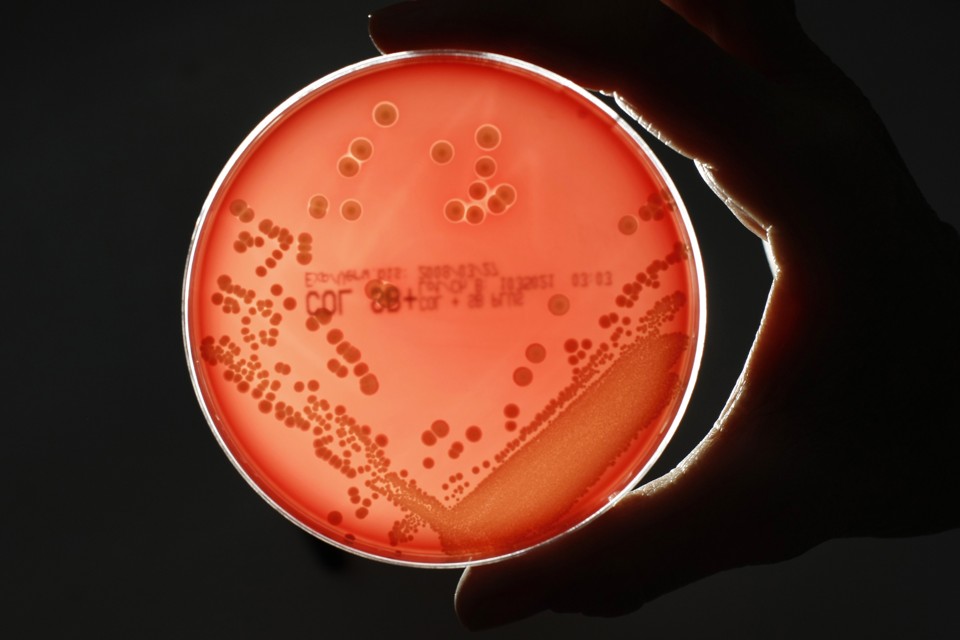
Why Are Your Gut Microbes Different From Mine?
"But here’s the important thing: Collectively, the factors they identified explain a tiny proportion of the variation between people’s microbiomes—19 percent in the Dutch study, and just 8 percent in the Belgian. Which means we’re still largely in the dark about what makes my microbiome different from yours, let alone whether one is healthier than the other. “With all the knowledge we’ve gathered, we made the best possible effort to capture all the factors we could imagine, and we could only explain 8 percent of the total variation,” says Jeroen Raes from the University of Leuven, who led the Belgian study. “It’s very humbling.”" (Image: Fabrizio Bensch)

This Plant Bleeds Sweet Nectar To Recruit Ant Bodyguards
"Six years ago, Anke Steppuhn noticed that the bittersweet nightshade, when attacked by slugs and insects in a greenhouse, would bleed. Small droplets would exude from the wounds of its part-eaten leaves. At the same time, Steppuhn and her colleagues saw that the wild plants were often covered in ants. These facts are connected. Steppuhn’s team from the Free University of Berlin, including student Tobias Lortzing, have since discovered that the droplets are a kind of sugary nectar, which the beleagured nightshade uses to summon ants. The ants, in return for their sweet meals, attack the pests that are destroying the plant. And this discovery provides important clues about the evolution of more intimate partnerships between ants and plants." (Image: Joel Sartore)
More good reads
- Who debunks the debunkers? Daniel Engber on “a rumor passed around by skeptics — a myth about myth-busting”.
- What’s Behind Slovenia’s Love Affair with a Salamander? One of my favourite people Meehan Crist writes about one of my favourite animals, the olm
- Such a good Rose Eveleth piece contrasting the RFID chip in her hand and the IUD in her uterus
- A worm that plagued the American South—and bred stereotypes about lazy Southerners. By Rachel Nuwer.
- The sixth-season premiere of Game of Thrones taps into a longstanding (and sexist) trope: anxieties about women being something other than they seem. By Megan Garber
- Audubon Made Up At Least 28 Fake Species To Prank A Rival. The prank lasted almost 200 years. By Sarah Laskow
- The Twilight State Between Wakefulness and Sleep is a Window into Consciousness. The wonderful Vaughan Bell makes his Atlantic debut
- Veronique Greenwood writes about learning Mandarin as an adult.
- The second of David Quammen's wonderful series on Yellowstone National Park--this one on its predators and prey.
And that's it! Thanks for reading.
-Ed