
The Fear of Selling Too Soon — Why Timing Matters Less Than Readiness
The real risk isn’t selling too soon — it’s not being ready when the opportunity comes.
Hey, it’s Matt — good to have you back for this week’s edition of the eCommercer.
This week, I want to tackle a fear that keeps a lot of founders awake at night: what if I sell too soon? We’ll unpack why that fear is usually misplaced and how readiness — not timing — is what really determines freedom and value.
Plus, on this week’s eCommerce Podcast, I chat with Lou Doyle, who asked herself one question that completely changed her business. Her story is a masterclass in shifting from transaction to connection.
Have a great week, wherever you are in the world.
Until next time,
Thought For The Week →
I’ve spoken to dozens of founders who all share the same fear:
What if I sell too soon?
What if the market takes off right after?
What if I leave too much on the table?
What if the next owner grows it faster than I ever did?
It’s a fair question but here is what most founders miss:
👉 Timing doesn’t make or break your exit — readiness does.
The Myth of “Perfect Timing”
Waiting for the right moment feels strategic but in reality, it’s emotional.
Most founders tell themselves they’re waiting for one more growth spike, one more product launch, one more perfect quarter.
But the “perfect moment” is a myth and it’s often the reason founders miss their best one.
And even when that perfect moment does arrive, most founders still regret selling.
Industry data from the Exit Planning Institute shows that 75% of business owners regret selling within 12 months of the transaction.
Not because the deal went bad but because they weren’t ready.
They lost more than a business; they lost identity, purpose, and structure. When everything has revolved around you for years, the silence after exit can feel deafening.
Dependence Kills Both Value and Peace of Mind
Surveys on founder dependence reveal the average business scores 53% reliance on the owner’s individual efforts. That means over half of what makes the business run depends on one person — usually the founder.
That level of dependence doesn’t just hurt your valuation; it increases the odds of post-exit regret. The more a company depends on you, the harder it is to hand it over — emotionally and operationally.
Buyers see it as a risk and founders feel it as a loss.
The Real Metric: Readiness
A “ready” business isn’t about market timing — it’s about independence.
It runs without the founder.
It has repeatable systems.
It grows even when the founder steps away.
That’s what buyers pay for and ironically, that’s also what gives founders freedom, whether they sell or not.
And that’s what you need to think about.
The goal isn’t to time your exit perfectly. It’s to build a business that’s valuable whenever you decide.
Because when your business is ready, so are you.
This Week’s Episode of the eCommerce Podcast →
Building a 7-Figure Business on Connection Not Commodities
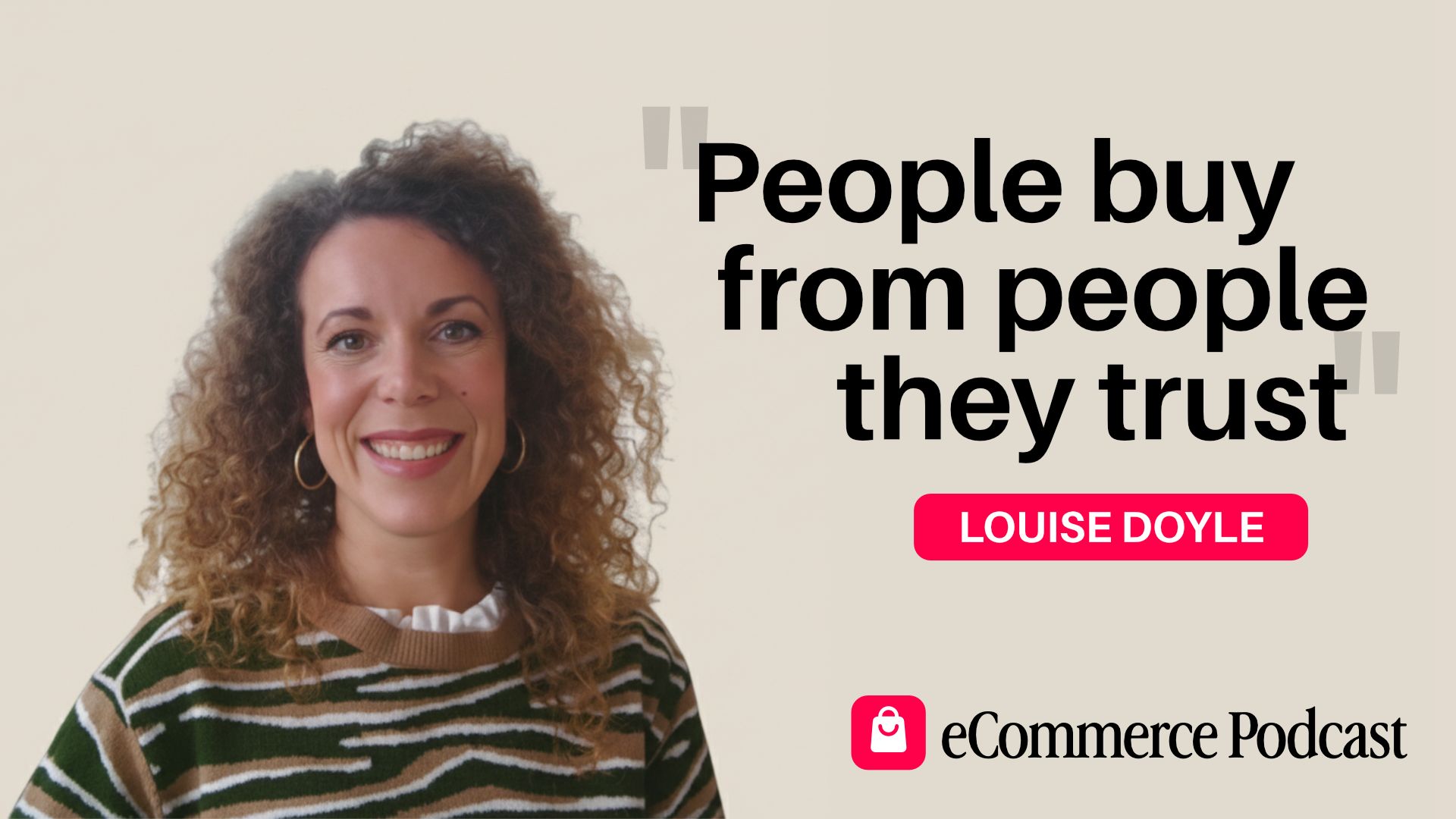
Ever feel like you’re drowning in eCommerce competition?
Lou Doyle did too.
When she and her co-founder Steph launched Needi in 2021, they did everything by the book — good product, solid website, Facebook ads dialled in. But within months, they were bleeding cash on customer acquisition.
So, they did something most founders never do.
They stopped, rethought everything, and asked one question that changed their entire trajectory:
“Why are you buying this gift?”
Lou realised her best customers weren’t consumers at all — they were corporate clients.
But that insight didn’t come from better data. It came from a better question.
Not “what gift do you want?” or “how many do you need?”
But “why are you buying this gift?”
“A gift is cementing what your relationship means to that person,” Lou told me.
“You don’t buy someone a gift unless you’re looking to create a particular connection.”
That shift — from transaction to connection — took Needi from £500K to £2M in a single year. They’re now projecting £5M.
Your Customer Isn’t Who You Think It Is
When a company orders 10,000 gifts for employees, the purchaser is the corporate decision-maker. But the person who determines whether they buy again next year?
It’s the employee who opens that gift.
“For you to maintain a relationship with the gifter, the recipient has to have an exceptional experience.”
That one insight flips traditional eCommerce on its head.
The Amazon Advantage You Actually Have
Lou’s business doesn’t compete despite Amazon — it exists because of it.
Amazon owns the efficiency game. If you try to win there, you’re bringing a knife to a tank fight.
But connection? That’s where Digital Davids beat the Goliaths. People buy from people they know, like, and trust. You can’t automate that or optimise your way into it.
You have to earn it.
What This Means for You
If you’re building an eCommerce business and feel like you’re fighting giants — maybe the answer isn’t better ads or lower prices.
Maybe it’s a better question:
Why do your customers buy from you?
Not what problem you solve — but what connection they’re trying to build.
Lou’s Links:
Company: Needi → https://needi.co.uk/
Episode link: https://www.ecommerce-podcast.com/building-a-7-figure-business-on-connection-not-commodities
Freebie of the Month →
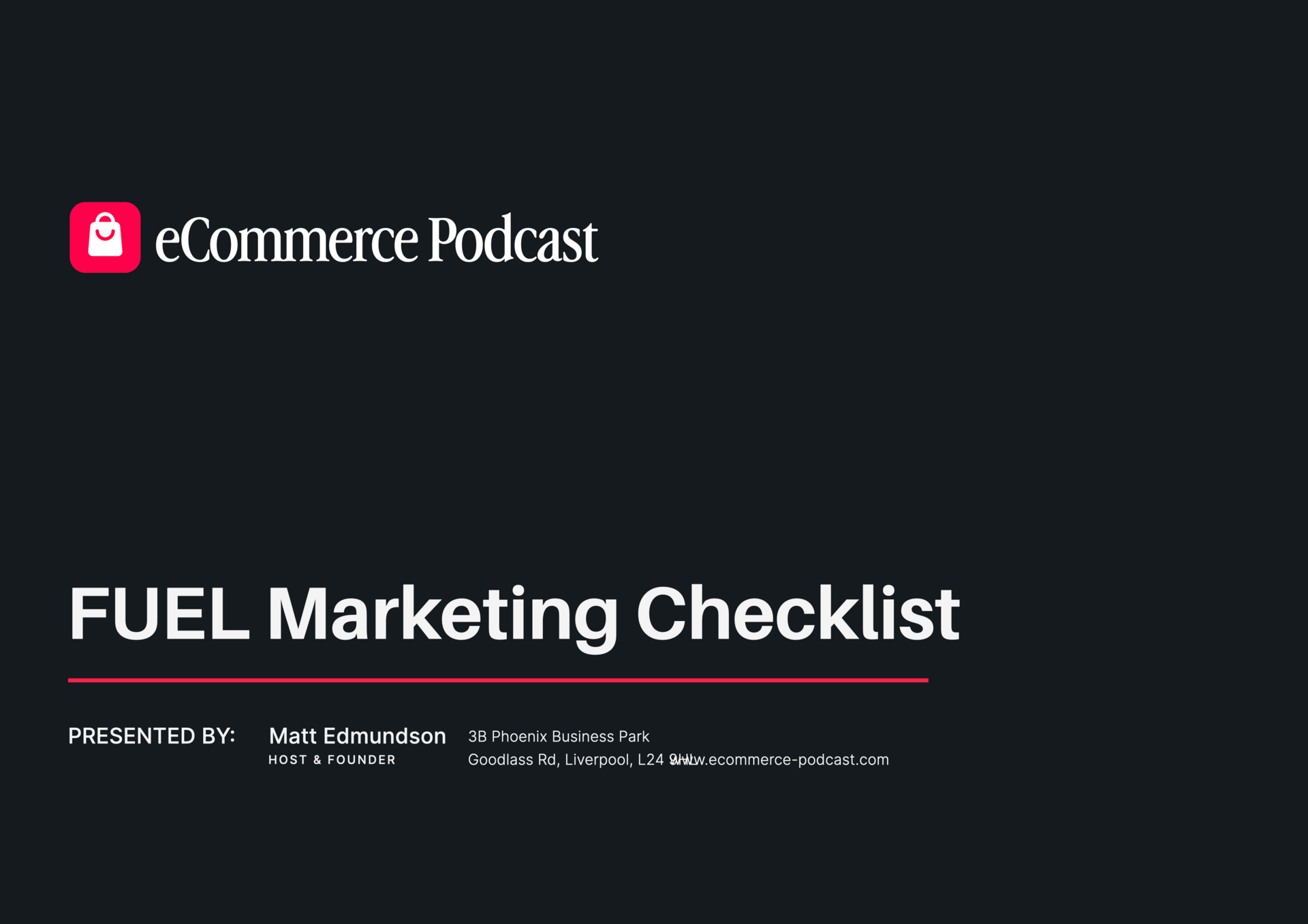
A comprehensive audit tool that maps 8 areas of digital marketing across 4 growth stages. This 30-minute exercise uses gap analysis scoring to show you exactly where your biggest opportunities lie and which priorities will move the needle. Includes 109 checklist items, scoring framework, coaching questions, and a complete glossary of terms.
Be A Guest →
Got an eCommerce business with stories worth sharing?
Come be my guest on the eCommerce Podcast, where I chat with founders about the wins, the disasters, and everything in between. Your story could be the one that helps another founder grow smarter (or avoid your mistakes).