
Growth doesn't have to feel messy
Scale without the inevitable chaos and make growth predictable

Text here that explains
Scale without the inevitable chaos and make growth predictable
I was having a conversation with a fellow eCommercer and he told me about the same problem we have all faced many times:
We’re growing, but it feels like the wheels could fall off any minute.
On paper, they looked like a success story. Revenue was climbing. They were hiring. They were expanding product lines and even spending more on ads (but spending more on ads the right way 😉)
But behind the scenes it was messy.
Every new sale added pressure. Every new hire felt like a gamble. Instead of enjoying the growth, they were starting to dread it.
And I get it—because it’s a common conversation with eCommercers. Growth looks exciting, but if the structure isn’t there, it can lead to inevitable chaos.
The Problem With Growth, Especially Rapid Growth
👉 More sales don’t always mean more profit.
👉 Scaling without structure could actually make your business less valuable.
Cracks widen when growth outpaces systems:
Finances get stretched.
Teams expand but still rely too much on the founder (which might be a good thing if you are trying to accompany Elon).
Marketing spend increases without delivering consistent returns (this is a big one).
What should feel like opportunity starts to feel like a huge risk. That said, my experience here is that these are better problems to have than those you get from not selling anything. But, they are still problems.
A Conversation That Stuck With Me
On the eCommerce Podcast, I spoke with Paul Chambers, co-founder of SubSummit.
Paul shared how so many brands dive headfirst into growth—adding subscriptions, launching new offers, or pouring money into acquisition—without building the structure to sustain it.
And it’s painful to watch. They hit revenue milestones but struggle with retention, fulfilment, and team efficiency. The result is that you get growth that looks good in the short term but erodes long-term value.
The brands that win are the ones that pause, put the right systems in place without getting bogged down by those systems, and scale with clarity. They don’t just chase sales—they build predictability.
I loved this conversation with Paul. The man is a legend and has some great insight on this topic. If you haven’t listened to it already do check it out here.
This Week’s eCommerce Podcast →
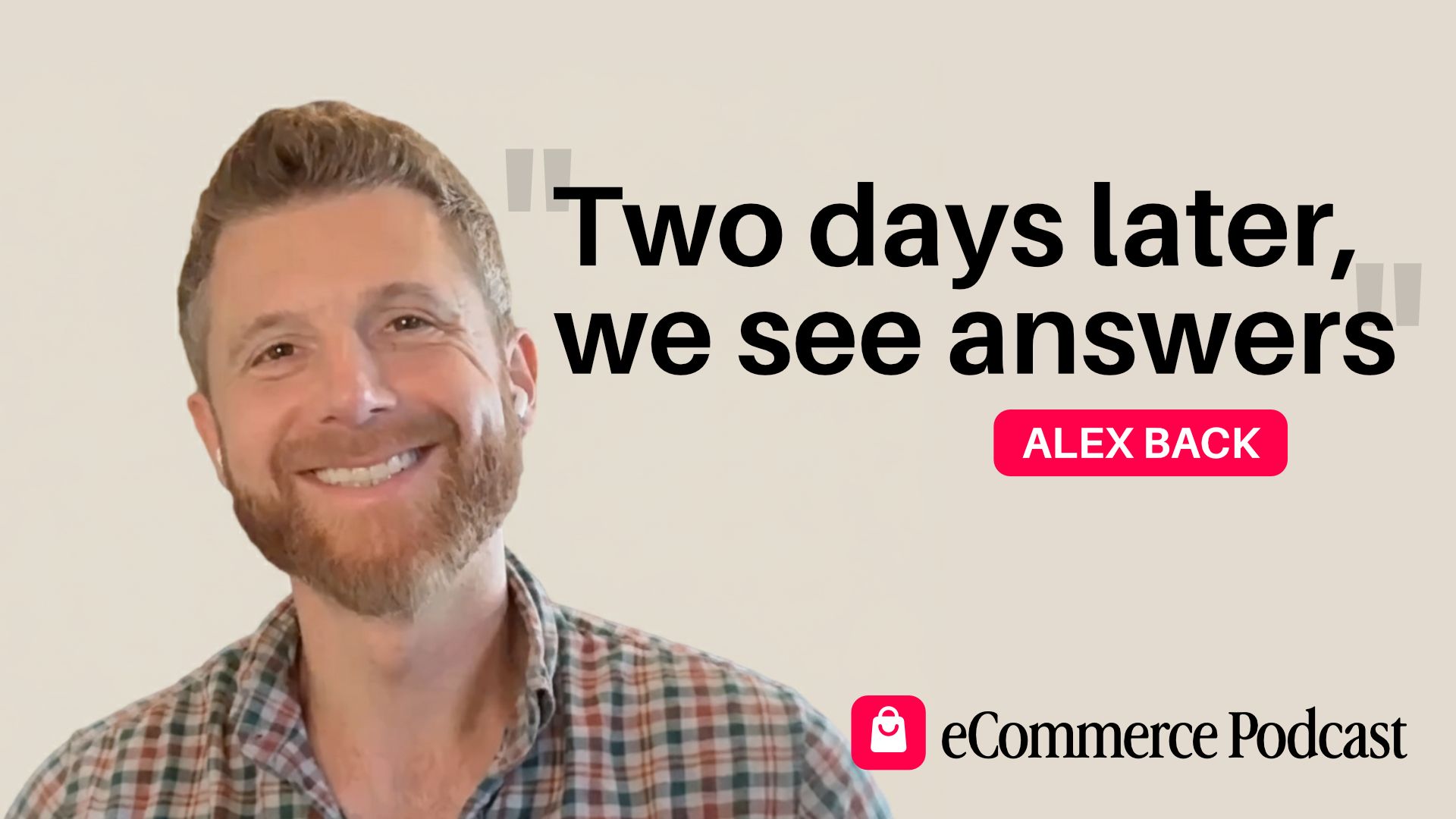
Alex Back IS BACK and is talking about how to do this whole AI search thing, giving us examples of what he has done with Ashley Furniture and how in two days ChatGPT and Google AI changed their answers about the brand's quality.
That's not luck. That's a system.
Alex, if you don’t remember from his first episode, ran a furniture e-commerce business for 13 years before launching Couch, his marketing platform. His approach to AI search is remarkably straightforward.
The Wikipedia, Reddit, YouTube Trinity
Alex talks about Wikipedia being the main source of where LLMs actually get their information from. But Reddit and YouTube are second and third, neck and neck.
YouTube videos don't just rank on Google anymore—they directly inform what AI tells millions of people asking questions. Even if your content contains subjective opinions, LLMs consider it heavily, sometimes more than established authority sites.
The opportunity here is massive.
The Content System That Works
Alex calls himself "a talker," (and he is 😉) and he's built his entire content strategy around that:
Start with an outline using ChatGPT. Tell it what value propositions you want to hit, get a structure back.
Record video first. Turn the camera on. Talk authentically about what you know. Don't chase perfection.
Transcribe and transform. That raw video becomes your article. Your writer takes the transcript and turns it into compelling written content.
Publish simultaneously. YouTube video goes live. The article with an embedded video is published to your blog. Do it the same day, within hours of each other.
One recording session produces a YouTube video, a blog post, social media content, and multiple touchpoints. All it takes is turning on the camera for a few minutes.
The 48-Hour Test
Here's what Alex does for clients:
Before posting, check what ChatGPT and Google AI say about specific questions. "Is Ashley furniture good quality?" Screenshot the answers. Note the citations (or lack thereof).
After publishing your video and article, wait 48 hours. Check again.
The answers shift. Citations appear. Just like magic.
"It's very delicate," Alex notes. "It's not going to show you the same thing every single time. So it's abstract and it's tough to get brands on board with this."
But seeing the transformation—posting something and then watching AI update its responses within days—that's compelling evidence.
Your Starting Point
Ready to test this for your brand?
First: Ask ChatGPT questions that your customers ask about your product category. Screenshot the answers.
Second: Create one video this week using Alex's method. Outline with AI, record authentically, transcribe, and turn it into an article.
Third: Publish strategically. YouTube and blog, same day, within hours of each other.
Fourth: Wait 48-72 hours. Ask those same questions again. Look for your citations.
One piece of content won't transform everything. But consistent expert content, published over months? That builds authority that AI search recognises.
Listen Now →Freebie of the Month →

A systematic framework for questioning business assumptions that feel like "just how things work." This 20-minute exercise helps you identify hidden constraints limiting your growth and discover alternatives you haven't considered.
Learn More
Got an eCommerce business with stories worth sharing?
Come be my guest on the eCommerce Podcast, where I chat with founders about the wins, the disasters, and everything in between. Your story could be the one that helps another founder grow smarter (or avoid your mistakes).
Until next time,
Make your business more valuable, whether you plan to sell or scale.