November 2025 - There is an ancient conversation going on between mosses and rocks, poetry to be sure.

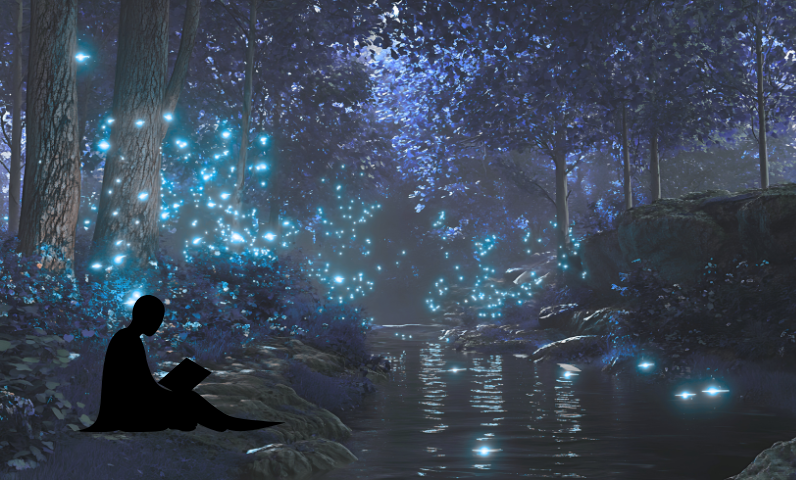
The quote is by Robin Wall Kimmerer, and the whole thing goes: “There is an ancient conversation going on between mosses and rocks, poetry to be sure. About light and shadow and the drift of continents. This is what has been called the dialect of moss on stone—an interface of immensity and minute ness, of past and present, softness and hardness, stillness and vibrancy, yin and yang.”
- From Gathering Moss: A Natural and Cultural History of Mosses
Winter is coming
Will I ever tire of this Game of Thrones meme? Probably not. I am a summer child, too, I’m sure. At the end of our warm weather recently, I sat outside one evening, wine in hand, looking over the garden, thinking, “I don’t want summer to end.” I am still picking celery and have more potatoes to dig for, but most of the garden is done.

Forty pounds of beans dried, squash and potatoes stored, rosemary and chives dried, apples picked and cidered and eaten, pumpkins picked and out on Halloween, tomatoes—all of them—done. Yet, there’s something both soothing and energizing about nature and seasonal cycles. Poetry, maybe, like moss on rocks. Our drought summer became a wet autumn, sprinkled generously with perfect sunshine days, each day slightly cooler than the last. Hurricane Melissa’s post-tropical storm brought plenty of needed rain, and I believe we’re almost to the right water levels again. Anyway, it’s wood-stacking and woodstove time again. We even awoke one morning to see a few snow patches on the ground. Slow down, world!
Fall issue of Ecology & Action Magazine
You may not know it, but I’ve been a volunteer at Ecology & Action Centre since I moved to Nova Scotia nearly six years ago. I’ve written and edited for the magazine, mostly about ecological fiction in Canada and with Indigenous artists and authors. In this issue(PDF), I was thrilled to work as an editor with writer Bianca Marzan, who wrote about E&A’s pop-up bike hub, a great initiative to get people on bikes and teach them how to fix their bikes. But check out the entire magazine.
News at Dragonfly.eco
November’s Indie Corner has an absolutely lovely interview with Michelle (M.E.) Schuman, an award-winning author as well as a wildlife biologist, wetland scientist, and ecologist in Alaska. Our conversation explores her life story as well as her books. I’m currently reading her memoir, The Understory: A Female Environmentalist in the Land of the Midnight Sun, which is engaging and full of that stone and moss talk, ya know, the largeness of life and the ordinary parts of it. Check out Michelle’s site for more information as well as how to order her books.
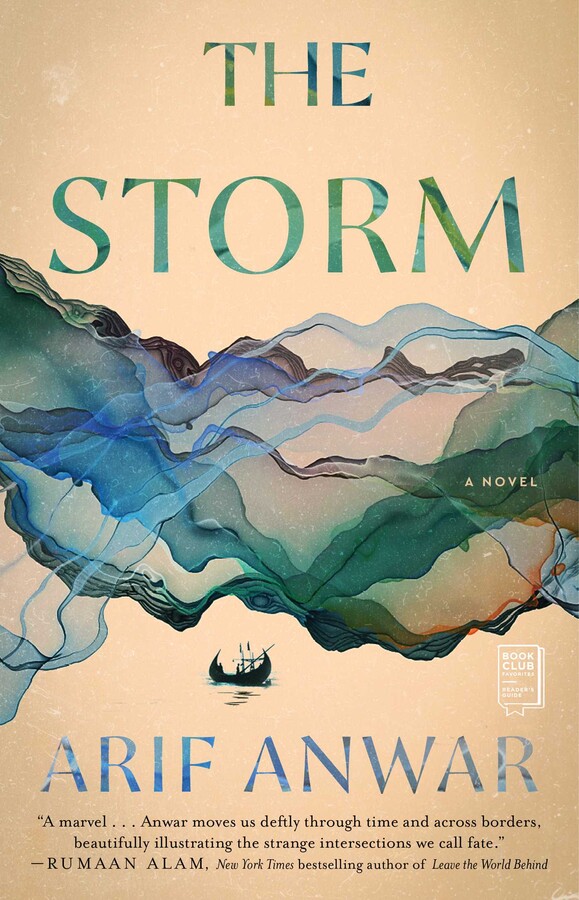
For the World Ecofiction Series, I rebooted an interview with Arif Anwar, author of The Storm. Shahryar, a recent PhD graduate and father of nine-year-old Anna, must leave the United States when his visa expires. In their last remaining weeks together, we learn Shahryar’s history, in a village on the Bay of Bengal, where a poor fisherman and his wife are preparing to face a storm of historic proportions. That story intersects with those of a Japanese pilot, a British doctor stationed in Burma during World War II, and a privileged couple in Calcutta who leaves everything behind to move to East Pakistan following the Partition of India. Inspired by the 1970 Bhola cyclone, in which half a million-people perished overnight, the structure of this riveting novel mimics the storm itself. Building to a series of revelatory and moving climaxes, it shows the many ways in which families love, betray, honor, and sacrifice for one another. It’s a novel that connects past and present, like moss and stone.
Check out Dragonfly’s new book posts:
The Black Fantastic: 20 Afrofuturist Stories, edited by André M. Carrington
Beasts of the Sea, edited by Iida Turpeinen
ECO24: The Year’s Best Speculative Ecofiction, edited by Marissa Van Uden
The Unidentified by Rae Mariz
What a Fish Looks Like by Syr Beker
Forest Imaginaries: How African Novels Think by Ainehi Edoro
Film recommendation of the month
Running for the Mountains. Transcending party lines, this compelling documentary exposes the cautionary tale of the rough and tumble politics and reckless policies that dominate West Virginia, now being exported to the rest of the nation. The filmmakers’ 15 year investigation unveils the ties between extractive industries and West Virginia's politicians who place their personal profit over the health and well being of their constituents by subjecting their state to deadly toxic air, water and land. Read more at the website. If you’re in Canada, this film is available from Kanopy right now.

Flashback
I forgot to include a blast from the past in last month’s newsletter, so here is one for November. Early in the life of the website, when I began doing interviews, I created a Women Working in Nature and the Arts series. This series continues today, but it also overlaps with other series. I so admire the multiple beautiful, diverse, intelligent, and outdoorsy women who have inspired me to no end; there’s a certain sisterhood there.

Looking forward
Next month’s newsletter will mostly explore the Rewilding our Stories Discord. I will post some work from the most prolific authors of the group: things most people don’t know about them, something they’ve published or are writing, and more. I think when people hear “Discord”, they probably wonder what it is. It’s just another internet space to hang out. I learned about it years ago from gaming.
Several authors I’ve interviewed are active there and well-known in ecofiction, solarpunk, and other environmental fiction circles. We’re writers, readers, artists, scientists, gamers, teachers, and more. We read and write together at times. We just talk about whatever, though the site focuses on ecological fiction and creative nonfiction. We’re inching close to 400 members, but many are quiet and just lurk, which is fine. My goal is to get to 1,000 active members, just so I can turn on the Discovery feature. But if that never happens, what we’ve got so far is nice. We’ve been around for just over five years and have built a pretty solid place to relax and talk about the natural world and the fiction that focuses on it.
Resources
LinkTree: Find out more about me
Rewilding Our Stories: A Discord community where you can find resources, reading, and writing fun in fiction that relates strongly to nature and environment
Book recommendations: a growing list of recs
Eco/climate genres: They’re all over the place, and here’s an expanding compendium
Inspiring and informative author quotes from Dragonfly’s interviews
List of ecologically focused games
List of eco/climate films and documentaries
Eco-fiction links and resources
Book database: Database of over 1,100 book posts at Dragonfly.eco
Turning the Tide: The Youngest Generation: Fiction aimed toward children, teens, and young adults
Indie Corner: The occasional highlight of authors who publish independently
World Eco-fiction Series: Climate Change and Beyond: This series travels the planet exploring fictional stories close to natural landscapes and wildlife, often with environmental concerns.
Artists & Climate Change. This site is no longer being updated but still has a wealth of info. I was a core writer for their team, and I’m both honored and grateful. Look for my “Wild Authors” series there.
You just read issue #60 of Dragonfly.eco News. You can also browse the full archives of this newsletter.
