
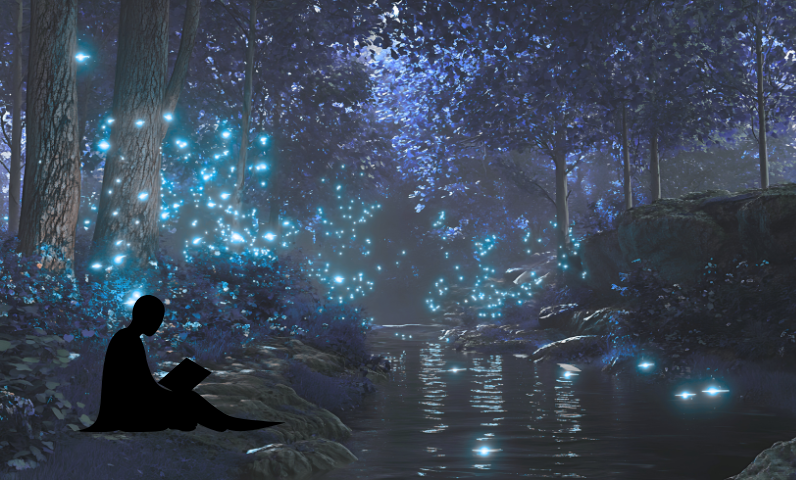
What is rewilding?
I like Bahar Dutt’s concept of rewilding: The concept of rewilding creates hope; it gives the opportunity to set things right, to link protected areas through corridors, to bring back species once lost, and to revitalize our forests, rivers, and wetlands with all forms of life.
While we’re on the subject, what does it mean to rewild a story?
![Rare Book Division, The New York Public Library. "Germinazione del Dattero. [Date palm]" The New York Public Library Digital Collections. 1817 - 1839. https://digitalcollections.nypl.org/items/a8201680-c6b9-012f-867c-58d385a7bc34](https://images.unsplash.com/photo-1755441223253-23a67f007372?crop=entropy&cs=tinysrgb&fit=max&fm=jpg&ixid=M3w2Mjg2OTV8MHwxfHNlYXJjaHw0fHxuYXR1cmUlMjBib29rfGVufDB8fHx8MTc2NTYzOTA3N3ww&ixlib=rb-4.1.0&q=80&w=1080)
I first heard the phrase Rewilding the Novel from Greg Normington at The Dark Mountain Project. While the Rewilding the Novel series seems to be archived now, it opened up possibilities beyond genre gatekeepers at the time and seemed more open-ended and a good phrasing. The idea at Dark Mountain was simple:
What might we expect of ‘rewilded’ fiction? It would be absurd to condemn the novel for its focus on the domestic and urban: those, after all, are the defining conditions of life for most of us. Nor do I hold much truck with a back-to-the-land nostalgia that overlooks how hard life on the land has been for most of human history. I do, however, hope to see fiction emerge, in the coming years, that engages, not just with climate change (there is a growing body of literature doing that), but more broadly with the great silencing that we are inflicting on our fellow beings. Novels that make no space for nature—that are inattentive to landscape and the non-human—are perpetuating what ecologists call ‘shifting baseline syndrome’, whereby we mistake our self-impoverishment for the natural order of things…Yet ‘rewilding the novel’ means more, or should mean more, than adding a few mentions of animals and plants to anthropocentric narratives. It means acknowledging in our fiction where we come from, where we are going, and what we have lost and are losing on the way. It allows for abundance and jubilation but also desolation and loss.
I loved this idea
I started thinking more literally about the concept. Were novels once wilder, more focused on nature? Is it time to go back to those origins? I only have anecdotal experience, but when I was a kid, nature informed almost every book I read. This is how I got interested in the concept to begin with. From The Giving Tree, The Hobbit, and The Island of the Blue Dolphins to Aesop’s Fables and even fairy tales, my young reading discoveries showed how nature provides and how, in turn, we should protect and restore it. I longed to get back to that kind of storytelling in my adult writing and reading. Dragonfly.eco will turn 13 in August 2026, but I’ve always been inspired by stories that involve human connection with the wild, or even stories that leave out the human altogether. Like Bahar Dutt said about rewilding, I feel that rewilded stories bring a lot of hope as well.

World ecofiction spotlight
I’ve often discussed the Rewilding our Stories Discord community that I created with Scottish scientist Lovis Geier (of Ecofictology) five years ago. Writer and environmental steward Sara Davis eventually joined us in administering the place.
What is it? Rewilding our Stories provides an inclusive, diverse, and safe space to explore the broad subjects of ecologically oriented fiction and creative nonfiction, which cover important connections, dependencies, and interactions between people and their natural environments. The range of genres found in this field of literature—which can include environmental and nature themes in Black and Indigenous fiction and futurisms, climate-themed, decolonization literature, magical realism, literary and contemporary fiction, science fiction, fantasy, solarpunk, 2SLGBTQ+ literature, and more—is evolving. We’ve been around since 2020 and have nearly 400 members.
This month, we celebrate our efforts to rewild our stories with the world ecofiction spotlight by featuring the community’s own authors and anthology editors. Join us in celebrating Around the world with “Rewilding our Stories”. The stories are set in, are inspired by, or are part of the author’s lived experience in: Germany, Australia, Tanzania, Brazil, Canada, the US, the Netherlands, Ireland, the Pacific Ocean, imaginary worlds, and more.

Indie Corner
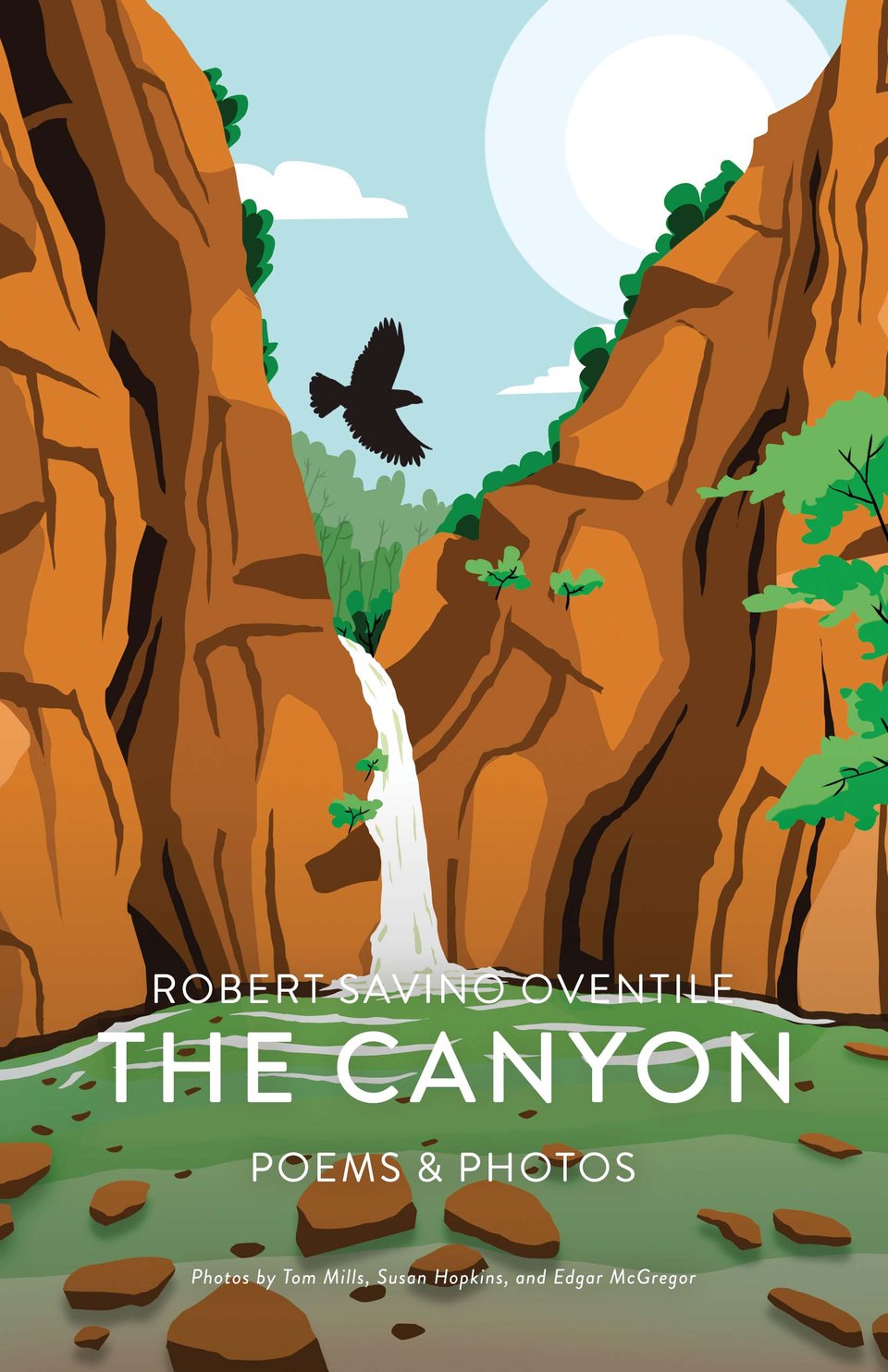
This month’s Indie Corner spotlight features Robert Savino Oventile. Through poems and photos, his new book The Canyon meditates on Eaton Canyon, a unique ecosystem nestled adjacent to Pasadena and Altadena, California. In January 2025, the Eaton Fire devastated the canyon, along with parts of Altadena and Pasadena. The Canyon reflects on the resilience of this environment, recalling how its wildlife, plants, and terrain rebounded after the 1993 Kinneloa Fire. Shaped by fire and now increasingly by human-driven climate change, Eaton Canyon is part of a larger story—one that climate scientists place within the evolving Earth System. A celebration of Eaton Canyon’s beauty and endurance, The Canyon invites readers on a journey through an ever-changing landscape.
Film of the month
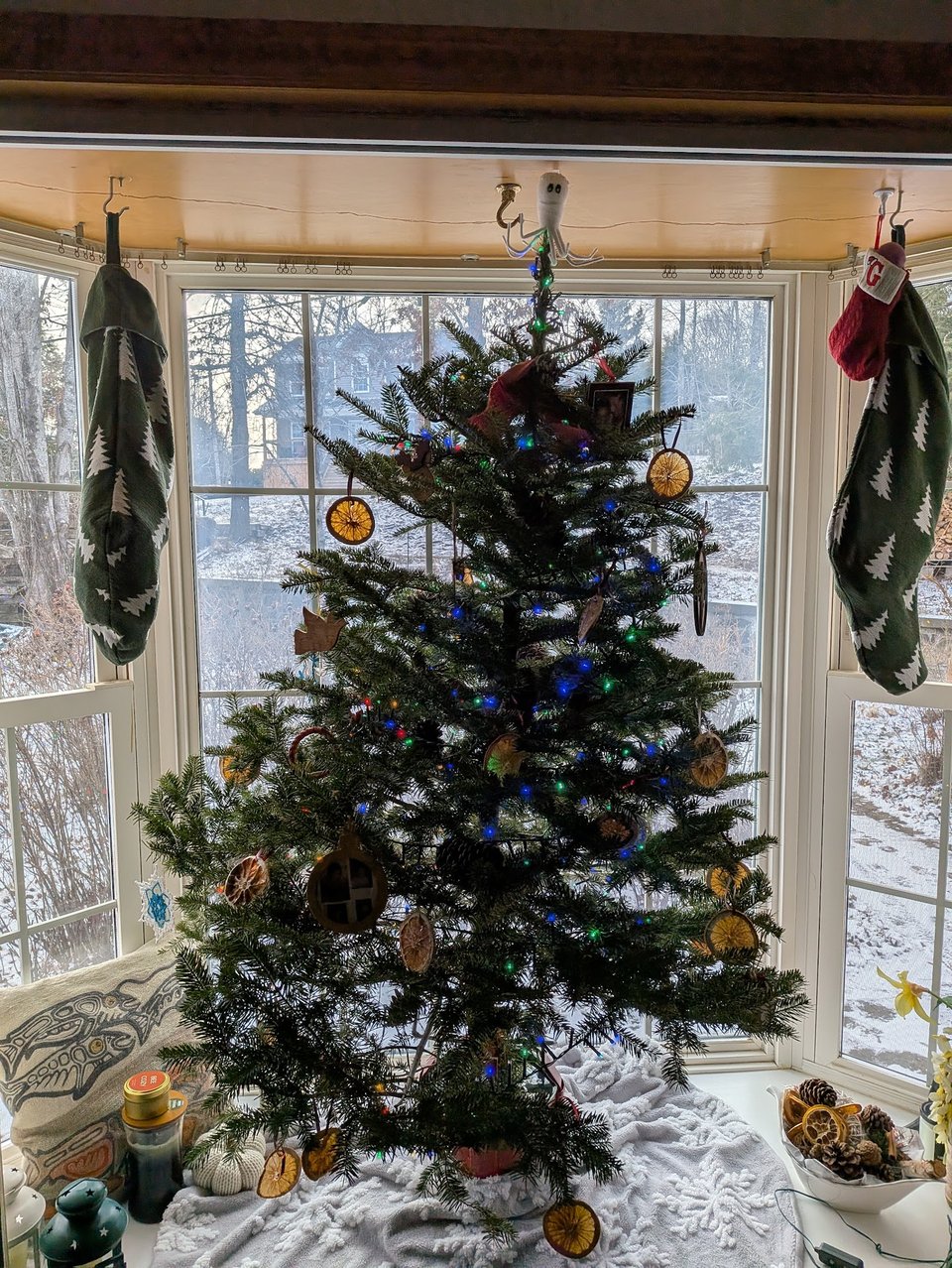
Well, it’s the holidays, but for me, this time of year is not about all the consumerism that goes with it. I’m much more into celebrating winter solstice. I also decorate a five-foot tree every year, which we cut down at a Canada Scouts forest five minutes away. Don’t worry, we have planted many more trees that what we’ve cut down, and the scouts also sustain the forest. I decorate with simple LED lights and natural ornaments, such as orange slices that I dehydrate, pine cones found in the yard, and so on. The tree top is adorned by a little octopus. We have a few other ornaments representing nature and a couple old ones given to us by family. Anyway, the one Christmas-type movie I’ve watched recently is The Chronicles of Narnia: The Lion, the Witch and the Wardrobe. As a kid, I read the book by CS Lewis, but not the whole series, and it’s one of my favorites. I think Lewis knew that putting kids into nature is a great way to expand imagination, care about the natural world, and fight evil that wants to destroy it.
I guess with this interlude about the upcoming holidays, I’d love to share a little cheer in a darkening world. I absolutely need to focus on stories that propel me to continue to be kind (cups of kindness help, too!) and caring, not just to the people in my life but to the natural world. It’s what gets me through.
Flashback
Since I talked about the Dark Mountain project above, here’s my interview with Nick Hunt, who produced Dark Mountain’s Issue 15: In the Age of Fire.
Issue 15 contains stories about extreme heat and devastating fires from Canada and the United States to Sweden and South Africa. When we asked for submissions, we had no idea that people would respond with so many real-life accounts of smoke and flames, but, as you say, this is the reality we’re living in now. People were not writing about fire as a metaphor, but as a terrifying new reality that is changing the face of their world. This book resonated deeply with people all across the world, perhaps in a different way–a more direct way–than we have seen before. There are some incredibly powerful pieces in this issue.
Final year-end roundup on the Appalachian stuff I promised
This year I had various focuses on Appalachia culture and history, where my mother’s family came from. I’m not stopping with this nearly obsessive study as I enter a new year. I can’t wait to get back to those eastern Kentucky hills and hope we can do a family reunion there someday.
Appalachian books read this year:
Happy Land by Dolen Perkins-Valdez
Night Magic by Leigh Ann Henion
Hikers Stories from the Appalachian Trail by Kathryn Fulton
On Troublesome Creek: Stories by James Still
Victuals: An Appalachian Journey with Recipes by Ronni Lundy
Food harvested for Appalachian dishes I grew up with:
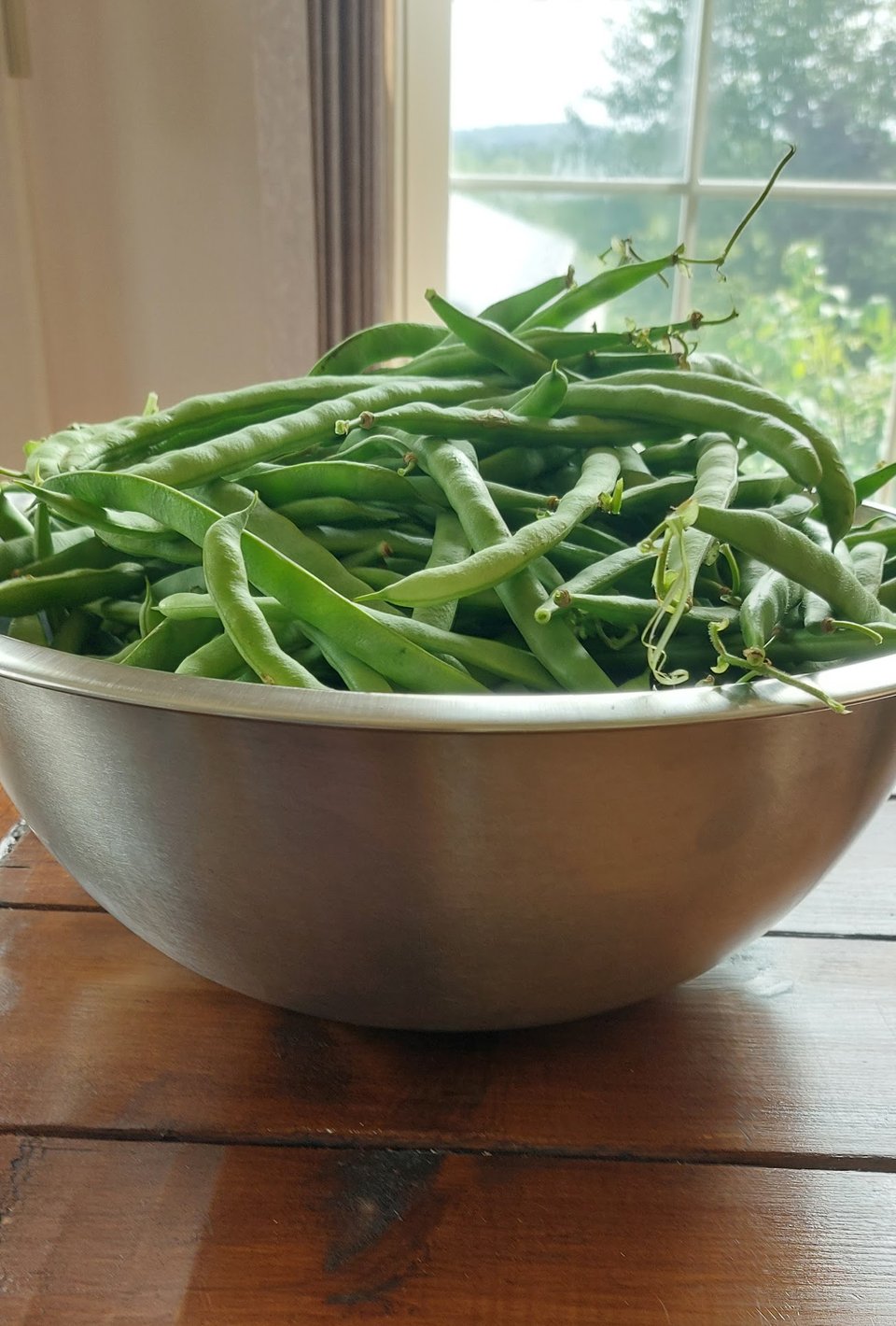
Harvested and dried 40 lbs of beans from our garden and have so far made up two batches of shucky beans
Harvested multiple green tomatoes and mustard/turnip leaves to make fried green tomatoes and greens
Suggested newsletters and sites:
These are just a few of many great people working toward a more sustainable Appalachia. If I’ve missed something, let me know.
Entangled Worlds by N.A. Chapman (my favorite newsletter ever)
Applachian-inspired music:
Note that I’m transitioning from YouTube to Tidal for music, so don’t have links on these because you need a subscription to listen to the whole song.
Moonshines by Owen Riegling (actually a Canadian singing about a holler!)
Rising Appalachia
Most anything by Ralph Stanley
Any bluegrass music
Not Appalachian, but more Mississippi Blues and Irish: The Sinners movie soundtrack
So much more, but this newsletter is long enough!
Resources
LinkTree: Find out more about me
Rewilding Our Stories: A Discord community where you can find resources, reading, and writing fun in fiction that relates strongly to nature and environment
Book recommendations: a growing list of recs
Eco/climate genres: They’re all over the place, and here’s an expanding compendium
Inspiring and informative author quotes from Dragonfly’s interviews
List of ecologically focused games
List of eco/climate films and documentaries
Eco-fiction links and resources
Book database: Database of over 1,100 book posts at Dragonfly.eco
Turning the Tide: The Youngest Generation: Fiction aimed toward children, teens, and young adults
Indie Corner: The occasional highlight of authors who publish independently
World Eco-fiction Series: Climate Change and Beyond: This series travels the planet exploring fictional stories close to natural landscapes and wildlife, often with environmental concerns.
Artists & Climate Change. This site is no longer being updated but still has a wealth of info. I was a core writer for their team, and I’m both honored and grateful. Look for my “Wild Authors” series there.
You just read issue #61 of Dragonfly.eco News. You can also browse the full archives of this newsletter.
