Dirt & Data #1: AI in Agriculture: What's Real, What's Hype
Dirt & Data: Issue #1
Originally published February 19, 2026
Corrected October 8, 2026. This archive now distinguishes research goals from measured results, corrects virtual fencing details, and removes unsupported claims about autonomy and savings. The original issue carried a February 15 draft date.
Welcome to Dirt and Data
Morning. Pull up a chair.
We cut through AI hype to show you what's actually happening in farming. No pitch decks. No buzzwords. What's working, what's not, and what it means for your operation.
If it sounds like BS, we'll say so. Let's get into it.
The Big Story: What Autonomous Tillage Actually Requires
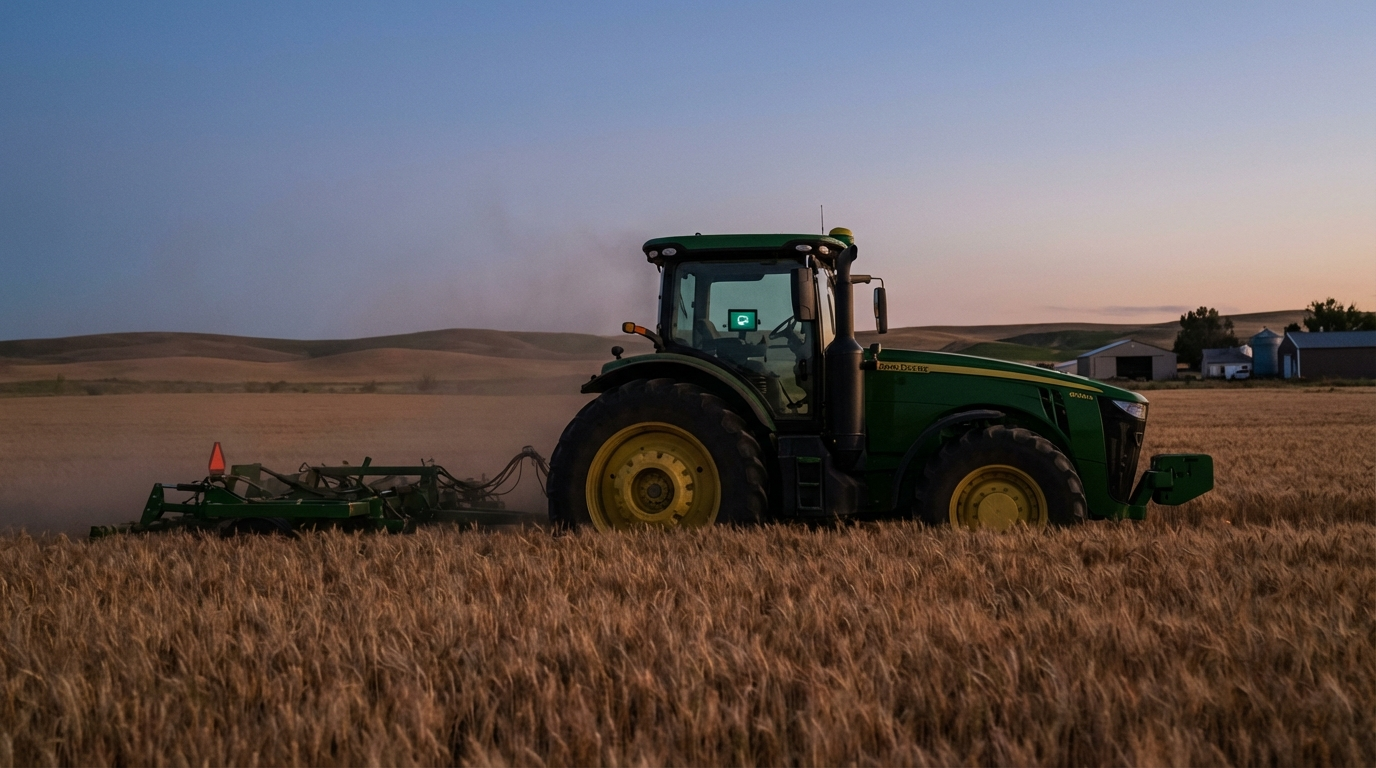
A tractor working without a driver in the cab is a real engineering project. That does not make it a hands-off farm.
Deere describes its autonomous tillage system as cameras and onboard processing paired with remote monitoring through Operations Center Mobile. An operator transports the tractor to the field, configures it, and starts the job. The app provides alerts and live video.
The distinction that matters: autonomy-ready equipment still needs the required perception system and compatible setup before it can operate autonomously. Deere lists eligible tractors, tillage tools, and upgrades, but availability and configuration need a dealer check. A model name alone is not proof that your machine qualifies.
Before pricing one, write down the job you need it to do:
- Which field operation is short of labor, and for how many hours?
- What equipment, communications coverage, and field preparation does the quoted system require?
- Who responds to an obstacle or mechanical alert, and how quickly?
- What is the full annual cost, including the upgrade, service, and operator time?
There is no verified six-figure price estimate or guaranteed labor saving in this article. Get a written quote and compare it with the work your current setup can finish.
3 Quick Hits
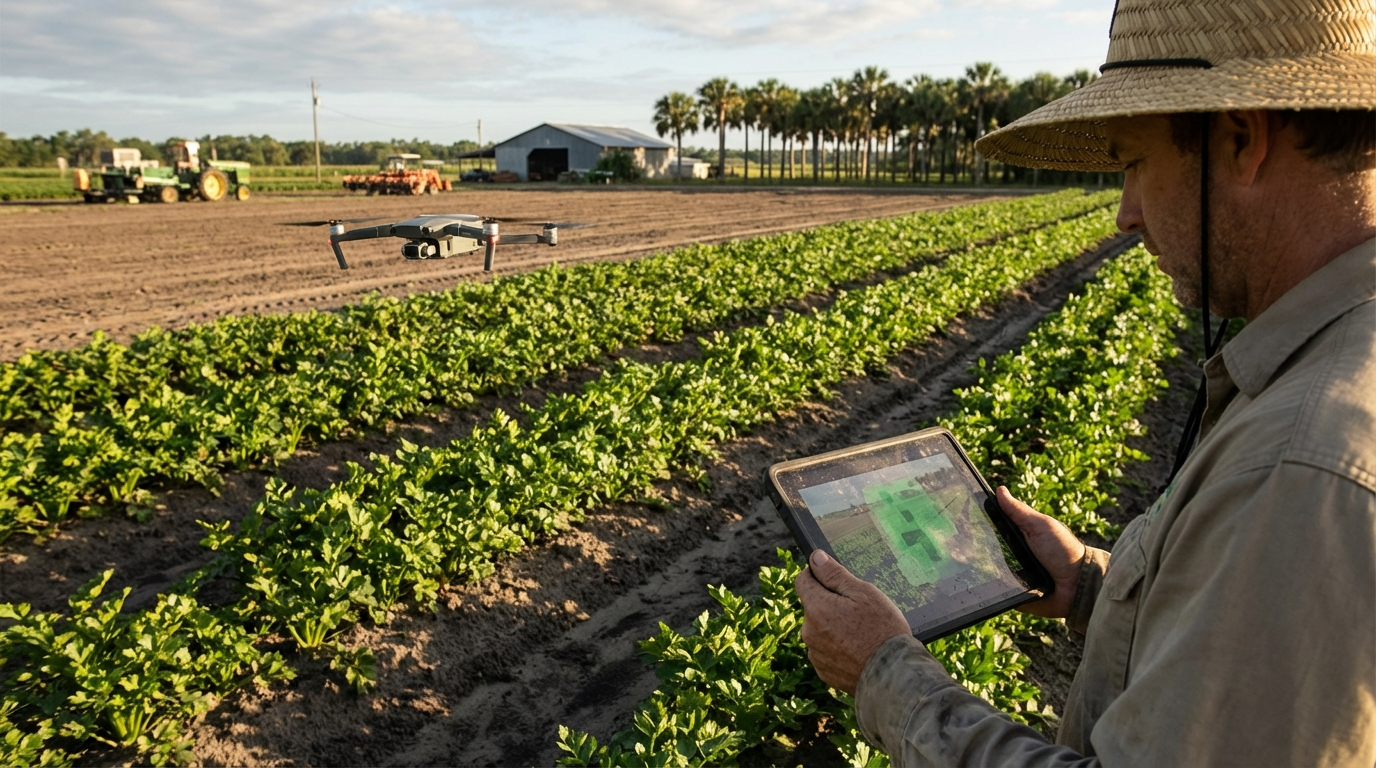
🌱 Can drones find celery disease sooner? The University of Florida announced a research project in January 2026 using drone imagery, weather data, and machine learning to study early detection of celery blight. The aim is better treatment timing and targeting. The announcement did not establish reduced fungicide use or lower losses on commercial farms.
💰 $1 million for Extension workforce projects The Extension Foundation announced five awards in January 2026 through a federally funded agricultural workforce program. The projects cover AI training, credentials, logging, food preservation, and agricultural technology. They are not all AI courses for farmers. Check the individual project for its audience and availability.
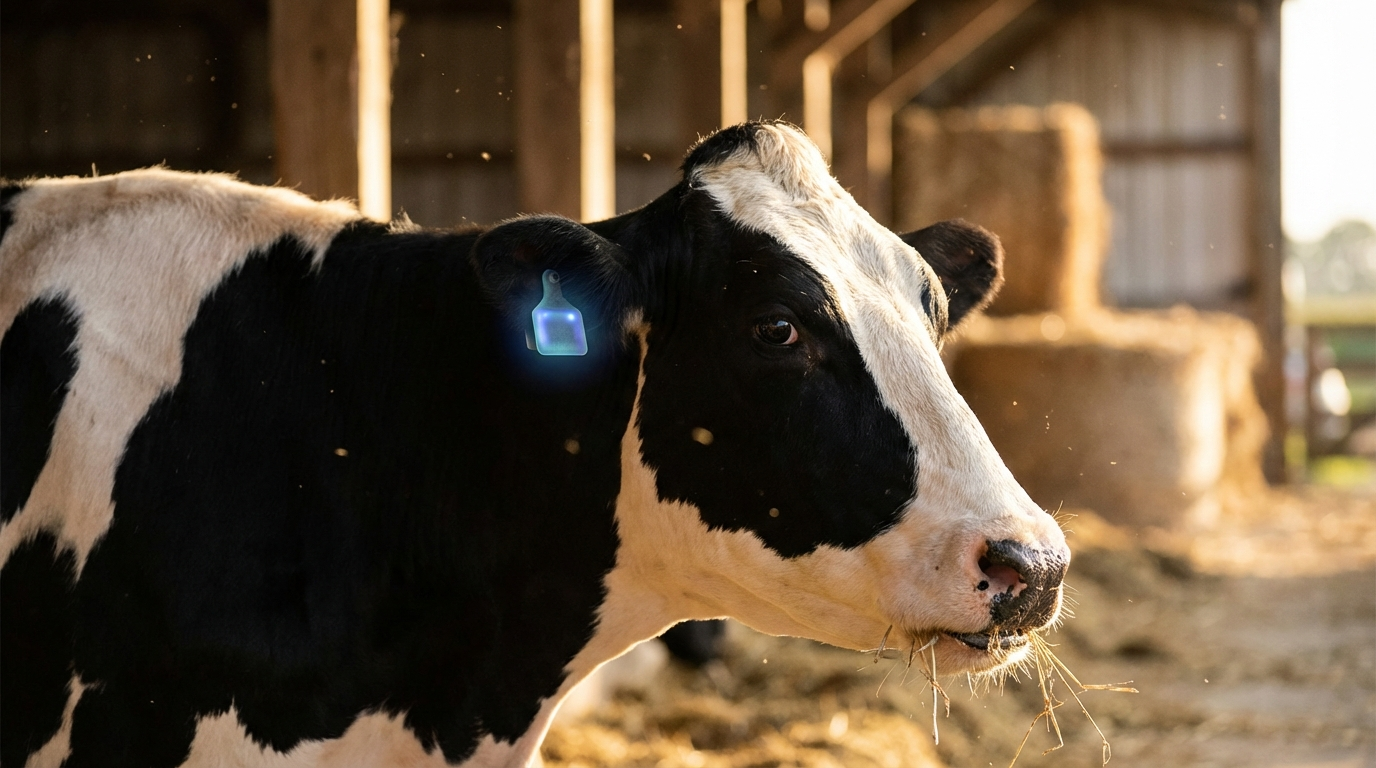
🐄 Cattle sensors need a useful alert, not just a dashboard Wearable sensors and rumen boluses measure different things depending on the device. University of Minnesota Extension describes tools that track behavior and animal condition, and stresses independent validation. Ask what a specific sensor measures, how often its alerts are wrong, and what action follows an alert. Early warning and lower veterinary costs are outcomes to test, not guarantees.
The Old Timer's Corner
Start with the job that is costing you time or money. Driving the tractor and controlling weeds are different jobs. A machine that solves one may do nothing for the other.
Before buying, compare the full cost with a season of measured results. A local demonstration on your crop and ground is more useful than a broad promise about what AI can do.
What to Watch: Virtual Fencing
Virtual fencing uses satellite-positioning collars and a digital boundary. Systems commonly give an audio cue followed by an electrical stimulus if an animal keeps moving past the boundary. The original article incorrectly called this a vibration.
An Oregon State research study tested this approach for keeping cattle out of a burned area. It supports further evaluation, not a promise that every physical fence can disappear. Ask about animal training, collar fit, batteries, communications, and what happens when cattle leave the boundary. Confirm perimeter-fence needs for your operation before changing them.
One Thing to Try
Take one machinery quote and make a short list of questions the seller still needs to answer. An AI assistant can help organize the quote and list missing costs. Give it the actual document and ask it to mark anything the document does not say.
Keep fertilizer timing, pesticide use, and animal treatment decisions with the relevant product instructions and qualified local advisers. A fluent answer is not evidence that the recommendation fits your field.
That's All for This Issue
Thanks for reading. The question for the next tool stays the same: what work does it do, and does the full cost pencil out?
The Dirt & Data Team
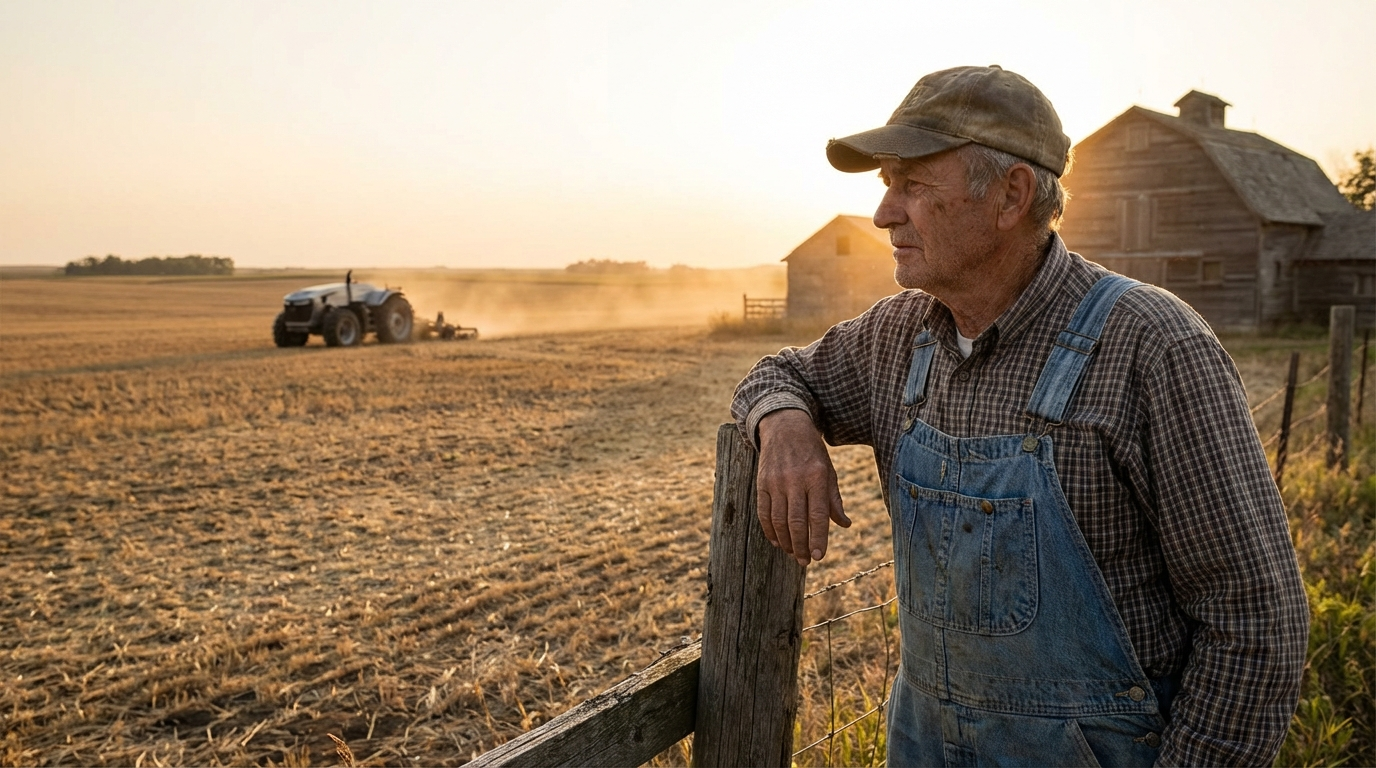
Dirt & Data is an independent newsletter covering AI in agriculture. Written with AI assistance. Images are illustrations, not documentation of the reported trials. Straight talk for people who work the land.
