See & Spray: Deere Reports Nearly 50% Less Non-Residual Herbicide in 2025
Dirt & Data: Issue #2
Originally published March 7, 2026. Corrected October 8, 2026. We clarified vendor-reported results, removed an unverified personal anecdote, and updated product and pricing claims.
Welcome Back
Morning. Coffee's hot, let's get after it.
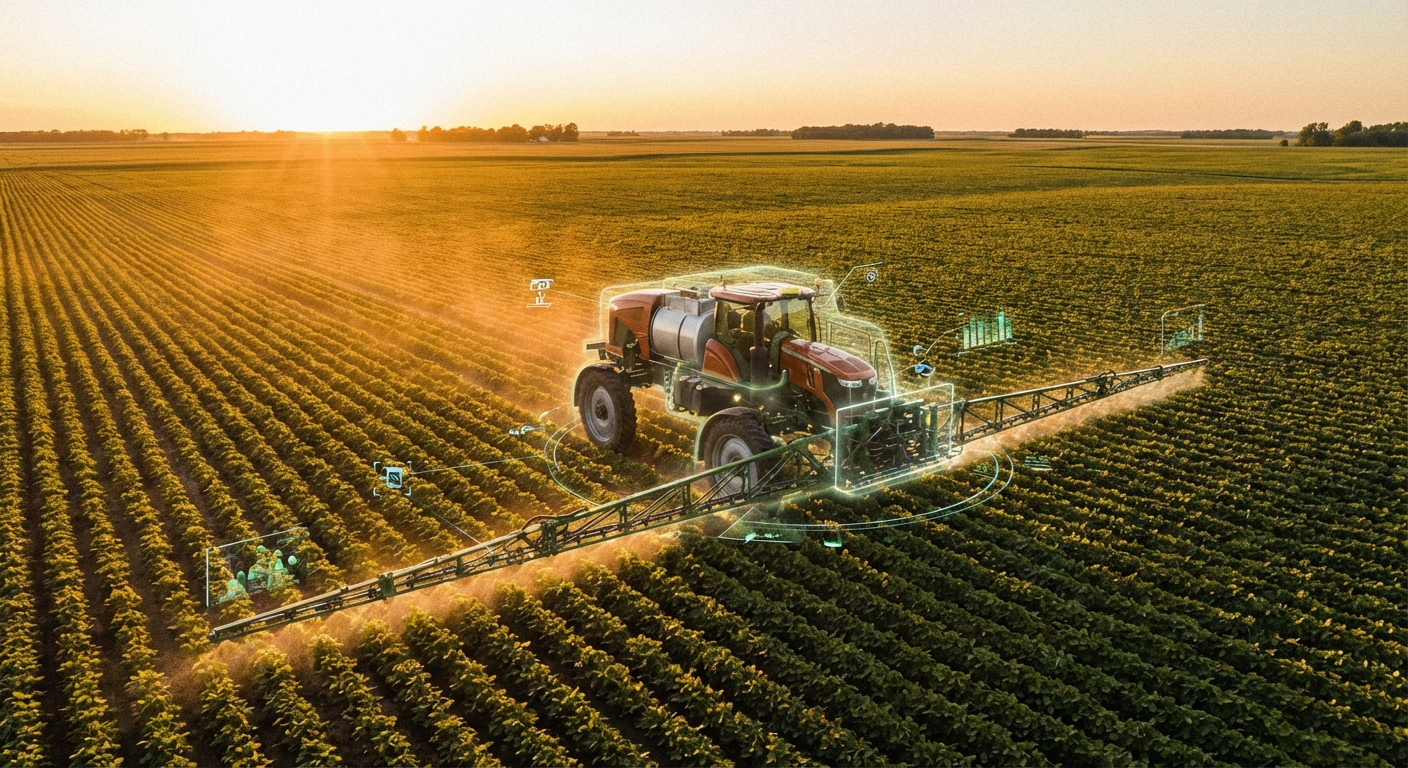
Today we're looking at camera-guided spraying: equipment that detects a target and controls individual nozzles. The question is whether the chemical savings cover the full cost on your farm.
The Big Story: What Deere Reported for 2025
John Deere reported See & Spray use across more than 5 million acres in 2025, with nearly 50% less non-residual herbicide used and about 31 million gallons of herbicide mixture saved. These are company-reported results, not a promise for every field.
The distinction matters. Mixture includes carrier water; 31 million gallons of mixture is not 31 million gallons of herbicide concentrate. And the non-residual reduction is not a claim that the whole herbicide program was cut in half.
How It Works
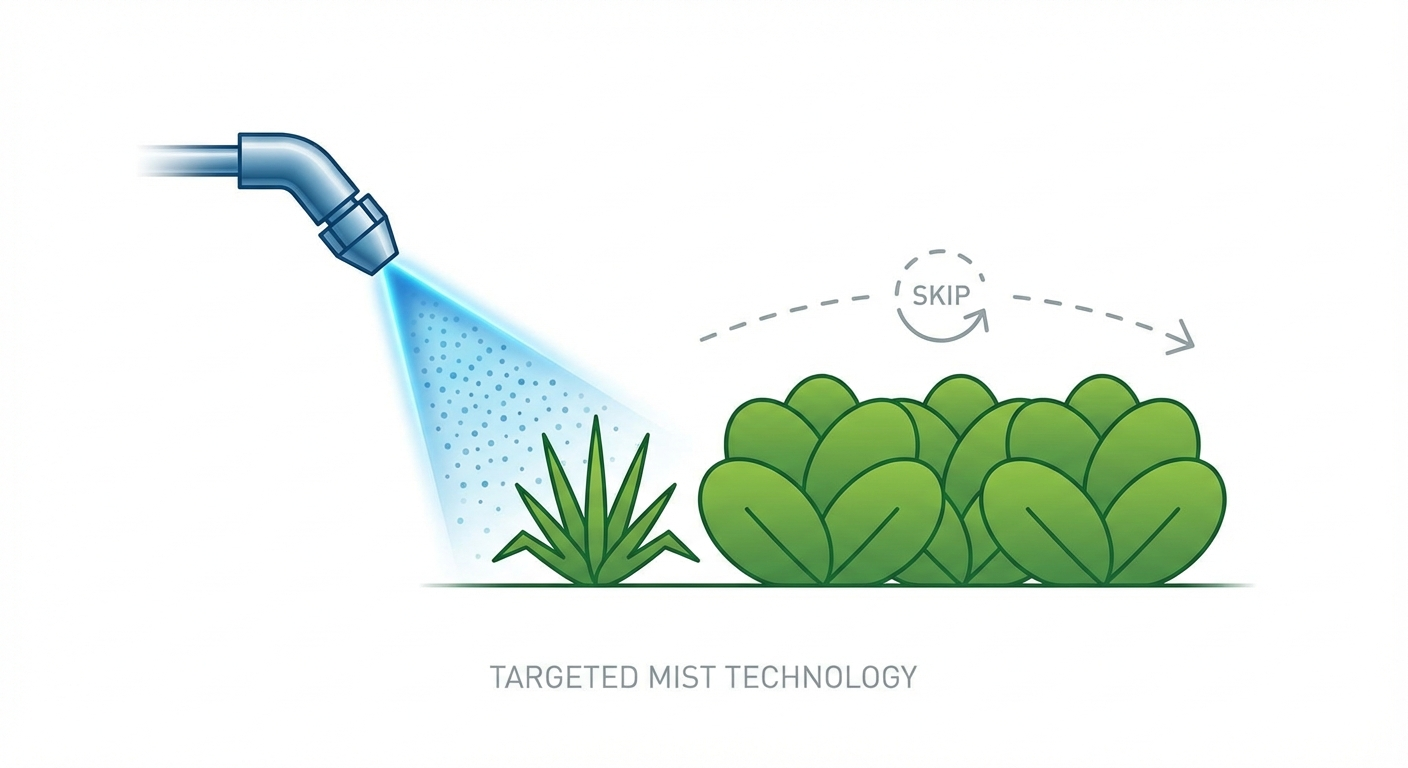
Deere describes See & Spray as a camera-based system that identifies weeds and controls targeted herbicide application on supported crops and configurations. Different versions have different crop and equipment compatibility.
Ask for a demonstration with your crop, weed size, field conditions, and planned spray program. Detection, coverage, and weed control all need to work; a lower volume alone is not success.
What the Yield Claim Does and Does Not Say
Deere's current product page reports a two-bushel-per-acre soybean yield increase in trials compared with broadcast application, and links to a Beck's study. This article has not independently reproduced that result. The earlier seven-state description and 4.8-bushel claim could not be confirmed from an accessible study report and have been removed.
For scale only: 1,000 acres × 2 bushels × $12 per bushel = $24,000 in gross revenue. That is a hypothetical calculation. It assumes the yield gain occurs, fixes the selling price, and excludes equipment, license, service, and other costs. It is not a measured profit increase for your farm.
Get the Current Price in Writing
The original $1-per-acre fallow and $5-per-acre in-crop summary should not be used as a current quote. As checked October 8, 2026, Deere advertises no additional charge for fallow passes on See & Spray-equipped sprayers. That does not make the equipment or every other use free.
Get a written quote covering hardware, eligible applications, licenses, service, and any savings-guarantee conditions. Model a low-savings season as well as the seller's example.
What Is Changing
Deere's current Gen 2 page lists broader crop coverage, including wheat, barley, canola, peanuts, and sugar beets. Verify the exact machine, option, and availability in the quote. The original claim of four-times-better weed detection accuracy was unsupported and has been removed.
3 Quick Hits
🌿 Laser weeding is a different cost calculation Carbon Robotics sells camera-guided laser weeders. Its product specifications describe particular models, not a universal weeds-per-hour result. Compare acres completed, crop compatibility, maintenance, and total cost. The old article's financing headline was stale. Organic production has rules for allowed and prohibited substances; the claim that organic farms cannot spray anything was wrong.
📊 Dicamba rules still govern the application The Environmental Protection Agency announced a time-limited over-the-top dicamba registration in February 2026 with application restrictions. Targeted spraying does not waive the product label, applicable state rules, or required safeguards. Confirm the rules for the exact product and location before use.
🤖 Blue River was acquired in 2017 Deere documents its 2017 acquisition of Blue River Technology. The original tenth-anniversary headline was incorrect. The more useful question is what the current system can prove on your fields.
The Old Timer's Corner
The earlier version described a conversation with a neighbor named Earl. We could not substantiate that anecdote and have removed it.
The practical point stands on its own: look at the field before choosing the tool. Weed control needs a plan that fits the crop, weed pressure, and label. A camera is one part of that plan.
Track weed escapes and later control costs alongside the chemical bill. Make sure the pencil works before signing the papers.
One Thing to Try
Use a field photo to start a diagnosis, then check it with a qualified local adviser. Plantix publishes an Android download for crop diagnosis; the original promise of an iPhone version was not supported by its official download page. Do not treat an app's suggested diagnosis as permission to apply a pesticide.
That's All for Today
Targeted spraying is worth measuring against your current program. Compare total cost, weed control, and crop results on the same basis. Vendor averages can start the conversation; your field results decide whether the investment pays.
The Dirt & Data Team
Dirt & Data is an independent newsletter covering AI in agriculture. Written with AI assistance. Images are illustrations, not documentation of the reported trials. Straight talk for people who work the land.
