6 Tips for Picking the Best Diesel Injection Cleaner Easily
Struggling to choose a diesel injection cleaner? Follow these 6 simple tips to protect your engine and boost performance easily.
Every diesel engine relies on precision. Fuel injectors deliver exact amounts of diesel at exact moments, and even tiny deposits inside them can throw that precision off balance. Over time, carbon build-up, grime, and low-quality fuel residue can clog injectors, reduce power, and increase fuel consumption. A good diesel injection cleaner helps reverse this damage, but with so many products on shelves and online stores, choosing the right one isn't always straightforward. This guide breaks down six practical tips to help you pick a diesel injection cleaner that actually delivers results, without wasting money on products that don't suit your engine.
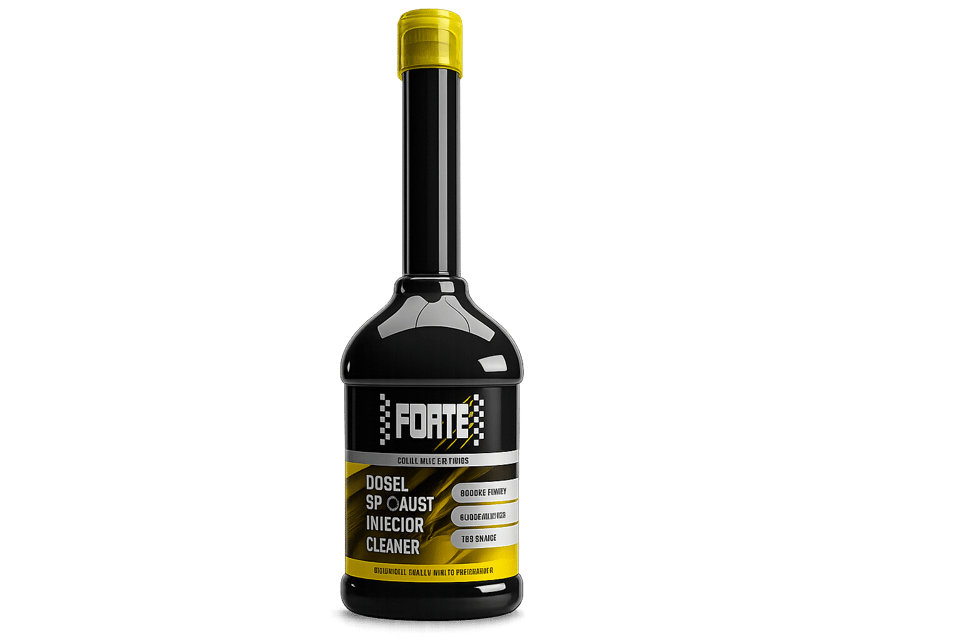
1. Check the Cleaner's Compatibility With Your Engine Type
Not every diesel injection cleaner works the same way across all engine types. Older diesel engines with mechanical injection systems often tolerate a wider range of additives, while modern common-rail engines are far more sensitive to formulation quality. Using an unsuitable product can lead to poor results or, in rare cases, unwanted side effects within the fuel system. That's why checking the label for engine compatibility should always be your first step before adding anything to your tank.
If you're unsure where to start, it helps to browse a supplier that specialises in this category rather than picking blindly from a general shelf. Trade Shop UK offers diesel system cleaning products designed with different diesel engine types in mind, making it easier to match a cleaner to your vehicle rather than guessing. Taking a few extra minutes here can save you from a mismatched product later.
2. Look for Ingredients That Target Injector Deposits
The effectiveness of a diesel injection cleaner comes down to its formulation. Look for products that specifically mention breaking down carbon deposits, gum, and varnish build-up on injector nozzles, since these are the main culprits behind rough idling and reduced fuel efficiency. Cleaners with detergent additives tend to dissolve these deposits gradually rather than stripping them all at once, which is gentler on ageing seals and internal components.
It's also worth checking whether the product addresses the whole fuel system rather than injectors alone. Some cleaners work broadly across fuel lines, pumps, and combustion chambers, offering a more complete clean in a single treatment. Reading the ingredient description, rather than relying solely on marketing claims on the front label, gives a clearer picture of what the product can realistically achieve for your engine.
3. Consider the Cleaning Method: Additive vs Professional Service
Diesel injection cleaning generally falls into two categories: pour-in additives you add directly to your fuel tank, or professional cleaning services carried out at a garage using specialised equipment. Additives are convenient, affordable, and suited to routine maintenance, especially if you drive regularly and want to prevent build-up before it becomes a problem.
Professional cleaning, on the other hand, is typically recommended when symptoms like poor acceleration, rough starts, or increased smoke are already noticeable. It tends to be more thorough since it directly flushes the injection system rather than relying on gradual dissolution through normal driving. Deciding between the two often comes down to whether you're maintaining a healthy engine or addressing an existing issue that needs a stronger, more immediate solution.
4. Check for DPF and Turbo Safety
Many modern diesel vehicles come fitted with a diesel particulate filter (DPF) and a turbocharger, both of which can be sensitive to certain chemical additives. Before choosing a cleaner, confirm that it's explicitly labelled as safe for use with these components. A product that isn't formulated with this in mind could contribute to residue build-up in the DPF or affect turbo performance over time.
This is particularly important for hybrid diesel vehicles or newer models with tighter emissions systems, where even small chemical imbalances can trigger warning lights or reduced performance. Manufacturers that test their formulas against DPF and turbo compatibility usually state this clearly on the packaging, so it shouldn't require guesswork. When in doubt, checking your vehicle's handbook alongside the product description is a sensible extra step.
5. Read Reviews and Check Brand Reputation
Marketing language on a bottle can only tell you so much, which is why real-world feedback matters. Genuine customer reviews often reveal how a product performs over multiple uses, whether it noticeably improves fuel economy, and whether any drivers experienced issues after use. Patterns across several reviews are far more telling than a single glowing or negative comment.
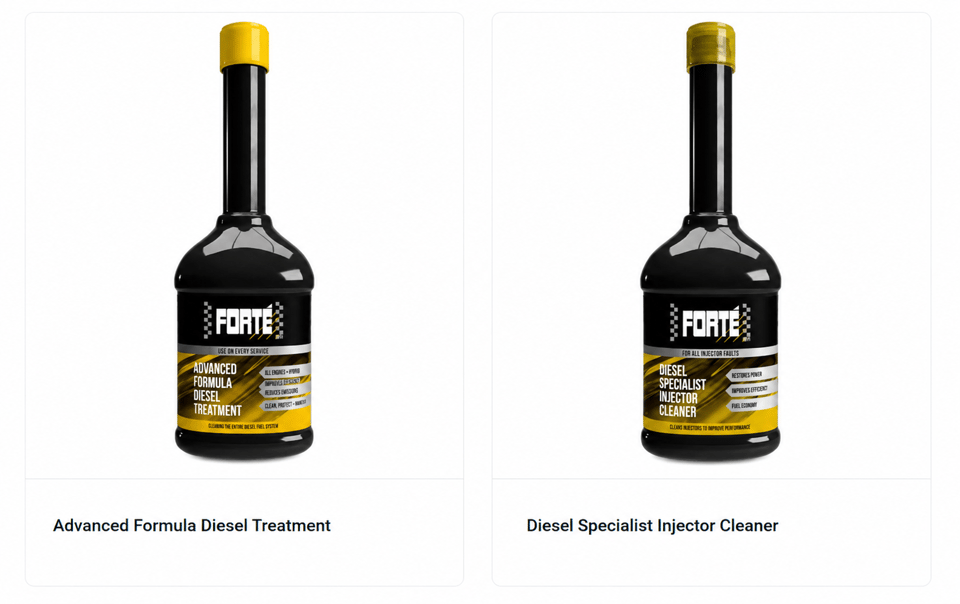
Brand reputation also plays a meaningful role, since established manufacturers with a long history in fuel additives generally have more rigorous testing behind their formulas. This doesn't mean newer brands are automatically inferior, but it does mean a little research into how long a company has been producing diesel-specific products can help you make a more confident choice, rather than picking based on packaging alone.
6. Pick the Right Size and Frequency of Use
Diesel injection cleaners are usually designed for either a single "one-tank" treatment or periodic maintenance use, and picking the correct format depends on your driving habits. If you drive frequently and want to prevent deposits from building up in the first place, a smaller bottle used every few thousand miles as part of routine maintenance often works well. If your engine is already showing signs of reduced performance, a stronger, single-use treatment may be more appropriate.
Pay attention to the recommended fuel-to-treatment ratio on the packaging, since using too little dilutes the cleaning effect while using too much isn't necessarily more effective. Following the manufacturer's guidance ensures you get consistent results without overspending on frequent top-ups that your engine doesn't actually need.
Conclusion
Choosing the right diesel injection cleaner doesn't have to be complicated once you know what to look for. Paying attention to engine compatibility, ingredient quality, DPF and turbo safety, and genuine user feedback will steer you toward a product that actually protects your engine rather than just promising to. Whether you opt for routine additive use or a more thorough professional clean, the goal remains the same: keeping your diesel engine running smoothly, efficiently, and with fewer costly repairs down the line. A little research before you buy goes a long way toward long-term engine health.