Compliment Fading
2026-06-03
Welcome to the Past Lives Series, where I take you through the archives of this newsletter and my life. Each Wednesday in June, I'll share an old newsletter with some notes and edits.
Today, for Part I, is an essay I wrote in 2023 about when I was a newspage designer. I worked in a big newsroom in Phoenix, when I was still in college, for 12 formative months. As I re-read it, I cut excess and take more control of my declarative sentences. I add in specifics and take out some lyrical nonsense that wasn't working. When I wrote the essay in 2023, I was close to writing about food directly but not quite there yet. Reflecting about my newsroom time was part of how I got more clear about where I wanted to put my writing energy.
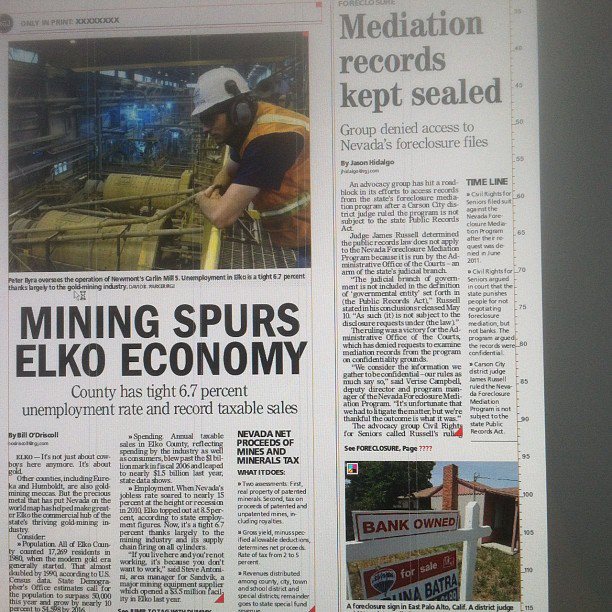
Today I’m going to tell you the story of a compliment I received that, at the time, I thought was the highest praise and examine why I thought it was so fucking great. I’ve been thinking about an old compliment, trying to remember the words exactly, since I read Cameron Steele’s wide-ranging and beautiful essay Find other heroes. Cameron’s description of “the despair of newsrooms” brought me back to the rolling chair, giant iMac, and coursing anxiety and pleasure of my Gannett DesignStudio desk.
I grew up in an ingredient household and would flip through the pages of my dessert cookbooks, eating chocolate chips, sugar and butter mixed with chopped pecans, or the ever-present almonds. I imagined going to culinary school or the English department after high school.
Then my cautious pragmatic self took over – thinking I could control things – and decided culinary school was too competitive and an English degree wasn’t useful enough. I was self-aware to the point of no return, unnerved by my procrastination and introversion. I didn’t want to get lost in cutthroat kitchens or in writing an unending novel.
Journalism school showed me that I could be bold. Interviewing strangers and asking them questions they didn’t want to answer. I learned that working on a deadline is a certain kind of joy.
In the last year of my degree, I got a job at the newspaper a few blocks away as a newspage designer. A fleet of other young journalists designed our conglomerate employer’s daily papers scooped up from Reno, NV, Fort Collins, CO, St. George, UT, and elsewhere.
There I was, part of the newest generation of journalists taking the jobs of old white guys who’d been writing, editing, and designing the local paper for twenty to forty years. I remember toiling on the phone with an older man who used to do my job. I had messed something up, and he was trying to explain it — he could no longer fix it because I had the design tools. He was kind, but the frustration was thick, and I was drowning in newness.
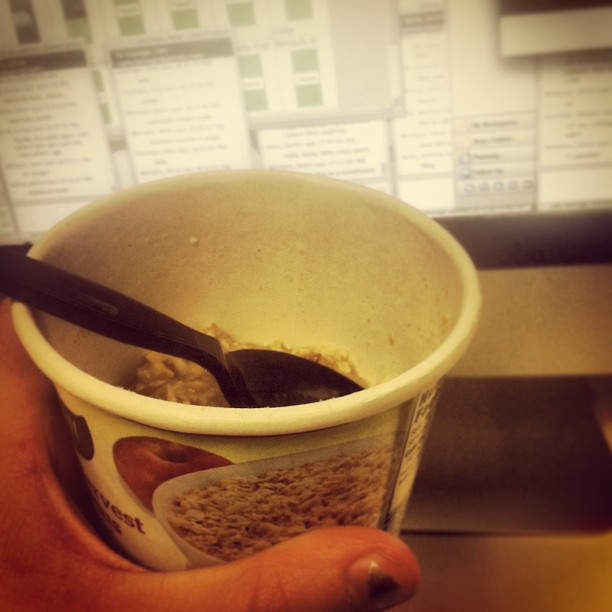
There we all were, eating At the DesignStudio, we ate cake together each time someone went on to another job at different paper or, more frequently, a shiny marketing agency. Eating cake together until The departures got so frequent our boss consolidated it into one cake day a month to celebrate the two to four people leaving. I didn’t want to leave.
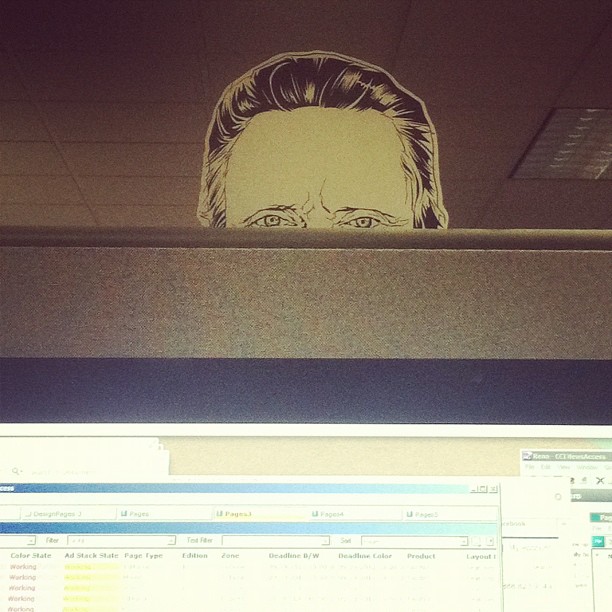
A newsroom veteran, an older white guy who towered over everyone else and sat through editorial meetings with an air of consigned martyrdom, told me six months into the job, “You’re good in the scramble, kid.” This man was not one to compliment people. Staying out of his way and his wrath felt like praise enough, but when he told me this, I felt vindicated. Felt like I’d become who I was trying to be by going into journalism. I stayed calm under pressure. I sailed on the high of the banter and pace of the newsroom, the conversations coursing and pulsating in the chat as we churned out papers for places far away. I was good in the scramble.
I worked there for twelve months, but at the newsroom’s resignation rate, it felt like years. By the time I left, I was one of the more senior of my peers, with so many already fleeing.
The compliment happened ten 13 years ago, and I’ve had time to wonder at my younger self. Was I too quick to mold shape myself to the shape of the world by choosing journalism? What exactly was I seeking in the praise of older men, and did I really find it? Was it ambition or self-loathing that brought me to journalism? I carry skills with me from that time, and I’m also seeking something very different now.
A few weeks ago, I read Natalia Ginzburg’s essay My Vocation (in her collection The Little Virtues) about her life as a writer. “Irony and nastiness seemed to be very important weapons in my hands; I thought they would help me write like a man, because at that time I wanted terribly to write like a man and I had a horror of anyone realizing from what I wrote that I was a woman.”
In journalism school and my newsroom job, I had a horror of anyone realizing I was a young woman, so full of feelings and longing woefully inexperienced. Proving myself to be sharp, cool, and tough fueled me. The esteem of the men who were my bosses, and the few women bosses who treated me sharply, coolly, and were never-endingly tough, was so important to me. I wanted to not be seen as feminine, although I was always aware they knew I was a white, straight woman.
Later, Natalia writes, “Now I no longer wanted to write like a man, because I had had children and I thought I knew a great many things about tomato sauce and even if I didn’t put them into my story it helped my vocation that I knew them; in a strange remote way these things also helped my vocation.”
Every writer can find their reasons for writing as themselves. I don’t believe you need to have children to begin embracing writing as yourself, although Having my son within a year of leaving the newsroom complicated and opened things up for me. Beginning to believe that the “great many things about tomato sauce” (or this or that) mattered was the start of looking at the compliment differently. Being “good in the scramble” could only get me so far. because “the scramble” was a place with limits and rules where I couldn’t thrive as my full self.
Thank you for reading this newsletter while it traipses through the past! Subscribe or forward this email to a friend to support me in the present.
Subscribe nowBecome a Patron of Good Enough
All readers enjoy the same newsletter, but as a Patron you support the work that goes into creating TGEW and get access to premium features that offer additional engagement for those who want more.
Premium features include:
A semi-weekly chat on the Tomato Tomato Discord - on most Wednesdays at about noon PST (link below the paywall)
Special offers on my zines, workshops, and office hours
The full archive
Infrequent personal behind-the-scenes updates
Don't miss what's next. Subscribe to Devin K Pope's Newsletter: