
The Angry Lady Support Group.
Ryan Murphy took an axe and gave his subject forty whacks. When we heard what he had done, we...watched something else.
Ten days adrift at sea today
Who’ll be the last man?
The widows weep at home and pray that
Theirs will be the last man
A hunger creeps for men asleep
And when I wake I bare my teeth
The blood and bile, o’er deck they seep
For I become the last man, for I become the last man.
~ Widow’s Bay (2026)
All thoughts of summer are well behind us here at Chez Demchuk, as the months-long drizzle has set in, the mercury is plunging in the old thermometer, and the 100km gusts are scraping away at the rocky shore. Welcome back to the Sunday Scaries.
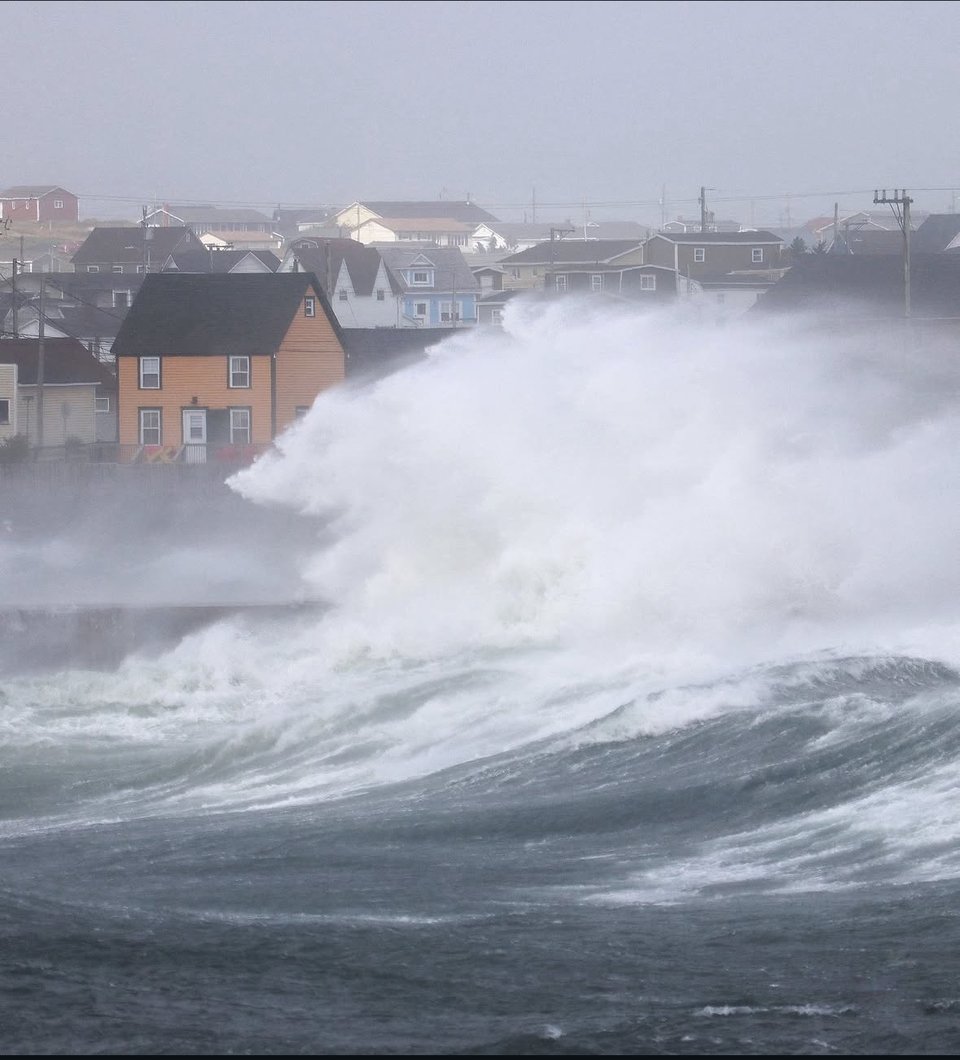
(photo by Mark Grey / @mixolydian74 on IG)
True crime has grown into a massive, if disquieting, component of the entertainment industry, and provokes strong reactions even if the crimes it explores are hundreds of years in the past. A British historian understandably taking umbrage with an upcoming Netflix drama by Ryan Murphy (ugh) about Lizzie Borden offered an opinion in The Guardian today about “society’s disproportionate obsession with women who kill,” and more broadly with “our culture’s unhelpful obsession with female rage.” Whether because of the limited word count or a heavy editorial hand, the piece abruptly ends just as it starts to get going, and the writer seems to be in a grump over the fairly obvious answers she herself provides to the rhetorical questions she asks. Why does society try to explain, excuse or justify women’s crimes by attributing them rightly or wrongly to ‘female rage’? Could it be that women have a lot to be angry about in societies and cultures the world over, and that these tales are a platform for exploring their plights and grievances? Many of these stories, especially those of decades and centuries past, are of women whose gender and sexual expression, reproductive freedom, bodily autonomy and personal safety are curtailed or compromised to an intolerable and life-threatening point, leading an observer to ask if the violent outcome was somehow justified. Should we not be exploring these topics and asking these questions? Acknowledging these aspects of a crime does not necessarily deny or mitigate the agency of the criminal. In some cases, I’d argue this perception of agency on the part of the accused is what is being punished. “Very often a female perpetrator of a violent crime will also trigger or become the face of wider societal debates about crime, punishment, justice and womanhood.” I agree this is a grim burden to be borne, to be both an actual person trying to navigate an unjust justice system and the unwitting symbol of a catalogue of social ills. This seems to be an unfortunate by-product of the relative rarity of violent crimes committed by women, and a desire to assign more complex motivations for these crimes where none may exist. It does seem that violent men are afforded more privacy than women in this regard, perhaps because their crimes are understood to be more mundane and predictable, and symbolic of nothing in particular. In fact, the sordid details of men’s motivations are often withheld from publication entirely unless they are exceptionally lurid and tailor-made for click-harvesting. The author follows her critique with a list of relatively obscure female killers, reigniting attention to them even as she appears to scorn those who pursue the sensationalism of personal tragedy for entertainment. I note without comment that the author has a historical true-crime podcast of her own. I am a longtime fan of female rage narratives personally, so I have pulled together a few favourites for a blustery fall afternoon.
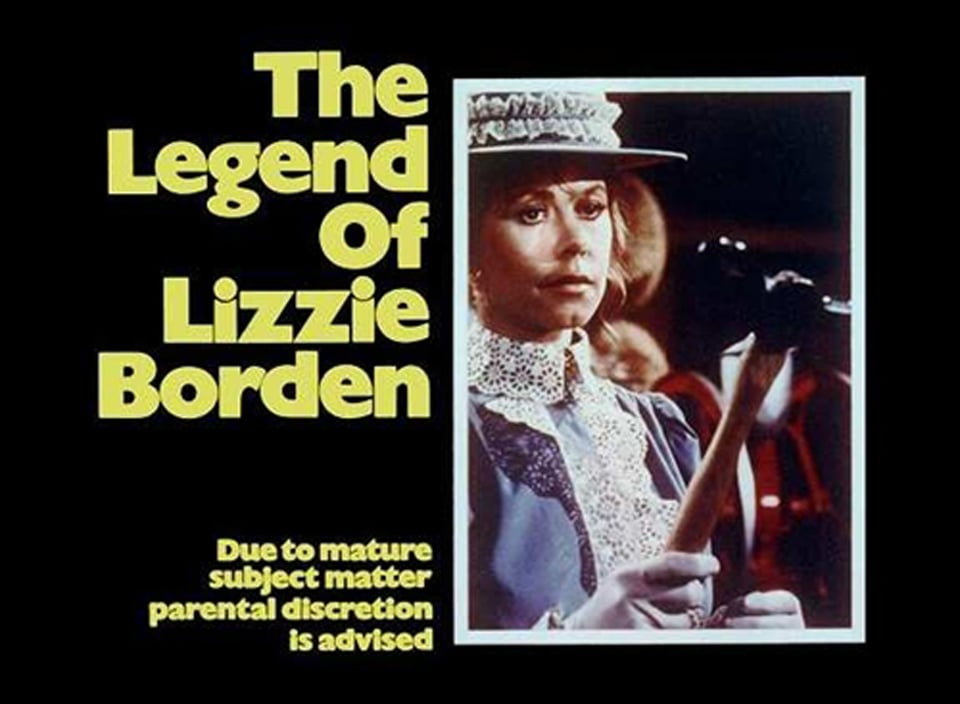
Despite its premise rejecting the acquittal of its lead character, The Legend of Lizzie Borden (1975), a surprisingly graphic TV-movie for its time, remains the most accurate rendering of the Lizzie Borden story. It hews close to court documents, journalistic reports and police evidence, while providing a plausible explanation of how the crimes may have been committed. Elizabeth Montgomery sheds her innocent image as well as her clothes in this electric performance. Watch here.
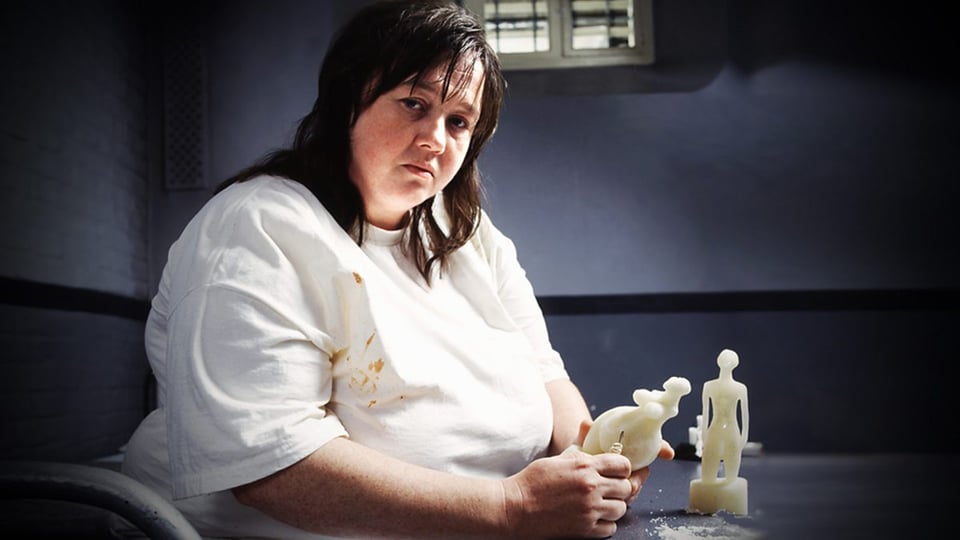
The Sculptress (1996), based on the blockbuster thriller by queen of crime Minette Walters, is a suspenseful three-hour miniseries centred around an indelible performance by Pauline Quirke as Olive Martin, imprisoned for the gruesome murders of her sister and mother. A journalist hired to write about the case interviews Olive about the murders and slowly comes to realize that she may have sacrificed her freedom to conceal the identity of the actual killer. A major inspiration for The Butcher’s Daughter. Watch here.
white sailors...”
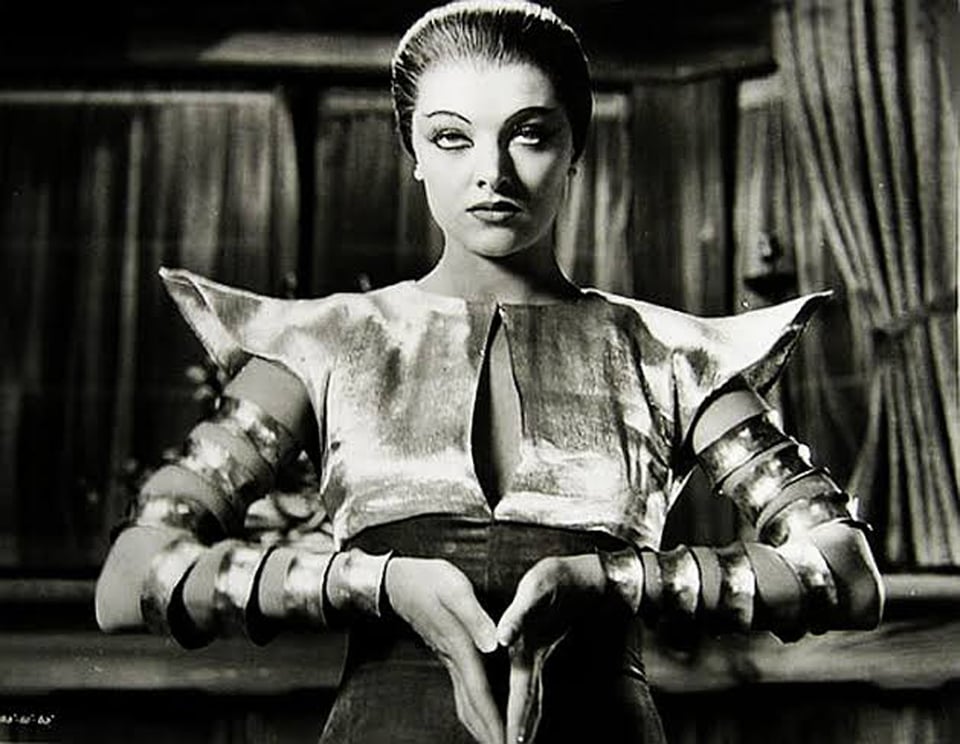
If you’ve not seen the wild hour-long pre-Code proto-slasher Thirteen Women, starring Myrna Loy as a half-caste Indian woman (!) who assists a sinister swami (!) and murders her former schoolmates via horoscope (!), let this be the message that the stars have aligned! Problematic? Oh hell yes. Insane? Absolutely. Regrettably the film only has eight women as far as I could tell, as several characters from the exceedingly trashy source novel by Tiffany Thayer had to be cut. But those who are left are put through the wringer. Loy’s climactic confrontation with Irene Dunn is scathing in its depiction of racism and hints of child sexual assault and prostitution.
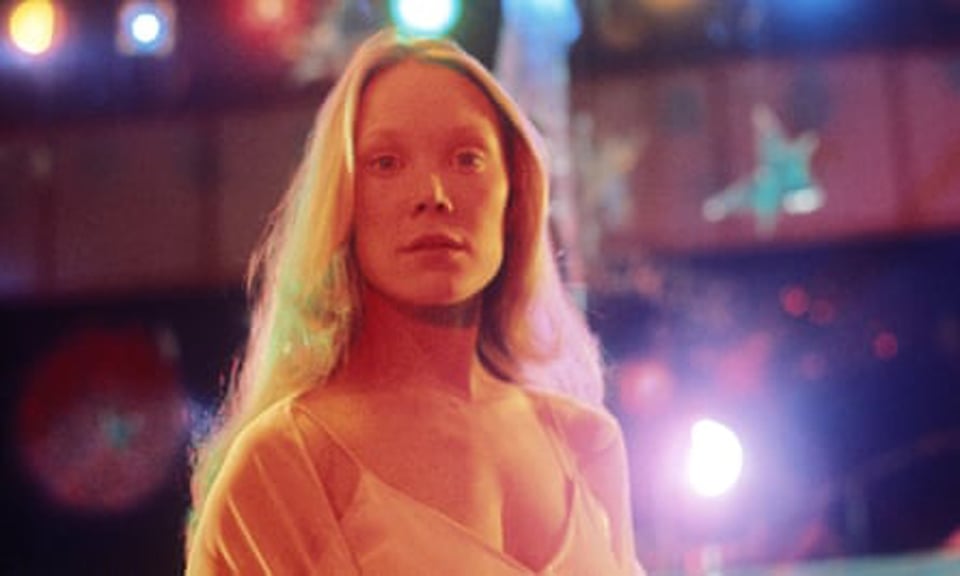
Has there ever been a more maligned and misunderstood high school mass murderer than Carrie (1976)? Bullied at school, abused at home, her final humiliation grotesquely linked to her ignorance about her changing body and to the alienation and loathing that all of her peers feel about women’s physicality and sexuality and nonconformity. Is it any wonder that when she realizes what has been done to her, when she realizes everything that has been done to her, when she was only trying to live, that she locks in and embraces her power and systematically takes out every single person, guilty and innocent, that she lays her eyes on? And then makes her way home to deliver the martyrdom that her mother so dearly yearns for, then brings the house down around them? That cross in the centre of the smouldering ruins of her house in Sue Snell’s dream should have read Justice for Carrie White.
Don’t speak to me about the Flanagan series. This does not exist in this house.
Subscribe nowThis Week in Horror: I am learning how to become a DJ. Everyone is becoming a DJ now. The DJ industrial complex has reached saturation point. This public health crisis has become widespread in the western world. All that aside, I am enjoying the admittedly steep learning curve (much of it technical and organizational) and am being brought back to the music of my youth which is at times an incredibly moving experience, especially for someone with so many dead friends. (Shedding tears to Hazell Dean singing ‘They Say It’s Gonna Rain’? Couldn’t be me.) I am aiming to spring for a controller by Christmas, to release a few things on Soundcloud and Mixcloud, and then hop on the decks somewhere in the spring. Be warned!
Cool Story, Bro: Legendary creative non-fiction writer Annie Dillard died this week. A brilliant chronicler of the intersection between the natural world and the spiritual, her effect on me and my work has been profound, from Pilgrim at Tinker’s Creek to Holy the Firm to Teaching a Stone to Talk. Alexander Chee wrote a wonderful essay in 2009 about the experience of being her student.
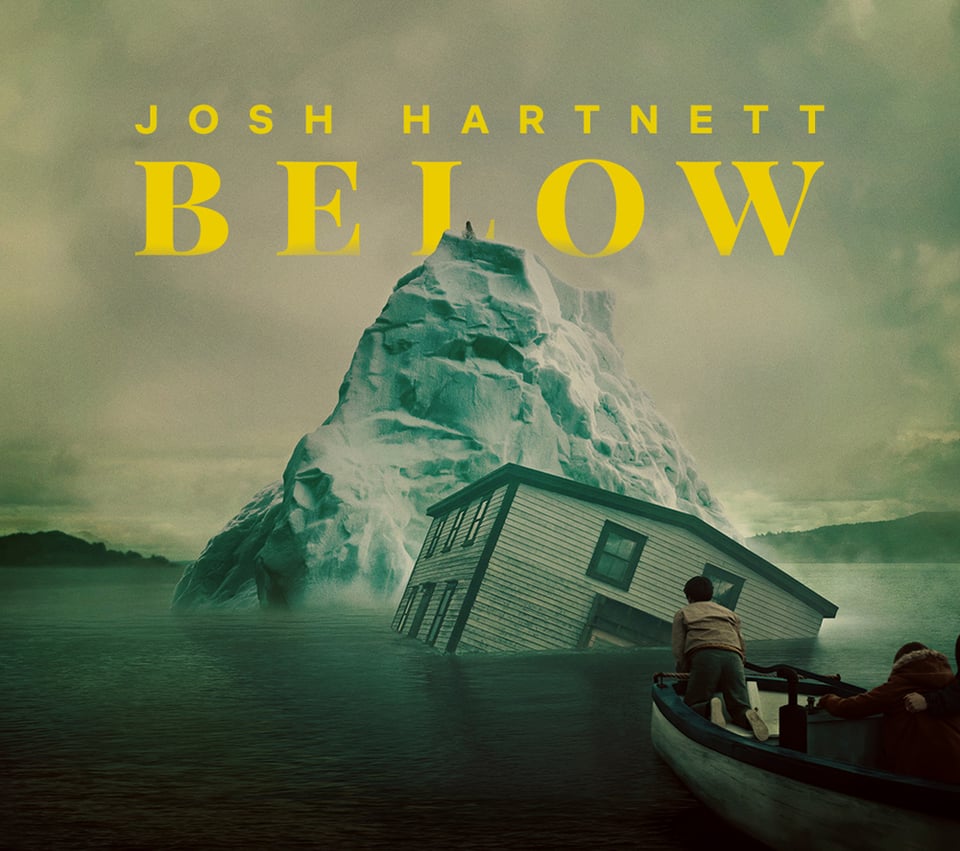
Now watching (well, soon watching): I was elated when Widow’s Bay won 14 Emmy Awards out of its 19 nominations, but it’s too soon for me to dive in for a third time. The good news is that the Stephen Dunn-directed and Karen Walton-penned Netflix series Below is on its way October 8. Newfoundlanders everywhere are rejoicing! Best use of Gordon Lightfoot in a trailer probably ever.
That’s about it for this edition. Wish me and Corinne luck as The Butcher’s Daughter is longlisted for the Killick Capital Fiction Prize here in Newfoundland. The shortlist is announced October 2 and the winner announced perilously close to Hallowe’en. Is it a sign? Let the stars be in our favour!

