
Formative films: Les Ordres
A government declares martial law, isolates a city, abducts its citizens and imprisons them for weeks without charge? It happened in Canada! Welcome back to the Sunday Scaries.
“Be careful what you do...because this hotel was built over one of the Seven Doors of Evil - and only I can save you!”
~ The Beyond (1981)
Welcome back to the Sunday Scaries, and I can barely form words about what’s going on in the world right now. (Stares into space for five minutes.) So I’m just not going to do that.
Onward.
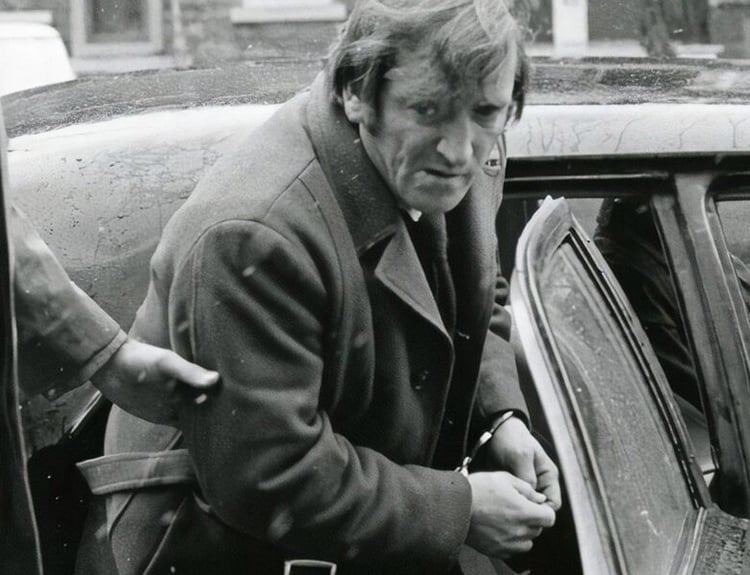
When I was much younger, I wanted to be a film director. A common enough ambition in my generation. I based this desire mostly on my ability to write, my vivid cinematic imagination, and my understanding of the language of film and television derived from the movies and television I saw in my childhood — many of which stay with me to this day. I eventually discovered, when working on film sets and writing and directing independent short films, that I had few of the organizational and people skills prized among directors and that were entirely invisible to me from my seat on the family couch. However, as a result of going to various festivals, colloquiums and showcases, I did see a number of films in quick succession that had an indelible impact on my approach to storytelling, continuing through my career in theatre right up to my current work in fiction. The first of these formative films is Michel Brault’s masterpiece Les Ordres (1974) which I think I first saw at a Brault retrospective at the Canadian Images festival in Peterborough in 1981, and which blew my fucking mind.
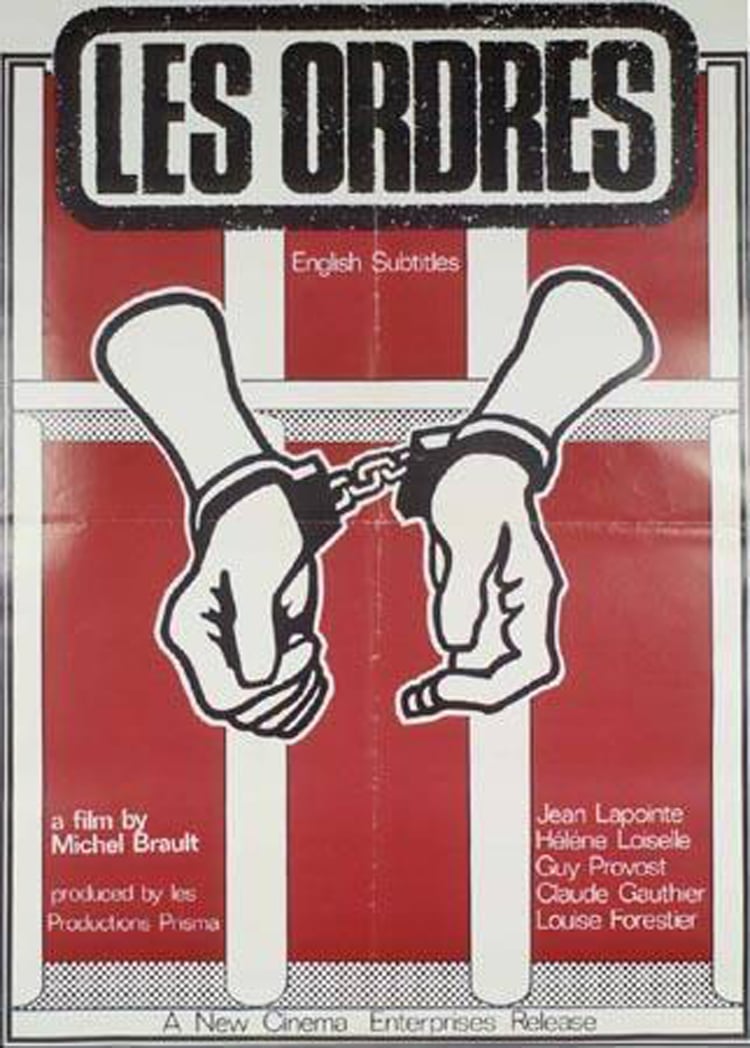
Drawing on the testimonies of some 50 civilians who were detained after the War Measures Act was invoked in Quebec in October 1970, Les Ordres blurs the line between documentary and drama to tell the story of five fictional characters (three men and two women) from their arrest through to their release. The film won the award for Best Director at the 1975 Cannes Film Festival.
Those who have no cause to remember Canadian history from the 1960s and ‘70s might be surprised to learn about our troubles with domestic terrorism in that era, in particular tied to the Quebec separatist movement. As stated in the Canadian Encyclopedia: the October Crisis refers to a chain of events that took place in Quebec in the fall of 1970. The crisis was the culmination of a long series of terrorist attacks perpetrated by the Front de libération du Québec (FLQ), a militant Quebec independence movement, between 1963 and 1970. On October 5, 1970, the FLQ kidnapped British trade commissioner James Cross in Montreal. Within the next two weeks, FLQ members also kidnapped and killed Quebec Minister of Immigration and Minister of Labour Pierre Laporte. Quebec premier Robert Bourassa and Montreal mayor Jean Drapeau called for federal help to deal with the crisis. In response, Prime Minister Pierre Trudeau deployed the Armed Forces and invoked the War Measures Act — the only time it has been applied during peacetime in Canadian history.
Reminiscent of the works of Peter Watkins (mentioned before in this newsletter and sure to be mentioned again), Les Ordres deals with the fallout from the War Measures Act, during which civil liberties were suspended and arrests and detentions were authorized without charge. A total of 497 individuals were arrested under both the War Measures Act and the subsequent Public Order Act. Four hundred and thirty-five people were released and 62 were charged (32 of these were held without bail). In spring 1971, the Quebec government announced that it would pay up to $30,000 in compensation to roughly 100 people who were unjustly detained. The film follows several of the wrongfully imprisoned, men and women, as they are arrested for the thinnest of reasons, or no reason at all, and locked away without charges, with no notice to their loved ones or friends or colleagues, and subject to mistreatment, humiliation and abuse. Once they are imprisoned, in some cases for weeks, all they can do is wait to be freed.
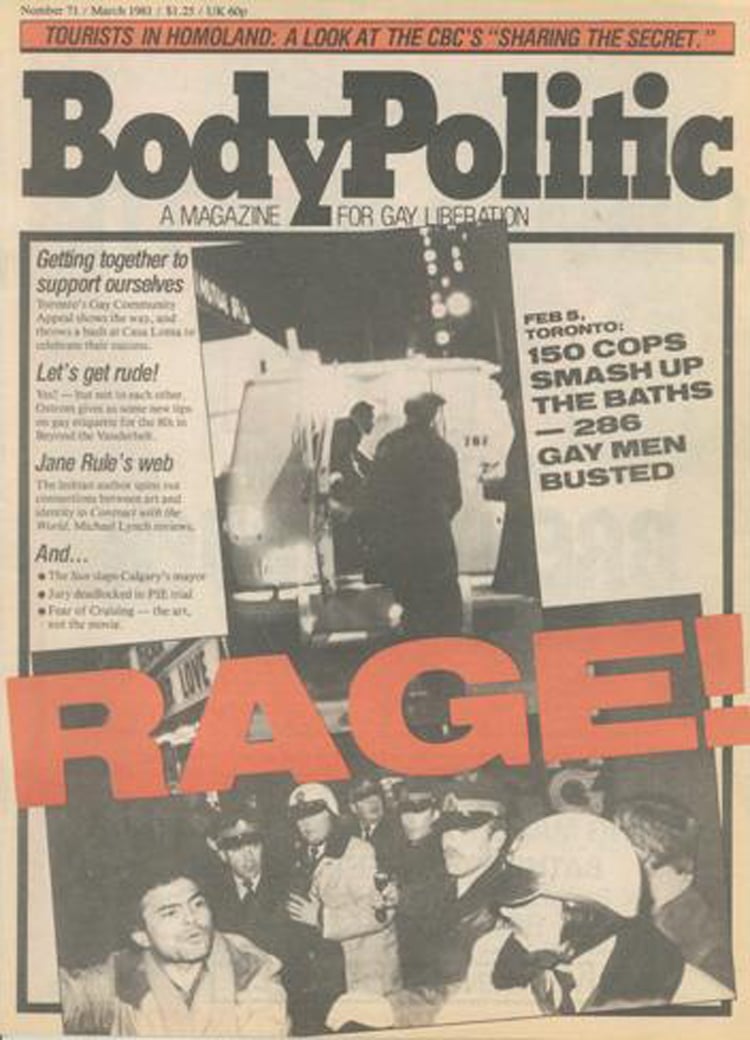
This film had particular resonance for me at the time I saw it. Just a few months earlier, the Toronto gay community had risen up in outrage against Operation Soap, a.k.a. the bathhouse raids. As once again noted in the Canadian Encyclopedia: On February 5, 1981, patrons of four bathhouses in downtown Toronto (The Barracks, The Club, Richmond Street Health Emporium, and Roman II Health and Recreation Spa) were surprised by 200 police officers in a series of coordinated raids, called “Operation Soap.” Law enforcement officials claimed the raids resulted from six months of undercover work into alleged sex work and other “indecent acts” at each establishment. Bathhouse patrons were subjected to degrading behaviour by police, including verbal taunts about their sexuality, and worse. (“I wish these pipes were hooked up to gas so I could annihilate you all.”) When the night was over, 286 men were charged for being found in a common bawdy house, while 20 were charged for operating a bawdy house. It was, up to that time, the largest single arrest in Toronto’s history (and the largest mass arrest since the October Crisis). Most of those arrested were found innocent of the charges. The raids marked a turning point for Toronto’s gay community, as the protests that followed indicated they would no longer endure derogatory treatment from the police, media and the public.
As a fearful gay 19-year-old still trying to grapple with how society perceived me and people like me, the connections between the historical docudrama and recent events were overwhelming, and I sobbed openly throughout the screening, causing a few people (including the festival organizer) to check in with me to make sure I was okay.
Along with the film’s powerful political content, I was struck by an interesting and important stylistic choice that Brault made. At the start of the film, after brief scenes establishing each of the characters, he shows the actors in interview one by one, talking to the camera about their roles: “My name is Jean Lapointe, and in the film I play the role of Clermont Boudreau. I was born on a farm.” He turns and looks at the actress playing his wife. “Marie was too. I guess our biggest mistake was coming to the city.” This deceptively simple gesture immediately connects the viewer to both the character and the performer, providing us with some insights that the character alone could not, and reminds us that this fiction is rooted in a reality that the performers themselves all lived through. They were in Quebec at the time of the mass arrests, they likely knew people like the characters they were playing, and they had experienced this terror for themselves. This blurring of fiction and reality is a strategy I’ve employed several times, and has become a touchstone in my work.
There are a few places to watch Les Ordres online, some shadier than others, but Apple TV has it for rent, Prime Video offers it via Hollywood Suite, YouTube has it for free (hmmm), and Vinegar Syndrome has a special edition blu-ray. I urge you to watch it, as it grows newly relevant day by day.
Subscribe now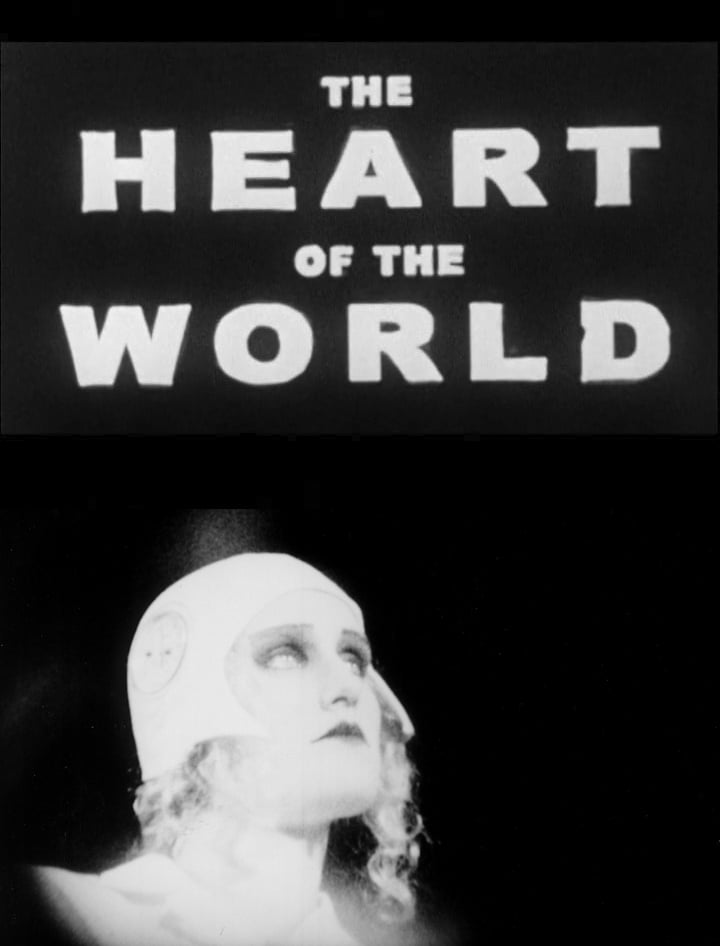
This week in horror: Well, we could pick just about anything, couldn’t we. Instead, let’s celebrate Canadian legend Guy Maddin’s birthday with his stunning six-minute short The Heart of the World.
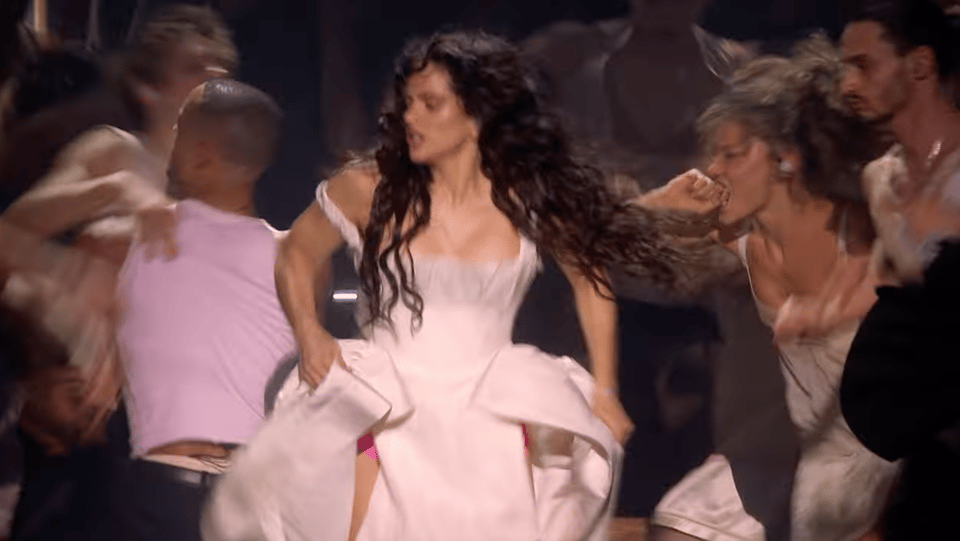
Now watching: The sensational Rosalía performed Berghain at The Brit Awards this weekend in a four-minute stage spectacular featuring Björk, and I have it on repeat.
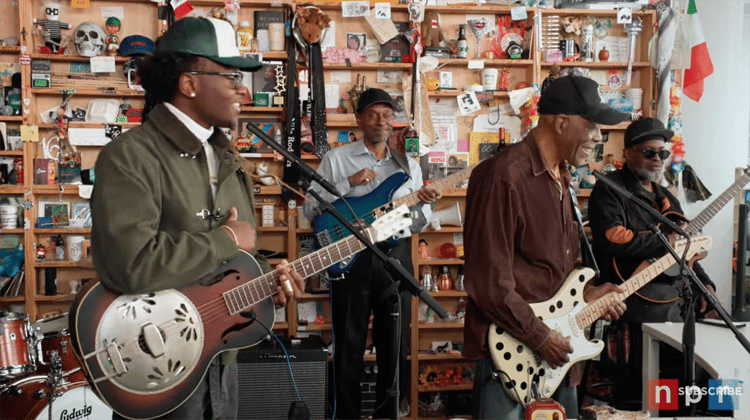
Now listening: Sinners: The Tiny Desk Concert featuring Buddy Guy and Miles Caton.
Cool story, bro: “The wife said again that her husband looked peaceful. ‘Like he’s dreaming,’ she said. How cruel would it be to just unplug him in the middle of a dream?
‘And what if he is dreaming?’ Paul said, instead of repeating the brain-dead part. ‘How many of our dreams are pleasant, would you say? How many do you wish would go on forever?’”
The Presentation on Egypt, by Camille Bordas. I wouldn’t normally send you to The New Yorker but this is a startling unsettling gem.
That’s all for this edition. After a record-breaking month of snow out here in the east, I’m hopeful that we are inching towards spring. If we all see each other in two weeks, then we will all see each other in two weeks. Until then, remember: « On m’avais volé une partie de ce que j’étais. Maintenant j’ai l’impression d’être bin plus vieux que les gens de mon age. J’ai moins de faux enthousiasme » / “They stole a part of me. Now I feel much older than other people my age. I lost my innocence.”

