
Springtime in Budapest - #11
It's exciting to see voters in Hungary throw out their populist autocrat, and an encouraging bit of good news for all of us. But it was a long road to get here, and there remains plenty to worry about
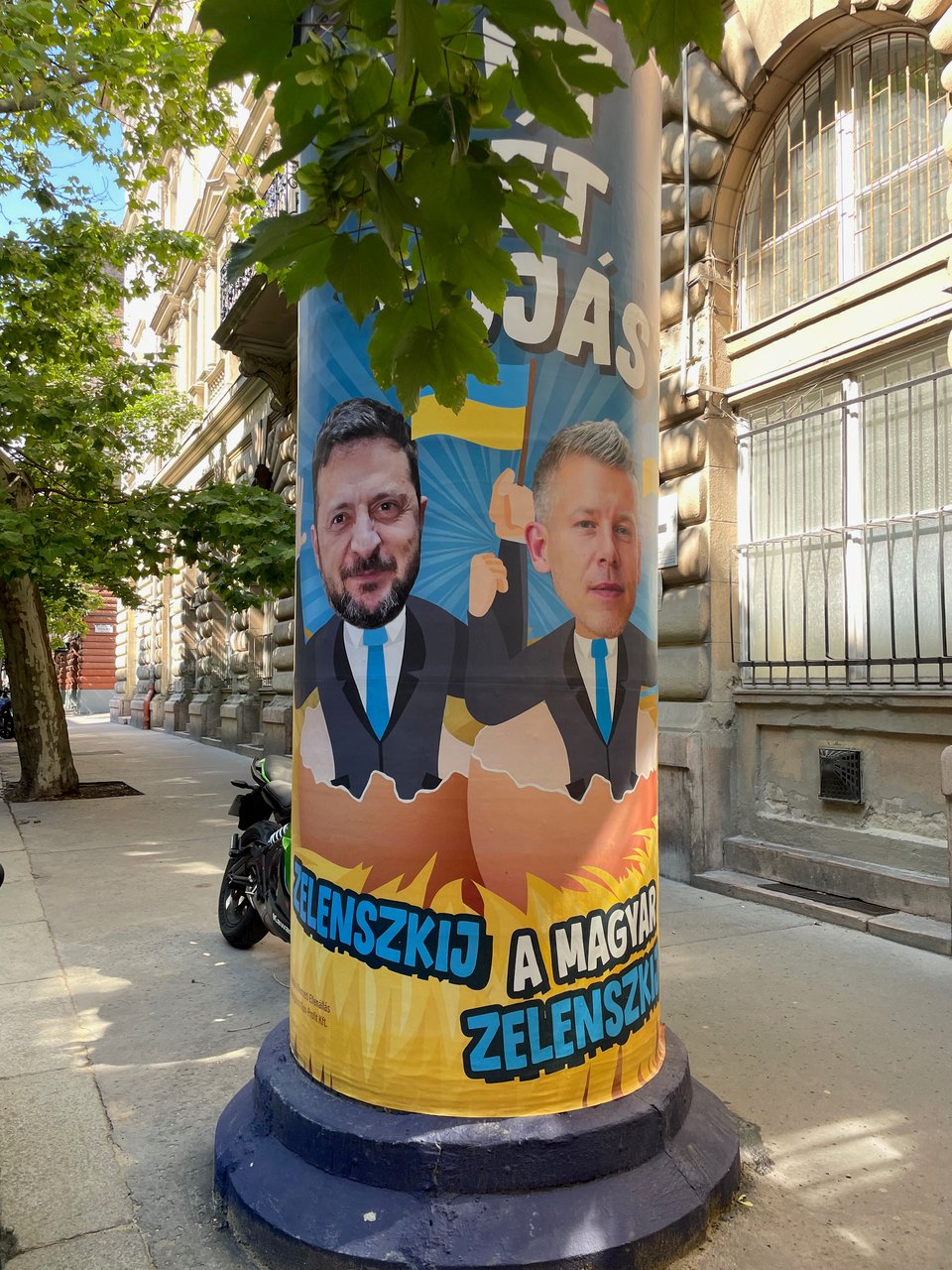
I was on the lookout for an occasion to get this newsletter going again, and finding a bit of good news from an unexpected corner is a great way to do it. The news that Viktor Orban finally got the boot this month is not just a victory for Hungarians, but for all of us — that right populism can be rolled back when confronted with its own incompetence and malice. Seeing images from friends in Budapest that looked like New Years Eve is a great reminder that things can change.
I spent a year there when my wife had a research fellowship at CEU, and I did some work for CEU Press. Our daughter went to a Hungarian preschool, we did our shopping at the market at Lehel Ter, and I’m still pretty good at cooking Hungarian food.
When we arrived in Fall 2011, Orban was still in the opening stages of his consolidation of power, even as the world was in a restive moment. The aftermath of the collapse of the global economy in 2008, and the strenuous efforts of governments to rescue wealthy elites at the expense of everyone else had consequences all over. Occupy Wall Street happened, for example, and in Russia Alexander Navalny was becoming a household name.
Back then Hungary was between two worlds — the old Soviet-bloc system had been triumphantly buried, but it never got over the restlessness of what should come next. Orban had already had a dud of a premiership from 1998 to 2002, and the old reformed socialists had come back into power but were similarly helpless. The leader of the opposition had been caught on tape describing how the government had lied for years about state finances, and that sparked enough of an anti-elite backlash to send Orban back in power in 2010. Hungary is not a big place — our landlord who owned the apartment we lived in, a very nice but modest two-bedroom overlooking the Danube in a pleasant neighborhood — was the former finance minister in that government. He was doing fine — he worked in the office of a major Western financial services multinational, and it is funny that when I had to call about a gas leak or internet service it went to his cellphone.
In 2011, Orban’s party Fidesz had rewritten the Constitution, called the Fundamental Law there. In October a coalition of young activists staged an opposition rally at Szabadsag Ter, a long narrow plaza near one of the major Danube bridges. I went out of curious with little idea what to expect. I had been to a lot of anti-Iraq war protests, and usually thought they felt small and hopeless in arguing against the tide of post-9/11 bloodlust. I had European friends who remarked that Americans had lost their culture of protest in the decades since Vietnam, and I saw what she meant. The protest in Budapest was enormous, with a lot of signs and a truly astonishing range of people from students to young families with their kids to pensioners. The police, at the time, seemed more like crossing guards, and the vibe that this was all part of political life.
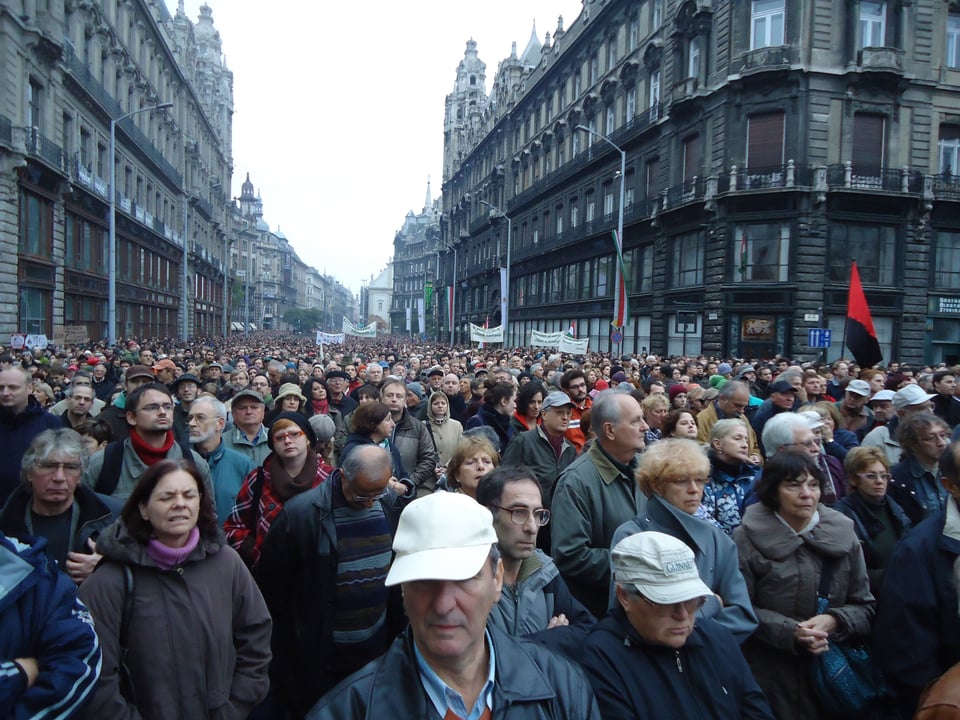
But it accomplished very little. The organizers had come up with a catchy hip-hop tune and a video of photogenic Hungarians expressing malaise but little else — “I don’t like, I don’t like, I don’t like the system” the chorus went. The protest tried hard to capture that opposition spirit, with references to 1956 and 1989, but there was no plan.
Hungary at the time was living in the long morning after miraculous times. The Soviet regime felt like it would last forever until suddenly it was gone. Events tumble fast and you never know how they are going to turn out. If you took a survey of the most energetic, forward-looking young leaders fighting the Communist order you’d land on Orban himself. He even went to Oxford on a scholarship paid for by George Soros. For all the West’s triumphalism about “winning the Cold War” a lot of nastiness got through just because it hated Commies as much as we did.
It hasn’t been easy to watch how this played out. The CEU was hounded until it moved much of its work to Vienna, Orban and his party Fidesz rewrote the constitution to rig elections for them. They treated EU grants as a slush fund for patronage projects. They attacked all manner of small-L liberal values — LGBT rights, reproductive rights, rule of law. Their efforts to stay in power veered from the grimly effective — coopting the entire media ecosystem in the hands of friendly oligarchs — to the ridiculous — trying to make Hungary a football powerhouse in the spirit of the golden age of Ferenc Puskas. In many ways, watching American “elite” journalists and their billionaire owners pal around with the president and his cabinet last weekend made me feel like we are depressingly early on the modern right-wing autocracy cycle.

And now Orban was so corrupt the “No Viktor Club” grew to include almost everything. Including one of his former insiders, Peter Magyar, who is surely conservative but (hopefully) not insane. His campaign was able to push all that was left of Fidesz into its mean, hateful core — a handful of well-connected nomenklatura robbing the country blind, counting on reliable, miserable dead-enders to keep electing them because they were terrified of gays, immigrants, and “woke.”
How Magyar will govern deserves close scrutiny, because many commentators note that the left almost gave itself up in desperation. The analogy here is if the Democrats nominated Mitt Romney and even the DSA was willing to endorse him. But Orban tinkered with the Fundamental Law enough that the state is a weapon that can be picked up by anyone who wins it, and that requires real deconstruction. The future requires considerably more bravery than this — and as Kamala Harris proved when she trotted out Liz Cheney at campaign stops, it often doesn’t even work. It would be nice to see us try some center-left coalitions for a change. Look what Zohran Mamdani is doing by just refocusing government towards making things incrementally better for most people than just a handful of loud, wealthy donors. The coalitions of 1989 aren’t worth much today.

