
Scottish Churchmen and the American Revolution
How Scotland's "popular party" helped fan the flames of revolution in the British empire.
This week’s “document of the week” at the British Online Archives is the 1776 re-issue of Rev. John Erskine’s sermon pamphlet, Shall I Go To War With My American Brother? It was first published seven years earlier, as the simmering imperial crisis flared up again in the wake of the Townshend Acts. As the title makes clear, Erskine came out on the side of the colonists. He did more than just warn against the dangers of war, but argued forthrightly that Britain’s parliament had no right to tax the colonies for revenue.
Erskine’s pamphlet was just one of many contributions to the print debate that raged during the buildup to the American Revolution. But in the story of James Aitken, the young man who would soon attempt to burn down Portsmouth Royal Dockyard, Erskine looms a little larger — for it was Erskine’s preaching in Edinburgh’s Greyfriars Church that the young Aitken was forced to sit through as a schoolboy at Heriot’s, the city’s charity school for bright but fatherless boys. By 1769, when Erskine preached this sermon on the imperial crisis, Aitken had graduated from the school and started his term as a housepainter’s apprentice. Still, it’s likely he had already heard some of what the reverend had to say about the nature of Britain’s empire and ruling class.
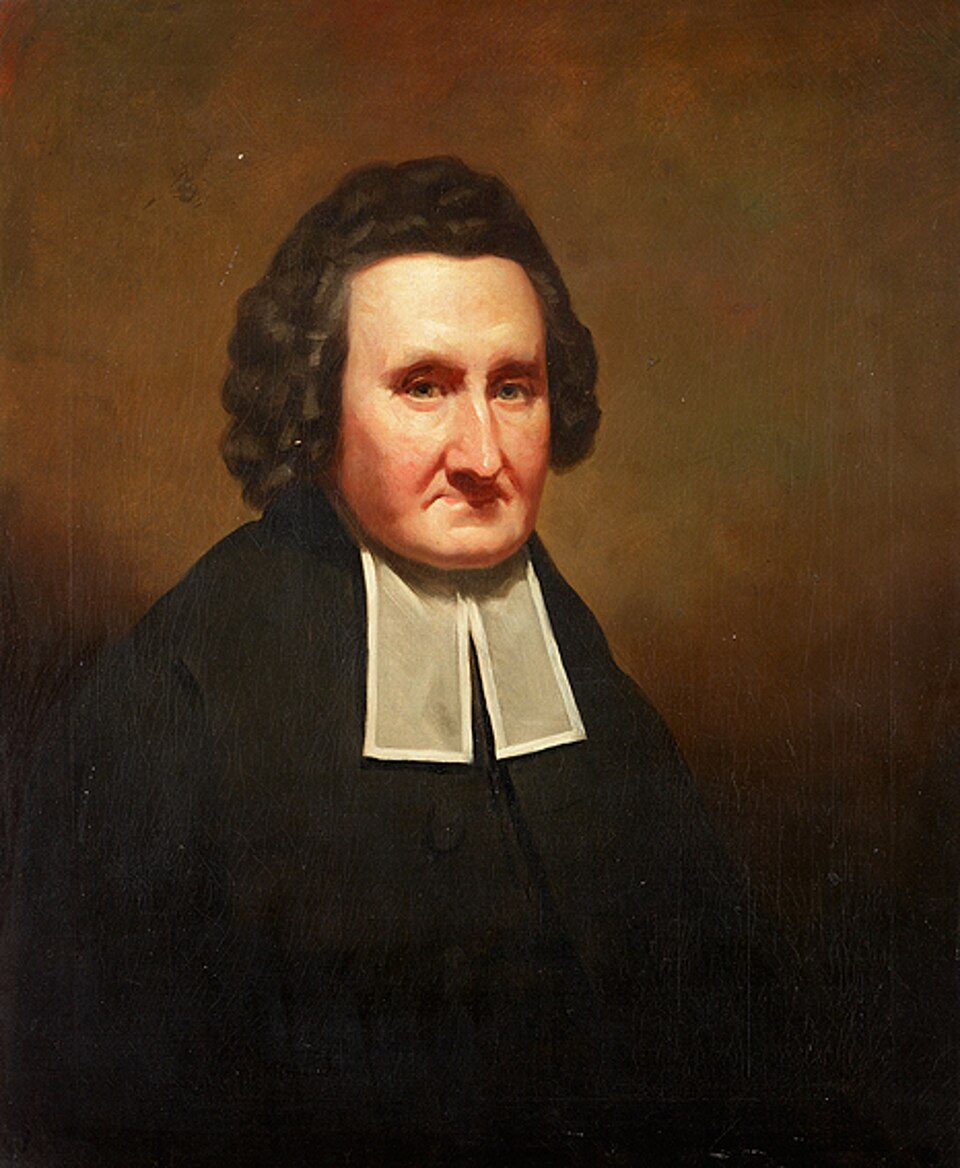
Along with his friend John Witherspoon (soon to become president of Princeton’s precursor, the College of New Jersey, and a signer of the Declaration of Independence), Erskine was a leader of a faction in the Church of Scotland known as the “popular party.” As such, he was a vocal critic of the power of rich men within the Church, and in Scottish society more generally. Like other political reformers all over Britain, Erskine saw parliament as a den of oligarchic corruption. He embraced the American colonists’ cause as a struggle for popular liberty, against the modern form of tyranny that seemed to be emerging under George III.
When Aitken went south to London in 1772, he encountered a different strand of pro-American, anti-establishment politics under the leadership of John Wilkes — a man whose attitude towards the Scots in general, not to mention sense of moral freedom, would have put him very much at odds with Erskine. Yet the Scottish popular party had its echoes in the wider reform movement, too, not least in the work of the Scottish-born teacher and political writer James Burgh. As a young man, Aitken gave little sign of taking on board much of what he heard in Erskine’s pulpit. But his eventual decision to commit himself to the American Revolutionary cause can’t be properly understood without considering the ideas and the attitudes to which he was exposed.
In Empire Ablaze, one of my goals is to take seriously working-class people like Aitken, not just as actors but also as readers and thinkers too. Debates over the rights and wrongs of imperial rule, or the meaning of popular representation in parliament, were not just the realm of wealthy or well-educated elites. Nor was Thomas Paine alone in speaking to a wider audience of politically-engaged working men. On both sides of the Atlantic, workers were at the forefront of the struggles that led up to revolution — both interpreters and enactors of their own paths to liberty.
Next in this newsletter, you can expect to read reflections from this year’s HOTCUS Winter Symposium next Friday. I’m not usually invited to my twentieth-century colleagues’ shindigs, but this one will mark the 250th anniversary of 1776 and look at the legacies of revolution. I’m especially looking forward to the Cambridge political theorist Emma Stone Mackinnon’s keynote talk on “American Hypocrisy.”