LearningUkulele.com - January 2026
Learning the Ukulele — Invest 80% of your learning time in the fundamentals of music, the basics, the principles of music - the chords, the scales, rhythm, etc... Leave 20% for the songs.
NEW Site Layout => * Updating lots of pages and the overall site layout. Came out pretty good and in record time. Went a lot better than I anticipated. Look for plenty of new lessons and goodies in 2026.
FOREVER MEMBERSHIP
Pay Once Forever Special of $399 and never worry about a subscription again. Many members and fellow musicians believed the pre-2025, $199 pricing was undervalued considering the depth of content offered on LearningUkulele.com. Started in 2025, the price increased to $399 - still a great price. However, 2026, right after my birthday and good till the end of the month, you can save $100 OFF with this coupon: LU26-100. This is good till 31 January 2026.
Some Tips for Learning to "Hear the Changes"
Hearing and figuring out the chords to a song takes the same skills as transcribing a song and is limited to the chords of the song. You might be doing it in real-time as you are playing the song or listening to the song.
Without at least some of the skills mentioned above, it's often a hit-or-miss, hunt-and-peck method of figuring out what the chord changes are for a song.
Here are a few tips for figuring out the chords:
Find where the chord changes are.
Locate the bass or root of the first chord.
Is the chord major or minor?
Major chords, the most common, are passive and sound resolved and peaceful, happy, relaxed, sometimes a bit bold. The majority of songs are in major keys, and the I chord of the key/scale, the tonic, is typically the home chord and at the end of a verse or chorus.
Minor chords have a sad and mysterious sound.
Diminished and augmented chords are a bit of an unnerving quality. Very suspenseful. I, (Curt) call the diminished and augmented chords one of the movie chords. The augmented chord is great in horror movies, used for when you know someone is not making it out of that scene.
Root Voicings
At the heart of the overwhelming majority of chords are the basic traditional triads: the major, minor, diminished, and augmented triads that form the foundation of ALL chords traditionally built in thirds.
If the song is simple, then start checking to see if the chord is a traditional major, minor, 7th, or power 5 chord. Or, maybe a contemporary sus4, sus2, or add 2, add 9 chords.
If it is a more sophisticated rich harmony, a.k.a. chords. Then try 4-part chords: maj7, m7, 7, dim7, aug7, etc. These are often called "jazz" chords, which are just 4-part chords.
With each success, on to the next chord.
NOTE: Sometimes it is easier to figure this out on piano than on the ukulele or guitar. You don't need piano technique; you just need to know how to make simple chords on the piano
and know the names of the piano keys—pretty easy on piano.
Bass Voicings
If the chord is not quite right, but seems like the right chord but not the 100% right root. It might be a chord inversion or Slash Chord ⇒.
If it sounds like a C major chord but not exactly the C chord you are playing, the lowest note might not be the root C. Try C/D, C/E, Cm/F, C/G, Cm/G, C/Bb, C/B, with the notes after the slash the lowest note in the chord voicing. If this fails, it could be any bass note with C as the name of the chord.
Check out the [Classic Endings for Ukulele ⇒)[https://learningukulele.com/lessons/code/UL125c]
lesson for a common use of slash chords to create a descending bass line. The root movement of a descending bass line is a great harmonic clue when trying to figure out, "Hear" the chord changes.
Cliché and Common Progressions with Distinct Bass Lines
Here are some examples of this type of progression.
Cm Cm/maj7 Cm7 Cm6 ( Cm Cm/B Cm/Bb Cm/A)—This progression is typically notated wrong. You'll hear it after you become more familiar with the correct notation.
C Cm7+5 Cm6 Cm7+5—I call this the Secret Agent sound and it is typically supporting the melody. Witchcraft is a jazz standard that has this movement.
C Cmaj7 C6 Cmaj7—A common substitution for two measures or 8 beats of C
Cmaj7 Caug C6 Cmaj7 or C Caug C6 Caug C
Repeat the process until you have determined each chord. Over time, this gets quicker.
Check out Jim D'Ville's Play Ukulele by Ear • Three Chord Club ⇒ for many examples of simple songs; we already know that you can learn by ear.
Links and Resources
Hearing the Changes ⇒ • Hearing the Changes is knowing what the chords of a song or chord progression are and when they change. This lesson gets you on the road to developing this ability.
Playing by Ear ⇒ • Mastering the art of playing music by ear represents the pinnacle of achievement for any aspiring musician. The objective of this lesson series is to guide you towards attaining this goal. Whether it entails mastering melodies or chords, rest assured that it is within your reach.
Piano Chords - Traditional Triads for Non Piano Players ⇒ • Everyone Should Know a Little Piano. And it is a lot easier to know the names of the notes on a piano vs. the ukulele.
Classic Endings for Ukulele ⇒ • Common classic song endings that are used over and over in the standard song repertoire.
FREE Basic Open Position Chord Charts ⇒ • A few handy-dandy chord and reference charts to have — "handy".
For someone new to ukulele, start with this Series of Weekly Lessons ⇒ that will help you create a core foundation for future development. And fill in some gaps in your existing knowledge and skills.
The Best LearningUkulele.com Site Membership Deal
Pay Once Forever Special of $399 and never worry about a subscription again. Many members and fellow musicians believed the the pre 2025, $199 pricing was undervalued considering the depth of content offered on LeasrningUkulele.com. Stated in 2025, the price increased to $399 - still a great price. However, once a year, right after my birthday and good till the end of te month you can save $100 OFF with this coupon: LU26-100. This is good till 31 January 2026.
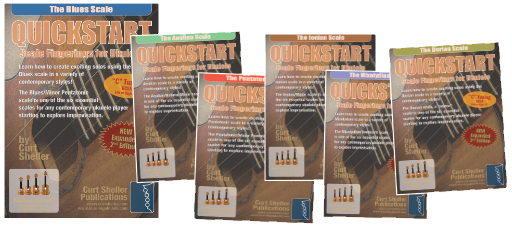
Six Essential Scales for Ukulele


