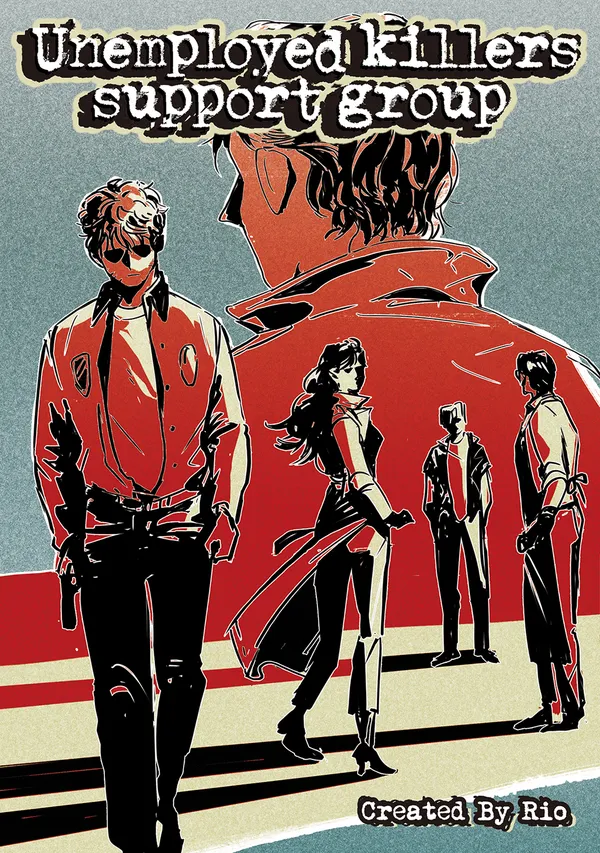
Synopsis: "Locker is a nearly-blind sniper, and after losing his job, he joins a support group for unemployed assassins. All of the members were once feared, but now they're losers who help and hinder one another. After overhearing a conversation at a restaurant, Locker believes he's identified the man that took his sight. Finally, he has one shot at revenge -- hopefully this is one he doesn't miss"
Review: Most fiction advice relies on action. Situations escalate, characters do things to make their situation worse, out of the pan into the fire. Conflict is created until some resolution is reached. (Yes, I know, this is all very reductive). This can certainly be true for genre fiction which tends towards plot mechanics. Fiction presents moments in these characters lives that serve the larger story. What do these characters do on a day off? What do they do on a regular Tuesday? It can be these small side moments that offer the most rewarding moments.
There is a growing desire for fiction that holds space for these types of moments to occur. These types of stories (eg: slice of life, cozy [not the mystery sub-genre]) are popular, sell well, and are influential. Shows like The Midnight Diner, novels like The Kamogawa Food Detectives and The Dallergut Dream Department Store. Manga and anime like The Way of the Househusband, Dorohedoro, Shimazaki in the Land of Peace, and even the earlier chapters of Sakamoto Days. (These examples aren't definitive, just some that I like).
What's a hitman to do when he loses his eyesight on the job? It's a great premise that can lead in all sorts of directions. Here, as the titles tells us, it leads to a support group. Who are the other members and what are their stories? Who runs the group? What does the rest of this world look like?
In good time we will come to all of these characters, their stories, and how they become a found family and help and hinder each other. There will be funny moments and situations and others that really punch the characters in the heart.
"In this series, violence itself readily descends into absurdity, so black humour frequently emerges organically. To some extent, these exaggerated scenes also serve as a kind of packaging, allowing readers to enter the story in a more relaxed state.
But when the plot begins to touch upon the character's genuine wounds — what they've lost, why they've ended up where they are today — I usually let the emotion linger there, no longer diluting it with jokes."
Each character has a deficit that is tied to a personal problem. To overcome the deficit, they will have to confront parts of their past that they may wish to forget. In doing so each character will become stronger. In becoming stronger, they will be better able to help each other. These are great oddball, outcast, found family dynamics, especially as the larger story starts to reveal itself and working together becomes a necessity.
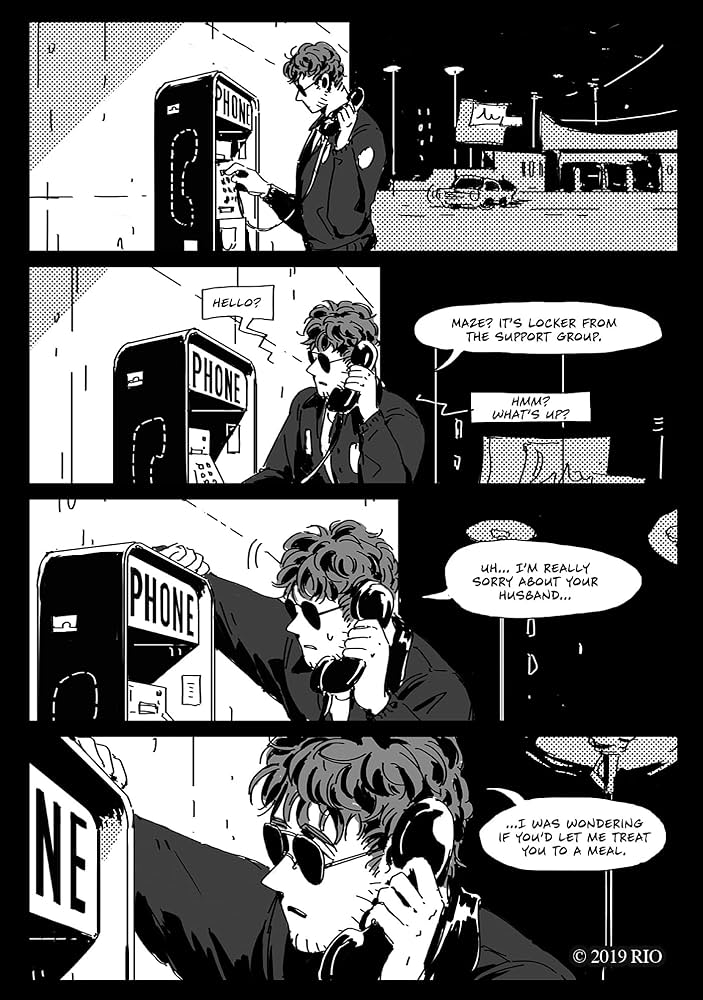
I really enjoyed this book. I like these quieter moments that are brought to the genre of crime fiction (which isn't to say this style hasn't been done before, just to express that I like it), I like the secondary world aspects as the world and these characters expand. The art style has a cool edge to it that sometimes veers into more comedic stylings to enhance the emotion of the scene.
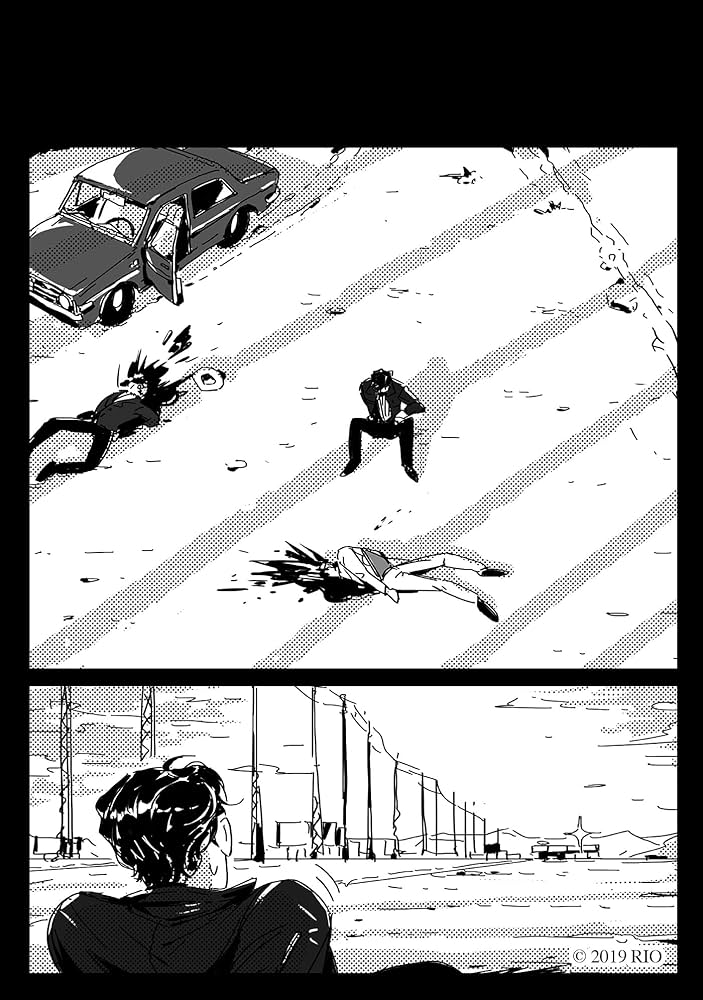
This may wind up being one of my favorite crime comics of the year.
Availability: Print|Digital|
Verdict: positive/highly recommended
You just read issue #32 of Bad Karma, Loose Ends & Stray Bullets: Exploring the World of Crime Comics. You can also browse the full archives of this newsletter.
Add a comment: