
The War Over Reality
2026-02-13
Hey.
In my previous newsletters I addressed three ways to look at the time we live in: accelerating complexity, reality as designed "worlds", and capitalism as an autonomous process beyond human influence. These models can be very helpful for discerning and understanding what's going on. They are maps that help us navigate. But the question now is: Is there any real room for action?
Jason Hickel's brilliant book Less Is More offers a some suggestions. Hickel describes how capitalism's emergence required a fundamental transformation in how we view nature. Through enclosure and colonialism, "cheap nature" was created – nature as an object to exploit rather than a living relationship. His solutions include: scale down energy and material use in wealthy countries, restore the commons, and lastly – return to an animistic outlook where we see ourselves as part of, rather than separate from, the living world. “Nature” is not some thing “out there” - it’s the fabric of our very world.
Hickel's critique of this dualism is on point, but his suggested animism is also a map of reality – perhaps more humane, more ecological, but still a claim about how things "really are".
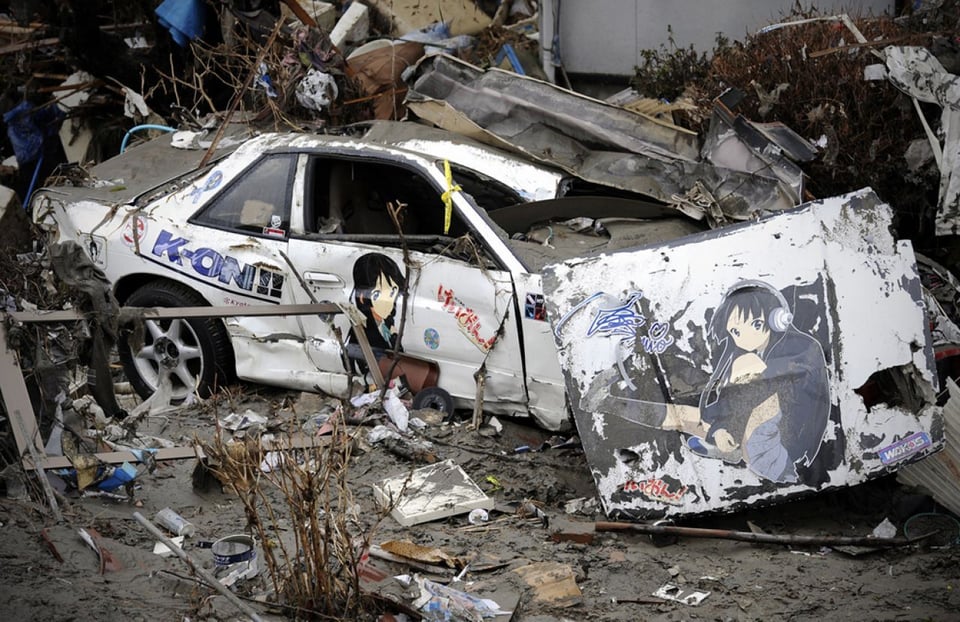
Exocapitalism, which I mentioned in the last newsletter, offer us no comfort. The book describes how capital has already lifted off from the human host – it has become an autonomous system, an process outside of humans life that feels nothing. Maybe that’s why neither Jason Hickel's hope nor Mark Fisher's nostalgia quite grips in 2026 – they're fighting against something that's already left the building.
But here too there's an ontological claim: that capital really is an autonomous "entity". The analysis is very useful, but I think it's important to not let it become a complete worldview.
Terence McKenna, whom I wrote about in an earlier newsletter, also has a sharp analysis of our time. But his solution – to draw up a new map of reality using dubious mathematical models and DMT – is just a new type of illusion. But a pretty fun one, I’ll give him that.
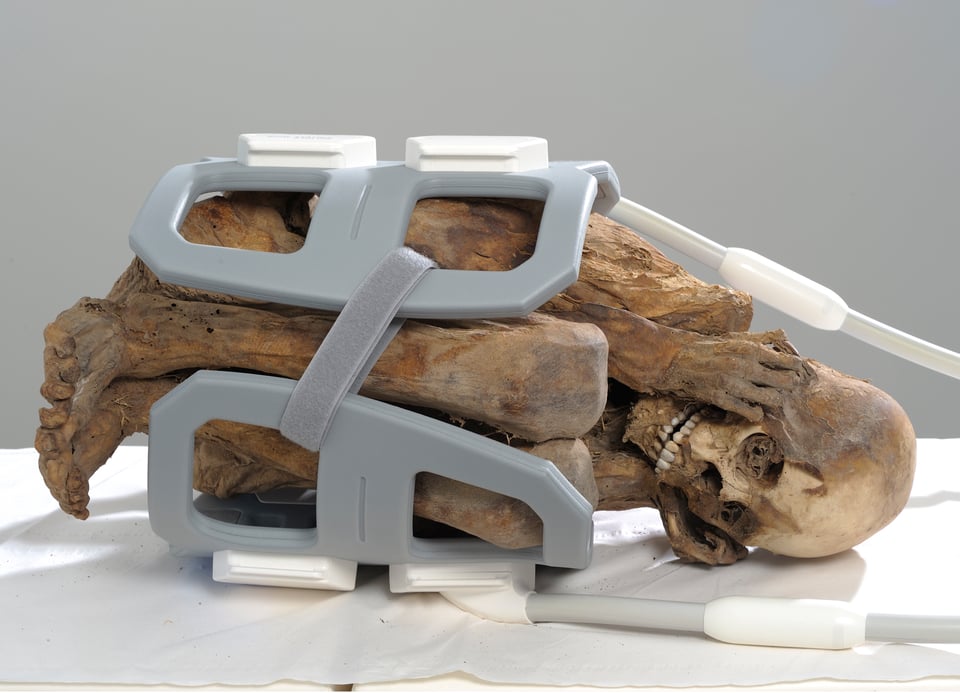
Don't get me wrong. All these attempts are valuable. I think that Less Is More and Exocapitalism are some of the most profund political texts ever written. But they are in a sense part of the same project: to establish what really is real. And it's this project – the war over reality – that becomes a problem when scaled up. No map of reality is reality. Just as you don't get wet from saying the word "water".
One of the last domains not entirely consumed by the neoliberal machinery is contemplative practice. If someone held a gun to my head and asked what religion I belong to, I'd probably say I'm a Zen Buddhist. But the label itself isn't important. And there are many paths to walk that are equally valuable. What's central is that contemplative practice is one of few areas where direct experience is prioritized over representation.
To truly study reality is to forget the distinction between real and unreal altogether. This isn't some kind of relativism – "everything is equally true!" It's not nihilism either – "nothing has any meaning!" It's an invitation to act from the direct experience of what meets you here and now. If someone is starving – feed them. Not because it fits your worldview. Not because you've reasoned your way to "this is real hunger, not constructed hunger" – but because the hunger and suffering are there, in front of you. When you stop trying to place everything on a map (real/constructed/authentic etc) you can actually experience it head on.
The great master Dōgen said:
To study the Way is to study the Self.
To study the Self is to forget the Self.
To forget the Self is to be one with all things.
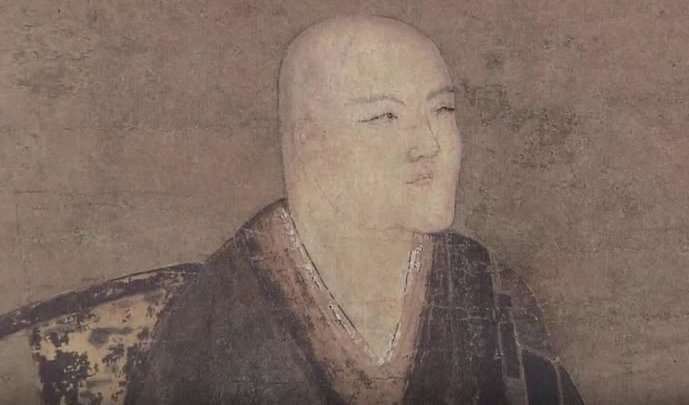
If through practice, through experience in actual life, you truly feel that everything is intimately connected – then it suddenly becomes completely illogical to harm others. Exploit others. Put the ego first. It's as illogical as your index finger starting a war with your thumb.
But if the real/unreal distinction doesn't exist – why then criticize capitalism? Isn't that also "just" a worldview? The critique is directed at the very claim to reality – and all the concrete suffering it leads to. When Hickel describes how enclosures created cheap nature, or when the authors of Exocapitalism tells of how Meta's content moderators in Kenya are forced to view violent material – it's not about ontological categories. It's about actual suffering for living beings right now.
Capitalism consumes us by saying "this is how the world is" and shuts down other ways of living. It's that claim and the suffering it leads to that's the problem. And that's why I think Hickel's concrete proposals (degrowth, restore the commons, protect ecosystems) are valuable.
The war over reality is a problem not because the "right reality" doesn't win, but because the war itself proceeds from an illusion. It's not about playing the game better – it's about leaving the playing field altogether.
Contemplative practice is not a solution to make the world less complex. It's a way of accepting it, being in it, and acting from what you encounter. While capital accelerate and ecosystems collapse – action is possible. Not as a strategy to win the war over reality, but as direct response to what's in front of you.
Will you participate in war or will you choose peace?
Bless,
CM
Don't miss what's next. Subscribe to Cotton Mouth: