Stop Calling Stakes High or Low: Call them Near or Far Instead
This Saturday I’m reading at Babylon Salon in SF!
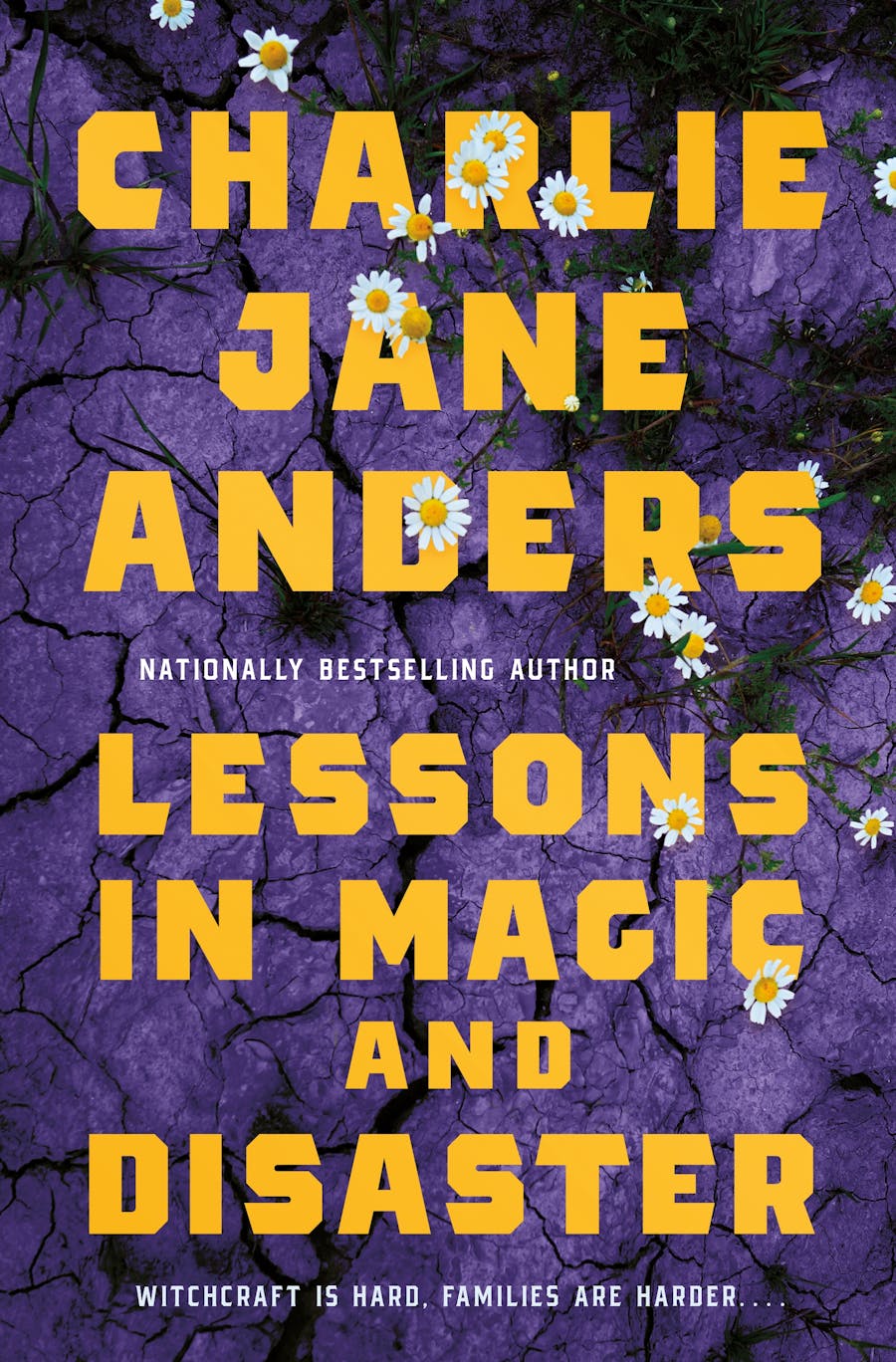
You can still get a signed personalized copy of Lessons in Magic and Disaster, my novel about a trans witch and a mysterious Georgian romance, from Green Apple.
Recently I came across a quote that brought a lot of stuff into focus for me. British writer/producer Dennis Kelly (Utopia) told the Radio Times:
My bugbear at the moment is that we are currently mistaking adrenaline for drama. We currently think that adrenaline and drama are the same thing and they fucking are not.
He went on to talk about the “in medias res” openings favored by so many TV shows and movies. You know the trope: we open on a character handcuffed to a bomb whose countdown is a minute away from exploding. Then we cut to a peaceful calm scene, and the words “36 hours earlier” appear in huge letters as we join that same character enjoying an ordinary day.
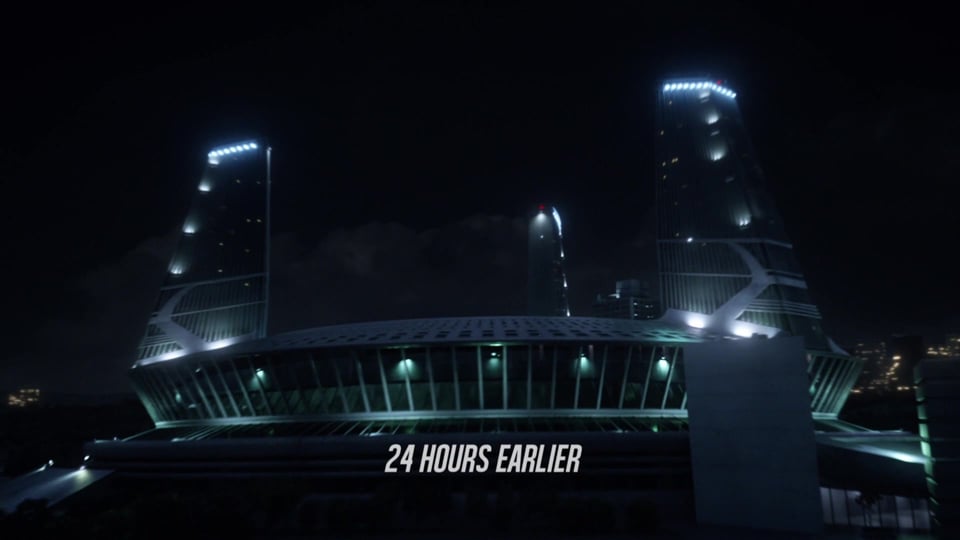
As Kelly says, this device serves to tell the viewer that the character’s ordinary life is boring and we shouldn't care about it — and leaves us waiting to get to the "exciting" part with the ticking bomb and the handcuffs. When, in fact, this characters existence outside of explosive situations could still be compelling, just in a different way.
I feel acutely aware of this conflation of drama and violence that Kelly’s talking about. I've worked really hard in a lot of my writing to build drama, and even suspense, during sections where nothing happens to be exploding and nobody is in immediate physical danger. The first two chapters of my recent novel Lessons in Magic and Disaster feature nothing but a mother and daughter talking to each other, and I reworked and tweaked them endlessly to try to give them as much of a sense of momentum and energy as I could. To me, a mother and daughter talking to each other for the first time in years, and the daughter trying to teach the mother the secrets of magic, are inherently exciting things. But the stakes are personal and the action is small scale.
(That quote also reminded me of box office wunderkind Scott Mendelson saying on a recent episode of the Box Office Podcast that he’d like to know in advance if a movie starts with an “in medias res” opening, so he could spend an extra five minutes at the concession stand without worrying that he was going to miss anything important.)
Subscribe now!! ! ! !!Lately I've noticed that I experience way more suspense when I'm watching a romcom or something aimed at kids, like Netflix's Babysitters Club series for example, as opposed to when I’m watching pretty much any action movie or four-quadrant tentpole. I'm not even sure why this is. For whatever reason, a romance or kid’s show leaves me desperately anxious to know what's going to happen next and how a situation will be resolved — when I can watch nearly any action-adventure thing made for adults and feel no suspense whatsoever. Is this because blockbuster action storytelling is so formulaic that I know what's coming? Maybe, but a lot of romances and kids’ entertainment is also very formulaic. I suspect it's partly a matter of being invested in the characters and their inner lives, and partly that kids’ stuff and romcoms commit to their story beats in a way that most franchise entertainment simply doesn't bother to anymore.
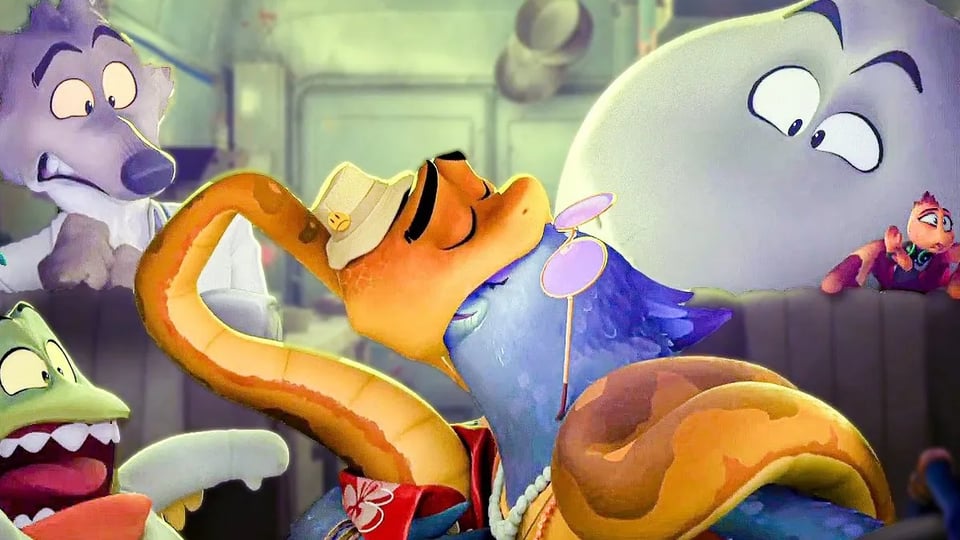
I just finally watched The Bad Guys 2, for example, and there were multiple moments where I was on the edge of my seat. Which I never feel when I'm watching a superhero movie aimed at adults. I’m not saying The Bad Guys 2 is a great work of cinematic brilliance, just that it made me care and managed to surprise me a few times.
Part of the problem is definitely that “mainstream” tentpole entertainment emphasizes action and spectacle over character and emotion. Plus there’s a thick layer of irony and a knowing smirk overlaid over literally everything, as if the creators want to make sure the audience knows that they're too smart for this dreck they're making — that they are in on the joke.
Anyway, Kelly’s comments about violence and drama felt pretty insightful, and I’m sure we can all think of great drama that doesn’t involve violence. And conversely, violence that isn’t particularly dramatic.
But his comments also made me think about something that's been on my mind lately: stakes. How can a story have stakes that are meaningful and urgent? We often talk about stakes as if they were a barometer: they're either low or high.
I would like to throw the concept of low stakes and high stakes into the nearest volcano and never speak of these concepts again. Rather, I would like to talk about stakes that are either tangible or intangible. Or, if you prefer, near or far.
Subscribe now! ! ! ! Come on! WTF it’s freeFor a while there, almost every season of Doctor Who ended with the whole universe in peril. Often, this unimaginably vast problem was paired with something more intimate — like, Steven moffat ended two seasons in a row with the universe being saved amid a wedding. (First Rory married Amy, then it was River Song and the Doctor.) The wedding is something intimate and emotional — at least we hope so — while the viewer is grappling with something that none of us can wrap our minds around: the enormity of the cosmos.
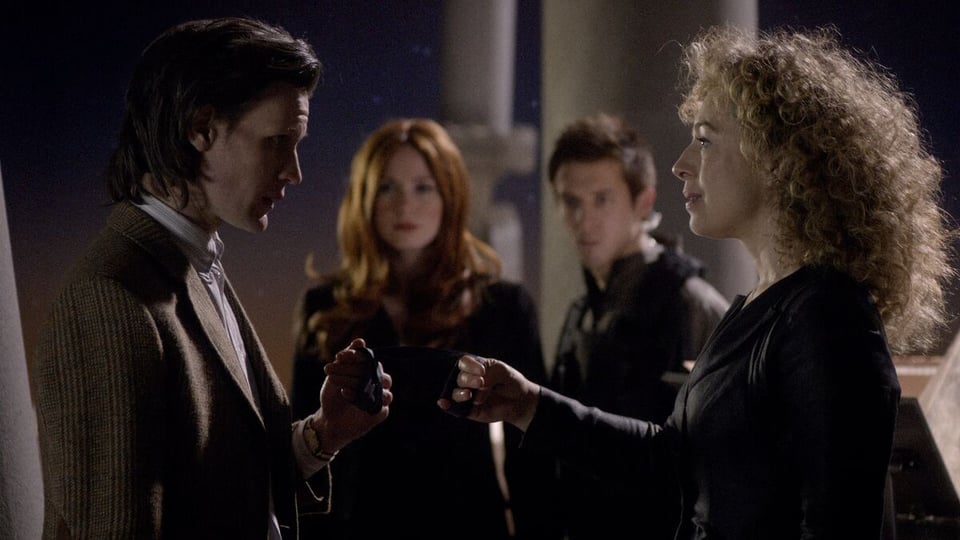
I believe that every story has two sets of stakes, no matter what: the personal, and the world. Think about how Middlemarch is a novel about people making spectacularly bad marriages, against the backdrop of massive social reform and technological change.
I've had two types of conversations lately that lead me to think about this.
The first sort of conversation is where someone confesses to me with a hint of shame that they are actually doing pretty well right now, even as the world at large is sliding inexorably into the toilet. Their personal story is a relatively happy one of success and fulfillment, but they are also part of the world, which is a shit-shower.
The second type is where I'm discussing a story with folks, and we talk the stakes in a story and whether they are meaningful. Often, this becomes a thing because the personal stakes lack urgency — like, the characters are sort of meandering around — while the plot is racing forward, but doesn't feel as meaningful as it should. I'm paraphrasing a lot of conversations about a lot of different stories, both mine and other people's.
The reason I want to get rid of the idea of high and low stakes is because I believe that any set of stakes, regardless of size or scope, can be made more tangible and closer to home. This is the reason why every action movie used to feature a character saying, “This time it's personal.” Because if it's personal, then we might give a shit.
As I wrote about previously, stakes are: 1) Whatever your characters care about, and 2) Whatever you can convince the audience to care about.
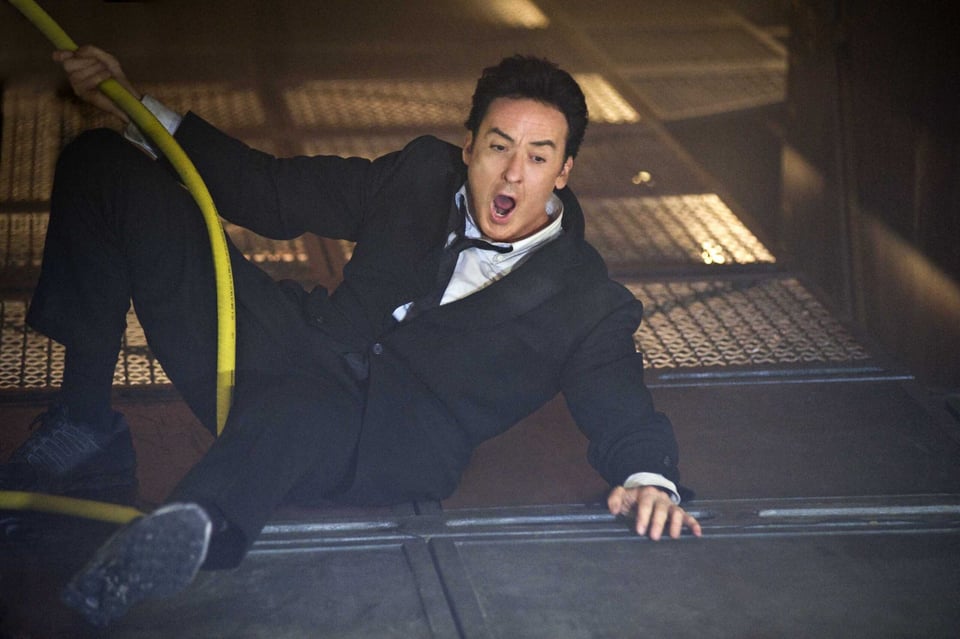
If the characters don't care, then it's much harder to make the audience care. Also, stakes are the things that your characters can meaningfully affect. In Roland Emmerich’s disaster movie 2012, the stakes are whether John Cusack’s everyman protagonist and his family can survive, not all the cities being destroyed — the massive widescreen destruction is the backdrop rather than the story.
My go-to move as a storyteller is to start with intimate, even selfish, stakes and have the protagonist or protagonists slowly learn about things that matter beyond their own needs or goals. Jamie in Lessons might start out wanting to save her mother from herself and repair her family, but she becomes aware that this is entangled with a wider threat to queer people from a abusive class of influencers and propagandists, and the well-being of witches as a community rather than as isolated individuals. I personally find it more satisfying to start personal and build from there, rather than introducing a wider context right away and then back-filling the personal.
Subscribe now! ! ! !! !Which brings me to another theory of mine: when people talk about stakes being clear or urgent, they're often really talking about pacing and having a sense of forward momentum.
A story might have a lot of things happening, but do they matter? If the answer is no, then the pacing will feel lethargic because we're waiting for something to happen that actually affects the characters or feels significant.
All of which is to say, a character buying a hat can be a propulsive and pulse-pounding sequence, as long as we know why they're buying the hat and what the hat means to them. Conversely, stopping nuclear missiles from hitting New York can feel slow and boring if we don't know anybody in New York and we haven't been given a reason beyond generalities to care about those missiles.
And of course, the more abstract your stakes — such as saving the universe or saving democracy as a concept — the more you need to marry them (no pun intended) to something identifiable.
So yeah. I hereby demand that everybody stop saying “high” or “low” when it comes to stakes. Instead, with the power vested in me by being a mouthy broad, I mandate that we refer to stakes as “near” or “far”. Got it? Great. I'm proud of us.
Music I Love Right Now
I think I’ve mentioned The Big Ol’ Nasty Getdown before. They’re a music project created by producer John Heintz, who brings together tons of musicians to jam in the studio to celebrate spontaneous creativity. The first two volumes include folks like Vernon Reid, George Clinton, Fred Wesley and tons of others. I’ve enjoyed a ton of their releases. But the big question mark for me was always how producer-driven this music was, versus how much it reflected the personalities of the people who stopped by in the studio.
The good news: Volume 3 of The Big Ol’ Nasty Getdown has some songs that absolutely burst with personality and a certain amount of snark. Angelo Moore from Fishbone does vocals on a pretty brutal takedown of A.I. called “When the Juice Ran Out” that has the sharp edge you expect from Fishbone. (Moore also sings on a recent BONG release called “A&R Predator” that takes on exploitative practices in the music industry.) In general, the recent BONG releases don’t just feel like great jam sessions caught on tape, or like a producer bringing in random musicians to create a safe approximation of old-school sounds. They feel fresh and aimed at calling out some shit right now, and they’re not playing it safe at all.
You can get all their stuff at Bandcamp. My favorite recent song is the inspirational “Yoda Mode” sung by Maiya Sykes, which is built around the line “Fear is just a path to the Dark Side”: