I sometimes wonder if there is one single thing that most strongly marks the difference between a Shakespearean character’s and a contemporary person’s experience of the world, other than one of them being, you know, fiction. It’s important to me, because I think my responsibility to the character is to make choices from within that gap, to take certain things and make them legible, or leave them alienated, and to care about what those decisions mean. Because I auditioned with him yesterday, I’m thinking of Edmund, from King Lear. His emotions are recognizable, his speech is my speech in so many ways, his social and political associations are of so much of the same stuff as mine—I don’t live in a kingly court, sure, but I know what power means, and inheritance, and desire. You want to know about capricious institutions, lives crushed under the idle curiosity of nations? Welcome to the border, baby.
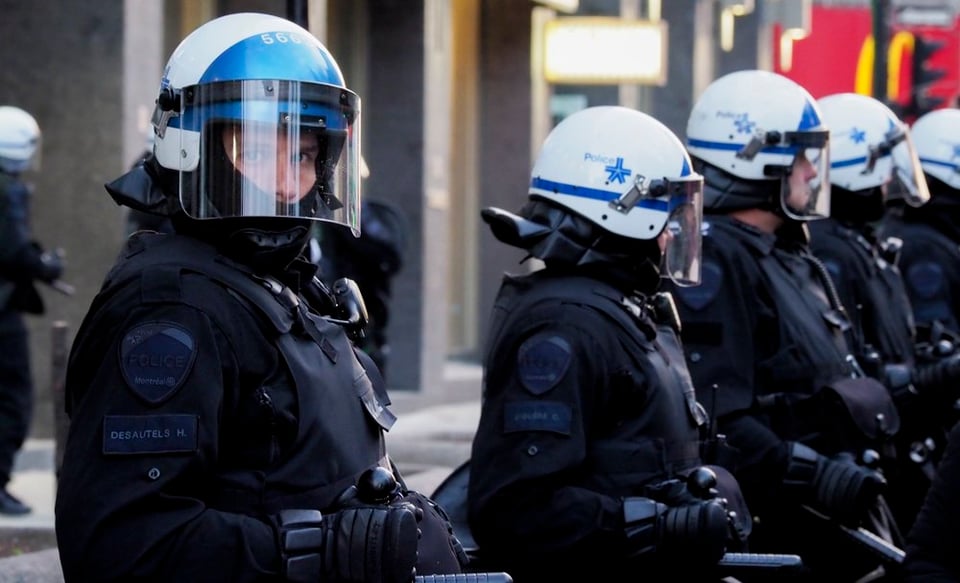
The border is a zone of exception in modern life in a lot of ways, not least in its special ability to illustrate the role violence is granted in maintaining the state. There, at any moment, with the wrong word or the wrong piece of paper, the whole wonderful tower of ideas and stories that we call civilization tumbles away, revealing the bloody machinery.
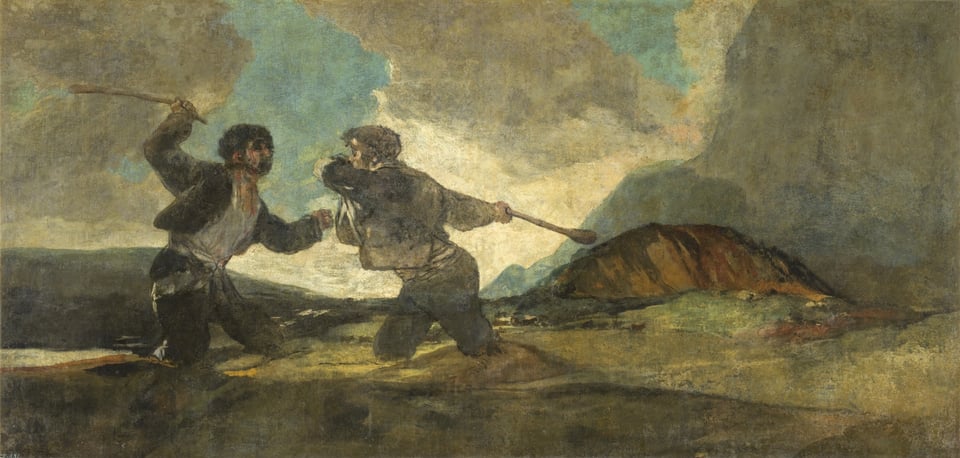
Now, it was nothing crazy, but I’ve seen some violence. I’ve done some violence. I’ve cleaned up after violence. Accidental, intentional, necessary, arbitrary; whatever. It doesn’t really matter, because the sharp point of action carries meaning that words do not and cannot. In that way, violence is always stupid, and severely limited. It can’t speak, really, in any language other than itself. There’s no shortage of ideas for how to deploy violence toward intelligible ends, to write a sentence which violence then punctuates: foreign policy, the sovereignty of the state, personal self-defence, gambling, content. But we recognize that these things are not the thing itself, which is unique.
When Edmund invokes nature, he’s not really invoking nature. Hi, welcome to metaphor. What he’s trying to do is imagine a system other than the one he’s stuck within, because he feels quite rightly that the way things are ordered just isn’t working out. He feels the need to fix that, but can’t make the moves he wants to. So he tries to change the rules, to carve out an exception in exceptional times to take exceptional action. And you know what? Good for him. I get it, man.