Kids These Days Don't Host Charged Dinner Parties Anymore
Hi all and welcome back to So Desensitized! I must first apologize both for my delay in getting this post out and for falling off the map for like a month with the excuse that there will be ten (10!) posts next month to make up for it. The movie we’re talking about today is not my favorite Hitchcock, but it certainly is his gayest. That’s right, folks: it’s time to talk about Rope.
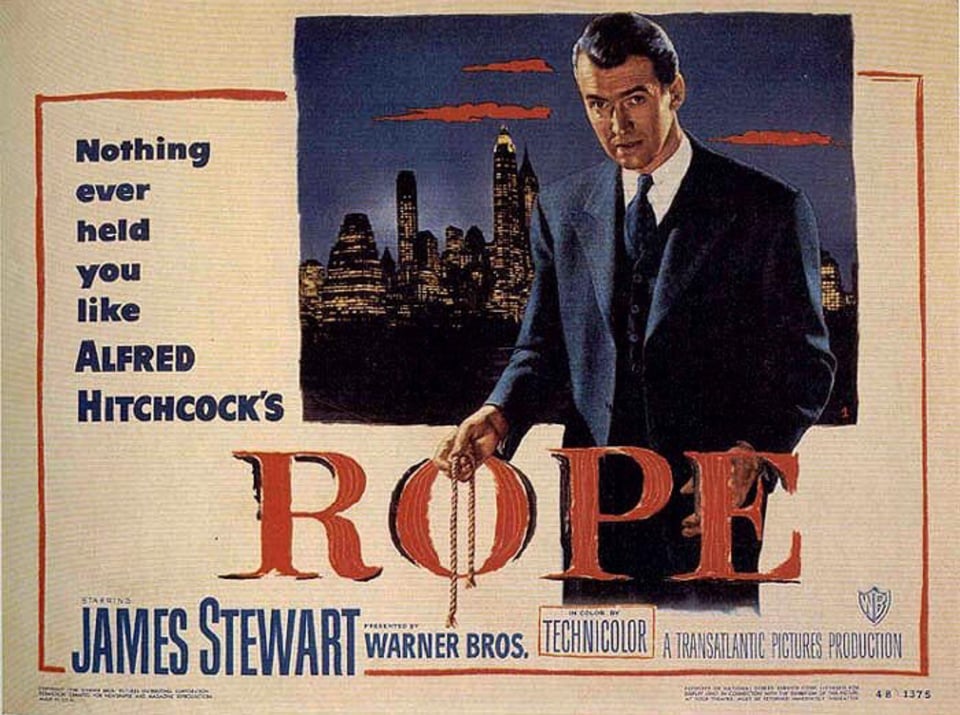
Rope (1948) was, like most Hitchcock movies, released with the Motion Picture Production Code (the Hayes Code) was still in effect. This list of rules and regulations severely limited what could and could not be shown on screen, as well as how certain movies could end. Rules included that no one could be shot onscreen, no one could be fully naked onscreen, there could be no swearing, drinking, smoking, or otherwise ‘inappropriate’ behavior onscreen. While most of what the Hayes Code was prove that where there’s a will, there is, in fact, a way (all Code-era movies I’ve seen are freaky as hell. Without fail.), it also led to the most infamous trope in queer cinema: Bury Your Gays.
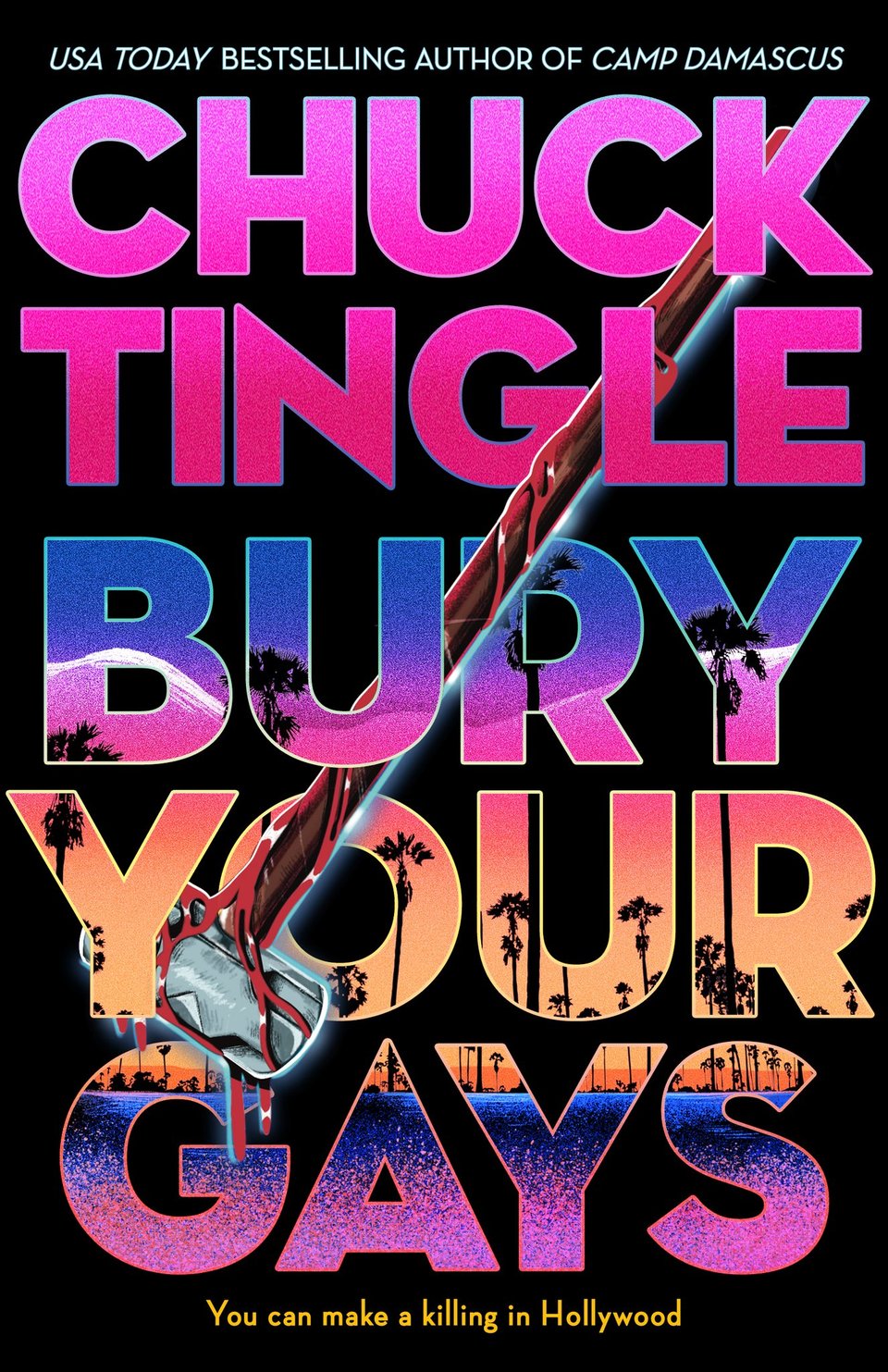
The Hayes Code had…a lot to say about morality. Namely, that all characters who engaged in immoral behaviors had to be punished by the end of the movie to indicate to the kids that evil doesn’t pay. Or something. This is where we get the baddie getting his comeuppance at the end of the noir movie, the typical triumph of good over evil, etc. The thing is though, the Code’s definition of ‘immoral behavior’ included homosexuality. So literally, all gay characters had to end up either dead or sad. Legally, for the movie to show in theaters. Which is what made Rope such a groundbreaking moment for queer cinema. Because the thing about Rope is that they don’t.
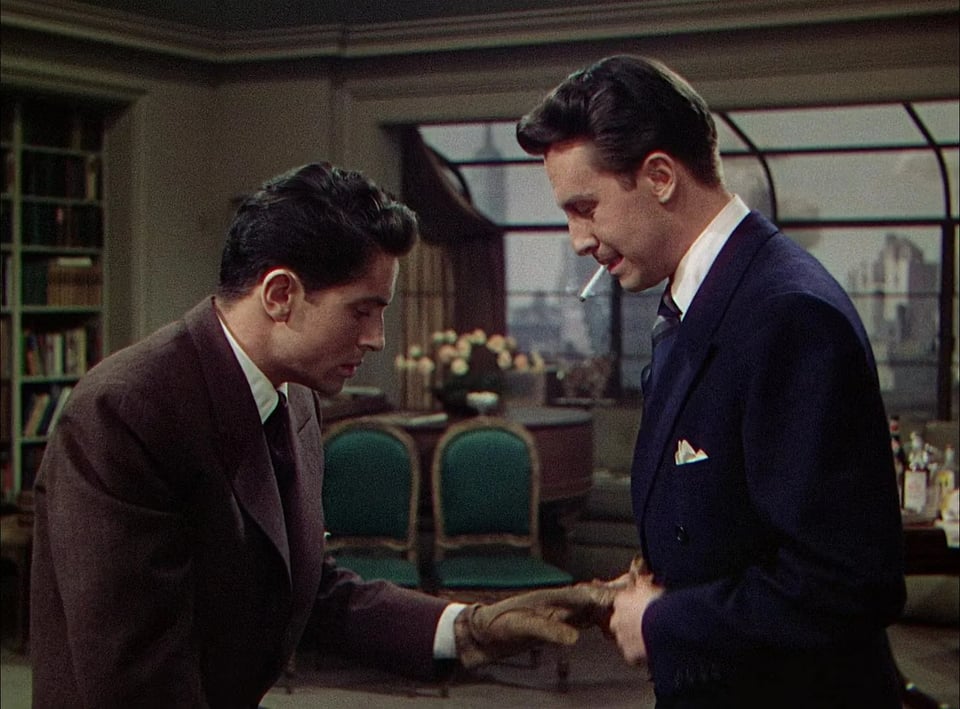
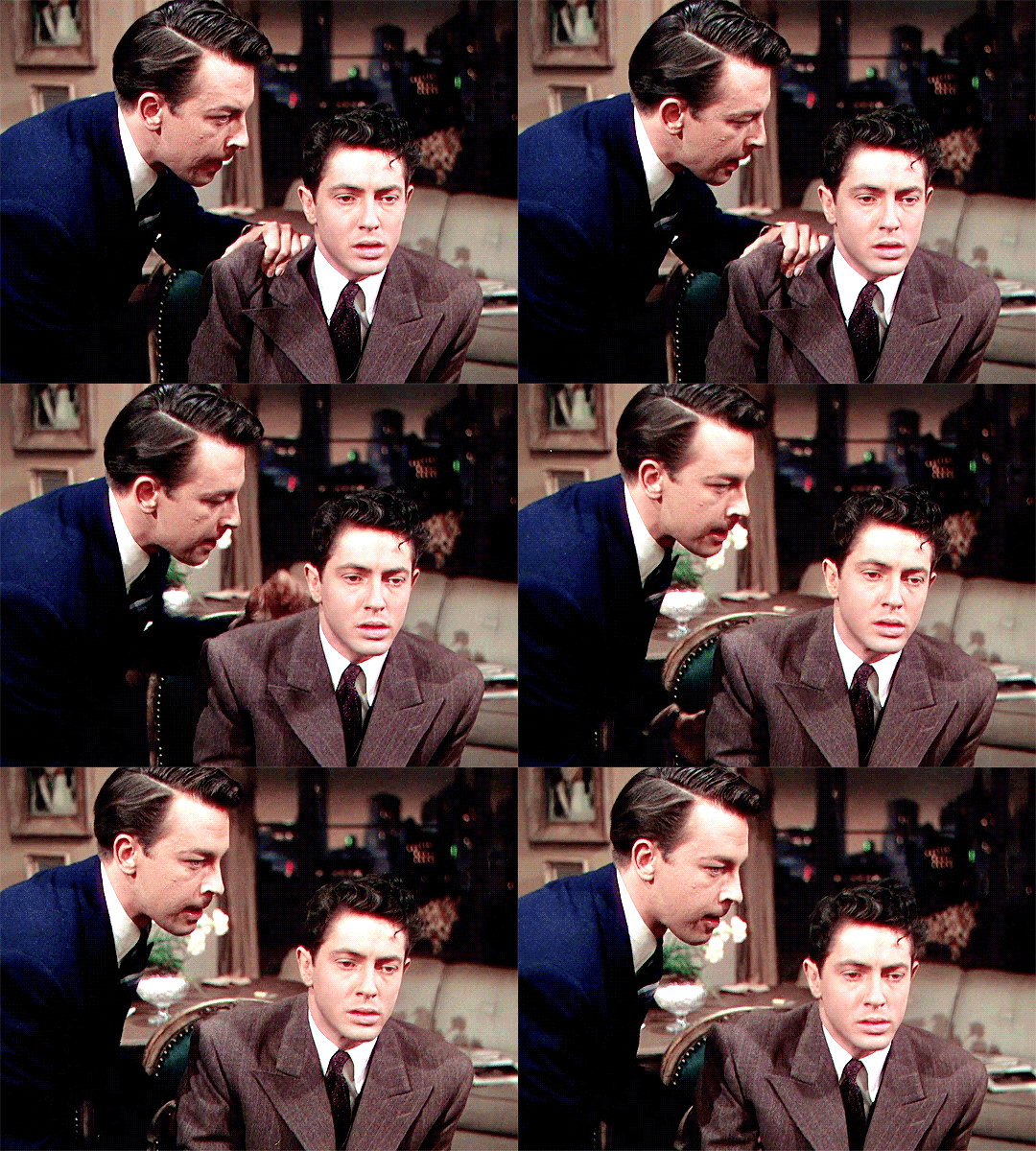
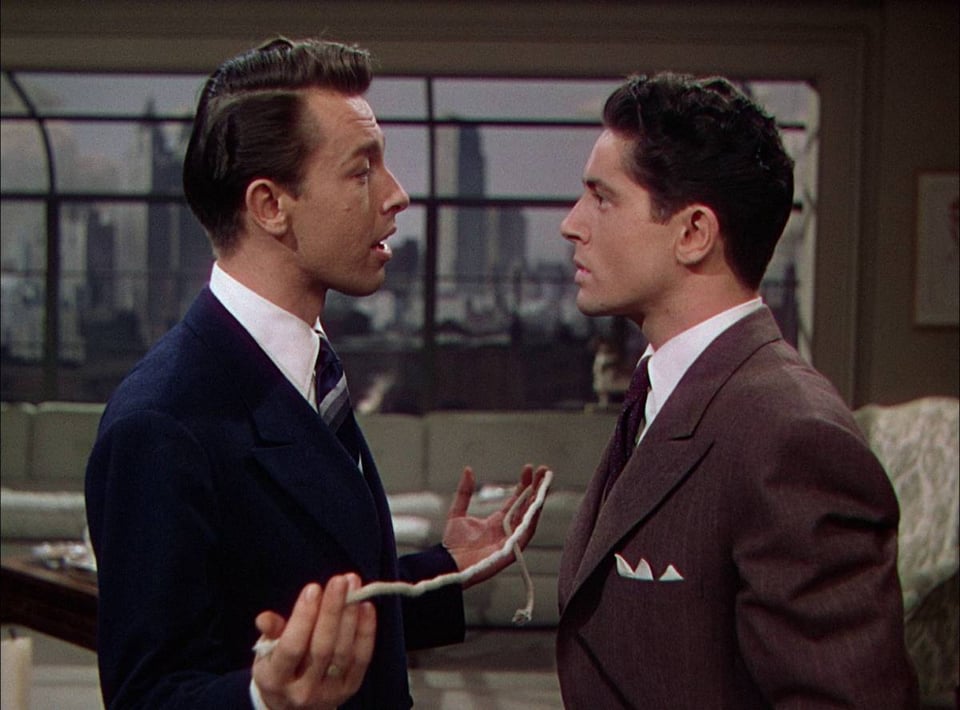
Rope has homoeroticism out the ears, especially for a movie that came out in a time when homosexuality was critically considered immoral behavior. There is undeniable chemistry between the main two characters, Brandon and Philip, which is exacerbated by the presence of their former schoolteacher and mentor, Rupert. As with all Hitchcock movies, everything about Rope is on purpose, and this tension is no exception, especially taking into consideration the fact that Arthur Laurents, one of the two cowriters, was gay and in a relationship with John Dall (Brandon) at the time of filming. And while it may not seem like much to watch it through a modern lens, the script of Rope coupled with generational performances from John Dall and Farley Granger was almost certainly more than enough for it to get hit with the stamp of immoral homosexuality. Which is why the ending is so spectacular.
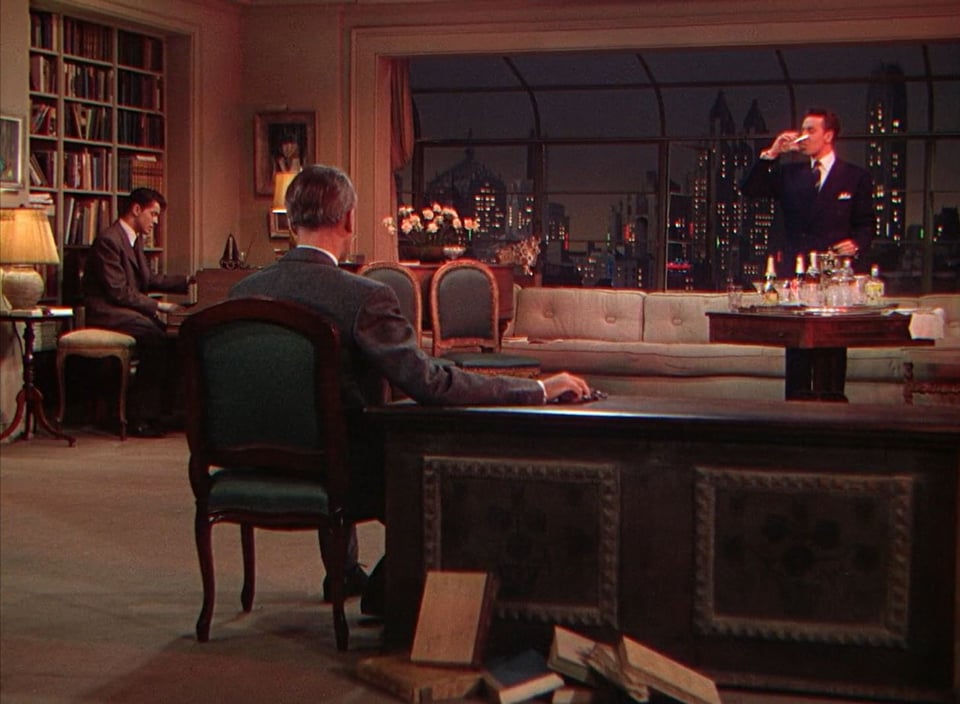
Hitchcock was, rather famously, a master of dodging the Hayes Code. Perhaps the most well-known instance of this was during the critical screenings of Psycho, when he told critics that he would edit the shower scene, brought back the exact same footage, and sat back and watched them all change their tune, but most post-production Hitchcock stories are based on his sheer talent for dodging the Hayes Code like Neo dodges bullets in The Matrix, and Rope is no exception. Rope ends with Rupert, James Stewart’s character, firing a gun out of the window of the apartment so that the police will come to the house and discover the body of the classmate that Brandon and Philip murdered. The final shot of the movie is underscored by Philip, playing his piano one final time as he waits for his comeuppance. But - and here’s the kicker - we never see him get it. The police, as far as we know, never enter the apartment. Philip and Brandon might still take those back stairs and drive out into the country together. Schrodinger’s punishment, if you will. It was just enough to squeak by the Hayes Code while also breaking queer cinematic ground by not simply burying the gays. It is heavily implied that they will be buried - there’s no way for them to leave the apartment, the police are on their way, even if they left, Rupert could go report them and have them followed out of town - but we don’t know. All we know, and the credits begin to roll, is that Philip is playing the piano, Brandon is awash in betrayal, and Rupert has begun to realize that he should maybe stop teaching his students that they are smart enough to play God. Oh, and there’s a dead body in that trunk and has been since before dinner.
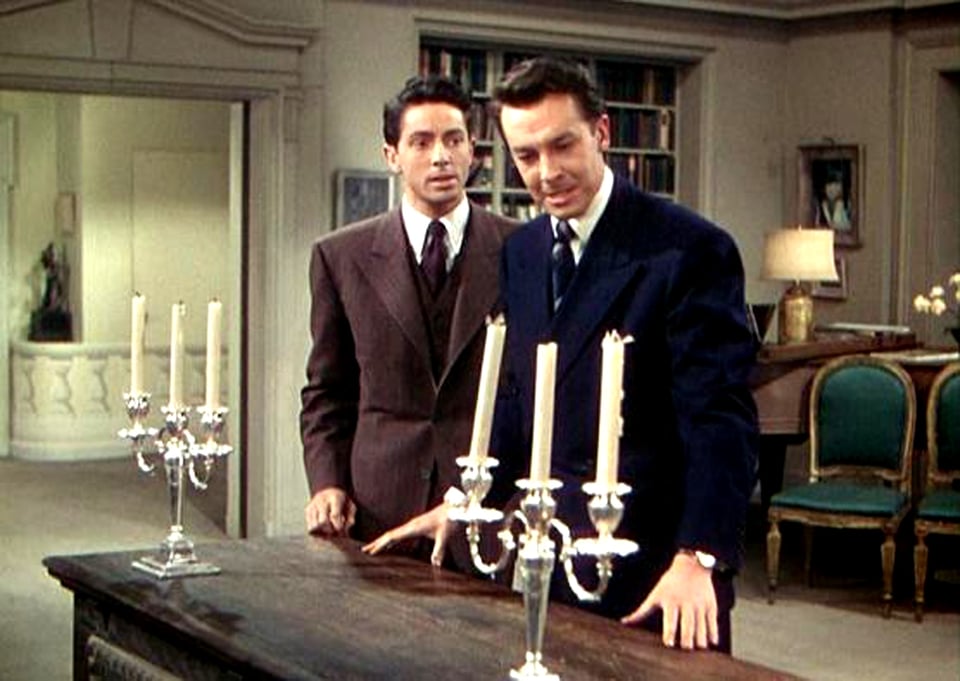
What makes Rope really queer to me isn’t just the tension between the male characters - it’s the simmering undercurrent of tension throughout the whole party, based in the idea that they might be found out. Found out for having murdered their former classmate, sure, but it’s a fear that rings true for queer viewers for a different reason entirely. Plenty of queer narratives deal with coming out, or fear of being outed. Look at the handful of queer characters in mainstream TV shows or movies. What are their arcs about and why is it the fear of being discovered? Included in this tension is the fact that they did this because of what Rupert taught them. Rupert’s reputation arrives at the party before he does, buoyed by intimidation and awe, as well as Brandon’s heavy implication that Philip might have learned perhaps more things than were entirely appropriate from Rupert during their time at school. Rupert is self-important, and has created his students to be the same. In fact, Brandon and Philip - but mainly Brandon - committed the murder largely to impress Rupert, prove to him that they absorbed his lessons, and had now positioned themselves as superior and intelligent members of society, so much so that they got what he always championed - to determine who lives or dies. Rupert is, of course, horrified by this, which further speaks to the feeling of otherness that comes with queerness. Brandon thought he was doing what was asked of him. He thought he was doing something right, playing this cruel game with Philip and everyone at the dinner party. More than that, he thought he was being funny. Playing a little joke by having everyone - including the victim’s mother and father - eat their dinner off of the trunk in which his body was hidden. Brandon represents the darker side of desire and a need to be acknowledged by stringing Philip along in a desperate bid to impress a teacher he hasn’t had for years who always liked Philip more.
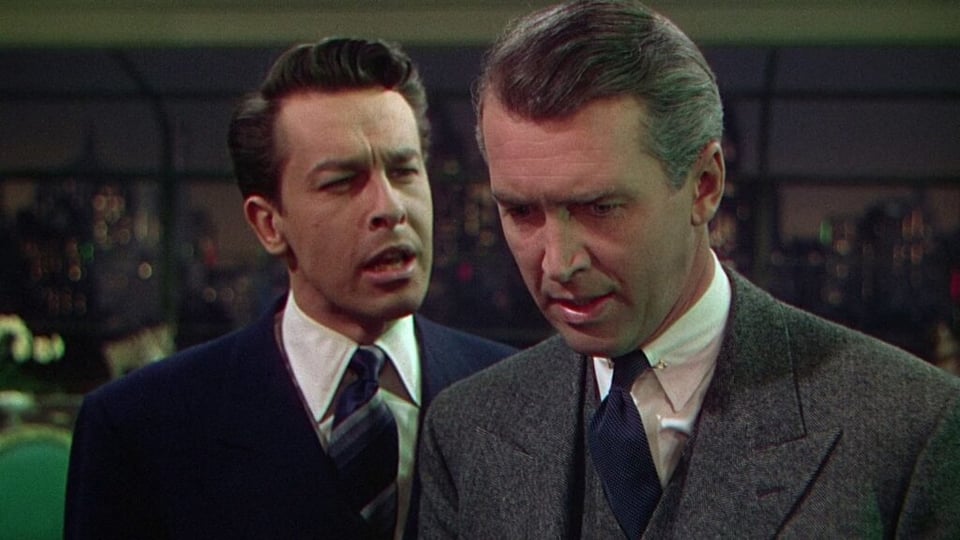
Rope absolutely bleeds desperation for its whole eighty minute run time. As Brandon and Philip both collapse under the weight of their crime, though in almost entirely different ways, society ticks on as it always has, oblivious to their inner struggle. It is clear that Philip wants nothing more than for their reason for leaving to actually be a piano recital that Brandon set up for him and that Brandon really really bad wants to tell Rupert what they did. He tries even, several times, always telling stories or making jokes or references that come up just short of what he actually wants to say. Brandon’s desperation is almost giddiness, expressing itself in jokes and cruel pranks, always playing just close enough to be discovered, then riding high on the relief that he wasn’t, pushing himself closer and closer to an edge. Philip, on the other hand, becomes almost crazed with guilt. His perfectly coifed hair becomes increasingly disheveled as he attempts to stop Brandon from playing whatever game it is that he’s playing so that they can end the night, sneak down the back stairs and…camp under the stars together? Their plan is generally haphazard, but holds the promise of freedom. Which, for all we know, they still might find.
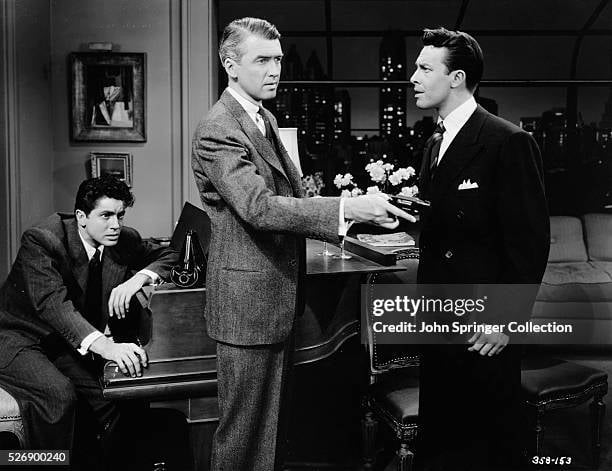
Despite not being explicitly queer, Rope is the story of two men trapped in a dangerous secret by their mutual admiration of another man, desperate for his attention and for their own freedom with it, unaware that those two things are mutually exclusive. It’s about the supreme torture of existing in a normal society that is increasingly not meant for you, but at the very least being stuck there with somebody else, tied together by this shared secret that could ruin both of your lives. So y’know, it’s not not explicitly queer. Or at the very least, not by Hayes Code standards.
Thanks for reading, all! And get hype for the Spooky Season Spooktacular, theme announced on Thursday! Happy reading and stay spooky! 🪢🍽️🏳️🌈🔪🩸