The CSAT is Not the Customer
Hello Raccoon People 🦝
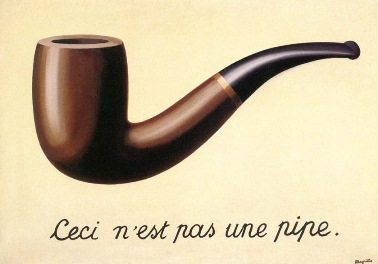
In 1929 René Magritte painted his famous Treachery of Images, also known by the words he wrote, "This is not a pipe."
People were vocal. Of course it's a pipe! Look at it! Obviously it's not a frog or a mountain or even a cigarette. It's clearly a pipe.
But can you pack it with tobacco? Can you nurse it over a great novel? Does it fill the home with the smell of tobacco smoke?
The famous painting has become the artistic rendition of "The map is not the territory." Of course we need representations. In the map example especially. A map is something you can hold in your hand (or project on your car's screen) that shows you where to go to get where you need to be. A map of Silver Falls State Park can show you where the waterfalls are. A picture of the falls can better communicate what they look like.
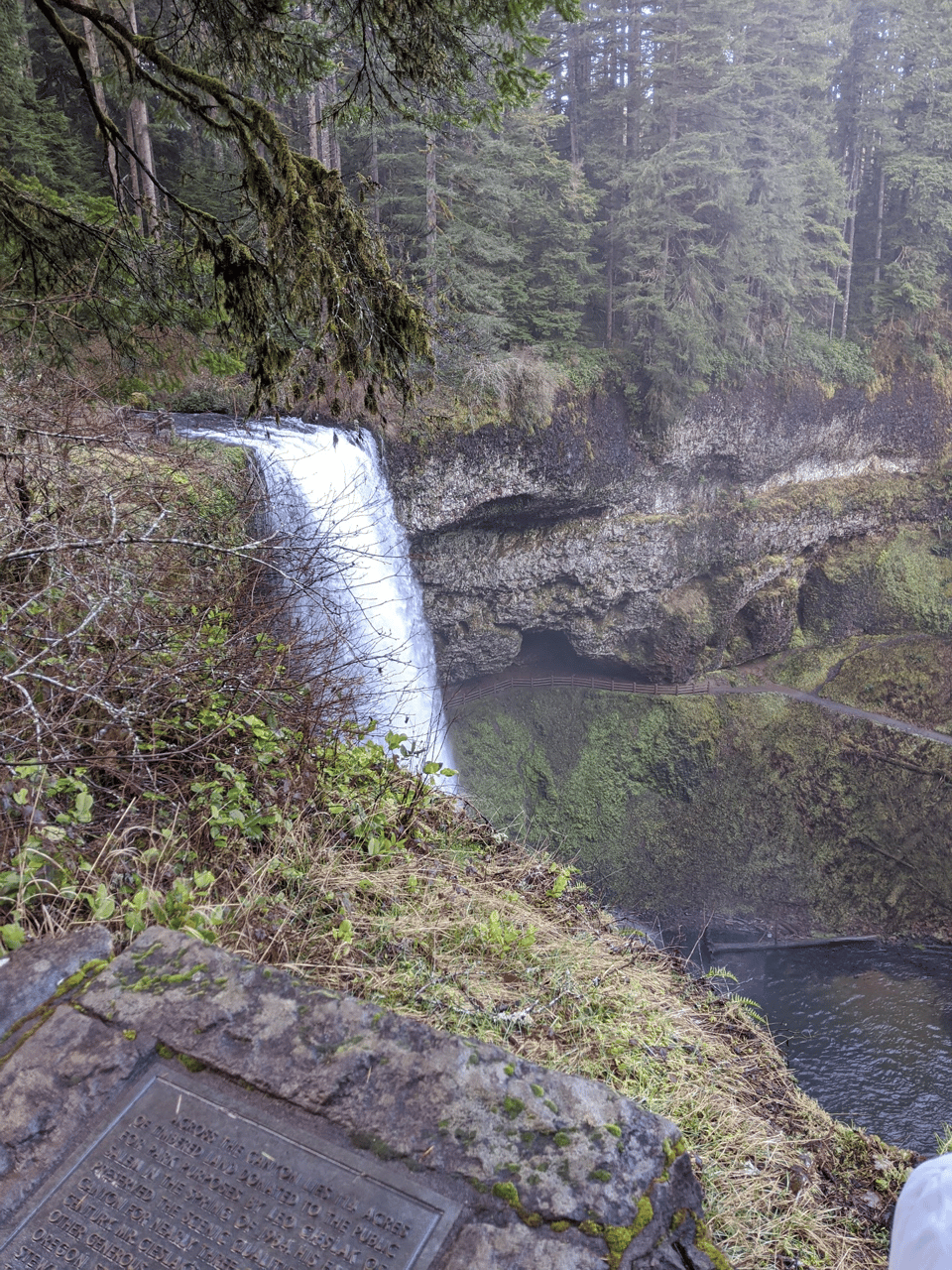
But nothing replaces the feeling of walking behind that waterfall and feeling the rumble under your feet, the spray in your face. You can't smell a pipe by looking at a photo, or feel the cool warmth of the smooth bowl in your hand. Similarly, nothing replaces the relationship you build with customers who work closely with your CS team over the years they use your product.
Maps and paintings allow us to explain the world around us. Support metrics allow us to tell a readable story to others in our company, or our investors, to communicate the health and status of the business, customers, and team. Metrics summarize. They are a small picture of your business.
So we collect data from the queue, from surveys, and now from our AI notetakers. And we package that data up in a slide that gets shown on a screen to a group of people who will never know the intimacy of working through a difficult problem with a customer who really has to get the product to work so they can collect their own data to make their own slides to present to their own team.
We are aware that we are moving that map even farther away from the customer and asking AI to interact with them, collect the data, and just tell us what it found. And I get it! I understand more deeply in my bones than most the need to push tedious tasks to someone or something else so I can focus on 'higher value tasks.'
But I also know some other data. Like the fact your CSAT survey only goes out to the people who contact your support team, which is a small percentage of your actual customers, which is only responded to by roughly 7-14% of those offered, and usually the folks who are either really happy or really mad. I calculated once, based on our contact and response rates, that our CSAT told us the thoughts of our loudest 0.12% of customers. Would you make a big decision based on the kneejerk responses of 0.12% of your customers?
With AI coming into more and more interactions, our traditional metrics are rather meaningless. Of course a bot can respond instantly. So what? Now your humans are getting tougher cases that take longer to resolve. So what?
It's time to rotate the map. We're not starting at the same trail head. We're in a different spot. Bots are taking the "easy" stuff. The knowledge base is (hopefully) deflecting more tickets. Your team is now answering questions that are less "how do I use this feature?" and more "How can I use your suite of features to grow my business?"
Here's the thing you probably don't want to read today – your metrics next year aren't going to be something that shipped out of the box with your Zendesk plan. They are going to be those that answer the questions your executive team really needs to know the answer to eke out a small competitive advantage. They are going to be hyper-specific to your product and customers. What features do people who churn get frustrated with? What questions for help go essentially unanswered? Not the kind of unanswered ignored, but unanswered "I'll check with my product team on that and get back to you." What product releases go smoothly and why, or poorly and why. What kind of exposure do your engineers have to customer wins and losses? Not the wins of big contracts, but the wins like who succeeded because of something they built? Smart execs are going to push back on vanity metrics like CSAT, rejecting them in favor of data that shows them what actions they can take now to keep customers returning next year. They are going to want more detailed paintings, and we're going to have to keep thinking creatively and honing our interpretation and map-making skills.
Just like with the support queue, our shift to using AI is taking the "easy" stuff off our plates and leaving us with the more complex issues. For me, that's tremendously exciting. The boring, repetitive stuff is, well, boring! But it does mean more thinking, more experimentation, more tracking, more teamwork, and more intention. It means being vigilant that we don't mistake the painting for the pipe.


Add a comment: